

Almond trees can grow in Montana, but they require specific conditions to thrive at high altitudes. Understanding the climate, soil requirements, and proper care techniques is essential for successful cultivation in this region.
Montana Climate Challenges for Almond Trees
Montana’s climate presents unique challenges for growing almond trees. The state experiences cold winters and short growing seasons, which can hinder the development of these trees. However, certain varieties can withstand colder temperatures and are more suitable for high-altitude environments.
Factors to consider include:
Frost dates: Late spring frosts can damage blossoms.
Temperature: Almond trees prefer temperatures between 65°F and 85°F during the growing season.
Precipitation: Adequate moisture is crucial, especially in the early growth stages.
Choose the Right Almond Tree Varieties
Selecting the appropriate almond tree varieties is crucial for successful cultivation in Montana’s unique high-altitude environment. Different varieties exhibit varying levels of cold hardiness and adaptability, making it essential to choose those best suited to withstand the region’s climate challenges. Understanding these distinctions will help ensure a thriving almond orchard in the state’s diverse conditions.
Selecting the appropriate almond tree variety is critical for success in Montana. Some varieties are more resilient to cold and can adapt to the shorter growing season.
Recommended Products

Seed Preparation: Soak the seeds in room-temperature water for 24–48 hours to soften the outer shell and promote germination.

Imagine your property a few years from now — cooler, greener, and more comfortable. A place where a wide, layered canopy creates natural shade and transforms open space into a relaxing outdoor environment. That future starts with planting a Tropical Almond Tree (Terminalia catappa) today.
Best Almond Varieties for Montana
When considering almond cultivation in Montana’s unique climate, selecting the right variety is crucial for success. Certain almond types are better suited for high altitudes and cooler temperatures, making them more resilient to the state’s challenging conditions. This section explores the best almond varieties that can thrive in Montana, ensuring a fruitful harvest for local growers.
| Variety | Hardiness Zone | Bloom Time | Yield Potential |
|---|---|---|---|
| ‘Carmel’ | 5-9 | Early Spring | High |
| ‘Tuono’ | 5-8 | Late Spring | Moderate |
| ‘Nonpareil’ | 5-9 | Early Spring | High |
| ‘Sonora’ | 5-9 | Mid Spring | High |
These varieties have shown better performance in colder climates and can yield satisfactory results.
Soil Preparation for Almond Tree Success
Preparing the right soil is crucial for the successful growth of almond trees in Montana’s high-altitude environment. The unique conditions in this region require specific soil amendments and practices to ensure optimal drainage, nutrient availability, and pH balance. Understanding these factors will help cultivate healthy almond trees that can thrive despite the challenges posed by the climate.
Soil preparation is essential for almond trees to thrive in Montana. The right soil conditions can significantly impact growth and yield.
Almond Tree Soil pH Preferences
Understanding the soil pH preferences of almond trees is crucial for their successful cultivation, especially in Montana’s unique high-altitude conditions. The right pH level can significantly influence growth, nutrient uptake, and overall health of the trees. This section delves into the specific soil requirements necessary for almond trees to thrive in this challenging environment.
pH Level: Almond trees prefer a pH between 6.0 and 7.5.
Drainage: Well-draining soil is critical to prevent root rot.
Nutrients: Incorporate organic matter to enhance soil fertility.
Soil Sample Collection for Almond Trees
Understanding the soil conditions is crucial for the successful cultivation of almond trees in Montana’s unique high-altitude environment. This section outlines the essential steps for collecting soil samples, ensuring that the specific nutrient and pH requirements of almond trees are met for optimal growth and survival in this challenging climate.
Collect samples from different areas of the planting site.
Send samples to a soil testing lab for analysis.
Amend soil based on recommendations to meet almond tree needs.
Irrigation Strategies for Almond Trees
Irrigation is crucial for the successful cultivation of almond trees, especially in Montana’s high-altitude climate. The unique environmental challenges require tailored strategies to ensure these trees receive adequate moisture throughout their growth cycle. Understanding effective irrigation methods can significantly enhance the chances of thriving almond orchards in this region.
Watering is a vital aspect of almond tree care, especially in Montana’s variable climate. Proper irrigation ensures trees receive adequate moisture without becoming waterlogged.
Irrigation Strategies for High Altitude Almonds
Growing almond trees in Montana’s high altitudes presents unique challenges, particularly concerning water availability. Effective irrigation strategies are essential to ensure these trees thrive in a climate that can be both arid and unpredictable. Understanding the best practices for irrigation can significantly enhance the chances of successful almond cultivation in this region.
Frequency: Water deeply every 2-4 weeks during the growing season.
Amount: Aim for 1-2 inches of water per week, adjusting for rainfall.
Method: Use drip irrigation or soaker hoses to minimize evaporation.
Overwatering Risks for Almond Trees
Overwatering can pose significant risks to almond trees, particularly in Montana’s unique climate. Excess moisture can lead to root rot and other diseases, hindering the trees’ ability to thrive in high-altitude conditions. Understanding the balance between adequate irrigation and potential overwatering is crucial for successful almond cultivation in this region.
Overwatering can lead to root rot and other diseases. Monitor soil moisture closely.
Pest and Disease Prevention Strategies
Successfully growing almond trees in Montana requires not only attention to altitude and climate but also a proactive approach to pest and disease management. Given the unique challenges posed by the region, implementing effective prevention strategies is essential for ensuring the health and productivity of almond trees. This section explores various methods to safeguard these trees from potential threats.
Pests and diseases can threaten almond tree health, particularly in a high-altitude environment. Implementing preventive measures is essential for maintaining tree vigor.
Pests and Diseases Affecting Almond Trees
Almond trees, while resilient, face various pests and diseases that can threaten their growth and productivity, especially in the unique climate of Montana. Understanding these challenges is crucial for successful cultivation in high-altitude environments. This section explores the common threats to almond trees and offers insights on how to manage them effectively.
| Pest/Disease | Symptoms | Control Methods |
|---|---|---|
| Aphids | Curling leaves | Insecticidal soap |
| Brown rot | Fruit rot | Prune infected areas |
| Powdery mildew | White powdery spots | Fungicidal sprays |
| Scale insects | Sticky residue | Horticultural oil |
Regular monitoring and timely intervention can help protect your almond trees.
Almond Harvest Timing and Care Techniques
Understanding the timing of almond harvest and the specific care techniques required is crucial for successful cultivation, especially in Montana’s unique climate. This section delves into the optimal periods for harvesting almonds and the best practices to ensure healthy tree growth and fruit production in high-altitude environments.
Harvesting almond trees at the right time is crucial for quality. Proper post-harvest care ensures the longevity of the nuts.
Almond Harvest Timing in Montana
Understanding the timing of almond harvest in Montana is crucial for successful cultivation in this unique climate. Given the state’s high altitude and varying temperatures, knowing when to pick almonds can significantly impact yield and quality. This section will explore the optimal harvest period for almonds in Montana, ensuring growers can maximize their efforts.
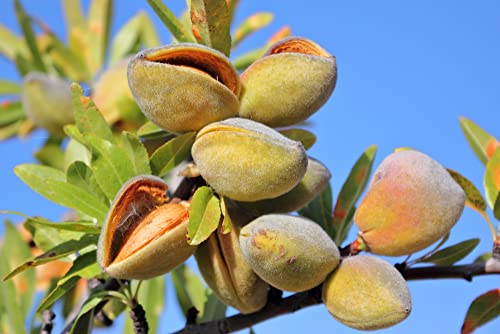
Timing: Harvest when hulls split open, typically in late summer to early fall.
Method: Use shaking machines or hand tools to remove nuts from trees.
Almond Harvesting and Drying Techniques
Harvesting and drying almonds in Montana presents unique challenges due to the region’s high altitude and climate. Understanding the best practices for these processes is essential for maximizing yield and ensuring quality. This section explores effective techniques tailored to the specific conditions faced by almond growers in Montana.
Dry nuts in a shaded, ventilated area.
Store in a cool, dry place to prevent spoilage.
Montana Almond Cultivation Success Factors
Almond trees, typically associated with warmer climates, face unique challenges in Montana’s high-altitude environment. Understanding the specific factors that contribute to successful almond cultivation in this region is essential for growers. This section delves into the critical elements that influence the viability of almond farming in Montana’s distinct conditions.
Successful almond cultivation in Montana requires careful planning and execution. Select the right variety, prepare the soil, and implement effective care practices to achieve optimal growth.
