

Are you dreaming of fresh fruit straight from your backyard? Growing a fruit tree in Texas can be a rewarding experience, but choosing the right one is key. With so many options available, it’s easy to feel overwhelmed when deciding which tree will thrive in your climate and soil.
Key Takeaways
- Climate Considerations: Understand Texas’ diverse climate zones to select appropriate fruit trees, considering heat tolerance and chilling hour requirements for optimal growth.
- Popular Varieties: Common fruit trees in Texas include citrus (oranges, lemons, grapefruits), stone fruits (peaches, plums, cherries), and figs (Brown Turkey and Celeste).
- Best Practices: Soil preparation, consistent watering, and regular pruning are essential for healthy fruit tree growth. Ensure trees receive at least six hours of direct sunlight daily.
- Environmental Benefits: Growing fruit trees contributes to biodiversity, improves soil health, and actively reduces carbon dioxide levels, enhancing local ecosystems.
- Economic Advantages: Homegrown fruit reduces grocery costs, provides fresher produce, and offers opportunities for local sales, while also increasing property value through enhanced landscaping.
Climate Considerations
Texas has diverse climate zones that influence the types of fruit trees you can successfully grow. Understanding these conditions is crucial for thriving fruit production.
Recommended Products

Product Quantity: 180+ premium bonsai fruit seeds across 5 varieties; Individual packs contain 40+ apple, 40+ lemon, 40+ orange, 20+ blueberry, and 40+ cherry seeds; Perfect for starting a diverse miniature orchard


Understanding Texas Weather
Texas experiences varying weather patterns, including hot summers, mild winters, and significant rainfall in some areas. Average temperatures can range from the low 30s °F in winter to the high 90s °F in summer. The east has a humid subtropical climate, while the west leans toward arid conditions. When choosing a fruit tree, consider its heat tolerance and chilling hour requirements for optimal fruiting.
Regional Variations in Texas
Texas is divided into several regions, each with unique climate characteristics. Here’s a breakdown:
- East Texas: This area features a humid environment, making it suitable for peaches, figs, and plums. The ample rain supports robust growth.
- Central Texas: Known for its variable weather, this region supports varieties such as citrus trees and pomegranates. Look for heat-tolerant options that can withstand occasional cold snaps.
- West Texas: With its dry, arid climate, consider growing desert-adapted trees like jujubes and pomegranates. These trees thrive with minimal water and high heat.
- South Texas: Warmer temperatures and a longer growing season favor tropical varieties, such as citrus fruits. Ensure adequate irrigation for optimal growth.
Understanding these climate considerations helps you choose the best fruit tree for your Texas garden.
Popular Fruit Trees in Texas
Texas offers a variety of fruit trees that thrive in its diverse climate, making it an ideal environment for tree cultivation. Here are some popular choices for your garden.
Recommended Products
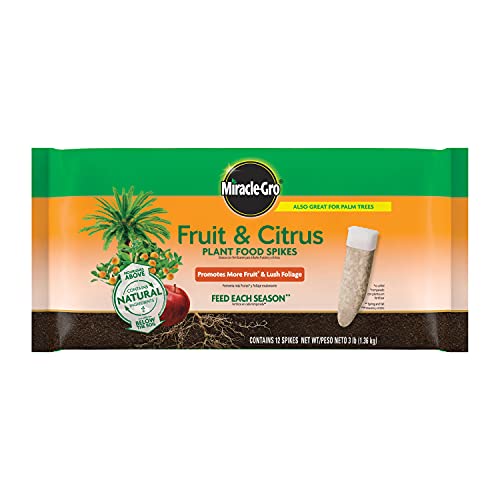
FORMULATED FOR CITRUS AND FRUIT TREES: Use these citrus fertilizer spikes on apple, orange, lemon, lime, and avocado trees; this formula is also great for feeding palm trees

FOR USE ON: Use Citrus-tone organic fertilizer for all citrus trees, including lemon, lime, orange, Meyer Lemon Trees as well as for avocado & nut trees

Let our professionally formulated plant food help your citrus tree grow healthy, strong AND abundantly producing
Citrus Trees
Citrus trees flourish in the warm Texas climate, especially in Central and South Texas. Consider planting:
- Orange Trees: Producing sweet, juicy fruit, they require full sun and well-drained soil.
- Lemon Trees: Known for their tangy flavor, they grow well in containers or in the ground.
- Grapefruit Trees: These trees thrive in full sun and yield large, tart fruit that’s perfect for breakfast.
To maximize growth, water consistently but avoid overwatering to prevent root rot.
Stone Fruit Trees
Stone fruit trees also perform well in Texas, particularly in East and Central regions. Popular options include:
- Peach Trees: Offering sweet, juicy peaches, these trees need plenty of sunlight and airflow to reduce disease risks.
- Plum Trees: Producing plums that vary in taste, they require regular pruning for optimal fruit production.
- Cherry Trees: Ideal for cooler areas, they need well-drained soil and cold winters for successful fruiting.
Plant in a location that receives at least six hours of direct sunlight daily to ensure healthy growth.
Fig Trees
Fig trees are especially suited for the warmer climates of South and Central Texas. Key varieties are:
- Brown Turkey Figs: Known for their rich flavor, they adapt well to various soil types.
- Celeste Figs: These small, sweet figs thrive in well-draining soil and produce fruit early in the season.
Provide plenty of sunlight and water during dry spells for the best results. Figs require minimal maintenance and can produce abundant fruit with the right care.
Best Practices for Growing Fruit Trees
Growing fruit trees successfully in Texas requires attention to several key practices. Focusing on these areas promotes healthy growth and fruitful yields.
Recommended Products
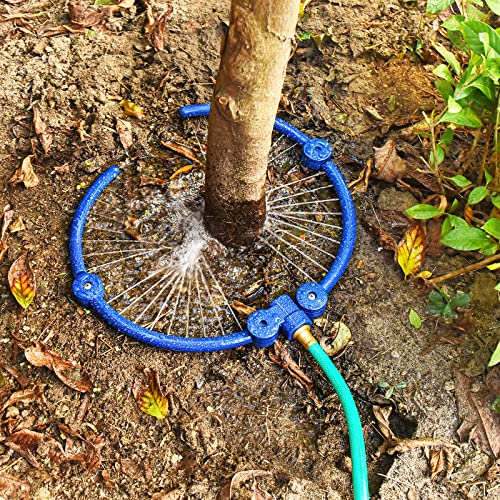
【Specially Designed for Trees and Shrubs】 The Watering Ring is a multi-purpose irrigation ring that attaches to a garden hose to efficiently water young trees shrubs vegetables or flower beds using drip or trickle irrigation.It directs water to the root perimeter of the plant to give them a good start during the first two growing seasons or through periods of drought.

【Upgraded Tube Design & Water Saving】 Our adjustable garden watering system is upgraded to 1/2” diameter to support high water pressure. The 1/2” tee connector in the package so you can easily set up 2 drip irrigation systems as needed. Garden watering systems minimize stage water loss by recharging water directly to plant roots. While traditional irrigation often results in wasted water, this drip irrigation system saves up to 70% of water, no need for manual watering, saves water.

NO MORE HARD INSTALLATION - SET UP IN MINUTES. Tired of struggling with stiff barbed fittings? This drip irrigation system features quick-connect fittings that let you push, lock, and secure tubing effortlessly. No tools, no leaks, just a smooth setup experience. Enjoy a frustration-free installation and get your garden watering system running in minutes.
Soil Preparation
Preparing the soil is crucial before planting. Test the soil pH, aiming for a range of 6.0 to 6.8, as most fruit trees thrive in slightly acidic conditions. Amend the soil with organic matter, such as compost, to improve drainage and nutrient content. Create a planting hole two to three times wider than the tree’s root ball to encourage strong root development.
Watering Techniques
Watering requires a thoughtful approach. Young trees need deep watering once a week during dry spells. Mature trees generally require less frequent watering but need around one inch of water every two weeks during summer. Use mulch around the base to retain moisture and regulate soil temperature. Drip irrigation systems work well for consistent watering.
Pruning and Maintenance
Pruning ensures your trees grow strong and produce fruit effectively. Start pruning in late winter while trees are dormant. Remove dead or weak branches and shape the tree to allow sunlight in. Regular maintenance includes checking for pests and diseases, applying fertilizers in early spring, and ensuring the tree gets ample sunlight. Aim for about six to eight hours of direct sunlight daily.
Benefits of Growing Fruit Trees
Growing fruit trees offers numerous advantages, enhancing both your garden and quality of life. From environmental benefits to economic gains, the reasons to plant fruit trees are compelling.
Environmental Impact
Planting fruit trees contributes positively to the environment. They provide habitat and food for wildlife, promoting biodiversity in your local area. Trees engage in carbon sequestration, helping to reduce carbon dioxide levels in the atmosphere. Furthermore, they improve soil health by preventing erosion and enhancing nutrient cycling. For example, fruit trees require careful watering practices, which can lead to improved water retention in the soil, benefiting other plants nearby.
Economic Advantages
Growing your own fruit can lead to significant economic benefits. By cultivating fruit trees, you reduce grocery expenses over time, especially with high-demand fruits like citrus and peaches. Homegrown fruit tastes better and is fresher than store-bought alternatives. Additionally, if surplus fruit arises, you can sell it at local farmers’ markets or share it with neighbors, creating a sense of community. Investing in fruit trees also adds value to your property. Landscaping with healthy, productive trees enhances curb appeal, which can attract potential buyers if you decide to sell your home.
Conclusion
Choosing the right fruit tree for your Texas garden can be an exciting journey. With so many options available you can find a tree that not only thrives in your local climate but also brings joy and delicious fruit to your table. Whether you opt for citrus in Central Texas or figs in the South you’ll be rewarded with fresh produce and a beautiful landscape.
Remember to focus on soil preparation and maintenance to ensure your tree grows strong and healthy. Embrace the process and enjoy the many benefits that come with nurturing your own fruit tree. Happy gardening!
Frequently Asked Questions
What fruit trees grow well in Texas?
In Texas, popular fruit trees include citrus varieties like oranges and lemons, peaches, plums, cherries, and figs. Each region has its favorites: East Texas thrives with peaches and figs, Central Texas supports citrus and pomegranates, West Texas favors jujubes, and South Texas is ideal for tropical fruits.
How do I choose the right fruit tree for my area?
To choose the right fruit tree, consider your region’s climate and soil conditions. Assess the local weather patterns, and select trees suited to your specific zone in Texas, whether it’s East, Central, West, or South Texas.
What are the best practices for growing fruit trees?
Key practices for growing fruit trees include testing and amending soil, deep watering young trees, applying mulch for moisture retention, and regular pruning. Ongoing maintenance such as pest control and ensuring adequate sunlight exposure is also crucial for healthy growth and fruit production.
How can growing fruit trees benefit the environment?
Growing fruit trees enhances biodiversity by providing habitats for wildlife, aids in carbon sequestration, and improves soil health. This contributes positively to the local ecosystem and supports sustainability efforts.
Do fruit trees increase property value?
Yes, planting fruit trees can increase property value by enhancing curb appeal and offering potential economic benefits through fresh produce. It can also create opportunities for selling surplus fruit, making it a smart investment for homeowners.
