

Have you ever wished you could pick multiple fruits from a single tree? Imagine strolling through your garden and grabbing a juicy peach, a sweet apple, and a tangy lemon all from one spot. That’s the magic of a fruit salad tree!
These unique trees combine different fruit varieties on one trunk, making them perfect for small spaces or anyone looking to add a splash of variety to their garden. In this article, you’ll discover what a fruit salad tree is, how it works, and the benefits it can bring to your backyard. Whether you’re a seasoned gardener or just starting out, you’ll find tips to help you enjoy the delicious rewards of this innovative gardening trend.
Key Takeaways
- Definition: A fruit salad tree combines multiple fruit varieties on a single trunk through grafting, allowing diverse fruits like peaches, apples, and lemons to grow together.
- Grafting Technique: The process of grafting involves attaching compatible fruit varieties to a healthy rootstock, maximizing garden space and creating a visually stunning display.
- Space Efficiency: Ideal for small gardens, fruit salad trees optimize limited space, allowing for the cultivation of various fruits without needing multiple trees.
- Biodiversity Benefits: Growing a fruit salad tree increases biodiversity by attracting pollinators, enhancing fruit production, and providing a staggered harvest throughout the season.
- Care Requirements: Proper care involves choosing the right location, preparing well-draining soil, regular pruning, and monitoring for pests to ensure healthy growth and abundant fruit.
- Variety Selection: Choose a mix of compatible fruits tailored to your climate to maximize flavor diversity and optimize fruit production on your fruit salad tree.
What Is A Fruit Salad Tree?
A fruit salad tree is an innovative gardening solution that produces multiple types of fruit from a single tree. This unique approach to fruit cultivation involves grafting different fruit varieties onto one tree, allowing you to enjoy a diverse harvest. Examples include a tree that yields peaches, apples, and lemons simultaneously.
How It Works
Grafting is the process used to create a fruit salad tree. Gardeners choose compatible fruit varieties and attach them to a healthy rootstock. The grafted branches grow, producing fruit according to their type. This method not only maximizes space in small gardens but also provides a stunning display of different fruits.
Benefits of Fruit Salad Trees
- Space Efficiency: Ideal for limited spaces, you can grow various fruits without needing multiple trees.
- Variety: Enjoy different flavors in one harvest. With a mix of fruits, you can diversify your diet.
- Pollination: Some fruit salad trees have varieties that can help with cross-pollination, boosting fruit production.
- Choose Your Varieties: Select fruits that are compatible and suited to your climate, such as citrus and stone fruits.
- Purchase a Rootstock: Look for a healthy rootstock that supports the grafting process.
- Graft the Varieties: Grafting techniques include whip-and-tongue or cleft grafting. Make clean cuts and secure the branches.
- Care for Your Tree: Water consistently, provide nutrients, and monitor for pests. Prune as needed to encourage fruit growth.
A fruit salad tree not only adds beauty to gardens but also creates a fun and productive gardening experience. You’ll find satisfaction in the variety it brings to your table.
Types Of Fruit Salad Trees
Fruit salad trees come in various forms, accommodating different tastes and garden spaces. They allow you to enjoy multiple fruits from a single tree through innovative grafting techniques. Here’s a look at the types of fruit salad trees available.
Recommended Products
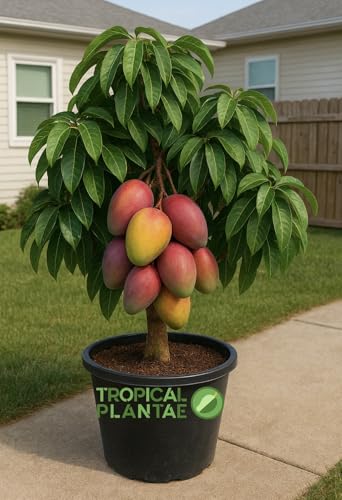
Imagine stepping into your backyard a few months from now and seeing a beautiful grafted Haden mango tree, growing stronger every day — a tree that will soon reward you with one of the most classic, flavorful mangoes ever grown.

The Ivory Mango Tree, a grafted variety of Mangifera indica, is a highly sought-after tropical fruit tree known for its unique elongated fruit, creamy texture, and exceptional flavor. This premium mango variety is native to Southeast Asia and has become a favorite among mango enthusiasts worldwide. Its grafted nature ensures reliable fruit quality, early fruiting, and adaptability, making it an excellent choice for home gardens and orchards.

Multi-Grafted Trees
Multi-grafted trees combine several varieties of fruit on one rootstock. You can find trees grafted with apples, pears, and cherries, allowing for a deliciously diverse harvest. Choose compatible species to maximize cross-pollination and fruit yield. For example, some apple varieties bloom at the same time, enhancing pollination and fruit sets. Generally, you can expect these trees to produce fruit in one to three years after planting.
Specific Varietals
Specific varietals bring unique flavors and textures to your fruit salad tree. Varietals include:
- Citrus Varietals: Lemons, limes, and oranges share compatibility and can flourish together on a single tree.
- Stone Fruits: Peaches, plums, and cherries provide a delightful range of tastes and can thrive on a multi-grafted tree.
- Berries: Grapes, blueberries, and raspberries can also be added, creating an eye-catching and tasty assortment.
Select varietals based on climate and seasonal suitability to ensure optimal growth. When choosing, consider factors like bloom time, fruit size, and ripening period to create a well-rounded fruit salad tree.
Benefits Of Growing A Fruit Salad Tree
Growing a fruit salad tree offers numerous advantages that enhance your gardening experience. You can enjoy a variety of fruits from a single tree while optimizing your garden space.
Space Efficiency
Fruit salad trees maximize the use of limited garden space. Instead of planting several trees for different fruits, one tree provides multiple options. You save room while still experiencing diverse flavors. For instance, a single tree can produce apples, peaches, and cherries, making it ideal for smaller yards or patios. This compact approach reduces maintenance efforts as you focus on caring for one tree instead of multiple ones.
Biodiversity
Increasing biodiversity in your garden comes with benefits. A fruit salad tree accommodates various fruit types, attracting more pollinators like bees and butterflies, which enhances fruit production. Different fruit varieties can also ensure a staggered harvest throughout the growing season. For example, apples might bloom early, while stone fruits like peaches ripen later. This variety keeps your garden dynamic and increases the resilience of your plants against pests and diseases. By encouraging a mixed ecosystem, you create a healthier environment for your fruit salad tree and surrounding plants.
How To Care For A Fruit Salad Tree
Caring for a fruit salad tree involves specific practices that promote healthy growth and abundant fruit production. Focus on these key areas: planting, pruning, and general maintenance.
Planting Tips
- Choose the right location: Select a spot that gets full sun for at least six hours daily. Avoid areas with heavy shade.
- Prepare the soil: Use well-draining soil with a pH level between 6.0 and 7.0. Amend the soil with compost to improve nutrients.
- Plant during the right season: Ideally, plant in early spring or fall when temperatures are mild. This helps the tree establish roots before extreme weather.
- Space properly: If you’re planting multiple trees, ensure each has enough room. Each fruit salad tree requires about 10 to 15 feet of space for optimal growth.
- Prune in late winter: Perform pruning while the tree is dormant. This helps promote healthy growth in the spring.
- Remove dead or damaged branches: Cut away any branches that appear unhealthy or broken. This action prevents disease and encourages stronger growth.
- Thin fruit clusters: When the fruits begin to form, thin them out to prevent overcrowding. Aim for 6 to 8 inches of space between fruit clusters.
- Shape the tree: Maintain an open center to allow sunlight to reach inner branches. This technique enhances airflow and promotes fruit ripening.
With appropriate care, your fruit salad tree can thrive, providing a delightful variety of fruits for years to come.
Common Varieties To Consider
When selecting fruit varieties for a fruit salad tree, several options suit different climates and preferences. Here are some common varieties to consider:
Recommended Products
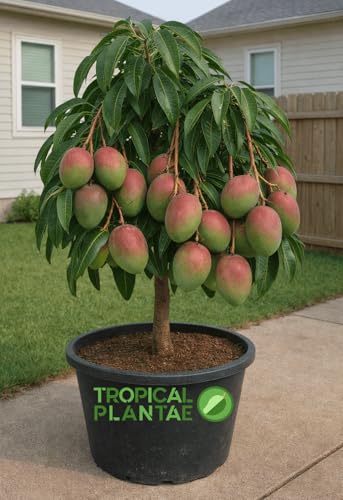
Imagine stepping outside your home and seeing a healthy mango tree growing stronger every season—one that doesn’t just decorate your yard, but adds real value to your daily life.

Imagine stepping into your backyard a few months from now and seeing a beautiful tropical tree growing stronger every day—your own Pineapple Mango tree, grafted to give you consistent, premium-quality fruit. You’re not just buying a plant. You’re creating a space that brings you joy, pride, and something to look forward to every single morning.

Product Quantity: 180+ premium bonsai fruit seeds across 5 varieties; Individual packs contain 40+ apple, 40+ lemon, 40+ orange, 20+ blueberry, and 40+ cherry seeds; Perfect for starting a diverse miniature orchard
Citrus Varieties
- Lemon: Popular for its tangy flavor, lemons enhance culinary dishes and beverages.
- Orange: Sweet and juicy, oranges provide delicious snacks and refreshing juice.
- Lime: Zesty and aromatic, limes add unique flavor to both sweet and savory dishes.
Stone Fruit Varieties
- Peach: Soft and sweet, peaches make excellent fresh snacks and desserts.
- Plum: Juicy and tart, plums yield tasty jams and jellies.
- Cherry: Bright and juicy, cherries are perfect for pies and eating fresh.
Pome Fruit Varieties
- Apple: Crunchy and versatile, apples can be eaten fresh or used in numerous recipes.
- Pear: Soft and fragrant, pears offer a delicate sweetness ideal for salads and desserts.
Berry Varieties
- Blueberry: Sweet and nutritious, blueberries are great for snacking and baking.
- Strawberry: Bright and sweet, strawberries thrive in sunny spots and attract pollinators.
- Raspberry: Tangy and vibrant, raspberries provide a burst of flavor in dishes and desserts.
- Compatibility: Choose varieties known to cross-pollinate effectively.
- Climate Suitability: Research which varieties grow best in your local climate.
- Mature Size: Consider the mature size of each variety to ensure proper spacing.
Selecting the right combinations enhances flavor diversity and promotes successful fruit production. Your fruit salad tree thrives best with carefully chosen varieties, maximizing your garden’s productivity and enjoyment.
Conclusion
Growing a fruit salad tree can transform your garden into a vibrant source of delicious fruits. You’ll enjoy the convenience of harvesting multiple varieties from a single tree while maximizing your space.
With careful selection of compatible fruits and proper care, you can create a dynamic garden that not only looks great but also attracts pollinators and promotes healthy growth. Imagine the joy of picking fresh peaches, apples, and lemons all from one tree.
Whether you’re a seasoned gardener or just starting out, a fruit salad tree is a fun and rewarding project that brings variety and flavor to your life. Get ready to enjoy the fruits of your labor in the most delightful way!
Frequently Asked Questions
What is a fruit salad tree?
A fruit salad tree is a unique gardening innovation that allows multiple types of fruit to grow on a single tree. It is created through grafting, where different fruit varieties are attached to a single healthy rootstock, providing a diverse harvest from one tree.
What are the benefits of a fruit salad tree?
Fruit salad trees maximize space by allowing the growth of various fruits without needing multiple trees. They also offer diverse flavors, aid in cross-pollination, enhance biodiversity, and can yield fruit throughout the growing season.
How do you select compatible fruit varieties for grafting?
Choose fruit varieties that are compatible regarding pollination needs and climate requirements. Research specific varietals within categories like citrus, stone fruits, pome fruits, and berries, ensuring that they can co-exist on the same tree and thrive in your environment.
What types of fruits can be grown on a fruit salad tree?
Common fruits for fruit salad trees include citrus (lemons, oranges), stone fruits (peaches, cherries), pome fruits (apples, pears), and berries (blueberries, strawberries). Select varieties based on compatibilities and local climate for best results.
How should a fruit salad tree be cared for?
Care for a fruit salad tree by planting it in well-draining soil in a sunny location, pruning in late winter, and thinning fruit clusters. Regular maintenance ensures healthy growth and optimal fruit production, keeping your tree productive for years.
Can I grow a fruit salad tree in a small garden?
Yes! Fruit salad trees are perfect for small gardens as they combine multiple fruit types into one tree, maximizing limited space while providing a variety of flavors and reducing maintenance efforts.
How does pruning benefit a fruit salad tree?
Pruning encourages healthy growth by removing unhealthy branches and thinning fruit clusters. This practice helps improve air circulation and light penetration, leading to better fruit production and overall tree health.
