

Have you ever found yourself wondering why your once vibrant kiwi plant is now struggling to survive? Picture this: you’ve put in the effort, watered it diligently, and yet, it seems to be fading away before your eyes. If you’re nodding along, you’re not alone. Many plant enthusiasts like yourself face the same dilemma.
In this article, you’ll uncover the common reasons behind a wilting kiwi plant. By understanding the potential causes of its decline, you’ll be equipped with the knowledge to revive your beloved green companion. Stay tuned to learn how to give your kiwi plant the care it truly deserves.
Key Takeaways
- Improper watering, poor drainage, nutrient deficiency, pests, improper pruning, environmental factors, and root issues are common reasons for kiwi plant decline.
- To revive a dying kiwi plant, check and adjust the watering routine, improve drainage, address nutrient deficiencies, combat pests and diseases promptly, follow proper pruning techniques, manage environmental conditions, and inspect root health regularly.
- Monitoring soil moisture, repotting in well-draining soil, using balanced fertilizers, treating pests and diseases promptly, pruning correctly, ensuring suitable environmental conditions, and inspecting roots for health issues are crucial steps in reviving a struggling kiwi plant.
- By identifying and addressing these issues promptly, you can give your kiwi plant the best chance of recovery and future growth.
Common Causes of Kiwi Plant Decline
When your kiwi plant starts to show signs of decline, it can be worrying. Understanding the common causes behind its deterioration can help you take the necessary steps to revive it. Here are some likely reasons why your kiwi plant is struggling:
Recommended Products

3-IN-1 PLANT CARE: 3-In-1 Insect, Disease & Plant Mite Control provides insect control, disease control, and plant mite control all in one; Rainproof protection starts in 4 hours and lasts up to 14 days

GNAT CONTROL FOR INDOOR PLANTS: This bundle includes our natural plant bug spray and 12 gnat sticky traps for plants; this powerful gnat spray for indoor plants kills fungus gnats, spider mites, and fruit flies; use it with our sticky traps for enhanced pest control, ensuring thorough coverage and effective elimination of bugs and pests in your home and garden; it's the perfect solution for getting rid of fruit fly and fungus gnats (please contact us if the traps are missing and we will send a replacement)
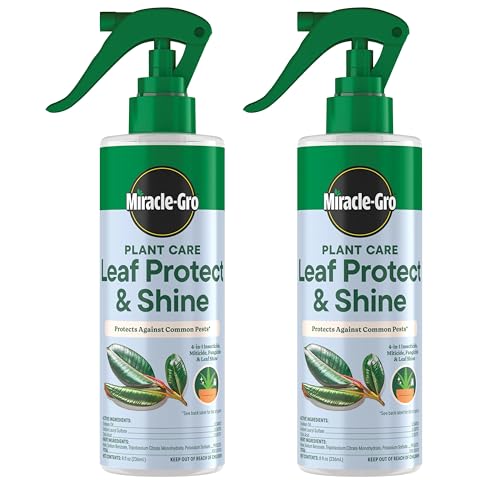
MULTI-PURPOSE PLANT SPRAY: Miracle-Gro Plant Care Leaf Protect & Shine plant spray helps plants in four ways by protecting against mites, insects, and disease control while also beautifying plants for houseplant care
Improper Watering:
Over-watering or under-watering your kiwi plant can both be detrimental. Excessive watering can lead to root rot, while insufficient watering can cause stress to the plant, affecting its overall health.
Poor Drainage:
Inadequate drainage in the soil can result in waterlogging, which deprives the roots of oxygen. This can weaken the plant and make it more susceptible to diseases.
Nutrient Deficiency:
Lack of essential nutrients like nitrogen, phosphorus, and potassium can hinder the growth of your kiwi plant. Ensure you’re using a balanced fertilizer to provide necessary nutrients.
Pests and Diseases:
Insects like aphids, mites, or diseases such as powdery mildew can attack kiwi plants, causing damage to leaves and affecting fruit production. Regular inspection and appropriate pest control measures are vital.
Improper Pruning:
Incorrect pruning techniques can stress the plant and impact its ability to develop healthy branches and fruit. Learn the correct way to prune your kiwi plant for optimal growth.
Environmental Factors:
Extreme temperatures, drafts, or inadequate light can all have adverse effects on your kiwi plant. Ensure it’s in a suitable environment with adequate sunlight and protection from harsh conditions.
Root Issues:
Issues with the roots, such as rot due to waterlogging or physical damage, can impede the plant’s ability to absorb nutrients. Check the roots regularly for any signs of decay.
By identifying and addressing these common causes of kiwi plant decline, you can give your plant the best chance of recovery and future growth. Remember to observe your plant regularly and make necessary adjustments to ensure its health and well-being.
Ways to Revive a Dying Kiwi Plant
Recommended Products

Trusted Since 2015: Become one of the many plant lovers who rely on the proven accuracy of XLUX. Established in 2015, our soil moisture meter has earned over 60,000+ verified ratings for its consistent performance. While many many newer brands come and go, we provide the long-term reliability and quality that American households have trusted for over a decade.

Accurate Soil Moisture Detection: The XLUX Soil Moisture Meter can tell you if the soil deep inside your pot or garden is dry, moist or wet; whereas your eyes and fingers can only determine the moisture level of the soil surface. The probe is 5.5 inches (14 cm) longer than regular styles, allowing it to measure the soil moisture at the bottom of larger and deeper flower pots.

【SAVE YOUR PLANTS】: Over watering can cause problems with your plants or even kill them. This soil moisture meter helps you know the soil is dry, moist or wet.No more over watering!
Check the Watering Routine
Review your watering schedule for your kiwi plant. If it’s wilting, it might be getting too much or too little water.
Actionable Tip:
Check the soil moisture by sticking your finger into the soil up to the first knuckle. Dry soil indicates the need for watering.
Evaluate the Drainage
Inadequate drainage can lead to waterlogged roots, causing your kiwi plant to wilt.
Practical Advice:
Repot your kiwi plant in well-draining soil mix to improve drainage and prevent root rot.
Assess Nutrient Levels
Nutrient deficiencies can contribute to your kiwi plant’s decline. Lack of essential nutrients like nitrogen, potassium, or magnesium can cause wilting.
Step-by-Step:
Feed your kiwi plant with a balanced fertilizer to replenish key nutrients and support its recovery.
Combat Pests and Diseases
Pests and diseases can weaken your kiwi plant, leading to wilting and deterioration.
Example:
Spider mites and powdery mildew are common issues that can affect kiwi plants. Treat these promptly to revive your plant.
Proper Pruning Technique
Incorrect pruning can stress the plant and affect its growth, leading to wilting.
Tip:
Prune dead or damaged branches with clean, sharp tools to encourage new growth and rejuvenate your kiwi plant.
Address Environmental Factors
Extreme temperatures, sunlight exposure, or humidity levels can impact the health of your kiwi plant.
Guidance:
Place your kiwi plant in a location with indirect sunlight and maintain consistent temperature and humidity levels for optimal growth.
Examine Root Health
Root problems, such as root bound conditions or damage, can inhibit the plant’s ability to absorb water and nutrients, causing wilting.
Checkpoint:
Inspect the roots for rot or overcrowding and consider repotting in a larger container if necessary to promote root health and revival.
By implementing these strategies, you can effectively revive your wilting kiwi plant and nurture it back to health.
Conclusion
You now have a comprehensive understanding of the factors that could be causing your kiwi plant to wither. By addressing issues like watering habits, drainage, nutrition, pests, diseases, pruning techniques, environmental influences, and root health, you can take proactive steps to revive your struggling plant. Remember to adjust your watering routine, improve drainage, monitor nutrient levels, tackle pests and diseases promptly, prune correctly, consider environmental conditions, and inspect root health regularly. With these insights, you can give your kiwi plant the care it needs to bounce back to health and thrive in your garden.
Frequently Asked Questions
What can cause a kiwi plant to wilt?
A kiwi plant can wilt due to factors like improper watering, poor drainage, nutrient deficiencies, pests, diseases, improper pruning, environmental conditions, and root problems.
How can I revive a wilting kiwi plant?
To revive a wilting kiwi plant, check the watering routine, evaluate drainage, assess nutrient levels, combat pests and diseases, use proper pruning techniques, address environmental factors, and examine root health. By addressing these factors, you can promote the plant’s overall well-being and help it recover.
