

Are you dreaming of a backyard filled with delicious fruit trees? If you live in zone 8a, you’re in luck! This climate offers a fantastic opportunity to grow a variety of fruit trees that thrive in warm temperatures and mild winters.
Key Takeaways
- Zone 8a Climate: This region features mild winters and warm summers, ideal for cultivating various fruit trees with an extended growing season of approximately 210 days.
- Popular Fruit Varieties: Stone fruits like peaches and plums, citrus fruits such as lemons and limes, and berries like blueberries and strawberries thrive in zone 8a conditions.
- Soil Preparation: Test soil pH before planting, aiming for a slightly acidic to neutral range (pH 6.0 to 7.0) and enrich it with compost to ensure healthy fruit tree growth.
- Effective Watering Techniques: Regularly water young fruit trees with 1 to 2 inches of water each week, prioritizing deep watering to promote strong root development.
- Pest Management Strategies: Monitor trees for pests, use physical barriers, and apply organic pest control methods to safeguard crops without harmful chemicals.
Overview Of Zone 8a Climate
Zone 8a features a temperate climate suitable for a variety of fruit trees. Winters in this zone are mild, with average minimum temperatures ranging from 10°F to 15°F (-12°C to -9°C). This allows many fruit trees to thrive without severe cold damage.
Summer in zone 8a is warm, often reaching daytime highs of 80°F to 95°F (27°C to 35°C). The growing season typically spans from late March to late November, offering ample time for fruit trees to mature.
Precipitation levels in zone 8a range from 30 to 50 inches (76 to 127 cm) annually, with rainfall well-distributed throughout the year. This consistent moisture supports healthy growth in fruit trees.
Here are some key characteristics of the zone 8a climate:
- Growing Season: Approximately 210 days, allowing for a wide range of fruit species.
- Frost-Free Days: About 180 days, which helps in developing fruits without freezing.
- Sunlight: Full sun exposure assists in the ripening of various fruits.
Consider these aspects when planning your fruit tree garden. Adapting to local conditions results in a successful and fruitful harvest.
Common Characteristics Of Zone 8a
Zone 8a features a climate that supports diverse fruit tree cultivation. Understanding its specific characteristics helps in selecting the right varieties for successful growth.
Temperature Range
Zone 8a experiences average minimum winter temperatures between 10°F and 15°F (-12°C to -9°C). Summer temperatures range from 80°F to 95°F (27°C to 35°C). These warm conditions allow fruit trees like figs and peaches to flourish, benefiting from the extended growing season. You can expect around 210 frost-free days, making it ideal for many popular fruit varieties.
Frost Dates
Frost-free dates typically occur from late March to late November in this zone. The first frost usually falls around mid-November, while the last frost arrives in early April. Knowing these dates aids in planning planting and harvesting schedules. For instance, consider planting early-blooming varieties like cherries after the last frost to avoid damage.
Best Fruit Trees For Zone 8a
Zone 8a provides an excellent environment for growing a variety of fruit trees. You can take advantage of the warm temperatures, mild winters, and ample rainfall to cultivate diverse selections. Below are some of the best fruit trees that flourish in this climate.
Recommended Products

Product Quantity: 180+ premium bonsai fruit seeds across 5 varieties; Individual packs contain 40+ apple, 40+ lemon, 40+ orange, 20+ blueberry, and 40+ cherry seeds; Perfect for starting a diverse miniature orchard

American Red Plum (Prunus americana): The American Red Plum is a common shrub or small tree, often found along roadsides. Fruits are yellow to red in color and used for jellies and jams. Found from Massachusetts to Manitoba, South to Georgia, New Mexico and Utah
Stone Fruits
Stone fruits thrive in zone 8a’s climate, offering delicious options for your garden. Popular choices include:
- Peaches: Varieties like ‘Redhaven’ and ‘Elberta’ produce sweet fruits. They require full sun and well-drained soil.
- Plums: ‘Santa Rosa’ and ‘Methley’ are reliable producers. These trees benefit from cross-pollination to enhance fruit yield.
- Cherries: Sweet varieties such as ‘Bing’ do well. Be mindful of late frosts, as they can damage early blooms.
Citrus Fruits
Citrus trees enjoy zone 8a’s warm summers. They’re not only fruitful but also provide fragrant blooms. Consider these varieties:
- Lemons: ‘Meyer’ lemons are perfect for cooking and drinks. They prefer well-drained soil with plenty of sunlight.
- Oranges: ‘Valencia’ and ‘Navel’ oranges are popular choices. Regular watering supports healthy growth and fruit production.
- Limes: ‘Persian’ limes thrive in warm conditions. They need protection from harsh winter storms.
Berries
Berries add variety and sweetness to your garden. They are relatively easy to grow in zone 8a. Recommended options include:
- Blueberries: Highbush varieties like ‘Bluecrop’ yield large crops. Plant in acidic soil for best results.
- Raspberries: Look for ‘Heritage’ or ‘Caroline’ varieties. They’re hardy and deliver reliable harvests.
- Strawberries: June-bearing types provide robust flavors. Ensure they receive full sun for optimum growth.
Tips For Successful Fruit Tree Cultivation
Growing fruit trees in zone 8a can be rewarding. Proper care ensures robust trees with delicious fruit.
Recommended Products
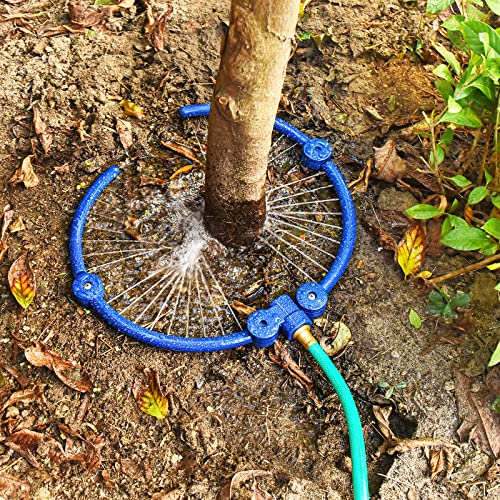
【Specially Designed for Trees and Shrubs】 The Watering Ring is a multi-purpose irrigation ring that attaches to a garden hose to efficiently water young trees shrubs vegetables or flower beds using drip or trickle irrigation.It directs water to the root perimeter of the plant to give them a good start during the first two growing seasons or through periods of drought.

✔️【20 Gallon Slow Release Tree Watering Ring/Bag】Holds up to 20 gallons of water and delivers a slow, even release over approximately 6–8 hours. Deep root watering helps reduce runoff, minimize evaporation, and support healthier tree establishment.

【Unique Design Deep Root Tree Watering Tool】 Our root watering tool have four exit hole for the water,won't got clogged easily,It made of stainless steel,not rusting from the inside out.It can leave in the soil and is strong enough to drive through gravel,help your plants build a strong root system .
Soil Preparation
Prepare the soil before planting fruit trees. Start by testing the pH level. Most fruit trees thrive in slightly acidic to neutral soil, around pH 6.0 to 7.0. Amend the soil as needed with compost or sulfur. Incorporate organic matter to enhance soil structure and fertility.
Dig a hole for each tree that is twice as wide as the root ball and as deep as the root ball itself. Loosen the soil at the bottom to promote root growth. Mix native soil with compost for optimal nutrition during the initial growth stage.
Watering Techniques
Water your fruit trees regularly, especially during dry spells. Use a deep watering technique, providing 1 to 2 inches of water each week. This encourages roots to grow deep into the soil, enhancing drought tolerance.
Apply mulch around the base of the tree to retain moisture and suppress weeds. Avoid watering the leaves to minimize disease risk. Water early in the morning or late in the afternoon to reduce evaporation.
Pest Management
Monitor fruit trees regularly for pests and diseases. Use barriers such as nets or row covers to protect young trees from insects and birds. Implement organic pest control methods, like introducing beneficial insects, including ladybugs and lacewings, to naturally combat pests.
Inspect leaves and fruits for signs of damage or disease. If pest issues arise, use insecticidal soap or neem oil as a targeted treatment. Always follow instructions on the product label for safe and effective application.
Conclusion
Growing fruit trees in zone 8a opens up a world of delicious possibilities. With the right varieties and care you can enjoy a bountiful harvest of sweet peaches juicy oranges and vibrant berries. Remember to keep an eye on your local frost dates and adapt your planting schedule accordingly.
By focusing on soil health proper watering and pest management you’ll set yourself up for success. So grab your gardening gloves and get ready to cultivate your own fruity paradise. Your taste buds will thank you!
Frequently Asked Questions
What climate conditions are found in zone 8a for fruit trees?
Zone 8a features mild winters with temperatures ranging from 10°F to 15°F (-12°C to -9°C) and warm summers with highs between 80°F to 95°F (27°C to 35°C). The growing season lasts about 210 days, making it suitable for a variety of fruit trees.
What are the best fruit trees to grow in zone 8a?
In zone 8a, ideal fruit trees include stone fruits like peaches, plums, and cherries, citrus varieties such as ‘Meyer’ lemons and ‘Valencia’ oranges, and berries like highbush blueberries, raspberries, and June-bearing strawberries.
When is the best time to plant fruit trees in zone 8a?
The best time to plant fruit trees in zone 8a is in late winter to early spring, after the last frost, typically around early April. This timing allows trees to establish roots before the growing season.
How can I prepare the soil for planting fruit trees?
For optimal fruit tree growth, prepare your soil with a pH level of 6.0 to 7.0. Incorporate organic matter to improve fertility and drainage, ensuring your trees have the right nutrients.
What watering techniques are recommended for fruit trees in zone 8a?
Deep watering is essential for fruit trees in zone 8a. Use mulch to retain moisture around the base of the trees and water deeply at least once a week to promote healthy root development.
How do I manage pests and diseases for my fruit trees?
Regularly monitor your fruit trees for pests and diseases. Consider using protective barriers, organic pest control methods, and maintaining overall tree health to reduce the risk of infestation.
What is the importance of understanding frost dates for fruit trees?
Knowing the last frost date in early April and the first frost date around mid-November helps you plan planting and harvesting schedules, especially for early-blooming varieties like cherries in zone 8a.
