

Have you ever wondered how long it takes to grow kiwi from seed? Imagine planting a tiny seed and watching it transform into a thriving kiwi vine right in your backyard. The process may seem mysterious, but with the right knowledge, you can successfully grow your own kiwi plant from scratch.
Key Takeaways
- Kiwi plants take about 3-4 weeks to germinate, 3-4 years to mature, and start bearing fruit, and require full sun for at least 6-8 hours daily.
- Proper watering, pruning, and fertilization are crucial for healthy kiwi plant growth and fruit production.
- Factors like seed quality, temperature, moisture, light, soil quality, and planting depth impact kiwi seed germination time.
- To improve germination, consider scarifying kiwi seeds by scratching the seed coat or soaking them in water overnight.
- Kiwi seed germination process involves seed preparation, planting in well-draining soil, maintaining optimal temperature and light conditions, and regular care and maintenance.
- Growing kiwis from seedling to fruit-bearing plants requires patience, with it taking 3-4 years for a kiwi plant to mature and produce fruits.
Exploring the Kiwi Plant Growth Timeline
Understanding how long it takes for a kiwi plant to grow from seed can be an exciting journey. Let’s delve into the growth timeline of a kiwi plant to give you a clear picture of what to expect.
Germination Stage:
After planting kiwi seeds, you’ll first notice tiny shoots emerging from the soil within 2-3 weeks. These early signs of growth indicate that the seed has successfully germinated.
Seedling Development:
Over the next 3-4 months, the seedlings will grow stronger, developing their first set of true leaves. At this stage, it’s crucial to ensure they receive adequate sunlight and water for healthy growth.
Vegetative Growth Phase:
During the first year, the kiwi plant will focus on establishing its roots and developing a robust framework of vines. This phase lasts for about 9-12 months, during which the plant grows vigorously.
Maturation and Fruit Bearing:
It takes patience for a kiwi plant to reach maturity. Typically, it will take about 3-4 years for the plant to mature and start bearing fruits. This period allows the plant to grow sufficiently to support fruit production.
Fruit Production:
Once the kiwi plant reaches maturity, it can produce fruits annually. The fruiting season generally begins in late summer to early fall, depending on the variety of kiwi you are growing. With proper care and maintenance, your kiwi plant can continue to bear fruits for years to come.
- Provide adequate sunlight: Kiwi plants thrive in full sun, so ensure they receive at least 6-8 hours of sunlight daily.
- Proper watering: Maintain moist soil conditions, especially during the growing season, to support healthy growth.
- Pruning: Regular pruning is essential to promote fruit production and airflow within the plant.
- Fertilization: Use a balanced fertilizer during the growing season to provide essential nutrients to the kiwi plant.
By following this growth timeline and incorporating the recommended tips, you can successfully grow a kiwi plant from seed and enjoy the process of nurturing it into a fruitful vine in your garden.
Factors Affecting Kiwi Seed Germination Time
When considering the time it takes for kiwi seeds to germinate, several factors come into play. Understanding these aspects can help you optimize the germination process and enhance the chances of successful kiwi plant growth from seed.
Recommended Products

IDEAL GERMINATION TEMPERATURE: The BN-LINK seedling heat mats for seed starting helps maintain temperatures around 70°F to 85°F, the optimal range for seed germination, cutting propagation, and healthy seedling growth. Achieve faster germination and higher growth rates with seed heating mat.

Reliable Results: The VIVOSUN professional heat mat maintains optimal temperatures around 68-86℉ (20-30℃), perfect for Seedling start and cutting propagation; Made from durable PVC material, it's designed to last
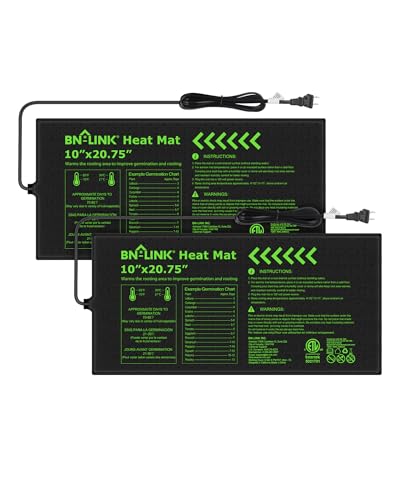
IDEAL GERMINATION TEMPERATURE: The BN-LINK seedling heat mats for seed starting helps maintain temperatures around 70°F to 85°F, the optimal range for seed germination, cutting propagation, and healthy seedling growth. Achieve faster germination and higher growth rates with seed heating mat.
1. Seed Quality:
- High-quality kiwi seeds tend to germinate faster than low-quality seeds. Ensure you obtain seeds from reputable suppliers or select seeds from healthy, mature kiwi fruits for the best results.
2. Temperature:
- Kiwi seeds germinate best when the temperature is consistently warm, ideally between 68-86°F (20-30°C). Fluctuations or extremes in temperature can slow down the germination process.
3. Moisture:
- Adequate moisture is essential for kiwi seed germination. Keep the growing medium consistently moist but not waterlogged to support the emergence of seedlings.
4. Light:
- While kiwi seeds do not require light to germinate, providing indirect light can help seedlings grow stronger once they emerge.
5. Soil Quality:
- Plant kiwi seeds in well-draining soil rich in organic matter to promote healthy root development and overall seedling growth.
6. Depth of Planting:
- Plant kiwi seeds at the right depth in the soil – typically about 1/2 inch to 1 inch (1.3-2.5 cm) deep – to ensure they receive adequate moisture and nutrients for germination.
- Some gardeners recommend scarifying kiwi seeds by lightly scratching the seed coat or soaking them in water overnight to help accelerate the germination process.
By paying attention to these factors and implementing best practices, you can improve the germination time of kiwi seeds and set the stage for successful growth of your kiwi plants from seed.
Kiwi Seed Germination Process
Understanding the Kiwi Seed Germination Process is essential for successfully growing kiwi plants from seed. The germination phase marks the beginning of your journey toward cultivating a fruitful kiwi vine in your garden. Here’s a breakdown of the key stages in the kiwi seed germination process:
Recommended Products

✓ Consistent & Uniform Heating: BN-LINK seedling heat mat for seed starting maintains temperatures around 70–85℉, creating ideal conditions for seed starter and cutting propagation, speeding up seed germination and accelerating seedlings growth. The advanced heating film with double insulation layers ensures even heat and prevents scorching roots.
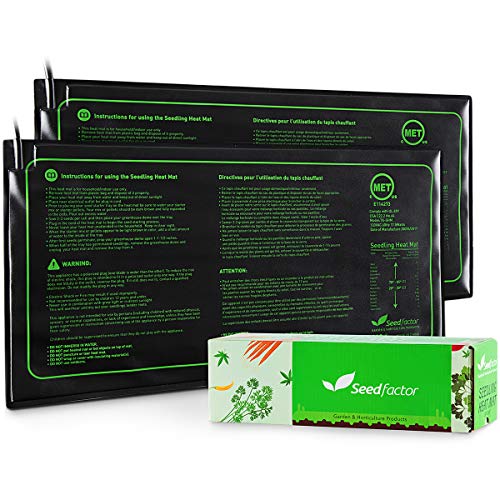
MET safety certified;Comply with UL 499;CSA C22.2 No.64

🌷【Fast and Reliable Seed Germination】The durable seedling hydroponic heating pad is designed to perfectly match the standard 1020 nursery tray. Whether it's winter frost or unpredictable weather, this heat mat for plants can provide your plants with stable and uniform heating at 70-85 ° F | (20-30 ° C), ensuring they grow faster and healthier under both warm and cold conditions. Seed warming mat very suitable for seed germination, micro vegetables, and hydroponic settings
Seed Preparation
Start by selecting high-quality kiwi seeds for optimal germination results. Ensure the seeds are fresh, as older seeds may have lower viability rates. To enhance germination success, consider scarifying the seed coat by gently rubbing it with sandpaper or soaking it in water for a few hours to break dormancy.
Planting and Soil Conditions
Plant the kiwi seeds in well-draining soil with a pH level between 5.5 and 7.0. Make sure the planting depth is shallow, burying the seeds just beneath the soil surface. Maintain consistent moisture levels without overwatering to prevent rotting.
Temperature and Light
Kiwi seeds require warmth to germinate efficiently. Keep the planting area at a consistent temperature of around 70-75°F (21-24°C) to support germination. Provide adequate sunlight or artificial light if germinating seeds indoors to stimulate growth.
Germination Timeline
After planting, kiwi seeds typically begin to sprout within 2-3 weeks under optimal conditions. Once the seeds germinate, monitor the growth of seedlings, which usually take 3-4 months to develop roots and young vines. The vegetative growth phase can last 9-12 months before transitioning to the maturation and fruit-bearing stage, which takes about 3-4 years.
Care and Maintenance
During the germination process, ensure the seedlings receive sufficient sunlight, water, and nutrients for healthy growth. Regularly check the moisture levels in the soil and adjust watering accordingly. Prune the young vines as needed to promote vigorous growth.
By following these guidelines for the Kiwi Seed Germination Process, you can kickstart your journey to growing vibrant kiwi plants from seeds. With proper care and attention to detail, you’ll soon witness the transformation of tiny seeds into thriving kiwi vines bearing delicious fruits in your garden.
Nurturing a Kiwi Plant from Seedling to Fruit
Recommended Products

Kindly NOTE: This soil tester can not be applied to test pH value of any other liquid. If the soil is too dry the indicator will not move, and water it before testing.
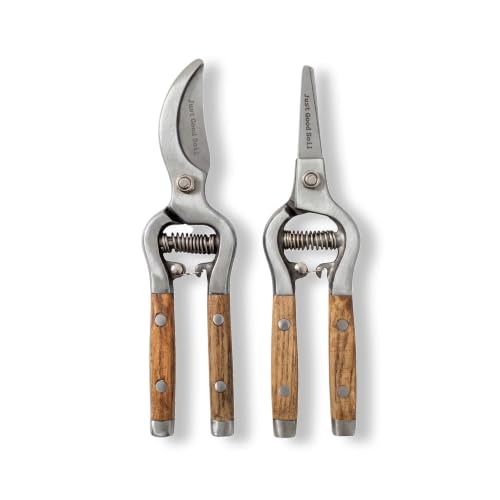
Bypass Pruner for Clean, Healthy Cuts – Our sharp and durable bypass pruning shears slice effortlessly through live stems and branches without crushing tissue, reducing plant stress, supporting faster healing, and making garden maintenance, rose pruning, and plant trimming easy.

Let Your Plants Thrive with Dack Root Feeder.It is one of the finest tool available for feeding and watering trees shrubs rose and other gardenplants.Root Feeding is the best method of guaranteeing that both fertilizer and water will reach the plants feeding zone.
Caring for growing Kiwi plants:
When nurturing a Kiwi plant from seedling to fruit, consistent care is essential. Here’s what you should focus on:
- Watering Frequency: You need to water your Kiwi plant regularly, especially during dry spells. Ensure the soil is consistently moist but not waterlogged.
- Sunlight Exposure: Kiwi plants thrive in full sun. Make sure your plant receives at least 6-8 hours of sunlight daily.
- Pruning: Regular pruning helps maintain the plant’s shape, encourages fruit production, and keeps the plant healthy. Prune in late winter or early spring before new growth appears.
- Fertilization: Kiwi plants benefit from a balanced fertilizer. Apply a slow-release fertilizer in spring and early summer to support growth and fruiting.
Patience is Key:
Growing Kiwis from seed to fruit-bearing plants requires patience. It typically takes 3-4 years for a Kiwi plant to mature and start producing fruit.
Harvesting Kiwi Fruits:
Once your Kiwi plant starts bearing fruit, you’ll need to know when and how to harvest them:
- Harvest Time: Kiwis are ready for harvest in late fall or early winter when the fruits are firm to touch and slightly sweet.
- Harvesting Technique: To harvest, gently twist the fruit until it breaks off from the vine. Be careful not to damage the fruit or the plant.
Protecting Your Kiwi Plant:
Remember to protect your Kiwi plant from extreme weather conditions, pests, and diseases. Keeping an eye on your plant’s health and addressing any issues promptly will help ensure a bountiful harvest each year.
Growing Kiwis can be a rewarding experience, and with proper care and attention, you can enjoy delicious homegrown fruits from your very own garden.
Conclusion
Growing kiwi from seed is a rewarding journey that requires patience and dedication. From the initial germination stage to the eventual fruit-bearing phase, each step in the growth process contributes to the development of a healthy and fruitful kiwi vine. By understanding the growth timeline and implementing proper care techniques such as watering, pruning, and fertilization, you can support the optimal growth of your kiwi plants. Remember, factors like sunlight exposure, soil quality, and seed quality play crucial roles in the germination process. With the right knowledge and care, you can enjoy a bountiful harvest of delicious kiwis year after year. Happy gardening!
Frequently Asked Questions
How long does it take for a kiwi plant to bear fruit?
It takes about 3-4 years for a kiwi plant to mature and start bearing fruit.
What factors influence kiwi seed germination time?
Key factors affecting kiwi seed germination time include seed quality, temperature, moisture, light exposure, soil quality, and correct planting depth.
What are the essential care tips for growing kiwi plants?
Essential care tips for growing kiwi plants include regular watering, adequate sunlight exposure, proper pruning, timely fertilization, and the patience required for fruit-bearing.
How can I protect my kiwi plants from pests and diseases?
To protect kiwi plants from pests and diseases, use organic pest control methods, monitor plant health regularly, and ensure proper airflow to prevent common diseases.
