

Have you ever wondered what fruit trees can thrive in Minnesota’s unique climate? With its cold winters and warm summers, growing fruit trees might seem challenging, but it’s definitely possible. Imagine stepping into your backyard and picking fresh apples or cherries right off the tree.
This article will guide you through the best fruit trees suited for Minnesota’s weather. You’ll discover which varieties are hardy and how to care for them, so you can enjoy delicious homegrown fruit. Whether you’re a seasoned gardener or just starting out, you’ll find valuable tips to help you cultivate your own little orchard.
Key Takeaways
- Suitable Fruit Varieties: Apple, cherry, pear, plum, and specific peach varieties are well-adapted to Minnesota’s climate and can thrive with proper care.
- Essential Growing Conditions: Utilize well-draining soil, ensure at least 6-8 hours of sunlight daily, and maintain consistent watering to promote healthy tree growth.
- Winter Protection Practices: Insulate young trees with burlap or mulch during harsh winters to protect roots and trunks from extreme cold.
- Regular Pruning: Pruning in late winter is crucial for shaping trees, enhancing fruit quality, and removing dead or diseased branches.
- Community Resources: Utilize local extension services and community gardening programs for tailored advice, support, and shared gardening experiences.
Overview Of Fruit Trees In Minnesota
Minnesota’s climate offers unique challenges and opportunities for fruit tree gardening. The state experiences cold winters and warm summers, making it essential to choose hardy fruit tree varieties that can withstand these conditions.
Common Fruit Trees in Minnesota
- Apple Trees: Apple trees thrive in Minnesota, with many varieties developed specifically for the region. Popular options include Honeycrisp and State Fair, known for their crisp texture and sweet flavor.
- Cherry Trees: Tart cherries, like Montmorency, perform well in cooler regions. They provide excellent fruit for pies and preserves.
- Pear Trees: European and Asian pear trees can flourish in Minnesota. Varieties such as Autumn Favorite and Korean Giant offer delicious fruit and robust disease resistance.
- Plum Trees: Cold-hardy plum trees, like the Pembina, produce sweet fruit that ripens in late summer.
- Peach Trees: Certain peach varieties, including Reliance and Contender, are adapted to Minnesota’s climate. These trees yield juicy peaches with proper care.
Growing Considerations
- Soil Type: Well-draining soil promotes healthy growth. Conduct a soil test to determine pH levels and nutrient content.
- Sunlight Requirements: Aim for at least 6-8 hours of direct sunlight daily. Position trees in sunny locations for optimal fruit production.
- Watering Needs: Newly planted trees require consistent moisture. Deep watering encourages strong root development, especially during dry spells.
- Winter Protection: Wrap young trees with burlap or use mulch to insulate roots during harsh winters.
- Pruning: Regular pruning shapes growth and enhances fruit quality. Perform pruning in late winter or early spring before new growth begins.
- Extension Services: Check with local extension services for advice specific to your area. They offer workshops, soil testing, and pest management.
- Community Garden Programs: Join community gardening programs for hands-on experience and shared knowledge from fellow gardeners.
You’re now equipped with the fundamentals of growing fruit trees in Minnesota. Selecting the right tree variety and following best practices will lead to fruitful harvests.
Popular Fruit Trees For Minnesota Gardens
Many gardeners in Minnesota enjoy cultivating fruit trees that thrive in the region’s climate. Several varieties flourish, producing delicious fruits while withstanding cold winters and warm summers.
Recommended Products

Complete Orchard Starter Bundle: Receive 8 dormant bare root fruit trees with 2 each of Apple,Blueberry, Raspberry, Blackberry. A great way to start or expand a backyard orchard with a variety of delicious fruits.


Live Fruit-Bearing Apple Tree – Produces extra-large, red-blushed apples with a mildly sweet, tart flavor and tender flesh, perfect for baking, applesauce, and cider-making
Apple Trees
Apple trees thrive in Minnesota, producing various apples for fresh eating or baking. Recommended varieties include:
- Honeycrisp: Known for its sweet-tart flavor and crisp texture, this variety is a favorite among gardeners and consumers.
- State Fair: This early-season apple boasts a balanced taste and is great for pies, applesauce, or fresh eating.
Plant apple trees in well-draining soil with ample sunlight. Space trees at least 20 feet apart for adequate air circulation. Prune during late winter to enhance fruit quality and keep trees healthy.
Cherry Trees
Cherry trees bring vibrant blooms and delicious fruit to Minnesota gardens. You can choose from:
- Montmorency: This tart cherry variety produces bright red fruits ideal for pies and preserves.
- North Star: A semi-dwarf sweet cherry tree that works well in limited spaces, offering lush, juicy cherries in mid-summer.
Cherry trees prefer full sun and well-draining soil. They need consistent watering, especially during fruit development. Protect them during winter by covering the base with mulch to insulate roots.
Pear Trees
Pear trees add a unique touch to your garden and offer great-tasting fruit. Consider these options:
- Autumn Favorite: This variety yields sweet, juicy fruit that’s perfect for fresh eating and canning.
- Korean Giant: Known for its large, crisp pears, this tree thrives in colder climates.
Provide these trees with full sun and well-drained soil. Space pear trees about 15-20 feet apart to ensure proper growth. Regular pruning during dormancy promotes better airflow and fruit production.
Lesser-Known Fruit Trees For Minnesota
While common fruit trees thrive in Minnesota, some lesser-known varieties also flourish in the state’s unique climate. Exploring these options can enhance your orchard diversity and yield unique flavors.
Recommended Products

Shipping Restrictions: Due to agricultural laws, we cannot ship to California, Arizona, Alaska, or Hawaii; orders will be cancelled if you ship to one of these states

Due to agricultural laws, we Cannot Ship to CA, AZ, AK, or HI - orders will be refunded if you ship to one of these states

For sale is an American Plum tree that is approximately 6-12 inches tall
Plum Trees
Plum trees adapt well to Minnesota’s cold winters. Varieties like Pembina and Brookgold offer hardiness and resilience. Pembina produces sweet, dark purple fruit, while Brookgold yields yellow fruit with a sweet flavor.
- Spacing: Space plum trees about 15 to 20 feet apart. This distance ensures proper airflow and sunlight penetration.
- Watering: Consistent watering during the growing season promotes healthy growth. Aim for about 1 inch of water weekly.
- Pruning: Prune plum trees in late winter to shape the tree and remove dead or diseased branches.
Peach Trees
Peach trees thrive in sheltered locations, making varieties such as Reliance and Contender ideal for Minnesota’s climate. Reliance is known for its cold hardiness, while Contender produces sweet, juicy peaches.
- Spacing: Plant peach trees 15 to 20 feet apart for optimal growth. Adequate spacing improves air circulation and reduces disease risks.
- Winter Protection: Cover peach trees with burlap or mulch in winter to protect against extreme cold.
- Pruning: Regular pruning in late winter fosters strong branches and improves fruit production.
Growing lesser-known fruit trees like plums and peaches adds variety to your harvest. By following these tips, you can cultivate healthy trees that thrive in Minnesota’s climate.
Tips For Growing Fruit Trees In Minnesota
Growing fruit trees in Minnesota requires specific strategies to adapt to the climate. Use these tips to ensure your trees thrive.
Recommended Products

The Large plant cover is perfect for Plant size 55''-70"high and 84''-94" round, Heavy-weight FRCs (1.77oz./sq. yard): usually used to extend the growing season in spring and fall, allow 40%-60% light transmittance, and recommend 3°-8°F of freeze protection

Extra Thick Tree and Plant Covers for Winter: Scrubits Frost Blankets for outdoor plants and Trees will ensure that your Trees and large plants not only survive the winter but thrive and grow to blossom. With its extra thick fabric and long-lasting material, you can be confident about next year's harvest.
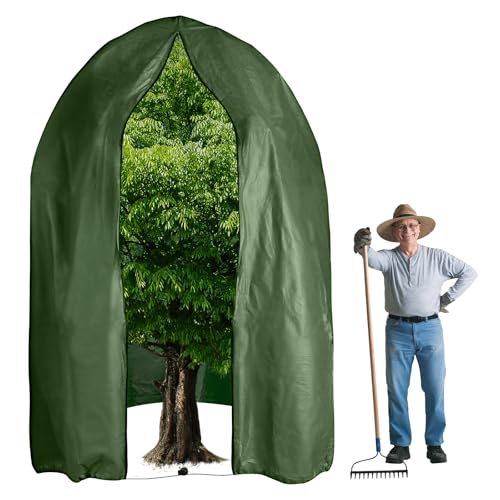
Extra Large Size:Our winter plant covers are designed with a super large size,It is about 110"x79", which is large enough to fit the plants easily, suit for protecting large plants and provides better protection from wind,snow,ice frost damage
Best Planting Practices
- Choose Hardy Varieties: Select fruit tree varieties suited for Minnesota’s climate, such as Honeycrisp apples and Montmorency cherries.
- Plant at the Right Time: Early spring or late fall are the best seasons for planting. Soil temperature should be at least 50°F.
- Prepare the Soil: Ensure your planting site has well-draining soil. Mix organic matter or compost to improve soil quality.
- Space Properly: For apples, provide 20 feet between trees. For pears and plums, allow 15-20 feet apart to ensure good air circulation.
- Water Adequately: Water thoroughly after planting. Keep the soil consistently moist but not soggy during the first growing season.
- Insulate with Mulch: Apply a layer of mulch around the base of your trees. This helps retain soil moisture and protects roots from freezing.
- Wrap Young Trees: Use tree wrap to shield young trunks from extreme cold and sunscald. Remove it in spring to prevent moisture buildup.
- Choose Protected Spots: Plant trees in areas that offer natural windbreaks, such as near buildings or other trees. This reduces cold wind exposure.
- Cover During Frost: When frost is forecasted, cover trees with row covers or blankets to trap heat. Remove covers during the day to allow sunlight.
- Prune Wisely: Prune trees in late winter. Avoid cutting branches that could bleed sap in warmer temperatures.
Implement these practices to enhance the success of your fruit trees in Minnesota’s unique environment.
Conclusion
Growing fruit trees in Minnesota can be a rewarding experience. With the right varieties and care, you can enjoy a bountiful harvest right from your backyard. Whether you’re planting classic apple trees or exploring the delicious flavors of plums and peaches, there’s a fruit tree for every gardener.
Don’t forget to consider local resources and community programs to enhance your gardening journey. With a little patience and the right techniques, you’ll be well on your way to cultivating a thriving orchard that brings joy and fresh fruit for years to come. Happy planting!
Frequently Asked Questions
What are the best fruit trees to grow in Minnesota?
Apple trees (like Honeycrisp), tart cherries (Montmorency), and cold-hardy plums (Pembina) are excellent choices. Asian and European pears (Autumn Favorite, Korean Giant) and certain peaches (Reliance, Contender) also thrive in Minnesota’s climate.
How should I care for fruit trees in Minnesota?
Ensure they have well-draining soil, receive 6-8 hours of sunlight daily, and provide consistent watering. Employ winter protection, regular pruning, and follow specific spacing guidelines for each variety.
What is the recommended spacing for planting fruit trees?
Apple trees should be spaced 20 feet apart, while pear trees require 15-20 feet. Peach and plum trees also need similar spacing for optimal growth and air circulation.
When is the best time to plant fruit trees in Minnesota?
The ideal times to plant fruit trees in Minnesota are early spring or late fall. This timing allows trees to establish roots before winter or the growing season.
How can I protect my fruit trees during winter?
Insulate young trees with mulch and wrap them for protection against harsh winds and cold. Choose sheltered planting spots to minimize exposure and cover them during frost to safeguard delicate buds.
Can I grow lesser-known fruit trees in Minnesota?
Yes, lesser-known varieties like Brookgold plums and Reliance peaches can thrive in Minnesota. They are selected for their hardiness and flavor, making them great additions to your orchard.
Where can I get more help with growing fruit trees in Minnesota?
Utilize local extension services for tailored advice, and participate in community gardening programs to gain insights and share experiences with fellow gardeners.
