

Ever thought about growing your own fruit trees in Minnesota? With the right choices, you can enjoy fresh apples, cherries, and more right from your backyard. But not every tree thrives in the chilly climate and short growing season of the North Star State.
Key Takeaways
- Minnesota’s cold climate necessitates choosing hardy fruit tree varieties such as apple, cherry, and plum that can withstand temperatures as low as -30°F.
- Soil quality is crucial; ensure well-drained soil enriched with organic matter to support healthy tree growth and fruit production.
- Full sunlight exposure (at least 6-8 hours daily) is essential for fruit trees, influencing fruit development and flavor quality.
- Lesser-known fruit trees like serviceberry and elderberry can enhance biodiversity in Minnesota gardens, offering unique culinary options.
- Regular maintenance, including annual pruning and consistent watering, is vital for healthy trees and maximized yields.
- Effective pest management practices, including monitoring and using natural predators, help protect fruit trees and ensure a successful harvest.
Overview Of Minnesota’s Climate
Minnesota’s climate features distinct seasons, with cold winters and warm summers. Temperatures can drop below zero Fahrenheit, so fruit trees must be hardy. The growing season stretches from late spring to early fall, typically lasting between 120 to 160 days. This short season requires selecting varieties that mature quickly.
Soil types vary across the state, with sandy loam being common in many areas. Good drainage is essential for fruit trees. You can improve soil quality by adding organic matter, like compost. This enhances nutrients and water retention.
Rainfall in Minnesota averages around 30 to 35 inches per year, mostly falling during the growing season. Consistent watering, especially in dry spells, supports healthy tree growth. Utilize mulch to retain moisture and suppress weeds around the base of your trees.
Choose fruit trees that can withstand cold winters and prefer full sunlight. Look into apple, cherry, and plum trees specific to cold-hardiness zones 3 to 4. Local nurseries often stock varieties well-suited for Minnesota’s conditions, simplifying your selection process.
Best Fruit Trees For Minnesota
Choosing the right fruit trees for Minnesota ensures a bountiful harvest. Focus on varieties that thrive in the cold climate for the best results.
Recommended Products


Easy to Grow – Requires minimal care and thrives in full sun or partial shade

🍇 Sweet, Medium-Sized Figs – Rich flavor with glossy dark purple skin and vibrant interior.
Apple Trees
Apple trees suit Minnesota’s climate well. Look for hardy varieties like Honeycrisp, Haralson, and Fireside. These trees handle temperatures as low as -30°F. Plant them in well-drained soil, ideally with full sun exposure. Prune annually for healthy growth and better fruit yield. Regular watering during dry spells helps maintain fruit quality.
Pear Trees
Pear trees also thrive in Minnesota, with varieties like Summercrisp and Golden Spice performing best. These trees are cold-hardy and often tolerate temperatures down to -25°F. Ensure good air circulation by spacing them properly. Fertilize in early spring to boost growth and fruit production. Mulch around the base retains moisture and protects roots during winter.
Plum Trees
Plum trees like the Toka and Pembina are excellent choices for Minnesota gardeners. They’re adapted to colder climates, withstanding lows of -20°F. Site them in a sunny location to promote optimal fruit set. Thin the fruit in early summer for larger plums. Regular watering, especially during the fruit-growing season, promotes healthier trees.
Cherry Trees
Cherry trees, particularly the Meteor and North Star varieties, flourish in Minnesota. They withstand cold temperatures and require full sun for best results. Prune each spring to shape the tree and encourage air circulation. Water consistently during dry weeks to enhance fruit flavor and quality. Be cautious of birds; netting helps protect your cherry crop from feathered thieves.
Lesser-Known Fruit Trees
You can diversify your backyard orchard with lesser-known fruit trees that thrive in Minnesota’s climate. These trees not only offer unique flavors but also add visual interest to your landscape.
Recommended Products

IMMUNE & DIGESTIVE SUPPORT Support your immune system and ease digestion with Sweet’s Elderberry Shrub. Packed with 1,440 mg of elderberry per tablespoon, this organic infusion is perfect for overall wellness and digestive comfort.

Suitable for USDA Zones 3–8 outdoors

Serviceberry Tree Live Plant 6 to 12 Inches Tall, Serviceberry Plant Live For Planting Serviceberry Bush Shrub
Serviceberry
Serviceberry, also known as Amelanchier, produces small, sweet berries that resemble blueberries. These trees mature to heights of 15 to 25 feet and thrive in full sunlight and well-drained soil. They bloom with stunning white flowers in spring, followed by red to purple berries in summer. Berries ripen in late June to early July and can be eaten fresh, used in jams, or added to desserts. Plant serviceberries in clusters to encourage cross-pollination, enhancing berry production.
Elderberry
Elderberry, or Sambucus, is a hardy plant with clusters of dark berries packed with antioxidants. These shrubs can grow anywhere from 5 to 12 feet tall, preferring moist, well-drained soil and full sun to partial shade. Elderberries ripen in late summer and can be used for syrups, jams, or wine. It’s crucial to cook elderberries before consumption, as raw berries can be toxic. Prune elderberry shrubs annually to promote healthy growth and increased berry yield.
Both serviceberry and elderberry add unique flavors and resilience to Minnesota gardens, providing additional harvests in your fruit tree collection. Incorporating these trees can enhance biodiversity and offer exciting culinary opportunities.
Considerations For Planting Fruit Trees
Growing fruit trees in Minnesota requires careful planning. Understanding soil conditions, sunlight requirements, and pest management ensures healthy, productive trees.
Recommended Products

Control diseases and insects in your garden with Captain Jack’s Fruit Tree Spray Concentrate! Use on a variety of listed fruits, nuts and citrus plants.

Control diseases and insects in your garden with Captain Jack’s Fruit Tree Spray Concentrate! Use on a variety of listed fruits, nuts and citrus plants.
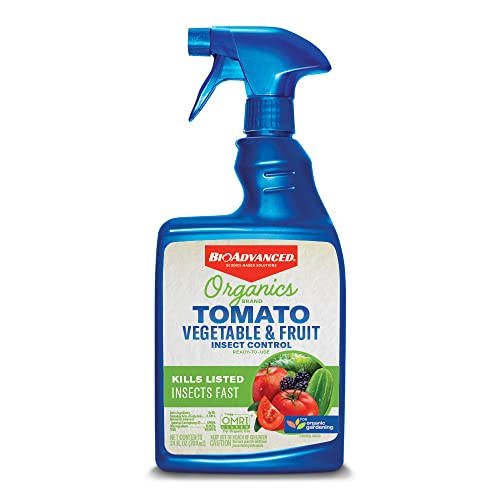
KILLS LISTED INSECTS THROUGH CONTACT: Spinosad-based formula controls aphids, caterpillars, mealybugs, spider mites, thrips, and 30 listed pests on edible and ornamental plants
Soil Conditions
Soil quality significantly impacts fruit tree growth. Aim for well-drained soil that retains moisture without becoming waterlogged. Conduct a soil test to evaluate pH levels, aiming for a range of 6.0 to 7.0. If your soil is too acidic, add lime to raise pH. Incorporate organic matter like compost to improve nutrient content and drainage. Raised beds might work well if your soil has poor drainage.
Sunlight Requirements
Fruit trees thrive in full sunlight, needing at least six to eight hours of direct sun daily. When choosing a planting location, observe how sunlight moves across your yard during the day. Avoid shaded areas caused by buildings, fences, or other trees. Proper sunlight exposure aids in fruit development and enhances flavors, leading to a more bountiful harvest.
Pest Management
Managing pests effectively protects your trees and maximizes yields. Start by monitoring for common pests such as aphids, borers, and fruit flies. Using traps can help identify problem areas. Regularly inspect your trees for signs of disease or pest damage. Natural predators, like ladybugs and lacewings, can aid in keeping pest populations down. Consider organic treatments and insecticidal soaps as a last resort, selecting those that won’t harm beneficial insects. Consistent maintenance and observation minimize infestations and promote healthy growth.
Conclusion
Growing fruit trees in Minnesota can be a rewarding experience that brings fresh flavors right to your backyard. By choosing the right varieties and paying attention to their specific needs you can enjoy bountiful harvests even in a challenging climate.
Remember to focus on soil quality sunlight exposure and proper maintenance to ensure your trees thrive. With a little patience and care you’ll soon find yourself savoring the delicious fruits of your labor. So get out there plant some trees and embrace the joy of homegrown fruit!
Frequently Asked Questions
Can I grow fruit trees in Minnesota?
Yes, you can grow fruit trees in Minnesota. However, it’s essential to choose cold-hardy varieties that can withstand harsh winters and thrive in the state’s short growing season.
What types of fruit trees are best for Minnesota’s climate?
Best fruit trees for Minnesota include apple trees (Honeycrisp, Haralson), pear trees (Summercrisp), plum trees (Toka), and cherry trees (Meteor). These varieties are known for their cold tolerance.
How long is the growing season in Minnesota?
The growing season in Minnesota lasts between 120 to 160 days, which requires selecting quick-maturing fruit tree varieties to ensure successful harvests.
What soil conditions are needed for fruit trees?
Fruit trees require well-drained soil that retains moisture. It’s advisable to conduct a soil test for pH levels, aiming for a range of 6.0 to 7.0 to support healthy growth.
How much sunlight do fruit trees need?
Fruit trees need at least six to eight hours of direct sunlight daily. Planting them in areas with full sun helps promote healthier fruit development.
What are some lesser-known fruit trees that thrive in Minnesota?
Lesser-known fruit trees include serviceberry, which produces sweet berries and blooms beautifully, and elderberry, known for its antioxidant-rich berries. Both thrive well in Minnesota’s climate.
How should I care for my fruit trees?
Caring for fruit trees includes regular watering, annual pruning, ensuring good air circulation, and monitoring for pests. Mulching can also help retain moisture.
What is the best way to manage pests on fruit trees?
Effective pest management includes monitoring for common pests, using traps, and considering natural predators. Organic treatments can also be beneficial for protecting trees and maximizing yields.
