

Have you ever wondered why grapefruit trees shed their leaves in winter? Picture this: it’s the coldest season, and your grapefruit tree starts dropping its leaves, leaving you puzzled. In this article, we’ll explore the reasons behind this natural phenomenon and what you can do to support your tree through the winter months.
Understanding why grapefruit trees lose their leaves in winter can help you care for your tree effectively. By uncovering the secrets behind this seasonal change, you’ll be better equipped to nurture your tree and ensure its health and vitality. Stay tuned to discover the fascinating insights into the behavior of grapefruit trees during the winter season.
Key Takeaways
- Grapefruit trees may shed their leaves in winter to conserve energy and nutrients due to reduced sunlight and lower temperatures.
- Leaf loss in winter is a natural process that allows the tree to focus on root growth and prepare for the upcoming growing season.
- Factors influencing leaf loss include temperature fluctuations, daylight duration, root growth prioritization, water availability, and hormonal responses.
- Signs of leaf loss in grapefruit trees include visible leaf drop, yellowing leaves, thinning canopy, increased exposure of branches, and reduced fruit presence.
- To protect grapefruit trees from excessive leaf loss in winter, monitor temperature changes, ensure proper watering, shield from harsh winds, prune wisely, apply organic mulch, provide adequate nutrition, monitor pest infestations, and consider indoor protection in severe winter conditions.
Overview of Grapefruit Trees
Understanding grapefruit trees and their behavior during the winter season is crucial for their well-being. Let’s delve into the characteristics and requirements of these trees to help you care for them effectively.
Grapefruit Tree Characteristics:
Grapefruit trees are evergreen plants, meaning they usually retain their leaves throughout the year. However, it’s not uncommon for grapefruit trees to shed some leaves during the winter months. This natural process serves a vital purpose in the tree’s growth cycle.
Reasons for Leaf Loss:
During winter, grapefruit trees may shed their leaves as a strategy to conserve energy and nutrients. The reduced sunlight and lower temperatures can limit the tree’s ability to photosynthesize efficiently. By dropping leaves, the tree minimizes water loss and focuses its resources on maintaining essential functions for survival.
Impact on Tree Health:
While leaf loss in winter may seem concerning, it is typically a normal and beneficial occurrence for grapefruit trees. Shedding leaves allows the tree to redirect its resources to support root growth and prepare for the upcoming growing season. This process is essential for the tree’s long-term health and productivity.
Winter Care Tips:
To support your grapefruit tree during the winter months, ensure proper pruning to remove diseased or damaged branches. Apply a layer of mulch around the base of the tree to help regulate soil temperature and moisture levels. Additionally, consider providing adequate frost protection during cold snaps to safeguard the tree from winter damage.
Conclusion:
Understanding why grapefruit trees lose leaves in winter equips you with the knowledge to care for these trees effectively. By recognizing this natural behavior as part of the tree’s life cycle, you can provide the necessary support to help it thrive in every season.
Factors Affecting Leaf Loss in Grapefruit Trees
Understanding the factors that influence leaf loss in grapefruit trees can help you care for your trees effectively throughout the winter season.
1. Temperature Fluctuations
During winter, the fluctuating temperatures can signal grapefruit trees to shed their leaves as a protective mechanism. When temperatures drop significantly, the trees may drop their leaves to conserve energy and reduce water loss through transpiration.
2. Daylight Duration
Shorter daylight hours in winter impact grapefruit trees’ photosynthesis process. Reduced sunlight signals the trees to shed leaves to balance energy intake and output. This shedding aids in maintaining the tree’s health during the lower light conditions.
3. Root Growth Prioritization
Winter leaf loss allows grapefruit trees to divert resources towards root growth rather than sustaining foliage. By shedding leaves, the trees allocate energy resources towards strengthening their root systems for improved nutrient uptake and anchorage in preparation for the upcoming growing season.
4. Water Availability
Dry winter conditions can lead to moisture stress in grapefruit trees, prompting leaf shedding to minimize water loss through transpiration. By reducing the number of leaves, the trees can better regulate their water usage and maintain overall hydration levels.
5. Hormonal Responses
Internal hormonal changes triggered by environmental cues play a vital role in grapefruit trees shedding their leaves. Hormones signal the trees to enter dormancy, causing leaf abscission and facilitating the tree’s adaptation to winter conditions.
Understanding these factors influencing leaf loss in grapefruit trees can guide your winter care practices and help you support your trees’ health during the colder months. By being aware of these natural processes, you can ensure that your grapefruit trees thrive and prepare for a successful growing season ahead.
Recommended Products

The Large plant cover is perfect for Plant size 55''-70"high and 84''-94" round, Heavy-weight FRCs (1.77oz./sq. yard): usually used to extend the growing season in spring and fall, allow 40%-60% light transmittance, and recommend 3°-8°F of freeze protection

Extra Thick Tree and Plant Covers for Winter: Scrubits Frost Blankets for outdoor plants and Trees will ensure that your Trees and large plants not only survive the winter but thrive and grow to blossom. With its extra thick fabric and long-lasting material, you can be confident about next year's harvest.

Signs and Symptoms of Leaf Loss in Grapefruit Trees
As temperatures drop during winter, grapefruit trees might exhibit signs and symptoms of leaf loss. Understanding these indicators can help you care for your trees effectively during the colder months.
Recommended Products

Nourishing lip butter instantly locks in moisture for pillow-soft lips


BOUNCY & BRILLIANT: A hydrating conditioner for dry hair that makes it look & feel thicker without weighing it down? Get a thickening, moisturizing conditioner for fine hair & love your locks!
Visible Leaf Drop
You may notice grapefruit trees losing leaves during winter. This shedding is a natural response to the changing environmental conditions. Don’t be alarmed if you see a gradual decline in the number of leaves on your grapefruit tree.
Yellowing Leaves
Before the leaves drop off, they may turn yellow. This discoloration is a common precursor to leaf loss in grapefruit trees. Keep an eye out for yellow leaves as a sign that your tree is preparing for its winter dormancy period.
Thinning Canopy
As leaf loss occurs, you might observe a thinning canopy on your grapefruit tree. The reduced foliage is a result of the tree’s adaptation to winter conditions. A sparser canopy allows the tree to conserve energy and resources until the arrival of warmer weather.
Increased Exposure of Branches
With the gradual shedding of leaves, the branches of grapefruit trees may become more exposed. This exposure is a natural part of the winter cycle for citrus trees. The bare branches are a temporary state as the tree readies itself for the upcoming growing season.
Reduced Fruit Presence
During the leaf loss process, you may also notice a decrease in the number of fruits on your grapefruit tree. This reduction in fruit production is a normal response to winter conditions as the tree prioritizes resource allocation for essential functions.
Conclusion
Recognizing the signs and symptoms of leaf loss in grapefruit trees is an essential aspect of winter tree care. By understanding these indicators, you can provide the necessary support to ensure your grapefruit trees remain healthy and ready for a successful growing season ahead.
How to Protect Grapefruit Trees from Excessive Leaf Loss in Winter
To care for your grapefruit trees and prevent excessive leaf loss during winter, consider the following tips:
Recommended Products

The small plant cover is perfect for Plant size 16''-23"high and 36''-46" round, Heavy-weight FRCs (1.77oz./sq. yard): usually used to extend the growing season in spring and fall, allow 40%-60% light transmittance, and recommend 3°-8°F of freeze protection
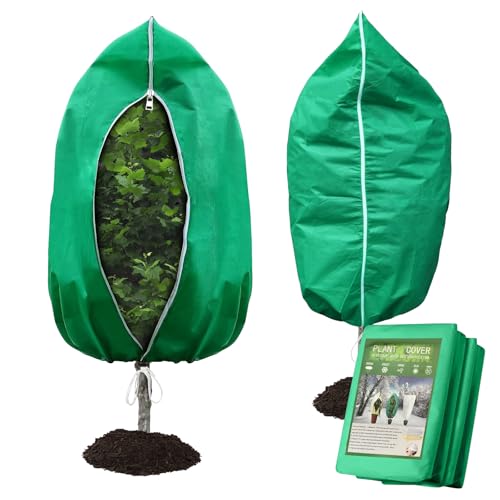
🔸 [Extra-Large 120" × 120" Coverage for Large Plants]Each pack includes two oversized 120" × 120" plant covers, providing generous coverage for large shrubs, fruit trees, raised garden beds, tall potted plants, and multiple plants at once. A practical solution for protecting larger landscapes during cold weather

Superior Protection with Extra-Thick Fabric: Our plant cover stands out with its extra-thick 2.0oz/yd² non-woven fabric, safeguarding your plants from frost, wind, and harsh weather conditions effectively.
Monitor Temperature Changes
Check for sudden temperature drops that can stress the tree, leading to increased leaf shedding. Protect your grapefruit tree by covering it with frost cloth during cold snaps.
Ensure Proper Watering
Maintain adequate soil moisture levels. Water your tree deeply but infrequently to prevent waterlogging, which can harm the roots and lead to leaf yellowing and drop.
Shield from Harsh Winds
Protect your grapefruit tree from strong winter winds, as they can accelerate leaf loss. Consider erecting barriers or using windbreaks to minimize wind exposure.
Prune Wisely
Prune your tree in late fall to remove dead or diseased branches that can sap energy from the tree. Proper pruning promotes healthy growth and minimizes stress-induced leaf shedding.
Apply Organic Mulch
Mulch around the base of the tree to retain soil moisture and regulate soil temperature. This helps maintain a healthy root system and reduces leaf loss due to environmental stress.
Provide Adequate Nutrition
Fertilize your grapefruit tree with a balanced fertilizer rich in essential nutrients. Proper nutrition supports leaf retention and overall tree health during the winter months.
Monitor Pest Infestations
Keep an eye out for pests that can weaken the tree and trigger leaf loss. Treat infestations promptly to prevent significant damage that can lead to increased leaf shedding.
Consider Indoor Protection
In regions with severe winter conditions, consider moving potted grapefruit trees indoors or into a greenhouse to shield them from extreme cold and wind exposure.
By following these practical tips, you can help protect your grapefruit trees from excessive leaf loss in winter and ensure their health and vigor for the upcoming growing season.
Conclusion
Remember, understanding the natural leaf shedding process of grapefruit trees in winter is key to maintaining their health. By implementing simple practices like monitoring temperature changes, proper watering, and shielding from winds, you can help protect your trees from excessive leaf loss. Additionally, wise pruning, applying organic mulch, providing adequate nutrition, monitoring pests, and considering indoor protection all contribute to ensuring your grapefruit trees remain vigorous and ready for a successful growing season ahead. Stay proactive in caring for your trees, and they’ll reward you with lush foliage and abundant fruit when spring arrives.
Frequently Asked Questions
Q: What are the factors influencing leaf shedding in grapefruit trees during winter?
A: Factors like temperature changes, daylight duration, and hormone levels play a significant role in grapefruit trees’ shedding of leaves during winter.
Q: What are the signs of leaf loss in grapefruit trees?
A: Signs include yellowing leaves, reduced fruit presence, and an overall decrease in foliage density.
Q: How can grapefruit trees be protected from excessive leaf loss in winter?
A: Protect the trees by monitoring temperature fluctuations, providing adequate watering, shielding from strong winds, prudent pruning, applying organic mulch, ensuring proper nutrition, pest control, and considering indoor protection.
