

Have you ever wondered what fruit trees can thrive near black walnut trees? If you’re a gardener or a homeowner with a black walnut in your yard, you might be facing the challenge of limited planting options. Black walnut trees produce a chemical called juglone that can harm many plants nearby, making it tricky to choose the right companions.
Key Takeaways
- Juglone Toxicity: Black walnut trees release juglone, a chemical that can inhibit the growth of nearby plants, making it crucial to select compatible species.
- Suitable Fruit Trees: Opt for juglone-tolerant fruit trees such as black raspberries, honey locust, cherries, and blueberries to successfully plant near black walnuts.
- Impact of Allelopathy: Understanding allelopathy, the chemical interactions that affect plant growth, helps identify what plants can thrive near black walnut trees.
- Soil and Nutrient Management: Maintain well-draining soil with a pH between 6.0 and 7.0 and enrich it with organic matter to support healthy growth of fruit trees.
- Watering and Pruning: Implement proper watering practices—1 to 2 inches weekly—and prune during dormant seasons to enhance air circulation and fruit production.
- Informed Plant Selection: Being aware of juglone’s effects and considering factors like sunlight exposure and spacing can lead to a successful garden amidst black walnut trees.
Understanding Black Walnut Trees
Black walnut trees (Juglans nigra) create unique gardening challenges due to a chemical they produce called juglone. Juglone acts as an herbicide, which can harm or inhibit the growth of nearby plants. Its presence affects both root systems and surrounding soil, making it essential to understand how it impacts your gardening choices.
Recommended Products

Product Quantity: 180+ premium bonsai fruit seeds across 5 varieties; Individual packs contain 40+ apple, 40+ lemon, 40+ orange, 20+ blueberry, and 40+ cherry seeds; Perfect for starting a diverse miniature orchard

1. Peel the fruit directly and remove the seeds.

BEGINNER-FRIENDLY & EASY TO GROW – Perfect for first-time bonsai growers, simple planting and care instructions
Characteristics of Black Walnut Trees
- Height: Black walnut trees can reach heights of 50 to 75 feet.
- Canopy: They develop a broad, dense canopy that casts significant shade.
- Root System: Their extensive root systems can spread up to two times the tree’s height.
Juglone and Its Effects
Juglone is found in all parts of the black walnut tree, including roots, leaves, and fruit. It can enter the soil and affect plants that are sensitive to its presence. Symptoms of juglone toxicity include yellowing leaves, stunted growth, and death in susceptible plants.
Sensitive Plants
Many common garden plants struggle near black walnut trees. Examples include:
- Tomatoes
- Potatoes
- Eggplants
- Roses
These plants often exhibit negative reactions in areas where juglone levels are high.
Growing Near Black Walnut Trees
Choosing the right plants can help you successfully garden near black walnut trees. Focus on those that exhibit juglone tolerance. Some suitable options include:
- Black raspberries
- Honey locust
- Cherries
- Blueberries
These plants can thrive despite the challenges posed by juglone. When selecting fruit trees or shrubs, ensure they are known to tolerate juglone to improve your chances of success.
Understanding the impact of black walnut trees on your gardening plans allows you to make informed choices. By selecting the right plants and being aware of juglone’s effects, you can create a thriving garden even in challenging conditions.
Allelopathy and Its Effects
Allelopathy refers to the chemical interactions between plants. Specifically, it describes how certain plants can release compounds that affect the growth and development of nearby plants. Black walnut trees are well-known for their allelopathic properties due to the chemical juglone they produce.
What Is Allelopathy?
Allelopathy involves the release of chemicals, like juglone, that can inhibit or promote the growth of neighboring plants. These compounds can be found in leaves, roots, and even decaying plant matter. Black walnut trees (Juglans nigra) are one of the most studied examples, with juglone acting as a natural herbicide. In most cases, juglone creates unfavorable conditions for sensitive species.
How It Affects Nearby Plants
When juglone enters the soil, it can cause various problems for nearby plants. Symptoms of juglone toxicity include yellowing or wilting leaves, poor growth, and even plant death. Many commonly grown plants, such as tomatoes and azaleas, struggle in this environment. However, some plants show resistance and adapt well despite the presence of juglone.
Choosing juglone-tolerant plants is essential when gardening near black walnut trees. Specific fruit trees and shrubs like black raspberries, blueberries, and cherries exhibit tolerance, allowing them to thrive in allelopathic conditions. Understanding these interactions ensures you can create a successful garden near black walnut trees.
Fruit Trees Tolerant to Black Walnuts
Selecting fruit trees that can thrive near black walnut trees is crucial for successful gardening in these challenging conditions. Certain varieties exhibit tolerance to juglone and make excellent options for your garden.
Recommended Products

Black Walnut Tree Seeds for Planting: Grow Juglans nigra from native nut tree seeds for edible walnuts, compound foliage and a large spreading shade canopy. These North American tree seeds are ideal for orchards, wildlife plantings and large landscapes with plenty of permanent growing space
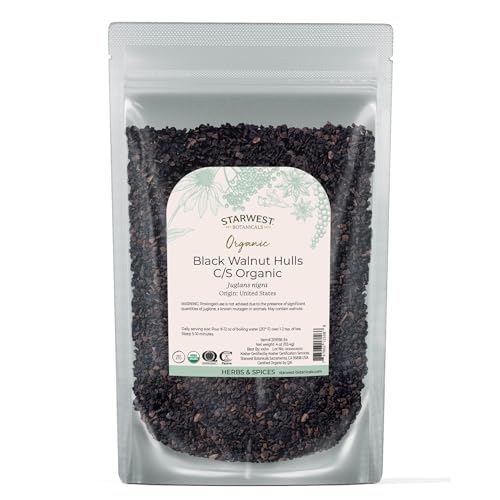
CUT AND SIFTED WALNUT HULL: This bag contains Juglans nigra (black walnut hull). Short term use is recommended. May contain walnuts

This listing is for 2 Black Walnut trees that are approximately 18-24" tall and shipped bareroot
Best Options for Planting
- Black Raspberries: These fruit-bearing brambles can grow well near black walnuts. They produce delicious berries and adapt to various soil conditions.
- Honey Locust: Though primarily a shade tree, honey locust offers nutritious pods that can benefit wildlife and add unique beauty to your garden.
- Cherries: Tart cherries, like Montmorency, tend to perform better than sweet varieties in juglone-heavy soil. They provide vibrant blooms and tasty fruit.
- Blueberries: Highbush blueberries also do well around black walnuts. Their acidity preference aligns well with soils enriched with organic matter.
- Elderberries: Known for their health benefits, elderberries can grow near black walnuts. They’re easy to care for and attract pollinators.
- Soil Type: Ensure the soil’s pH supports the fruit tree. Testing the soil allows adjustments with amendments if necessary.
- Sunlight Exposure: Assess sunlight availability. Most fruit trees prefer full sun, so carefully consider the canopy shading from black walnuts.
- Water Requirements: Learn about each plant’s water demands. Consistently moist soil benefits blueberries, while others might fare better in drier conditions.
- Spacing: Optimal spacing between trees prevents competition for nutrients. Follow species-specific guidelines to maximize growth and yield.
- Disease Resistance: Select varieties known for resistance to common pests and diseases. This ensures healthy plants even in challenging environments.
By choosing the right fruit trees and considering essential factors, you can cultivate a thriving garden amidst black walnut trees.
Care and Maintenance Tips
Maintaining fruit trees near black walnut trees requires specific strategies to ensure healthy growth while navigating the challenges posed by juglone. Here are key aspects to consider.
Soil and Nutrient Requirements
Select well-draining soil for planting fruit trees. Test soil pH, aiming for levels between 6.0 and 7.0. Incorporate organic matter like compost to enrich soil and enhance drainage. Regularly check nutrient levels, as black walnut trees may deplete soil nutrients. Applying a balanced fertilizer can help maintain nutrient availability. Monitor for signs of nutrient deficiency such as leaf yellowing or stunted growth.
Watering and Pruning Practices
Water fruit trees deeply and regularly, especially during dry periods. Ensure soil receives 1 to 2 inches of water each week. Use mulch around the base to retain moisture and reduce competition from the walnut tree. Prune trees during dormant seasons, removing dead or crowded branches. This encourages better air circulation and light penetration. Proper pruning enhances fruit production while maintaining tree health.
Conclusion
Navigating the challenges of gardening near black walnut trees doesn’t have to be daunting. By choosing the right fruit trees that can tolerate juglone, you can create a fruitful garden oasis. Remember to focus on proper care and maintenance to help your plants thrive in this unique environment.
With a little patience and the right strategies, you can enjoy a bountiful harvest while coexisting with your black walnut trees. Embrace the journey of gardening and watch your efforts blossom into something beautiful. Happy planting!
Frequently Asked Questions
What are the challenges of gardening near black walnut trees?
Gardening near black walnut trees is challenging due to the toxic chemical juglone they release. This compound can harm sensitive plants, leading to symptoms like yellowing leaves and stunted growth. The extensive root systems and dense canopy of these trees add to the difficulties for nearby garden plants.
Which fruit trees can thrive near black walnut trees?
Fruit trees that tolerate juglone and can thrive near black walnut trees include black raspberries, honey locust, tart cherries, highbush blueberries, and elderberries. These species are better suited to cope with the allelopathic effects of juglone.
What is juglone and how does it affect plants?
Juglone is a chemical produced by black walnut trees that can inhibit the growth of many nearby plants. It acts as a natural herbicide, leading to symptoms like yellowing leaves, poor growth, and even death in sensitive species often found in gardens.
How can I manage gardening near black walnut trees?
To manage gardening near black walnut trees, choose juglone-tolerant plants, ensure well-draining soil, maintain adequate moisture through deep watering and mulch, and consider proper spacing. Additionally, monitor nutrient levels and prune during dormant seasons to enhance growth.
What is allelopathy?
Allelopathy refers to the chemical interactions between plants, where some plants release compounds that affect the growth of surrounding species. Black walnut trees are known for their allelopathic properties due to juglone, making it crucial to select compatible plants when gardening nearby.
