

Have you ever struggled to keep your garden thriving during a dry spell? You’re not alone. Many gardeners face the challenge of maintaining lush landscapes while dealing with limited water resources. The good news is that some fruit trees can withstand these dry conditions and still produce delicious fruit.
In this article, you’ll discover which drought-tolerant fruit trees can flourish with minimal water. You’ll learn about their unique characteristics and benefits, making it easier to choose the right trees for your garden. With the right selections, you can enjoy a fruitful harvest while conserving water and nurturing a sustainable landscape.
Key Takeaways
- Drought Tolerance: Certain fruit trees, such as olive, fig, and pomegranate, are specifically adapted to thrive in low-water conditions, making them ideal for gardens facing water scarcity.
- Environmental Benefits: Growing drought-tolerant fruit trees conserves water, enhances soil health, and supports local ecosystems by attracting wildlife and beneficial insects.
- Economic Savings: These trees require less water and maintenance, which can lower gardening costs and reduce utility bills while promoting food security.
- Strategic Care: Implementing practices like soil preparation, proper mulching, and efficient watering can maximize the health and productivity of drought-tolerant fruit trees.
- Year-Round Aesthetics: Beyond fruit production, many drought-tolerant trees provide year-round visual interest with unique foliage and growth structures, enriching your landscape’s beauty.
- Effective Growing Tips: Establish trees in well-drained soil, water deeply but infrequently, and prune regularly for optimal growth and enhanced drought resistance.
Overview of Drought Tolerant Fruit Trees
Drought tolerant fruit trees thrive in low-water conditions. These trees often possess specific adaptations that enable them to survive with minimal moisture. Understanding the characteristics of these trees benefits gardeners aiming for sustainable options.
Recommended Products

READY TO PLANT: These 3 thriving Pineapple Guava saplings (Feijoa Sellowiana variety) arrive in 2.5-inch nursery cubes, ready to plant. These versatile, tropical (and pet-safe!) evergreen trees and shrubs offer year-round beauty and fruit in any home.


This set includes one Pomegranate plant. It is currently 4 to 6 inches tall and is provided as a soil plug (no pot)
Common Types of Drought Tolerant Fruit Trees
- Olive Trees: Olive trees withstand arid climates and produce flavorful olives. They require little water once established.
- Fig Trees: Fig trees perform well in dry areas. They produce sweet, nutritious figs with minimal irrigation.
- Pomegranate Trees: Pomegranates thrive in heat and drought. Their juicy fruit provides essential nutrients and requires less water.
- Citrus Trees: Certain citrus varieties, such as Meyer lemons, adapt well to dry conditions, offering fragrant fruits with low water needs.
- Almond Trees: Almond trees flourish in dry soil and produce delicious nuts. They require careful management but can thrive with minimal irrigation.
Benefits of Growing Drought Tolerant Fruit Trees
- Water Conservation: Growing these trees reduces the demand for water, aiding conservation efforts.
- Low Maintenance: Drought tolerant varieties require less care, making gardening more manageable.
- Biodiversity: Planting diverse fruit trees enhances ecosystems, attracting beneficial insects and wildlife.
- Year-Round Interest: Many of these trees offer aesthetic value with unique foliage and structures, adding beauty to your landscape.
- Choose the Right Location: Select areas with good sun exposure and well-drained soil to ensure optimal growth.
- Mulch Generously: Applying organic mulch helps retain soil moisture and reduces weed competition.
- Water Wisely: Water trees deeply and less frequently to encourage deep root growth. Aim for early morning or late evening to minimize evaporation.
- Prune Regularly: Regular pruning promotes healthy growth and improves air circulation, enhancing drought resistance.
By selecting drought tolerant fruit trees, you can cultivate a thriving garden that conserves water while providing delicious produce.
Benefits of Drought Tolerant Fruit Trees
Drought-tolerant fruit trees offer several advantages, enhancing your garden’s resilience and sustainability.
Environmental Impact
Drought-tolerant fruit trees play a crucial role in conserving water. These trees require less irrigation compared to traditional varieties, significantly reducing water usage. By integrating these trees into your landscape, you promote soil health and encourage local wildlife. Additionally, their deep root systems improve soil structure and prevent erosion, leading to healthier ecosystems.
Economic Advantages
Growing drought-tolerant fruit trees can lead to economic savings. Lower water requirements result in decreased water bills. Investing in these trees also reduces maintenance costs since they demand less care. Their ability to produce fruit even in low-water conditions increases food security and provides fresh produce, ultimately saving you money on groceries.
Popular Drought Tolerant Fruit Trees
Drought-tolerant fruit trees offer both sustainability and delicious harvests. Here are some popular options to consider.
Recommended Products

Product Quantity: 180+ premium bonsai fruit seeds across 5 varieties; Individual packs contain 40+ apple, 40+ lemon, 40+ orange, 20+ blueberry, and 40+ cherry seeds; Perfect for starting a diverse miniature orchard

2 Gold Pineapple Plants Live To Grow, Sweet Pineapple Fruit Trees Live Plant 5 To 8 Inc Height, Ornamental Pineapple Plant

4 FRUIT VARIETIES – 100 SEEDS TOTAL: Includes 30 Apple Seeds, 30 Lemon Seeds, 30 Cherry Seeds, and 10 Banana Seeds, individually separated by variety for an exciting fruit-growing collection.
Olive Trees
Olive trees thrive in dry conditions and require minimal water once established. These trees prefer well-drained soil and full sun, making them ideal for sunny gardens. You can expect your olive trees to produce fruit for oil or eating, depending on the variety. Regular pruning helps maintain their shape and encourages better fruit production.
Pomegranate Trees
Pomegranate trees are known for their beautiful flowers and nutritious fruit. They tolerate dry spells effectively, making them a favorite for drought-prone areas. Plant your pomegranate in well-drained soil and provide full sunlight for optimal growth. With proper care, you can enjoy vibrant fruits packed with antioxidants.
Fig Trees
Fig trees are resilient and adapt well to dry environments. They thrive in poor soil conditions and require little water once established. Position your fig trees in full sun for the best results. Regular pruning promotes airflow and encourages fruit production, resulting in sweet, healthy figs.
Jujube Trees
Jujube trees, also known as Chinese dates, excel in drought conditions. These trees tolerate heat and require little maintenance. Plant them in well-drained soil with full sun exposure. The fruit can be eaten fresh or dried, making them versatile additions to your garden. Regular water during the first year helps establish root systems, but they become self-sufficient afterward.
Tips for Growing Drought Tolerant Fruit Trees
Growing drought-tolerant fruit trees requires careful planning and implementation of effective strategies. Here are some essential tips to ensure your trees thrive in dry conditions.
Recommended Products
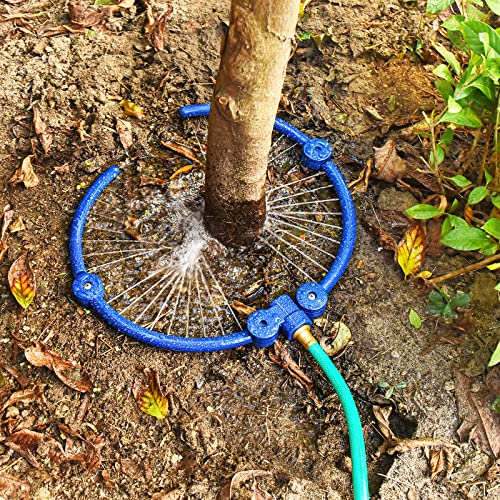
【Specially Designed for Trees and Shrubs】 The Watering Ring is a multi-purpose irrigation ring that attaches to a garden hose to efficiently water young trees shrubs vegetables or flower beds using drip or trickle irrigation.It directs water to the root perimeter of the plant to give them a good start during the first two growing seasons or through periods of drought.

NO MORE HARD INSTALLATION - SET UP IN MINUTES. Tired of struggling with stiff barbed fittings? This drip irrigation system features quick-connect fittings that let you push, lock, and secure tubing effortlessly. No tools, no leaks, just a smooth setup experience. Enjoy a frustration-free installation and get your garden watering system running in minutes.

Be a Gardening Master with the help of our superior and complete Drip Irrigation Kit: 50ft flexible & durable PVC 5/16" Irrigation Tubing + 50ft 1/4" Drip Distribution Tubing + 2 x Female Thread Water Connectors for 5/16" Mainline + 20 Barbed Drip Emitters Stream + 10 Barbed Drip Emitters Vortex + 4 x 1-Way, 6 x 2-Way and 2 x 4-Way Barbed Splitters from 5/16" to 1/4" + 5 x 1/4" Tubing Tee Splitters + 2 x 5/16" Mainline End Plugs + 5 x 1/4" Distribution Tubing End Plugs
Soil Preparation
Soil plays a crucial role in supporting drought-tolerant fruit trees.
- Test Soil pH: Ensure the soil pH is suitable for your tree type. Most fruit trees prefer a slightly acidic to neutral pH of 6.0 to 7.0.
- Amend with Organic Matter: Incorporate compost or well-rotted manure to improve soil structure and moisture retention.
- Create a Well-Draining Base: Avoid waterlogging by ensuring good drainage. Use raised beds or amend clay soils with sand and organic matter.
- Mulch Layer: Apply a layer of mulch around your trees. This helps retain moisture, suppress weeds, and gradually enrich the soil as it breaks down.
Watering Strategies
Effective watering techniques maximize efficiency and promote deep root growth.
- Water Deeply and Infrequently: Water trees thoroughly to encourage deep roots, then allow the top few inches of soil to dry before watering again.
- Irrigation System: Consider drip irrigation systems that deliver water directly to the roots. This method minimizes evaporation and runoff.
- Early Morning Watering: Water your trees early in the morning. This timing reduces evaporation and allows trees to absorb moisture before the heat of the day.
- Observe Weather Patterns: Adjust your watering schedule according to recent rainfall. When natural rainfall occurs, reduce supplemental watering accordingly.
Conclusion
Embracing drought-tolerant fruit trees is a fantastic way to create a sustainable garden that thrives even in dry conditions. By selecting trees like olives, figs, and pomegranates, you can enjoy a bountiful harvest while conserving precious water resources.
With a little care and the right techniques, these trees can flourish in your landscape, providing beauty and nutrition year-round. So whether you’re a seasoned gardener or just starting out, consider adding these resilient trees to your garden. You’ll not only enjoy their delicious fruits but also contribute positively to the environment. Happy planting!
Frequently Asked Questions
What are drought-tolerant fruit trees?
Drought-tolerant fruit trees are varieties that thrive in low-water environments. They have adaptations that allow them to survive with minimal moisture, making them an excellent choice for gardens in dry conditions. Examples include olive, fig, pomegranate, citrus, and almond trees.
Why should I grow drought-tolerant fruit trees?
Growing drought-tolerant fruit trees offers numerous benefits, such as water conservation, low maintenance, and increased biodiversity. They provide nutritious fruit while reducing water bills and moisture management efforts. Additionally, they enrich the landscape visually year-round.
How do I choose the right location for drought-tolerant fruit trees?
Select a location with full sunlight and well-drained soil. Ensure the site is protected from strong winds and offers enough space for the trees to grow. Proper placement will enhance their ability to thrive in dry conditions.
What watering strategies should I use for these trees?
Use deep and infrequent watering methods to encourage deep root growth. Implement drip irrigation to increase efficiency. Adjust your watering schedule based on weather patterns and the specific needs of your trees to optimize water use.
What care tips should I follow for these trees?
Key care tips include applying mulch to retain moisture, testing soil pH, and amending with organic matter. Regular pruning is also essential for maintaining tree health and promoting fruitful yields in drought-prone environments.
Can drought-tolerant fruit trees help with environmental conservation?
Yes, these trees conserve water, promote soil health, and support local wildlife habitats. By selecting drought-tolerant varieties, gardeners contribute to a more sustainable ecosystem while enjoying the benefits of homegrown fruit.
What are some popular drought-tolerant fruit trees?
Popular options include olive, fig, pomegranate, and jujube trees. Each of these varieties is known for its ability to thrive in dry conditions while producing delicious and nutritious fruits suited for various culinary uses.
