

Have you ever dreamed of enjoying fresh fruit right from your backyard? If you’re eager to plant a fruit tree but don’t want to wait years for a harvest, you’re in the right place. Some trees can produce fruit in just a couple of seasons, making them perfect for impatient gardeners.
Key Takeaways
- Fast-Producing Varieties: Dwarf fruit trees, fig trees, cherry trees, citrus trees, and mulberry trees are among the fastest to bear fruit, with yields possible within 1 to 3 years after planting.
- Optimal Conditions Matter: Climate, soil quality, and sunlight exposure are crucial for the growth speed of fruit trees. Choose tree species that match your local environmental conditions.
- Tree Age and Variety: Younger trees take longer to yield fruit; selecting established young trees (1-2 years old) and fast-fruiting cultivars can expedite harvest times.
- Effective Care Practices: Regular watering, proper pruning, fertilization, and pest management are essential to support faster growth and increased fruit production.
- Soil Enrichment: Use nutrient-rich, well-draining soil and amend with organic matter to foster healthy root development crucial for fruit-bearing trees.
- Seasonal Considerations: Winter protection measures for young trees in colder climates can prevent frost damage, ensuring quicker recovery and fruiting in the following seasons.
Overview of Fast-Producing Fruit Trees
Fast-producing fruit trees bring joy and satisfaction to gardeners eager for quick harvests. Certain varieties start yielding fruit within 1 to 3 years after planting, allowing you to enjoy fresh produce sooner.
Examples of Fast-Producing Fruit Trees
- Dwarf Fruit Trees
Dwarf trees can start producing fruit in just 1 to 2 years. Varieties like the dwarf apple or peach tree are perfect for limited spaces. - Fig Trees
Fig trees typically bear fruit within 2 years. They thrive in warm climates and require minimal maintenance. - Cherry Trees
Sweet cherry trees can produce fruit in 3 to 5 years. They offer a bountiful harvest and attract birds. - Citrus Trees
Trees such as lemon and lime may yield fruit in 2 to 3 years. They flourish well in pots, making them suitable for small gardens or patios. - Mulberry Trees
Mulberry trees are known for faster production, often fruiting in 1 to 2 years. Their berries offer a sweet treat for both humans and wildlife.
- Variety: Some cultivars naturally bear fruit faster than others. Research specific types to find those with quicker yields.
- Climate: Warmth and sunlight play crucial roles in growth speed. Ensure the tree species you choose matches your local climate conditions.
- Soil Quality: Nutrient-rich, well-draining soil enhances growth. Regularly amend your soil with organic matter to improve fertility.
- Watering: Consistent and adequate watering supports healthy growth. Use mulch to reduce evaporation and maintain moisture.
By selecting the right species and optimizing growing conditions, you can enjoy the benefits of fast-producing fruit trees in your backyard garden.
Top Fast-Growing Fruit Trees
Fast-growing fruit trees offer a rewarding solution for gardeners eager to enjoy homegrown produce. Here’s a closer look at some of the top choices for quick harvests.
Recommended Products

4 kinds of the most popular fruits, individually packaged, 50pcs Lemon seeds 50pcs Cherry seeds 50pcs Orange seeds 50pcs Apple seeds Fresh seeds, all fruit seeds are packed in tear and moisture resistant zipper sealed bags for your long term storage.

4 FRUIT VARIETIES – 100 SEEDS TOTAL: Includes 30 Apple Seeds, 30 Lemon Seeds, 30 Cherry Seeds, and 10 Banana Seeds, individually separated by variety for an exciting fruit-growing collection.
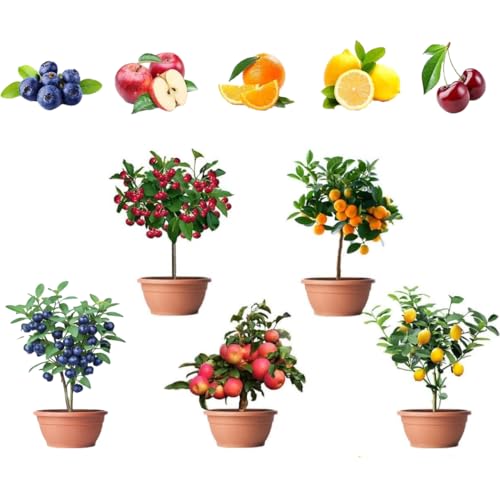
Variety Pack of 5 Fruits: Includes 40 Lemon seeds, 40 Orange seeds, 40 Apple seeds, 20 Cherry seeds, and 20 Blueberry seeds for a colorful and diverse home garden
Apple Trees
Apple trees, especially dwarf varieties, can produce fruit within 1 to 2 years. Look for cultivars like ‘Garden Delicious’ or ‘Honeycrisp’ for rapid yields. Plant these in well-draining soil and ensure they receive full sunlight. Pruning helps maintain their size and improves airflow, leading to better fruit production.
Peach Trees
Peach trees often bear fruit within 2 to 4 years. Varieties such as ‘Elberta’ and ‘Redhaven’ are known for their fast growth rates and delicious fruit. For optimal growth, choose a location with good drainage and full sun exposure. Regular watering during dry spells supports faster maturation and enhances fruit quality.
Cherry Trees
Sweet cherry trees typically take 3 to 5 years to produce fruit. Early-bearing varieties like ‘Stella’ can yield sooner. Plant cherry trees in fertile soil with excellent drainage to promote rapid growth. Avoid overcrowding with other plants and ensure consistent watering for quicker harvests.
Factors Influencing Growth Rates
Several factors influence the growth rates of fruit trees. Understanding these aspects can help you select the best trees for faster production.
Recommended Products

Product Quantity: 180+ premium bonsai fruit seeds across 5 varieties; Individual packs contain 40+ apple, 40+ lemon, 40+ orange, 20+ blueberry, and 40+ cherry seeds; Perfect for starting a diverse miniature orchard

🌳 3-Pack Fruit Tree Bundle Includes live apple, blueberry, blackberry trees—perfectly paired for a diverse and productive backyard orchard.

Produce abundant and vibrant fruit and blooms! This product works by strengthening your plant's roots to increase nutrient uptake… enabling it to bloom and produce like you've never seen!
Climate and Soil Conditions
Climate plays a crucial role in tree growth. Some fruit trees thrive in warm, temperate climates while others favor cooler regions. Assess your area’s climate before choosing a tree.
Soil conditions also matter. Trees prefer well-draining, fertile soil rich in organic matter. Conduct a soil test to determine pH levels and nutrient content. Amend your soil accordingly to create a conducive environment for your selected fruit trees. For example, peach trees favor sandy loam, while apple trees do well in slightly acidic soils.
Tree Age and Variety
The age of the tree at planting impacts time to fruit. Younger trees take longer to yield fruit compared to established ones. Look for nursery trees that are at least 1 to 2 years old for quicker production.
Variety choice is equally important. Some cultivars are bred for faster fruiting. Dwarf varieties, like ‘Garden Delicious’ apples, typically produce sooner than standard varieties. Investigate specific cultivars known for their early yields, such as ‘Elberta’ peaches or ‘Stella’ sweet cherries, to maximize your results.
Care and Maintenance for Optimal Growth
Caring for your fast-producing fruit trees requires attention to several key factors. Focus on the following areas to ensure your trees thrive and yield fruit as quickly as possible.
Soil Quality
Use loamy, well-draining soil for optimal root growth. Test soil pH to maintain a level between 6.0 and 7.0, which suits most fruit trees. Add compost or organic matter to enrich the soil, promoting healthy growth.
Watering
Water young fruit trees regularly, especially during dry spells. Aim for deep watering, ensuring moisture penetrates the root zone. Use mulch around the base to retain soil moisture and prevent weed competition.
Sunlight
Position your fruit trees in locations that receive full sunlight, ideally 6 to 8 hours a day. Sufficient sunlight accelerates fruit development and enhances flavor. Ensure surrounding trees or structures don’t cast shadows on your fruit trees.
Pruning
Prune your trees annually to improve air circulation and sunlight penetration. Focus on removing dead or overcrowded branches. For optimal fruit production, prune during the tree’s dormant season, typically in late winter or early spring.
Fertilization
Apply a balanced fertilizer in early spring to promote healthy growth. Use products specifically formulated for fruit trees. Follow recommended quantities based on tree size and age. Avoid over-fertilizing, as it may lead to excessive foliage growth with fewer fruits.
Pest and Disease Management
Monitor for pests and diseases, checking regularly for signs of trouble. Use organic pesticides or insecticidal soaps when necessary, and remove diseased parts promptly. Encourage beneficial insects, such as ladybugs, which can help control pest populations naturally.
Variety Selection
Choose the right varieties for your climate and soil conditions. Research local growing guides for the best options in your area. Consider factors like disease resistance, growth habit, and yield frequency when selecting your trees.
Winter Protection
In colder climates, protect young trees during winter months. Wrap trunks with burlap or use tree guards to prevent damage from frost or hungry animals. Consider using mulch to insulate roots and conserve moisture.
By following these care and maintenance practices, you enhance the chances of your fruit trees maturing quickly and producing bountiful yields.
Conclusion
Growing fast-producing fruit trees can be a rewarding experience for any gardener. With the right choices and care you can enjoy fresh fruit in just a few seasons. Whether you opt for dwarf varieties or select trees like figs and peaches you’ll find plenty of options that fit your timeline.
Remember to consider your local climate and soil conditions to ensure your trees thrive. By nurturing your plants with proper watering pruning and fertilization you’ll set the stage for a fruitful harvest. Get ready to enjoy the sweet rewards of your gardening efforts sooner than you think!
Frequently Asked Questions
What are some fast-growing fruit trees for a backyard garden?
Fast-growing fruit trees include dwarf apple trees, which can yield fruit in 1 to 2 years, fig trees that typically bear fruit in 2 years, and citrus trees like lemon and lime, yielding in 2 to 3 years. Mulberry trees also produce quickly, usually within 1 to 2 years.
How long does it take for fruit trees to produce?
The time it takes for fruit trees to produce fruit varies by type. Dwarf varieties can start yielding in 1 to 2 years, while sweet cherries typically take 3 to 5 years. Factors like tree age, variety, and local climate also influence production times.
What soil conditions do fruit trees need to thrive?
Fruit trees prefer well-draining, fertile soil rich in organic matter. The ideal soil pH range is between 6.0 and 7.0. Ensuring these conditions helps promote optimal growth and fruit production.
How can I speed up fruit production in my trees?
To speed up fruit production, choose younger nursery trees (at least 1 to 2 years old) and select early-bearing varieties. Regular deep watering, annual pruning, and balanced fertilizers also contribute to faster yields.
What climate is best for growing fruit trees?
Many fruit trees thrive in warm, temperate climates, while others prefer cooler regions. It’s essential to select varieties suited to your local climate to ensure better growth and yields.
