

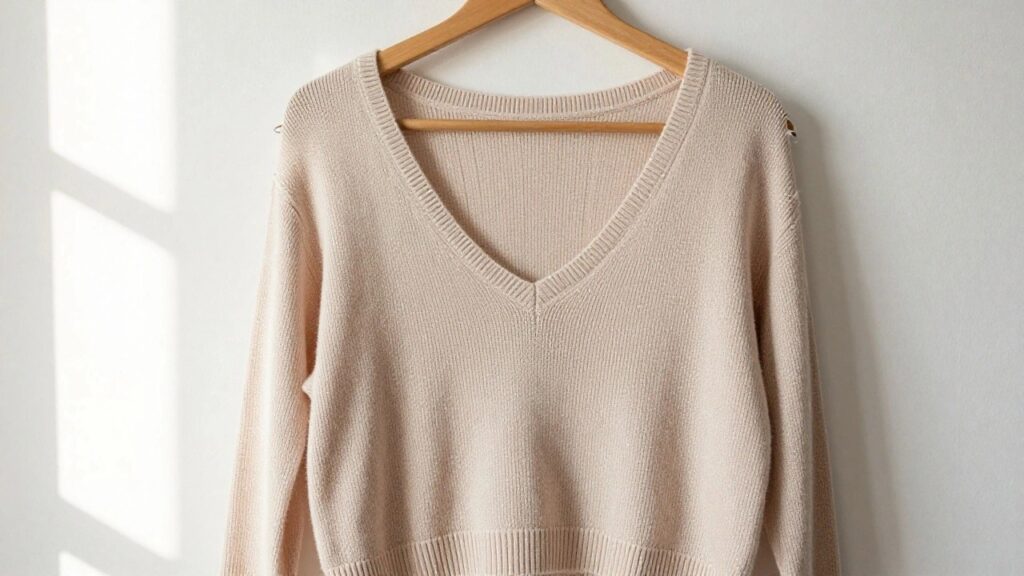
I picked up knitting a couple of years ago on a quiet weekend.
It felt awkward at first with all the dropped stitches and uneven rows.
But I started noticing real progress once I tried a few simple tweaks.
These 23 tips helped me build confidence without much frustration.
I hope they do the same for you.
Knit a Ribbed V-Neck Tank Top
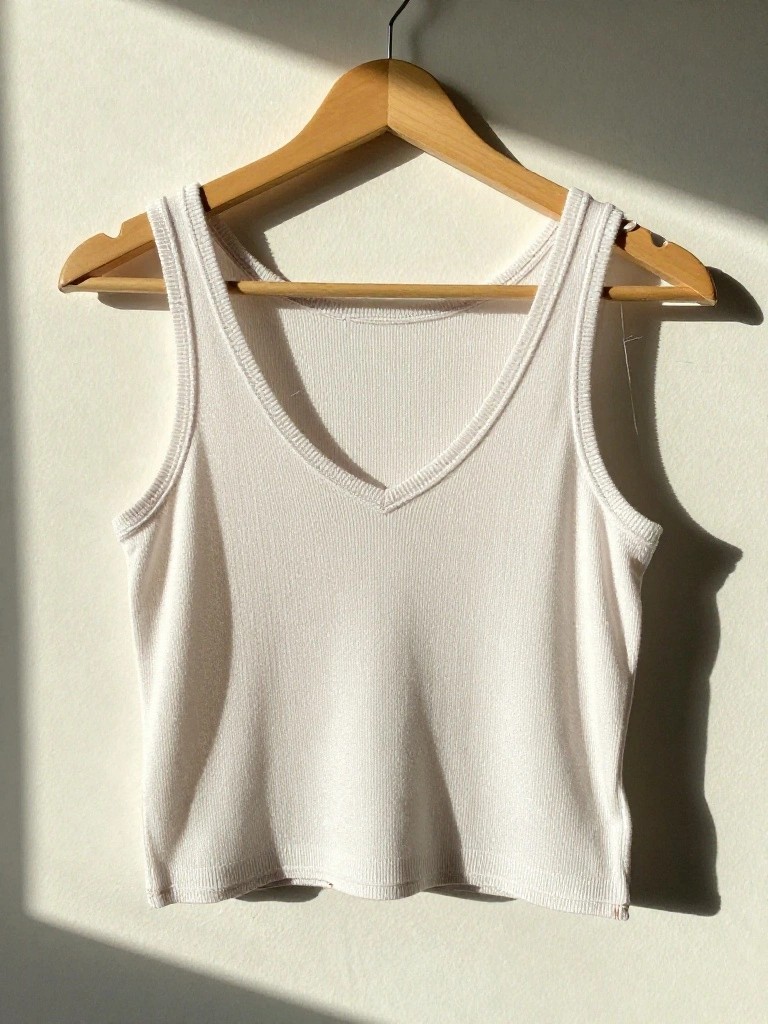
A ribbed tank top starts with thin straps that drop into a flattering V-neck, while the all-over vertical ribbing pulls the body in for a fitted shape that skims without clinging. This knit structure adds subtle texture and stretch, making it move with the body during wear. The cropped length keeps proportions balanced on most frames.
For layering, a knit like this slips easily under open cardigans or denim jackets year-round. Shorten it further into a bralette or lengthen for a full base layer, and swap yarns for stripes to match wardrobes. Its straightforward seaming builds gauge confidence before tackling sleeves.
Recommended Products

PREMIUM RIBBED FABRIC: Crafted from 92% Viscose + 8% Spandex blend, our ribbed tank tops for women features ultra-soft, lightweight, skin-friendly & breathable sweat-wicking material with 4-way elasticity; anti-pilling, fade & deform resistant after repeated washes, suitable for all-season casual, workout & daily comfy wear.

Material: lightweight, stretchy and breathable, comfortable to wear.

Ribbed Summer Tank Tops: Our Tank Top Are Made Of 95% Polyester+5% Spandex Ribbed Knit Fabric, Which Are Stretchy, Soft And Lightweight, Comfy To Wear In Daily Life.
Striped Crew Socks with Ribbed Tops
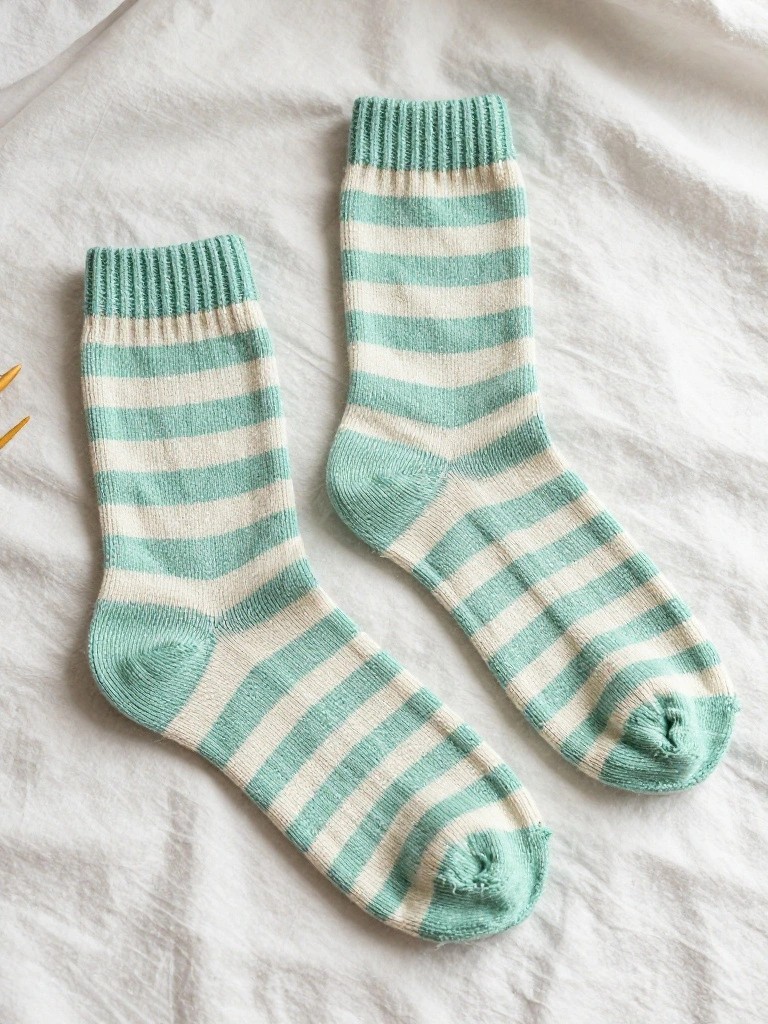
Knitting crew socks with bold alternating stripes in mint green and off-white yarn delivers a clean, eye-catching accessory that stands out from plain solids. The horizontal bands create visual rhythm, while the ribbed cuffs hug the calf to prevent slipping during wear. This design uses basic stockinette for the body, keeping the focus on color placement in the sock category.
The small scale makes this easy to adapt for beginners, with a pair working up fast on double-pointed needles or magic loop. Stripes pair well with jeans or skirts for everyday outfits, and you can swap shades for holidays or personalize with self-striping yarn. For gifts, knit in baby sizes or extend into knee socks for colder weather.
Recommended Products

All-in-One Kit: : This complete knitting kit for beginners includes premium yarns, clear instructions, knitting needles, and a sewing needle.—everything you need to start crafting right away. A perfect choice when looking for knitting and crochet deals or a beginner crochet kit for adults.
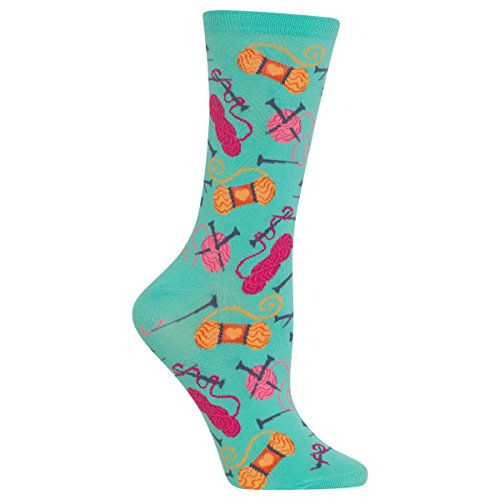
Looking for the perfect gift for your friend who knit you an incredible Fall sweater? The new Hot Sox yarn and knitting needles socks fit the bill!

Knitting Kit for Beginners Adult: The knitting kit that comes with a sock pattern book. Intended to teach basic knitting without any prior experience, the instruction book is a meticulously photo-illustrated tutorial that walks you through every technique, wrap, and stitch from slip knot to weaving in ends, start-to-finish and step-by-step. Easy to learn to knit even with no knitting experience.
Fuzzy Beanie with Striped Rib Cuff
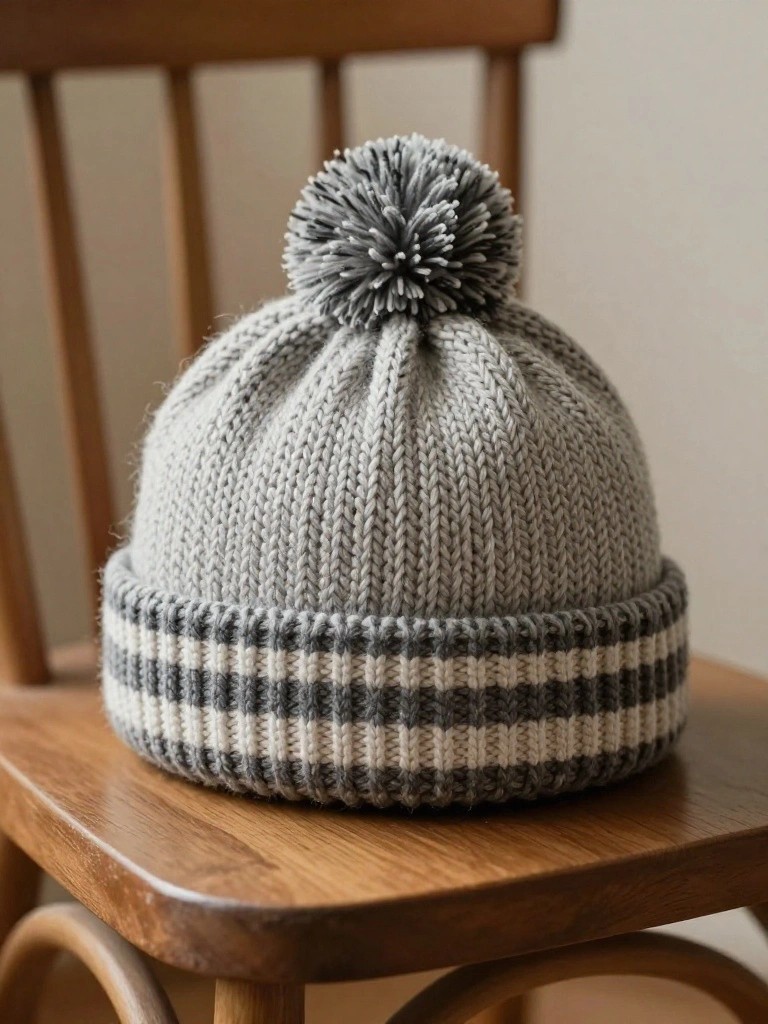
This knitted beanie uses a fuzzy gray yarn for the main body, creating a soft textured surface that traps warmth, topped with a matching pom-pom for a playful finish. The wide bottom cuff switches to ribbing with thin white stripes for stretch and grip, keeping the hat secure without slipping. As an accessory, it combines simple shaping with enough detail to look polished.
The small scale makes this easy to adapt for kids by shortening the body or switching to brighter stripes for pop. It layers well under jackets for cold weather commutes or stands alone on casual days. You could simplify by skipping the pom-pom or rework the cuff idea onto mitts for a matching set that finishes fast.
Recommended Products

Material: This ribbed-knit hat is crafted from soft acrylic fabric with a stretchy design for warmth, comfort, and flexibility. Its mid-length provides warmth without bulk, making it an ideal everyday winter wear for colder weather

100% Acrylic

【Material】: The mohair fluffy beanie is made of soft cotton fabric, warm, stretchy but not out of shape, non-itchy and wrinkle-resistant, no shrinkage, no color fading and no ball, lightweight, skin-friendly and comfortable wear
Striped Knitted Tote Bag
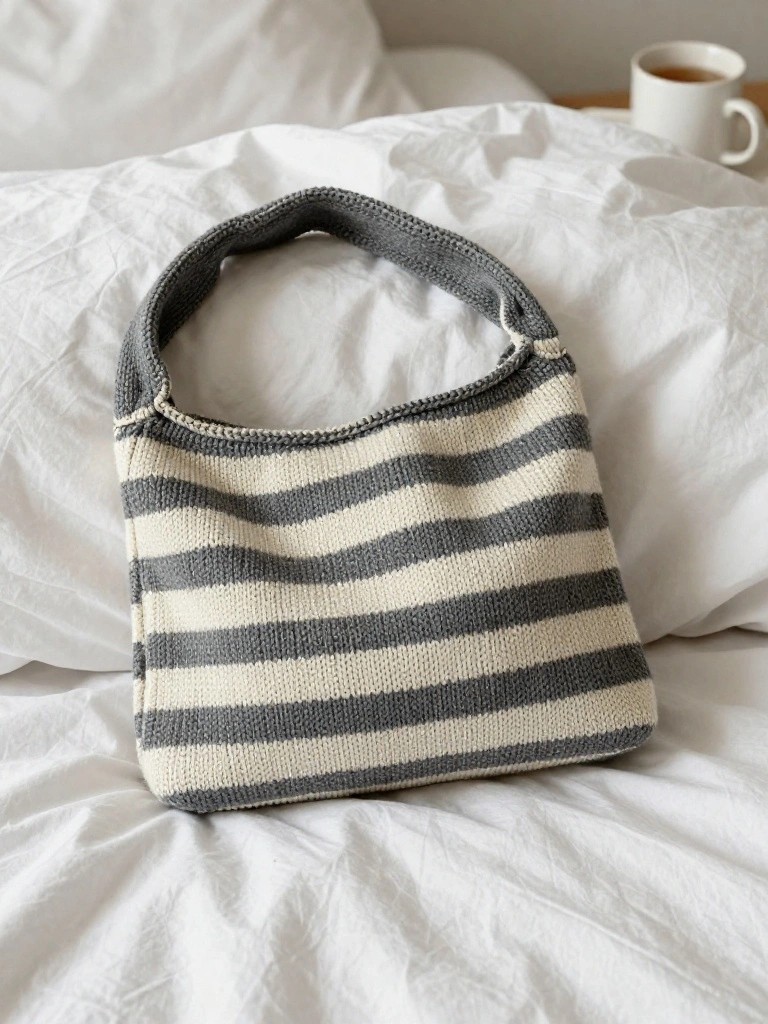
Knitting a tote bag in alternating wide gray and white stripes delivers a clean graphic punch from simple stockinette worked flat or in the round. The square body slouches just enough for easy packing, with integrated knitted handles that skip sewing for a seamless finish. This accessory category project builds flat-knitting rhythm while the stripes add visual interest without fair isle floats.
The bold stripes make this a Pinterest standout that knits up fast for market runs or beach days, holding towels or produce without bulk. Scale it down for a purse or swap yarns for seasonal colors to match outfits. Beginners gain confidence from the repeat pattern, and it doubles as a gift that beats store-bought.
Chunky Heart Plush Pillow
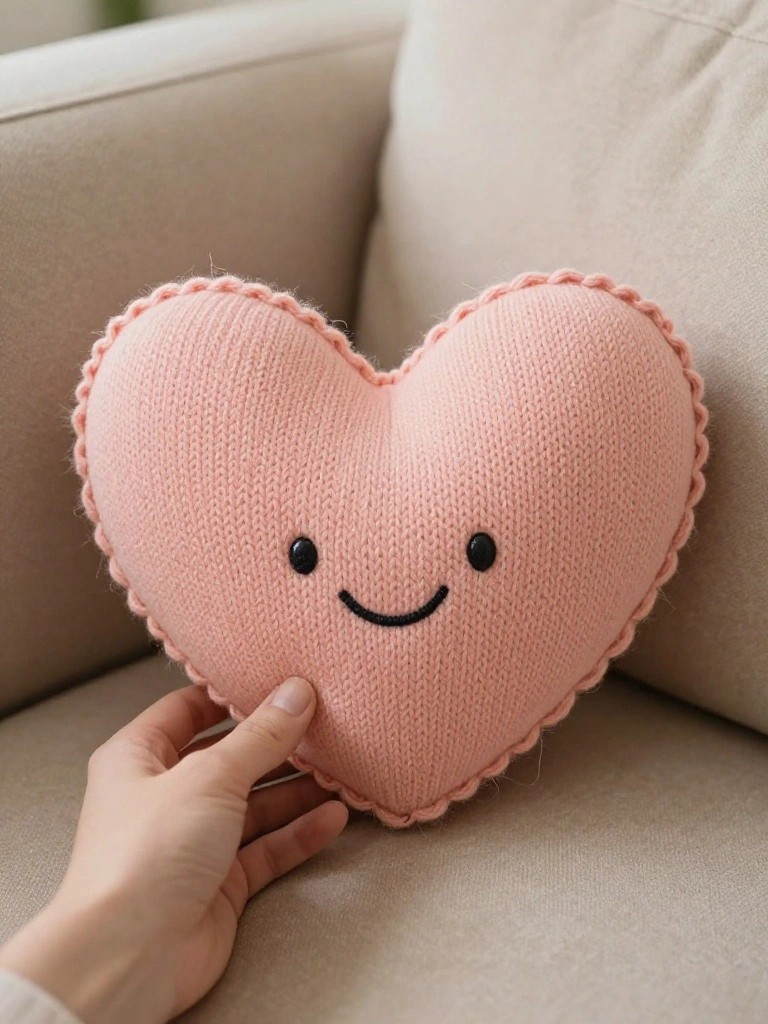
A heart-shaped knitted pillow starts with simple increases and decreases to build the curved lobes and pointed bottom, then gets seamed and stuffed for a puffy, huggable form. Black yarn details form basic eyes and a curved smile right on the stockinette surface, keeping the focus on the bold pink color and knit texture. Scalloped edges worked in a stretchy bind-off add a ruffled border that ties the plush toy shape together without extra fuss.
The small scale makes this easy to finish in a weekend, perfect for stocking stuffers or nursery decor that holds up to gentle play. Swap the pink for seasonal colors or knit a pair to make matching coasters with the same heart motif. Beginners can scale it down further for keychain fobs using worsted yarn, while the shaping practice boosts skills for larger amigurumi projects.
Rainbow Striped Baby Blanket
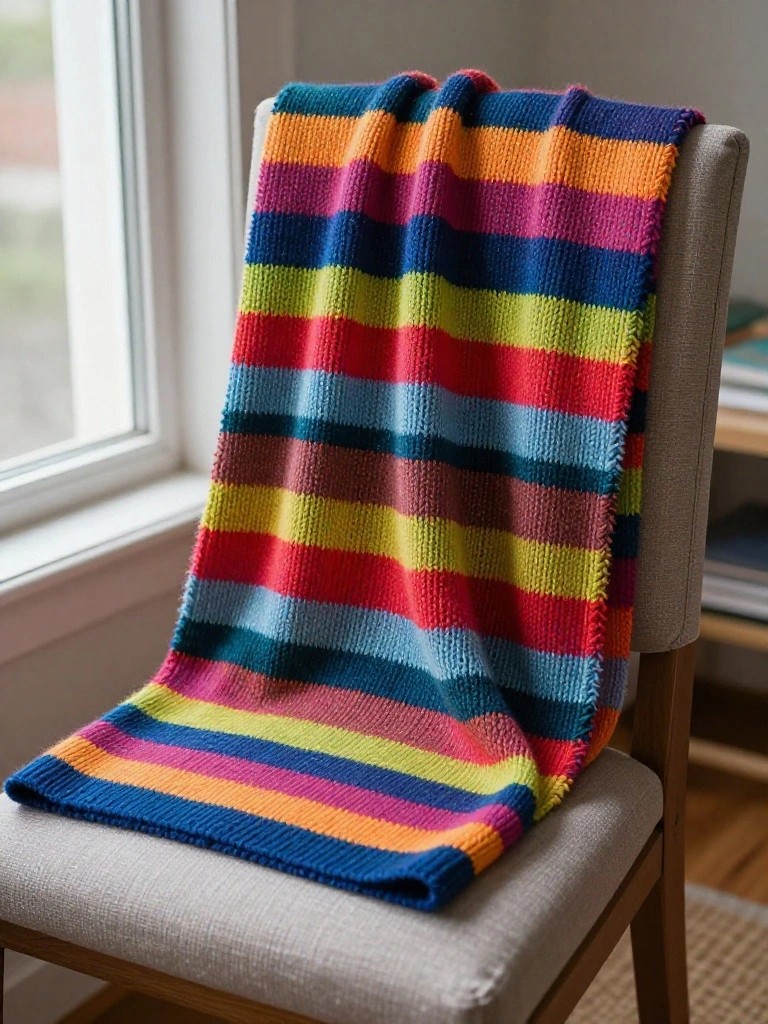
Knitting a baby blanket with wide horizontal stripes in bright rainbow colors delivers a striking visual punch through simple color blocking. Each band shifts from orange to pink, blue, purple, and teal for high contrast without complex patterns. This knitted accessory uses basic stockinette stitch to keep the focus on the stripes, making the rectangular shape pop as a quick layer or play mat.
The small scale finishes fast, ideal for gifting to new parents or using as a stroller cover. Stripes like these adapt easily by swapping colors for holidays or team themes while staying beginner-simple. On Pinterest, the bold mix grabs attention over plain solids, and you could rework the idea into a scarf by narrowing the width.
Fingerless Mitts with Thumb-Free Grip
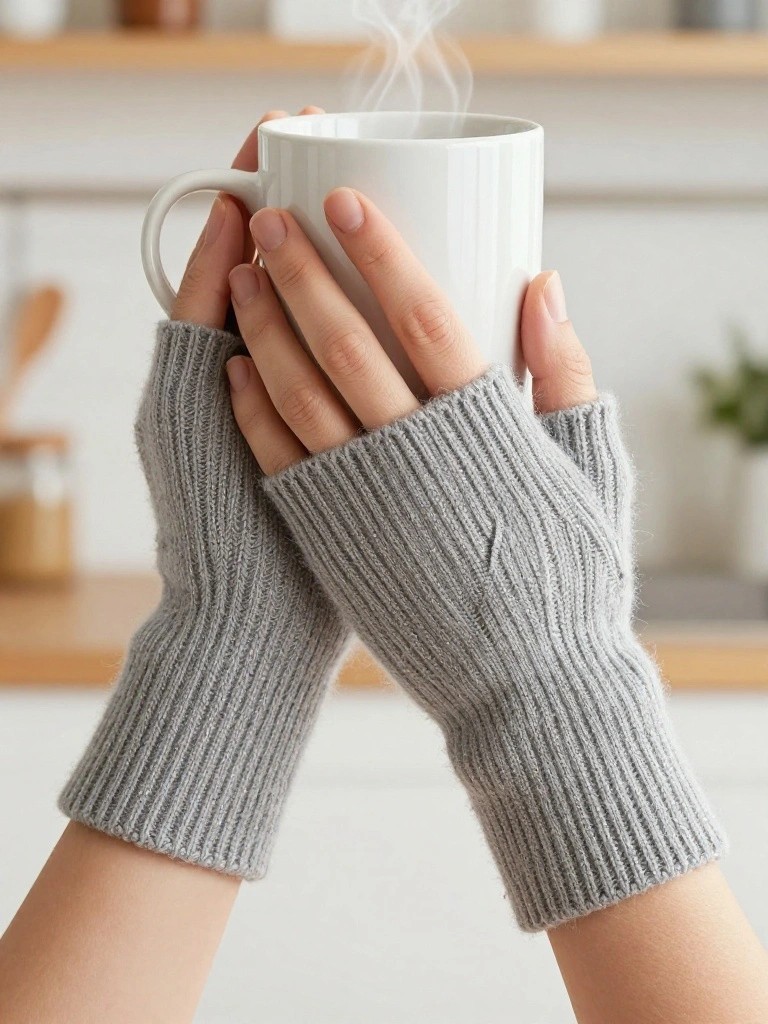
Knitted fingerless mitts hug the back of the hand and palm in snug ribbing that stretches to fit without bunching. The thumb opening keeps fingers fully exposed for holding mugs or typing, while the wrist-length design traps warmth where you need it. This accessory style stands out through its simple ribbed structure that creates vertical lines for a slim, elongated look.
The small scale makes this easy to adapt for beginners by working flat then seaming, or jumping straight to double-pointed needles for rounds. A knit like this works especially well for layering under jackets or gifting to coffee lovers who hate cold hands. Stripes or scrap yarn personalize it fast, and the exposed fingers turn it into a practical pick for office desks or winter walks.
Foldover Ribbed Baby Booties
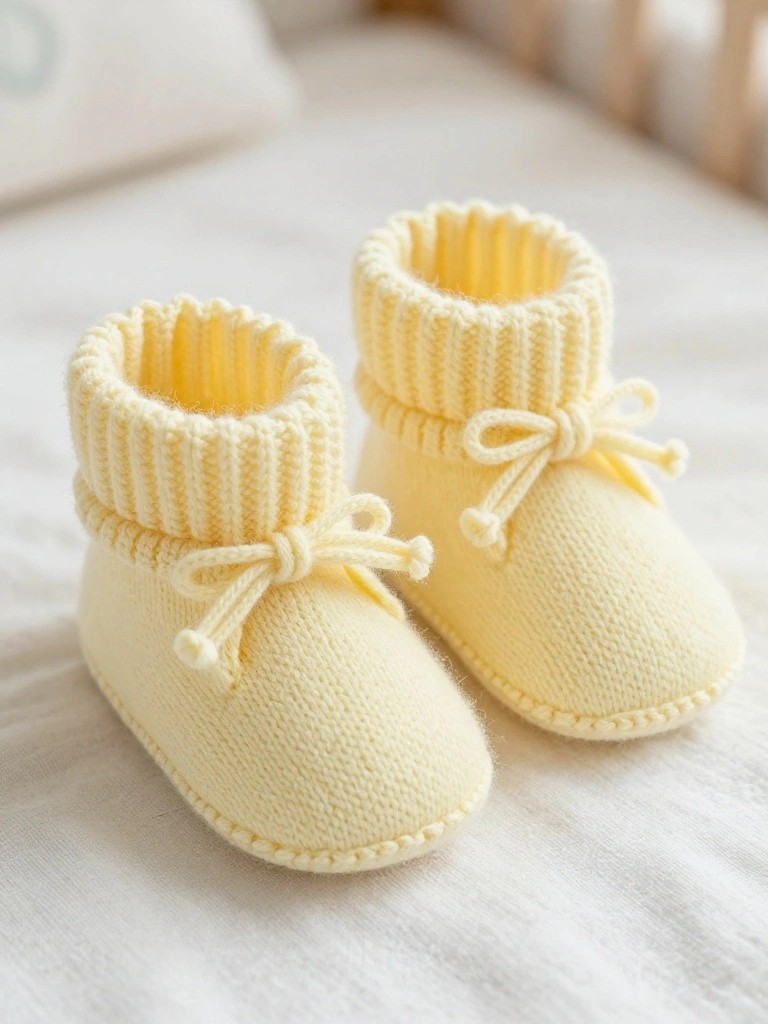
Ribbed baby booties start with a simple tube of knit-in-the-round stitches that fold over at the ankle for a secure cuff. A gathered bow ties the front, adding shape without seams or extra pieces. The allover ribbing creates stretch and texture that hugs tiny feet, making this a staple in baby knit accessories.
The small scale makes this easy to adapt—use worsted yarn for faster rows or fingering for delicate sizing. They work well for baby showers as quick gifts, and you can knit matching sets for hands and head. Swap the yellow for neutrals to layer under outfits or add color blocks for a modern twist that pops on social feeds.
Ribbed Headband with Stretchy Back Panel
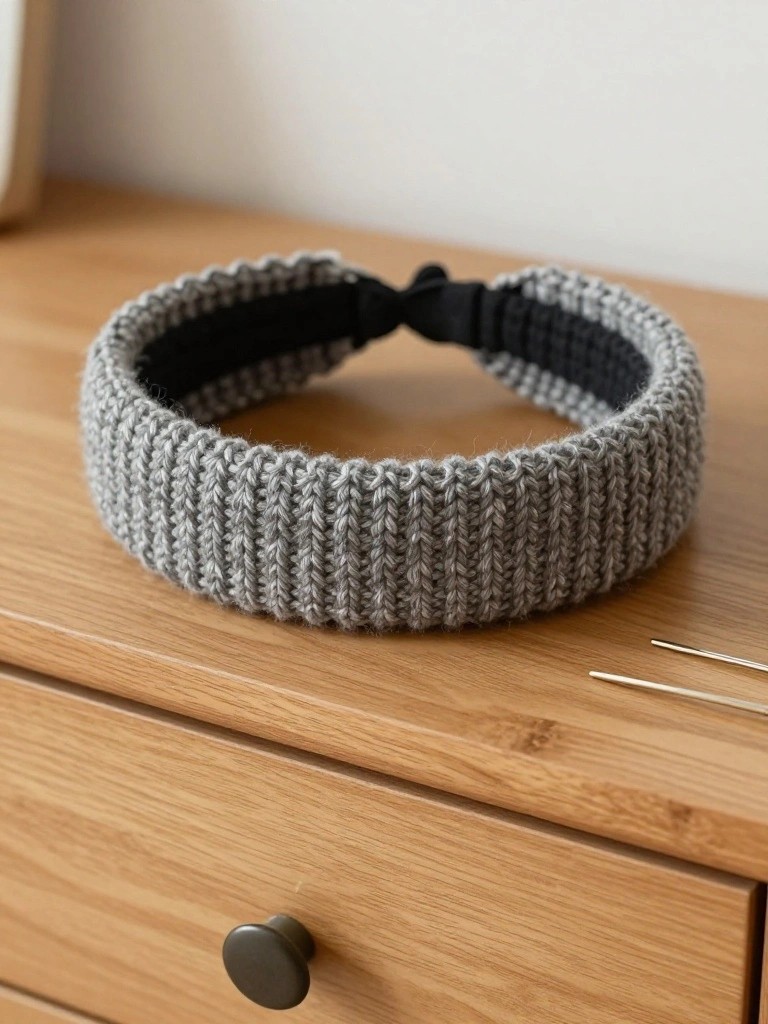
This knitted headband features a wide band of chunky ribbing in gray yarn that hugs the head comfortably with built-in stretch. A narrower black panel at the back provides extra hold and prevents slipping during wear. The two-tone setup creates clean lines that make the accessory look polished without complex colorwork.
A knit like this works especially well for cold-weather outings or quick indoor layering. Swap the gray for seasonal colors or leftovers to match scarves and gloves. The small scale keeps it beginner-friendly while letting you experiment with ribbing gauge for a custom fit.
Fuzzy Mittens with Ribbed Cuffs
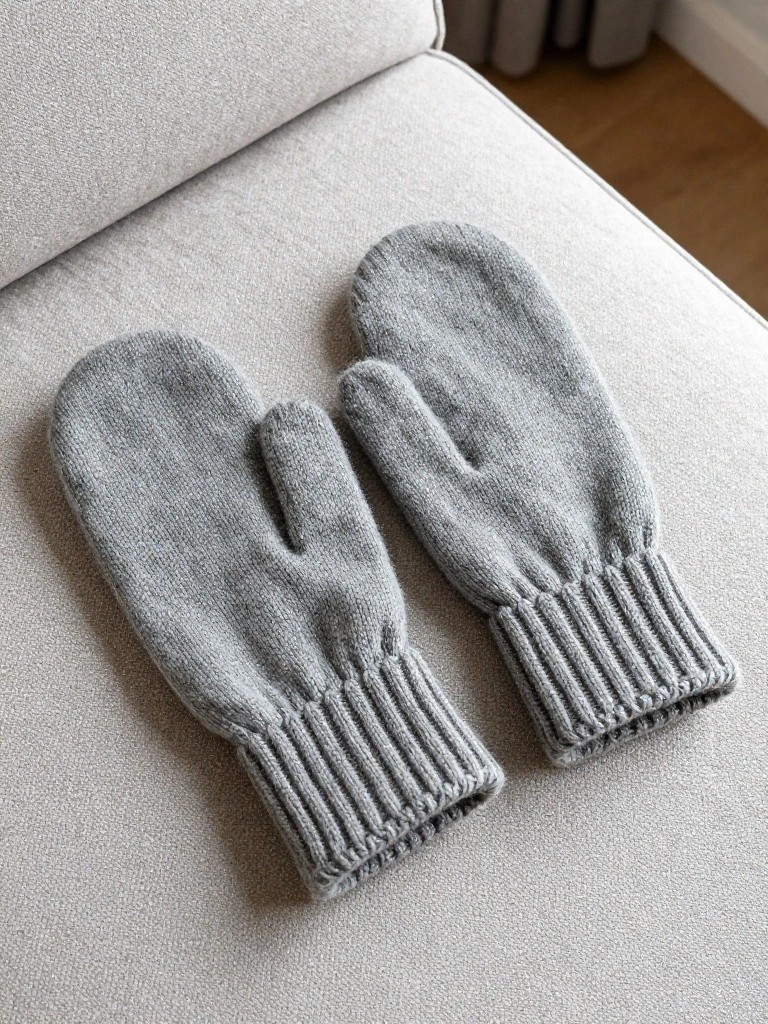
Knitted mittens built from fuzzy yarn create a thick, warm layer that blocks wind better than smooth stockinette. Ribbed cuffs pull tight at the wrist to seal in heat, while the thumb gusset adds shape without extra bulk. This accessory design relies on texture and fit to look finished fast.
A knit like this works especially well for cold commutes or outdoor play where hands need quick coverage. The small scale lets you adapt it to kid sizes or swap yarn colors for holidays. For everyday use, knit a pair in neutral tones to layer under jacket sleeves without fuss.
Ridged Knit Market Tote
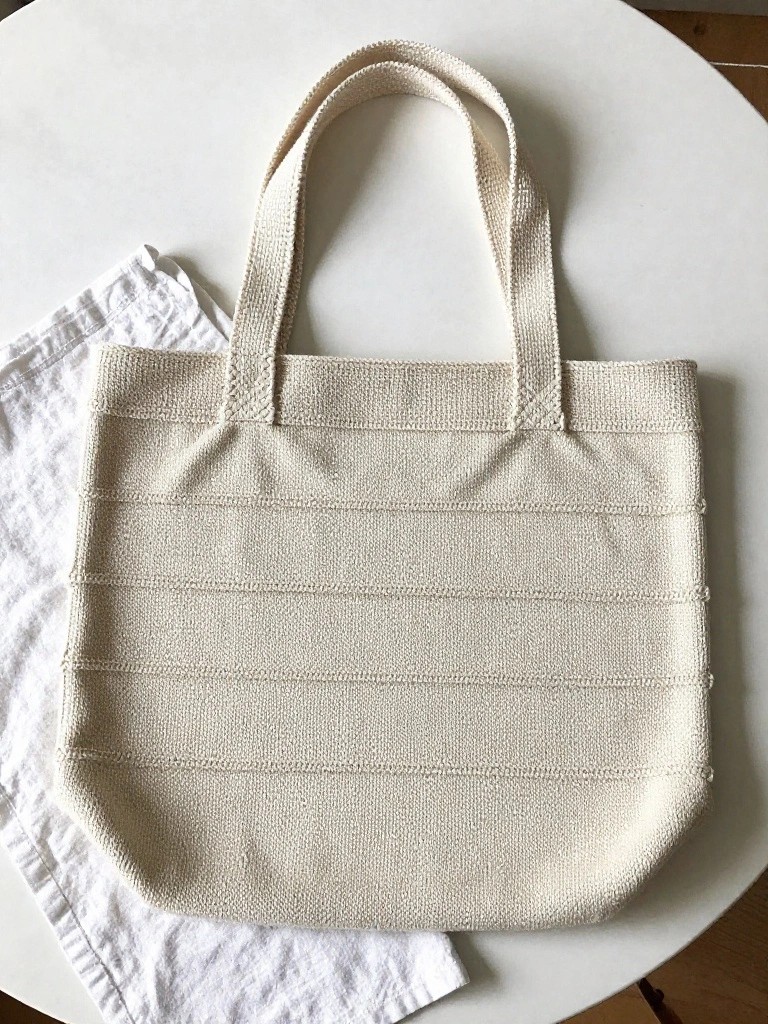
Knitted market totes build shape through stacked horizontal ridges that add texture and prevent the fabric from stretching out. The body forms a wide rectangle with clean lines from these knit details, while thick strap handles keep it practical. This approach fits the bag category perfectly, turning basic stockinette or garter work into a structured carrier.
The ridged structure handles weight from groceries or books without needing extra lining. Scale it down for a wristlet or lengthen for a backpack version, and switch to cotton yarn for summer use. Everyday errands get an upgrade with this handmade option that photographs well for sharing online.
Oversized Puffed Sleeve Sweater
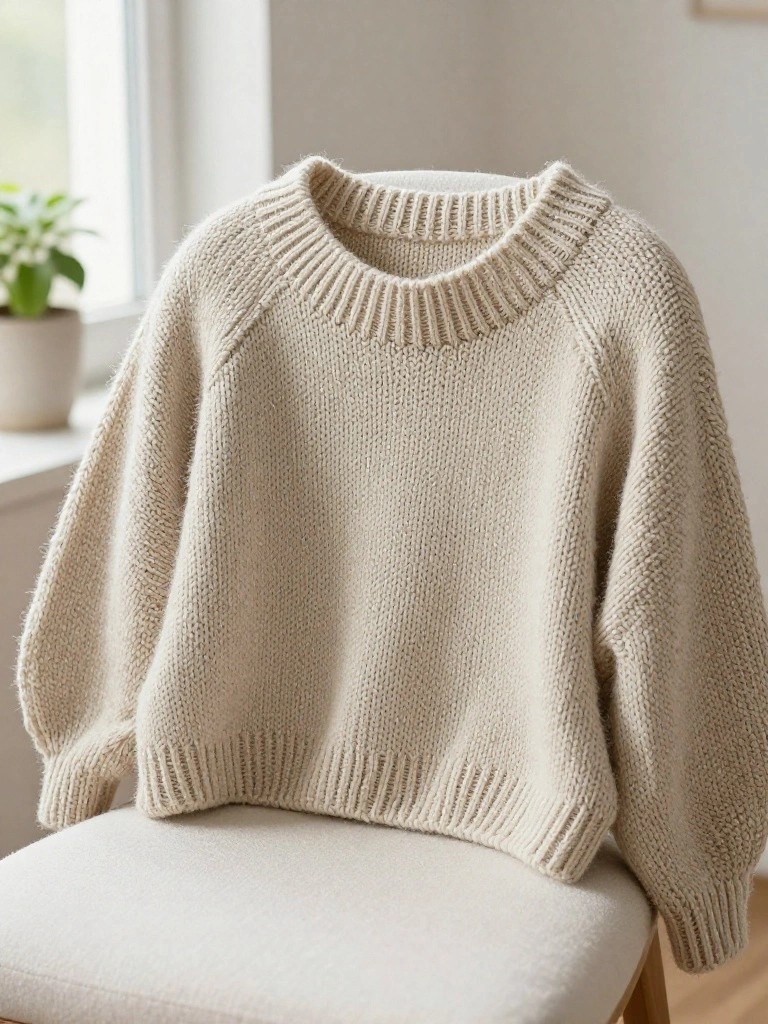
Knitted in a lofty fuzzy yarn, this crewneck pullover uses dropped shoulders and extra-full sleeves to build dramatic volume across the body and arms. The smooth knit structure highlights the yarn’s halo for a soft, textured finish without complicated patterns. Ribbing at the neck, cuffs, and hem anchors the oversized shape for a wearable fit in the sweater category.
A knit like this works especially well for transitional weather, layering over tees or under coats. Switch to brighter yarns or thinner weights to resize for kids or cropped versions that pair with high-waisted pants. The bold silhouette grabs attention on Pinterest and simplifies into a baby sweater by cutting the yardage in half.
Knit a Buttoned Striped Mug Cozy
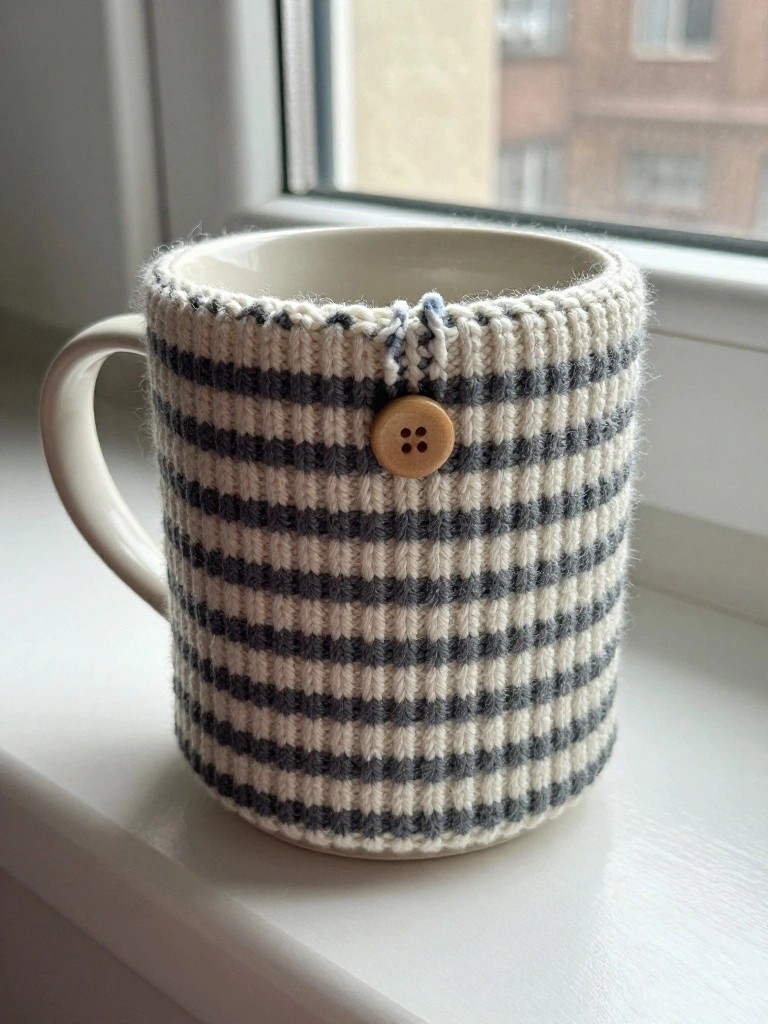
Knitted mug cozies like this slip over standard ceramic mugs with ribbed stripes in cream and gray yarns that create a snug, textured fit. The wide ribs give stretch for easy on and off while the fuzzy yarn adds grip for holding hot drinks. A button secures the overlapping flap to prevent sliding.
The small scale makes this easy to adapt for different mug sizes or yarn scraps you have on hand. Stripes hide minor tension issues, so it suits beginners practicing color changes. These work well as quick gifts or kitchen stackers that insulate hands and protect counters.
Knitted Triangle Trivet
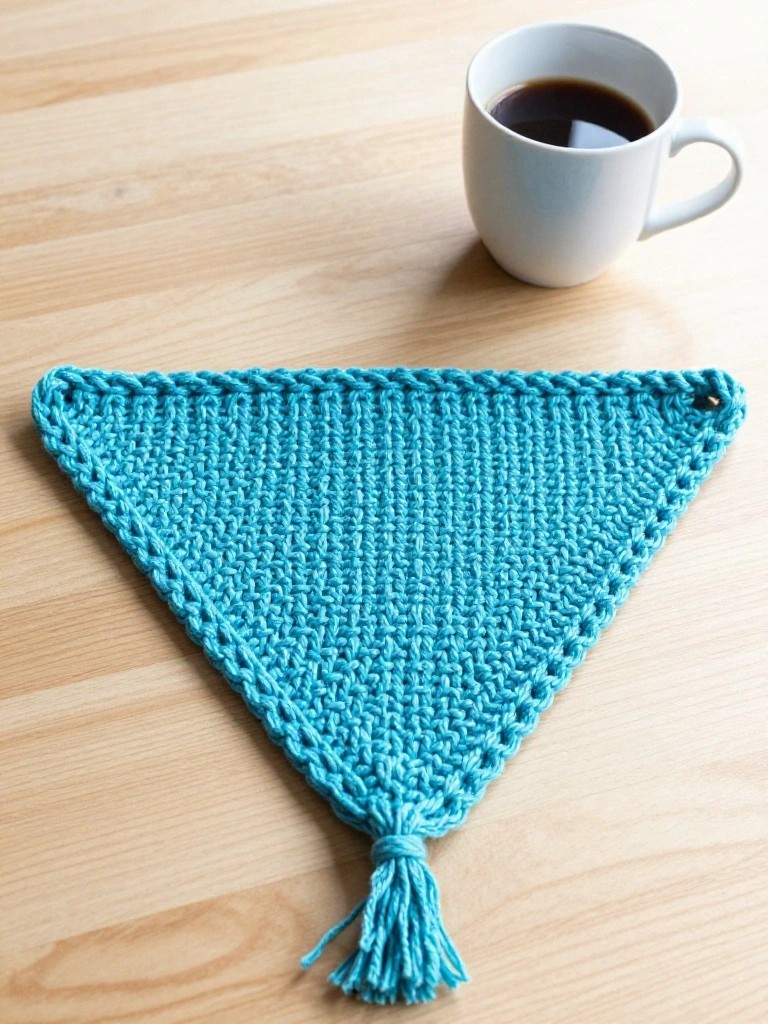
A knitted triangle trivet uses basic increases to form its three-sided shape, building a thick, protective pad for hot pots, mugs, or dishes straight off the stove. The even stitch texture grips heat well while the fringe at the point keeps it from sliding. As a kitchen accessory, it covers just enough table space without bulk.
The small scale finishes fast, letting beginners practice shaping on something useful right away. Scale it up for larger platters or swap colors to fit any kitchen setup. For gifts, knit a few in seasonal shades—they pack flat and stand out more than round ones on Pinterest.
Knit a Simple Ribbed Tank Top
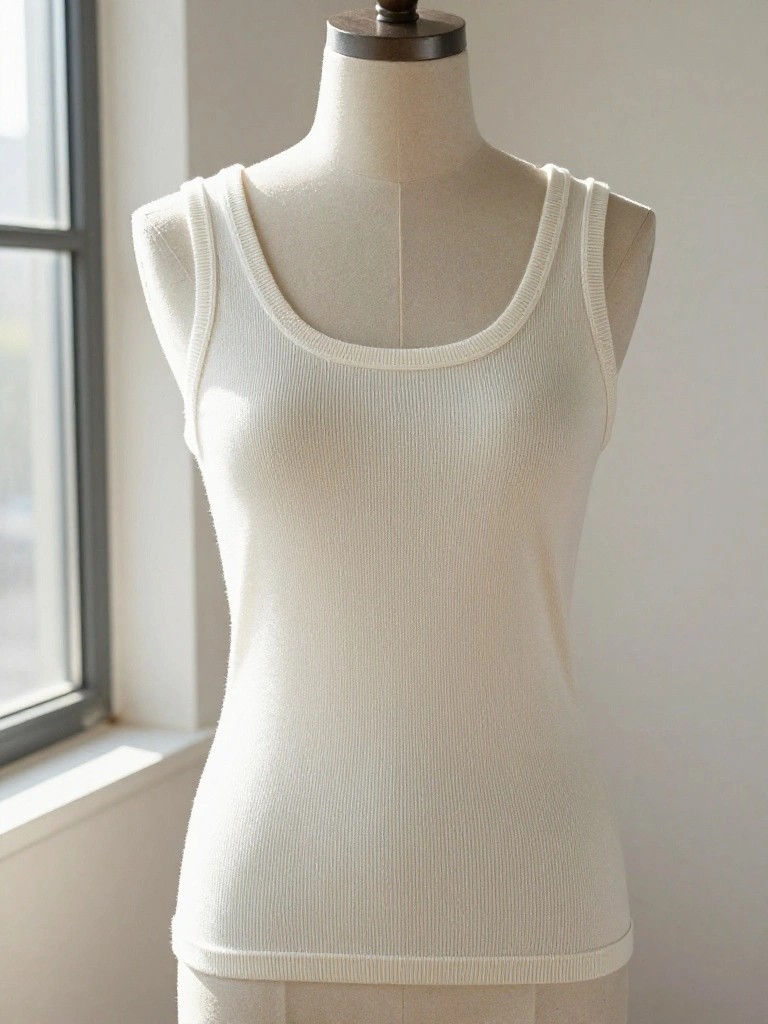
A ribbed knit tank top creates a stretchy, textured piece with a scoop neck and fitted shape that hugs the torso without bulk. The vertical ribbing adds subtle definition and elasticity for movement, making it a straightforward top project. This design stands out in the tank category for its clean lines and everyday versatility.
The shape does a lot of the work here by staying slim enough to layer under button-ups or alone in warm weather. Knit it in finer yarn for a cropped version or wider ribs for more drape, and it adapts easily to different body sizes. For quick projects, this turns into a smart gift that beginners can finish in a weekend.
Baby Romper and Ribbed Beanie Set
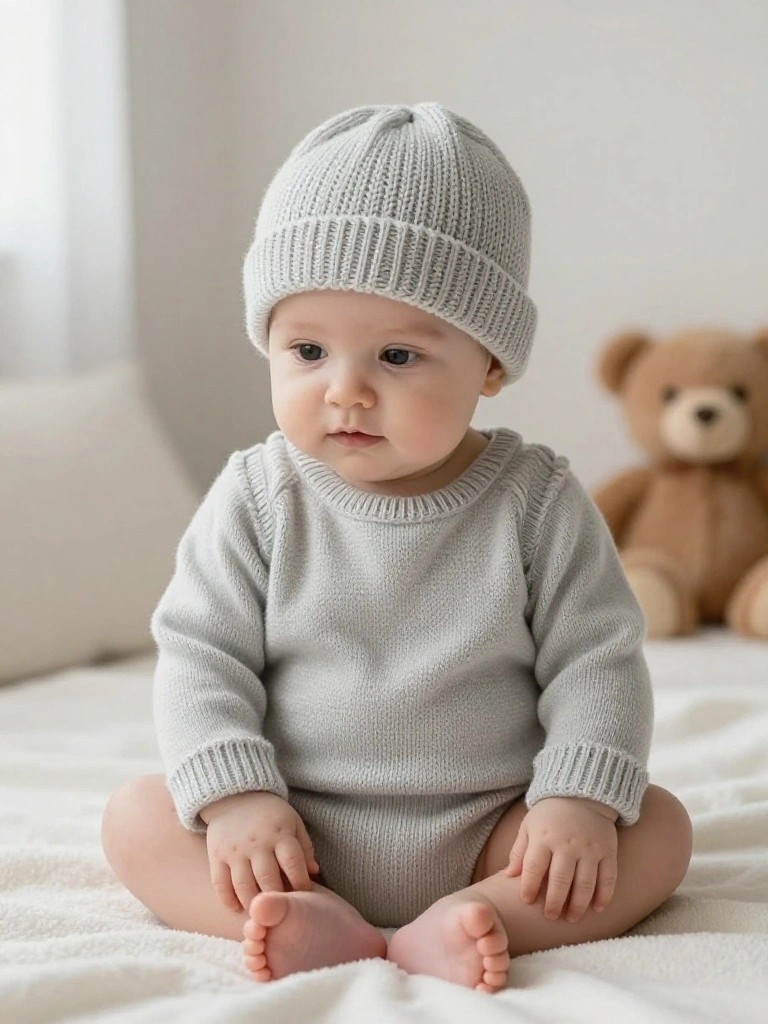
A baby romper knits as a long-sleeved bodysuit with short legs and a crewneck, using an even stitch texture that gives it a smooth drape and snug fit. The matching beanie relies on tight ribbing for structure and stretch, pulling the whole set together visually through its consistent light gray color. This baby knit combo stands out for its simple shape that follows a baby’s form without bulk.
The small scale turns this into a fast project that fits beginner schedules, with the romper blocking easily to size. Switch the gray for pastels or add contrasting ribbing on the cuffs to match nursery themes. It holds up for daily wear or gifting, since the ribbed edges prevent rolling and the fabric layers smoothly under blankets.
Knit a Strawberry Plush Toy
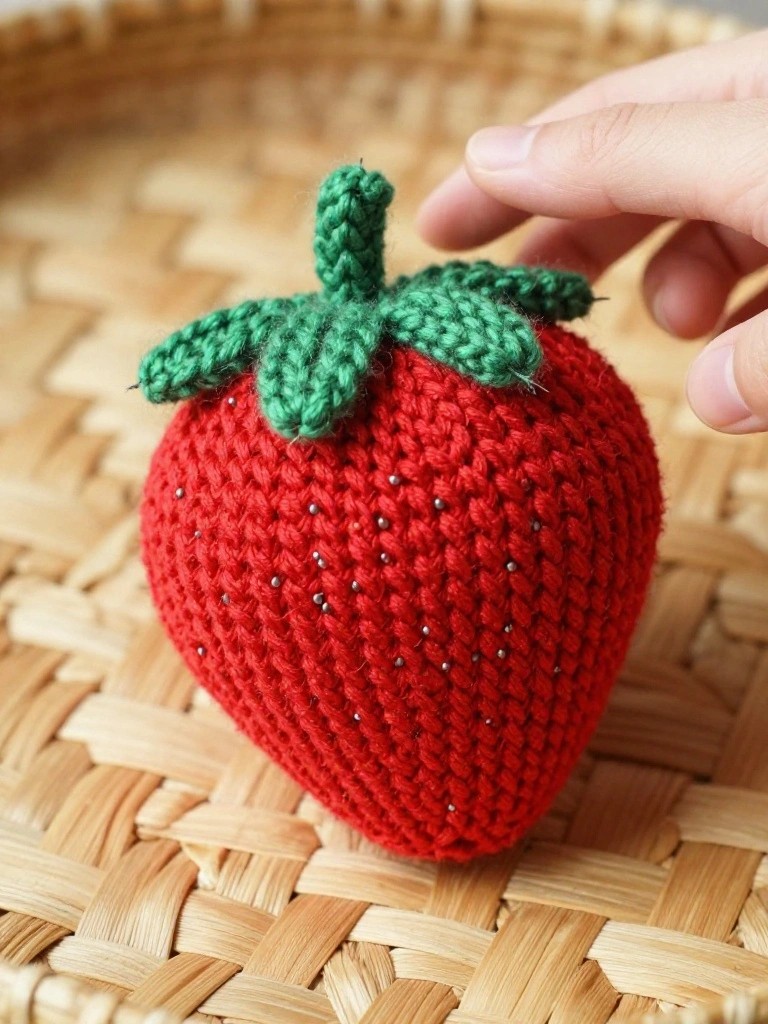
A knitted strawberry plush uses a tapered oval body in red yarn to form the fruit shape, with scattered shiny beads mimicking the tiny seeds for bumpy texture. The green calyx on top adds the finishing leaf detail, all worked in basic knit stitches. This plush toy fits the small-scale knit category, like quick baby accessories or decor pieces.
The small scale turns this into a one-evening project that builds seaming and stuffing skills without overwhelm. Swap bead seeds for simple embroidery or change fruits by picking yarn shades for cherries or peppers. For baby showers, it packs flat and travels well as a standout gift.
Ribbed Thigh-High Leg Warmers
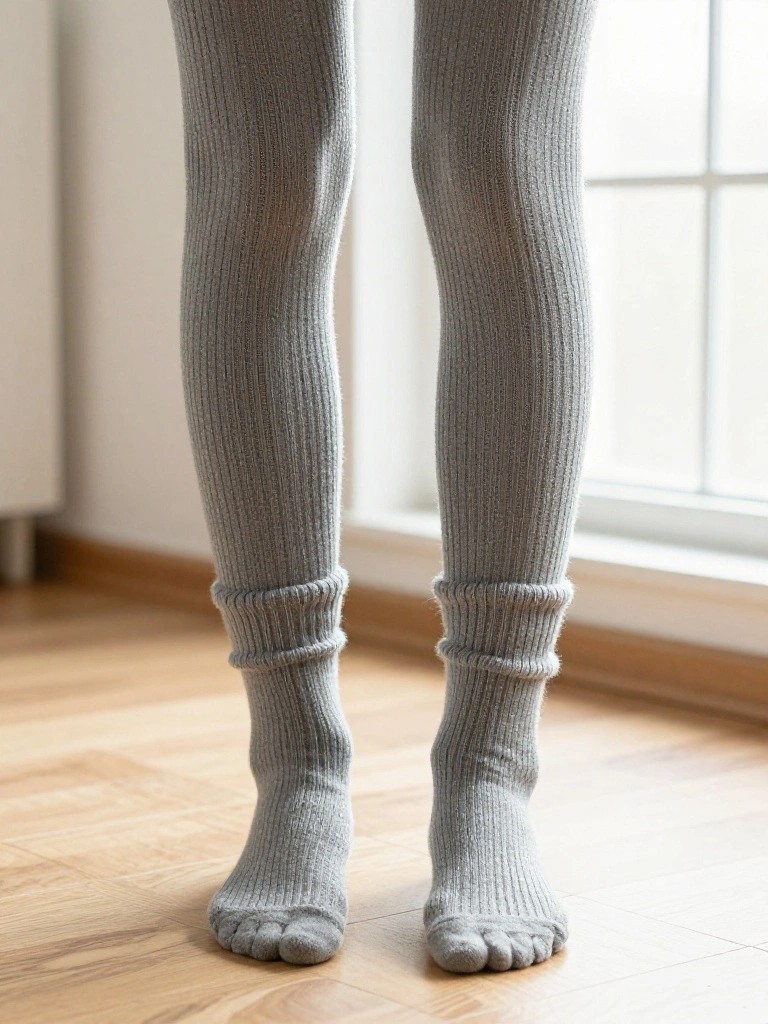
Ribbed leg warmers knit from toes to mid-thigh deliver a snug, stretchy fit through dense vertical ribs that shape to the leg. A wide folded cuff at the top keeps everything in place without extra fastenings. This accessory shines with its clean lines and texture that add subtle interest under or over clothes.
The small scale makes this easy to adapt into shorter calf versions or quick ankle socks for everyday wear. Neutral gray pairs with anything, but try bold colors or thin stripes in the cuff for a standout Pinterest pin. For cold weather layering under skirts or boots, the ribbed structure traps heat without bulk.
Scalloped Edge Baby Cardigan and Booties
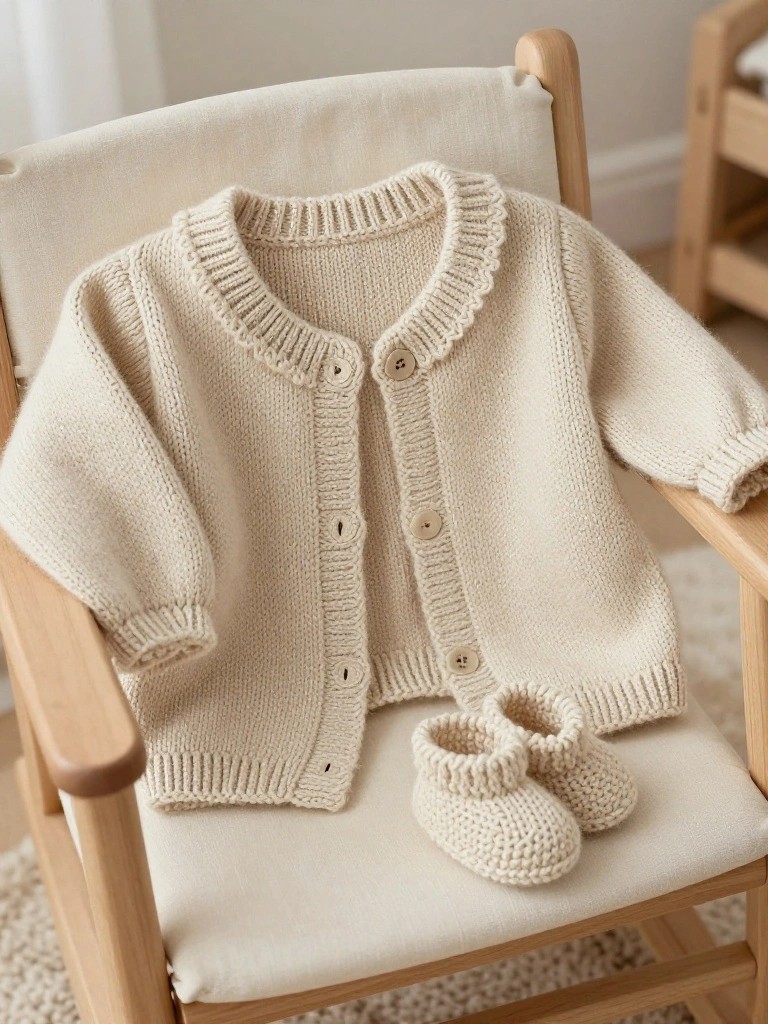
A bolero-style baby cardigan knits up with a wide rounded neckline and scalloped trim along the front edges and hem, giving clean lines from basic increases and a simple picot bind-off. The open front with spaced buttons keeps it easy to slip on, paired with puffed sleeves that end in ribbed cuffs for a snug fit. Matching booties use the same scalloped trim and fuzzy knit structure, making this a complete baby knit set ready for layering.
The small scale keeps this project quick to finish and low-risk for yarn use, perfect for testing new trims like scallops on something giftable. Adapt the neutral shade to pastels or bold colors for seasonal baby outfits, or skip the booties to focus on just the cardigan as a lightweight layer. For everyday baby wear, the brushed texture adds grip without bulk, and the shape scales up easily to toddler sizes.
Knit a Chunky Scrunchie Around Elastic
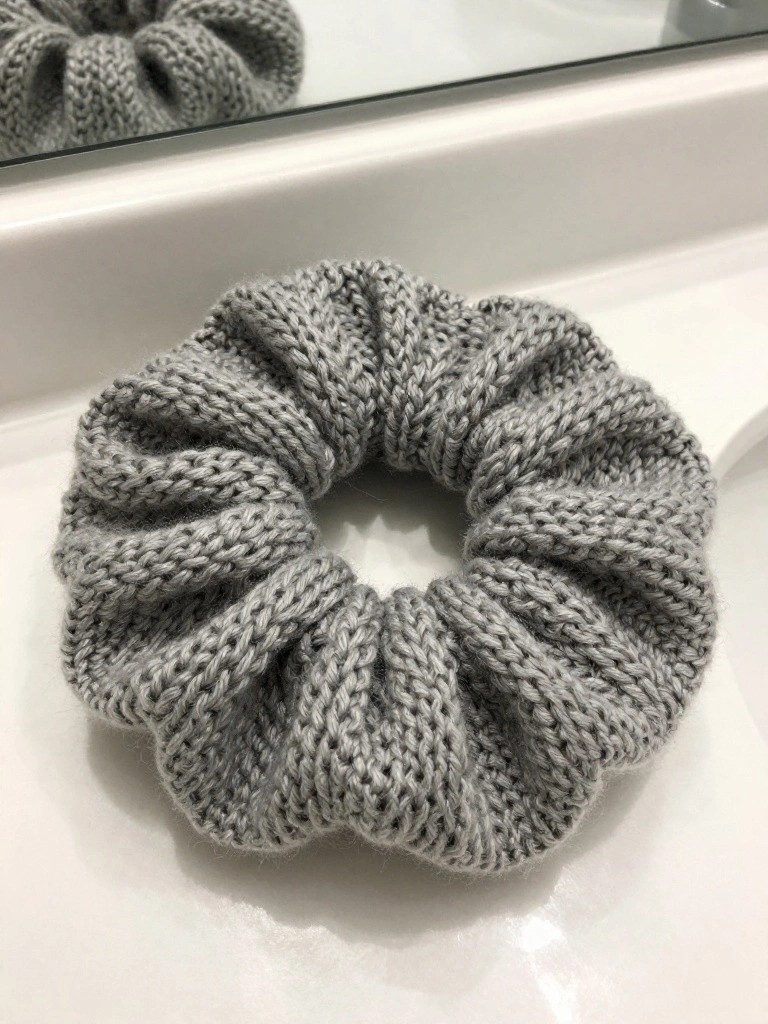
Knitted scrunchies cover a basic elastic band with loops of bulky ribbed stitches, forming a wide ruffled circle that bunches up for hold and volume. The even gray yarn creates a soft, nubby texture that grips hair without pulling. This accessory uses simple in-the-round knitting to turn scrap yarn into a wearable staple.
The small scale makes this easy to adapt for any yarn stash or color scheme. It holds up for daily ponytails, buns, or even as a bracelet when not in use. Beginners can simplify by using larger needles for faster rounds, and it reworks well into matching headbands.
Wavy-Textured Knitted Zipper Pouch
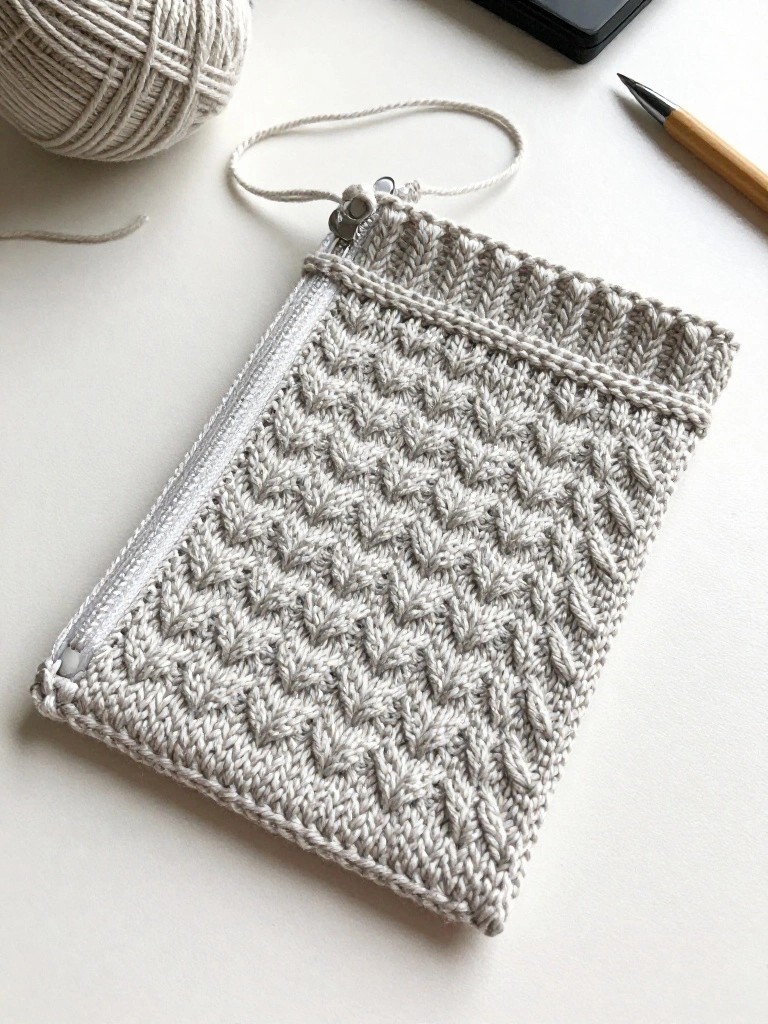
Knit a flat rectangular pouch with a zipper closure using a stitch pattern that builds raised, interlocking waves across the surface for built-in texture and depth. The simple shape sews up quickly around the zipper, turning it into a functional bag for small items. This accessory-style project highlights how knit structure can mimic woven fabric without extra tools.
The small scale keeps yarn use low and finish time short, so it suits quick makes or stash-busting. Scale the width for a phone case or lengthen for a glasses sleeve, and swap neutrals for bold stripes to personalize. A knit like this travels well in purses or desks, with the texture gripping contents securely.
Knitted Envelope Glasses Case
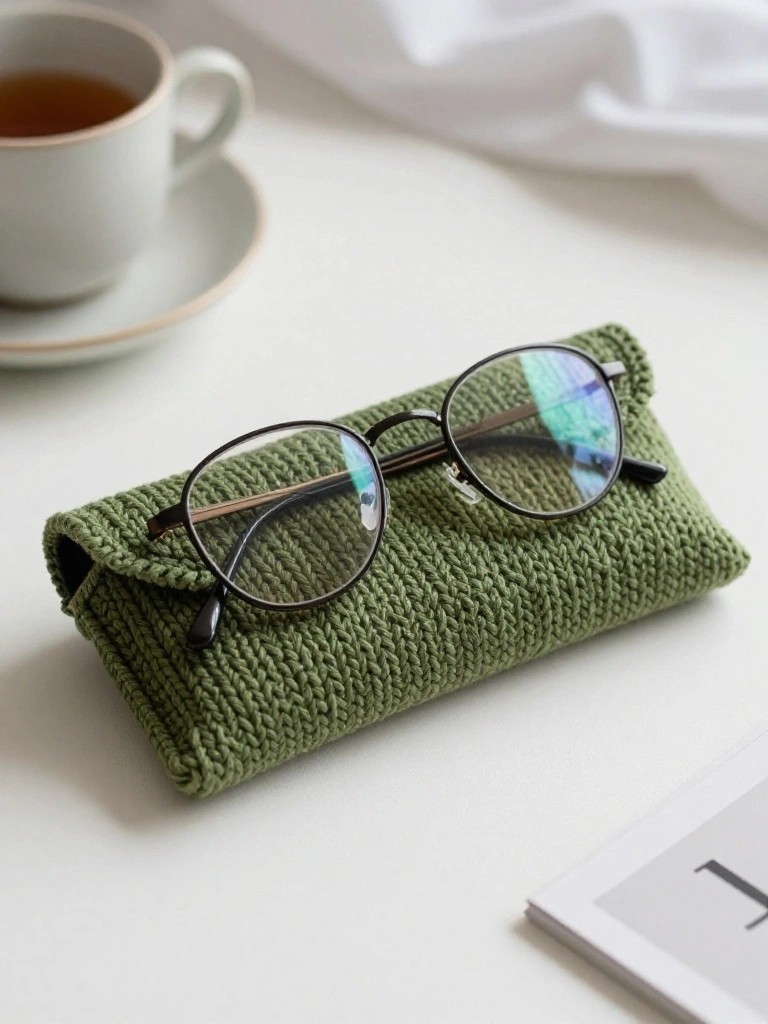
An envelope-style knitted case protects eyeglasses with a simple fold-over flap that secures them inside a padded pouch. The knit structure creates a textured surface that holds frames gently without slipping, and the rectangular shape fits standard glasses perfectly. As an accessory project, it relies on basic knitting to build a sturdy yet flexible holder.
The small scale makes this easy to adapt by adjusting width for larger sunglasses or slimming it into a pencil case. A knit like this works especially well for everyday carry in purses or pockets, keeping lenses scratch-free on the go. Switch yarn colors to match outfits, and it becomes a thoughtful, quick-knit gift.
Chunky Braided Knit Basket
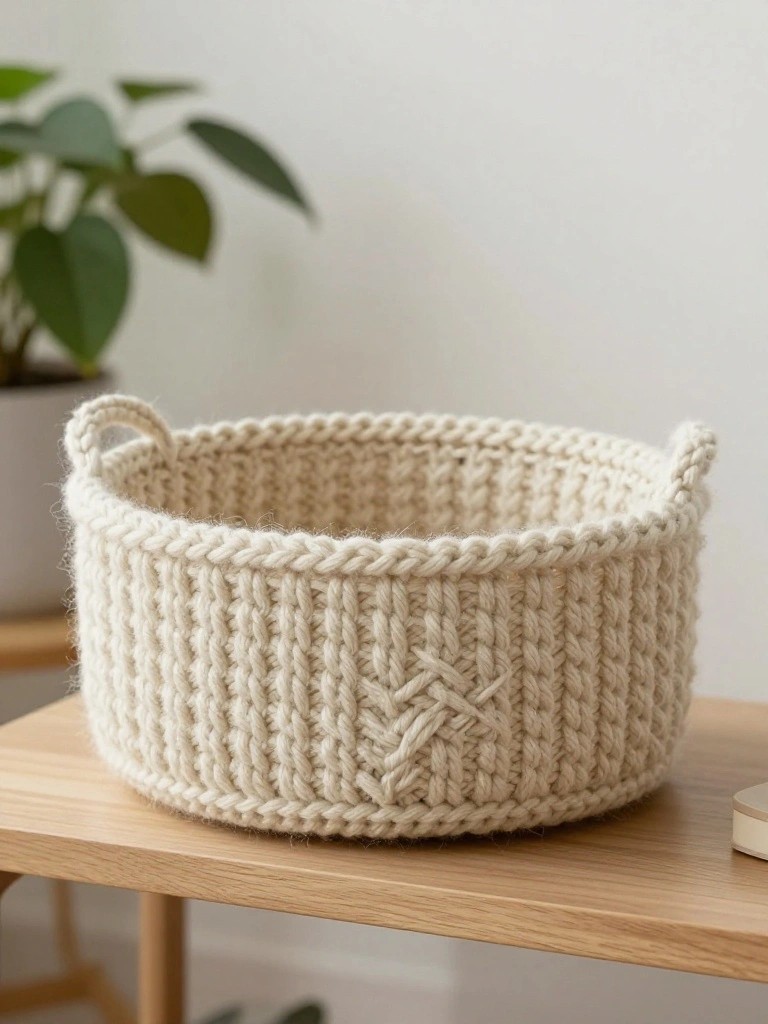
Chunky yarn builds a round knitted basket with thick handles that attach directly to the body for easy carrying. Vertical cable stitches create braided crossings that mimic basket weaving and add grip to the surface. A ribbed base gives it a stable footprint that sits flat.
Handles make this basket easy to move between rooms for quick storage of mail, remotes, or toiletries. Scale it smaller for a desk caddy or larger for blankets, and swap neutrals for bold yarn to match any room. The woven texture turns basic organization into a Pinterest standout without complex shaping.
Frequently Asked Questions
1. What yarn should beginners choose to make their first projects easier and more successful? Start with medium-weight (worsted) yarn in a single color, as it is forgiving for tension inconsistencies and lets you see stitch definition clearly. Avoid fuzzy or slippery yarns like mohair or silk blends until you have more experience. Brands like Lion Brand Wool-Ease or Cascade 220 are affordable, soft, and knit up quickly on size 8 (US 11mm) needles. This choice builds confidence by producing neat results fast without frustration.
2. How can I fix uneven tension, which is a common issue for new knitters? Uneven tension often comes from gripping too tightly. Practice the “knitting square” exercise: knit a 6×6 inch swatch using only knit stitches, then gently tug the edges to even it out. Hold yarn with your index finger raised slightly and let it flow loosely from your palm. If stitches are too tight, switch to larger needles. Track progress by measuring gauge weekly; consistent 4 stitches per inch signals improvement and boosts your knitting morale.
3. What do I do if I drop a stitch, and how can I prevent panic? Do not unravel everything. Use a crochet hook or knitting needle tip to pick up the dropped stitch from below, working it back up ladder-like until it reaches the needle. For prevention, place a stitch marker every 10 stitches on your first rows. Practice on scrap yarn daily for 5 minutes; this tip alone turns mistakes into quick fixes, helping you finish projects instead of restarting and building real confidence through resilience.
4. Which simple project should I start with to apply these tips and see results quickly? Begin with a chunky garter stitch scarf using super bulky yarn and large needles (size 13 or 15 US). It uses one stitch (knit every row), finishes in 2-3 hours, and hides imperfections perfectly. Follow tip #7 from the article: count rows in sets of 10 to stay motivated. Wear it immediately for that “I made this!” win, then progress to dishcloths. This snowball effect of small successes accelerates confidence like nothing else.
5. How often should beginners practice, and what daily habit builds skills fastest? Knit 10-15 minutes daily rather than marathon sessions; consistency rewires muscle memory. Use a “tip of the day” journal: pick one from the 23 tips (like loose elbows for relaxed posture), apply it that session, and note wins. Apps like KnitCompanion track progress visually. In two weeks, you will notice smoother stitches and fewer errors, creating a positive feedback loop that makes knitting addictive and confidence-building.
