

Banana trees thrive in Santa Ana, CA due to the region’s unique coastal microclimate. Understanding these environmental factors can help gardeners successfully cultivate bananas and maximize fruit production.
Coastal Microclimate Advantages for Banana Trees
Coastal microclimates in Santa Ana create ideal conditions for growing banana trees. The proximity to the ocean moderates temperature fluctuations, providing warmth in winter and cooling breezes in summer. This stability allows banana trees to flourish, as they prefer consistent temperatures and protection from extreme weather.
Banana trees also benefit from the region’s humidity levels, which can enhance growth and fruit development. The combination of warmth, moisture, and sunlight creates an environment where banana trees can thrive.
Recommended Products
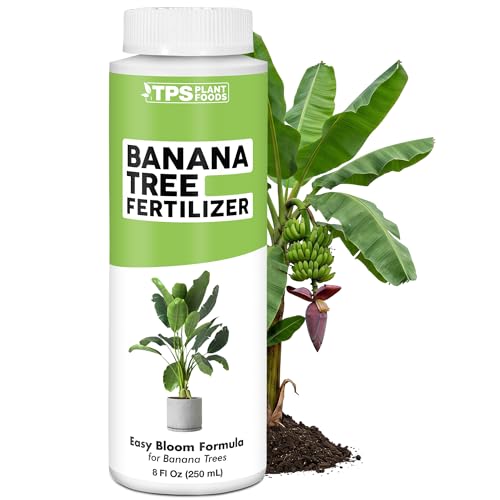
Made for Banana Trees – Specially formulated banana fertilizer designed to support the nutrient needs of banana plants.

PREMIUM FUEL LIQUID FERTILIZER: Wellspring Gardens Banana Fuel Liquid Fertilizer Concentrate provides a quality nutrient blend with minor elements that could grow your plants. Its 3-1-6 formula ratio is the ideal fertilizer ration according to University of Florida which is what our product is made of.

2X MORE VALUE: The 16 oz bottle of Banana Plant Fertilizer makes 16 gallons of banana fertilizer for fruit trees, while the bigger size 32 oz bottle makes 32 gallons for lasting care of your banana trees.
Successful Banana Tree Cultivation Factors
Cultivating banana trees in Santa Ana, CA, requires an understanding of the unique coastal microclimate that influences growth. Factors such as temperature, humidity, and soil conditions play crucial roles in successful cultivation. This section explores the essential elements that contribute to thriving banana trees in this specific environment.
Several factors contribute to the successful cultivation of banana trees in Santa Ana. Understanding these will help gardeners achieve optimal results.
Temperature: Banana trees thrive in temperatures between 75°F and 95°F.
Sunlight: Full sun exposure for at least 6-8 hours daily is essential for healthy growth.
Soil: Well-draining, nutrient-rich soil is crucial. A mix of loamy soil with organic matter works best.
Watering: Regular watering is necessary, especially during dry spells. Aim for consistent moisture without waterlogging.
Banana Tree Growth Parameters in Santa Ana
Understanding the growth parameters of banana trees in Santa Ana reveals how this coastal microclimate uniquely influences their development. Factors such as temperature, humidity, and soil conditions play crucial roles in determining the health and yield of these tropical plants. By examining these elements, we can uncover the secrets to successful banana cultivation in this specific region.
The following table summarizes essential growth parameters for banana trees in Santa Ana.
| Growth Factor | Ideal Condition | Importance |
|---|---|---|
| Temperature | 75°F to 95°F | Optimal growth |
| Sunlight | 6-8 hours daily | Fruit production |
| Soil Type | Loamy with organic matter | Nutrient availability |
| Watering | Consistent moisture | Prevents stress |
Banana Tree Pest Control Techniques
In the unique coastal microclimate of Santa Ana, California, banana trees thrive but also face various pest challenges. Effective pest control techniques are essential for maintaining healthy plants and maximizing fruit production. This section explores practical strategies tailored to the specific conditions and pest threats encountered in this region.
Pest and disease management is crucial for maintaining healthy banana trees. Common pests include aphids and spider mites, which can hinder growth and fruit yield. Implementing integrated pest management strategies can help mitigate these issues.
Regular Monitoring: Inspect plants weekly for signs of pests.
Natural Predators: Introduce ladybugs or lacewings to control aphid populations.
Organic Pesticides: Use neem oil or insecticidal soap for treatment.
Nutrient Strategies for Thriving Banana Trees
In Santa Ana, CA, the unique coastal microclimate offers ideal conditions for cultivating banana trees. To maximize their growth and fruit production, understanding and implementing effective nutrient strategies is essential. This section delves into the specific nutrients that support thriving banana trees in this region, ensuring healthy plants and bountiful yields.
Fertilization plays a significant role in the health of banana trees. Applying the right nutrients at the right time can enhance growth and fruit production.
N-P-K Ratio: Use a balanced fertilizer with a ratio of 8-10-10 during the growing season.
Frequency: Fertilize every 6-8 weeks for best results.
Organic Options: Incorporate compost or well-rotted manure to improve soil health.
Planting Considerations for Banana Trees
When planting banana trees in Santa Ana, CA, understanding the unique coastal microclimate is essential for successful growth. Factors such as soil type, sunlight exposure, and moisture levels play a crucial role in ensuring these tropical plants thrive. This section delves into the specific considerations to keep in mind for optimal banana tree cultivation in this region.
When planting banana trees in Santa Ana, consider the following logistics to ensure success.
Spacing: Space trees 10-15 feet apart to allow for growth.
Timing: Plant in spring after the last frost for optimal growth.
Mulching: Apply a layer of mulch to retain moisture and suppress weeds.
Frost Protection Strategies for Banana Trees
In Santa Ana, CA, the unique coastal microclimate presents both opportunities and challenges for growing banana trees. Frost can pose a significant threat to these tropical plants, making effective protection strategies essential for successful cultivation. Understanding and implementing these methods will help ensure the health and productivity of banana trees in this region.
Banana trees are sensitive to frost. Protect young plants by covering them during cold snaps or moving potted varieties indoors.
Coastal Strategies for Banana Tree Growth
In Santa Ana, CA, the unique coastal microclimate offers distinct advantages for growing banana trees. Understanding the specific strategies that leverage this environment can significantly enhance growth and fruit production. This section explores effective methods tailored to the coastal conditions that support thriving banana trees in the region.
By understanding the coastal microclimate and implementing effective strategies, gardeners in Santa Ana can successfully cultivate banana trees. Focus on temperature, sunlight, soil, and pest management to maximize fruit production.
