

Quince trees can bear fruit for up to 50 years with proper care. Choosing the right organic fertilizers is essential for their health and longevity.
Learn about the benefits of organic fertilizers, different types, and how to apply them. Whether you're interested in making your own organic fertilizer or buying commercial options, the right choice can greatly impact the growth and yield of your quince trees.
Key Takeaways
- Organic fertilizers, such as compost, manure, fish emulsion, and bone meal, offer numerous benefits for quince trees, including enhanced growth, increased fruit production, improved nutrient absorption, and increased resistance to diseases and pests.
- Application of organic fertilizers should be done in early spring and fall, after assessing the nutrient balance in the soil and preparing it by removing weeds and debris. It is important to strike a balance and avoid over-fertilization.
- Homemade organic fertilizer recipes, such as banana peel fertilizer, eggshell fertilizer, coffee grounds fertilizer, and weed tea fertilizer, offer a cost-effective and sustainable approach to nourishing quince trees.
- Commercial organic fertilizers, such as fish emulsion or seaweed-based fertilizers and those containing mycorrhizal fungi, can complement homemade efforts and promote optimal nutrient absorption, growth rate, and soil health. It is important to choose products that support sustainability and soil health.
Benefits of Organic Fertilizers for Quince Trees
By using organic fertilizers for your quince trees, you can enhance their growth and fruit production while promoting a healthy and sustainable environment.
Organic fertilizers improve nutrient absorption in quince trees, ensuring that they receive a balanced diet of essential minerals. This leads to stronger, more resilient trees that are better equipped to resist diseases and pests.
Additionally, organic fertilizers contribute to soil health by promoting the growth of beneficial microorganisms and earthworms. These organisms work to improve soil structure, water retention, and overall fertility, creating a thriving ecosystem for your quince trees to flourish in.
Types of Organic Fertilizers for Quince Trees
When selecting organic fertilizers for your quince trees, consider using a well-balanced blend that provides essential nutrients for healthy growth and abundant fruit production. Here are four types of organic fertilizers that can help maintain soil health and promote the natural nutrient sources needed for your quince trees:
- Compost: Rich in organic matter, compost enhances soil structure and fertility, aiding in moisture retention and nutrient availability.
- Manure: A natural source of nitrogen, phosphorus, and potassium, manure enriches the soil and supports robust growth.
- Fish Emulsion: High in essential nutrients, fish emulsion nourishes quince trees, promoting strong root development and fruit set.
- Bone Meal: An excellent source of phosphorus, bone meal encourages healthy root systems and improves fruit quality.
These organic fertilizers not only provide vital nutrients but also contribute to effective soil health management.
Recommended Products
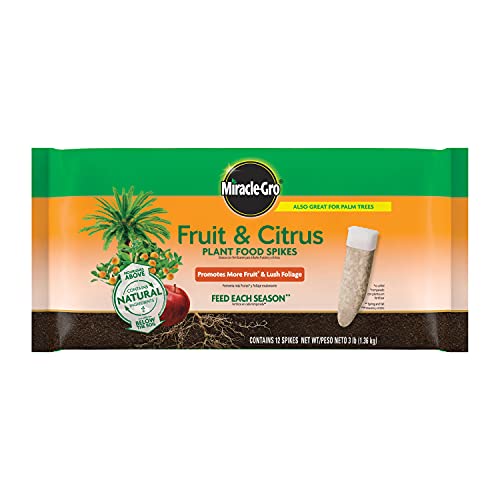
FORMULATED FOR CITRUS AND FRUIT TREES: Use these citrus fertilizer spikes on apple, orange, lemon, lime, and avocado trees; this formula is also great for feeding palm trees

Package contains 4 Pounds organic fruit and citrus fertilizer grains and is produced to avoid wasteful runoff, mess, hazards and smells

Package contains 4 Pounds organic fruit and nut fertilizer grains and is produced to avoid wasteful runoff, mess, hazards and smells
Application Tips for Organic Fertilizers
To ensure effective application of organic fertilizers for your quince trees, consider the specific timing and methods that best suit the needs of your orchard.
Before applying organic fertilizers, it's crucial to assess the nutrient balance in the soil. Conduct a soil test to identify any deficiencies and tailor the fertilizer application to address these specific needs.
Quince trees benefit from a well-prepared soil, so ensure that the area around the tree is free from weeds and debris before applying the fertilizer.
When it comes to fertilizer timing, consider the growth stages of your quince trees. Apply fertilizers in the early spring to support growth and again in the fall to promote root development.
Additionally, be mindful of the application frequency, as over-fertilizing can harm the trees. It's essential to strike a balance to provide adequate nutrients without overloading the soil.
Recommended Products

FOR USE ON: Use Tree-tone organic fertilizer for all shade, fruit and ornamental trees including apple and peach trees

Down to Earth Fruit Tree is a five pound box of all natural fertilizer with 6-2-4 formula and is listed by the Organic Materials Review Institute (OMRI) for use in organic production

FOR USE ON: Use Evergreen-tone organic fertilizer for all needle leaf and broadleaf evergreens. This includes pine, fir spruce, juniper as well as azaleas, rhododendron and camellias
Homemade Organic Fertilizer Recipes
For a cost-effective and sustainable approach to nourishing your quince trees, consider creating your own organic fertilizer blends using common household ingredients. Making homemade organic fertilizer not only helps in reducing waste but also provides your quince trees with essential nutrients.
Here are four nutrient-rich compost and natural ingredient-based fertilizer recipes that you can easily make at home:
- Banana Peel Fertilizer: Blend banana peels with water in a blender and pour the mixture directly onto the soil around your quince trees.
- Eggshell Fertilizer: Crush eggshells into small pieces and sprinkle them around the base of your quince trees to provide a calcium boost.
- Coffee Grounds Fertilizer: Mix used coffee grounds with water and pour the mixture around the roots of your quince trees to add nitrogen to the soil.
- Weed Tea Fertilizer: Steep common weeds in water for a few weeks to create a nutrient-rich liquid fertilizer for your quince trees.
Best Commercial Organic Fertilizers
If you're looking to explore commercially available options that complement your homemade organic fertilizer efforts, consider the best commercial organic fertilizers for nurturing your quince trees.
When it comes to soil health and sustainability, look for fertilizers that promote microbial activity and organic matter decomposition, such as fish emulsion or seaweed-based fertilizers. These products help maintain a healthy soil ecosystem, ensuring optimal nutrient absorption and promoting sustainable growth.
Additionally, choose fertilizers that contain beneficial microorganisms like mycorrhizal fungi, which enhance nutrient uptake and improve the quince trees' growth rate.
Recommended Products

All natural plant food to help plants grow, flower, fruit and stay deep green.
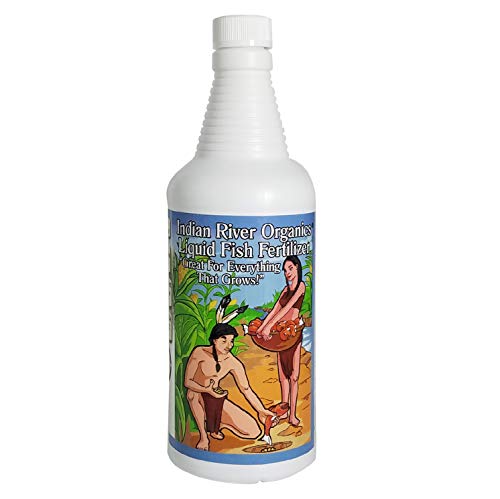
Far Superior to Emulsions: Our Proprietary Cold-Process Hydrolysis Preserves the Complex Nutrients that create Bigger Flower Blooms, Tastier Fruits & Vegetables, and Vibrant Green Lawns.

All purpose liquid fish fertilizer: Use on flowers, lawns, shrubs, trees, and other outdoor plants
Conclusion
Incorporating organic fertilizers into your quince tree care routine is a simple yet effective way to support their health and productivity. Whether you choose to make your own or purchase a commercial option, the use of organic fertilizers not only provides essential nutrients but also contributes to a sustainable and thriving environment.
By giving your quince trees the proper care they need, you can look forward to enjoying an abundance of delicious fruits year after year.
Happy gardening!
