

Growing tangerine trees in pots in Indianapolis, IN is achievable with the right techniques and care. Proper selection of pot size, soil, and climate considerations will ensure healthy growth and fruit production.
Choosing the Ideal Pot for Tangerine Trees
Choosing the right pot is crucial for the health of your tangerine tree. A pot that is too small restricts root growth, while one that is too large can retain excess moisture, leading to root rot. Aim for a pot that is at least 12-16 inches in diameter and has drainage holes.
Material: Use clay or ceramic pots for better breathability.
Size: Start with a minimum of 12 inches in diameter.
Drainage: Ensure the pot has multiple drainage holes.
Recommended Products
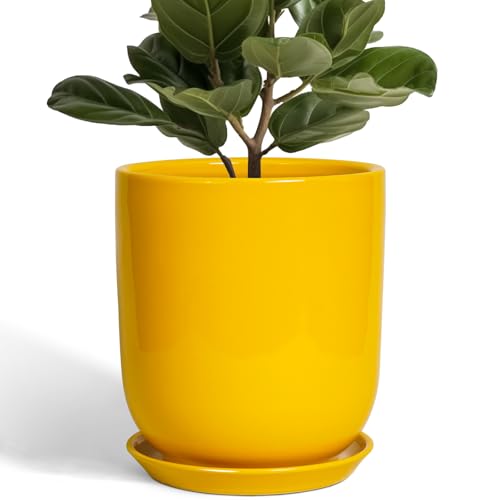
Mid-Century Modern Style: Featuring a minimalist design, the 10 inch plant pot with drainage holes are nice choice for storing all your indoor and outdoor large-sized plants for your home, office, garden decor

Modern Design: Our 6 inch plant pot features a beautiful and smooth orange glaze finish, suitable for decorating your window, bedroom, table, book shelf, desk, home, house, patio, porch, balcony, office, garden and more

【Rainbow Pearl Glaze Design】This ceramic Plant Pots has a pearl-like luster on its surface.When viewed from different angles,its color keeps changing,emitting a charming glow.It is highly suitable for decoration in homes, offices,desks,living rooms
Use Quality Soil for Optimal Growth
Choosing the right soil is crucial for the health and growth of tangerine trees in pots, especially in the unique climate of Indianapolis. Quality soil not only provides essential nutrients but also ensures proper drainage and aeration, which are vital for thriving citrus plants. This section will detail the best soil options to support your tangerine tree’s development.
The soil you choose affects the health of your tangerine tree. A well-draining potting mix is essential to prevent waterlogging. Look for a mix designed for citrus or create your own by combining potting soil with perlite and sand.
Components: Use equal parts potting soil, perlite, and sand.
pH Level: Aim for a pH between 5.5 and 6.5.
Nutrients: Consider adding slow-release fertilizer.
Optimal Watering Strategies for Tangerine Trees
Proper watering is crucial for the health and productivity of potted tangerine trees, especially in the varying climate of Indianapolis. This section outlines effective strategies to ensure your trees receive the right amount of moisture, promoting robust growth and fruit production. Understanding these techniques will help you cultivate thriving tangerine trees in your home garden.
Watering is a key factor in the success of your tangerine tree. Overwatering or underwatering can lead to stress and disease. Monitor the soil moisture regularly to determine when to water.
Frequency: Water every 7-10 days, depending on weather conditions.
Method: Water deeply until it drains from the bottom.
Signs of Stress: Look for yellowing leaves or wilting.
Recommended Products

Accurate Soil Moisture Detection: The XLUX Soil Moisture Meter can tell you if the soil deep inside your pot or garden is dry, moist or wet; whereas your eyes and fingers can only determine the moisture level of the soil surface. The probe is 5.5 inches (14 cm) longer than regular styles, allowing it to measure the soil moisture at the bottom of larger and deeper flower pots.

Accurate Soil Moisture Detection: The XLUX Soil Moisture Meter can tell you if the soil deep inside your pot or garden is dry, moist or wet; whereas your eyes and fingers can only determine the moisture level of the soil surface. The probe is 5.5 inches (14 cm) longer than regular styles, allowing it to measure the soil moisture at the bottom of larger and deeper flower pots.

🌱 Take the Guesswork Out of Plant Care Monitor soil moisture, pH levels, and sunlight intensity with one convenient 3-in-1 soil tester. Easily understand your plants’ growing conditions and make smarter care decisions for healthier indoor and outdoor plants.
Optimal Sunlight and Temperature for Tangerine Trees
Tangerine trees thrive in specific environmental conditions that are crucial for their growth and fruit production. Understanding the optimal sunlight and temperature requirements is essential for successfully cultivating these trees in pots, especially in a climate like Indianapolis. This section will provide detailed insights to help you create the perfect environment for your tangerine trees.
Tangerine trees require plenty of sunlight and warmth. Aim for at least 8 hours of direct sunlight each day. In Indianapolis, consider bringing the tree indoors during winter months to protect it from frost.
Indoor Placement: Use a south-facing window for maximum light.
Temperature Range: Keep temperatures between 60°F and 75°F.
Supplemental Lighting: Use grow lights if natural light is insufficient.
Fertilization Techniques for Tangerine Trees
Proper fertilization is crucial for the health and productivity of tangerine trees grown in pots, especially in the unique climate of Indianapolis. This section will explore effective techniques to ensure your trees receive the essential nutrients they need to thrive, helping you achieve a bountiful harvest of vibrant, juicy fruit.
Regular fertilization supports the growth and fruiting of your tangerine tree. Use a balanced fertilizer formulated for citrus trees to provide essential nutrients.
Type: Look for a 10-10-10 or 8-2-10 fertilizer.
Frequency: Fertilize every 6-8 weeks during the growing season.
Application: Follow package instructions for proper dosage.
Recommended Products
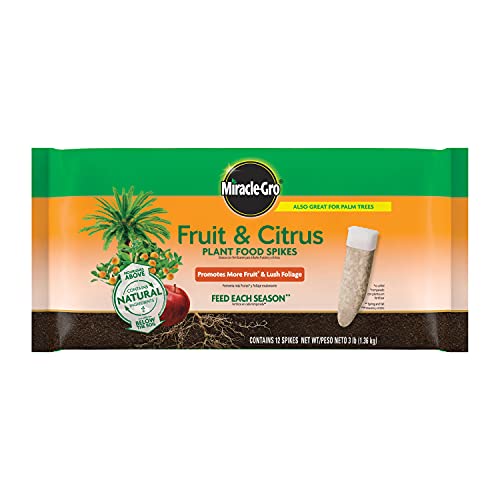
FORMULATED FOR CITRUS AND FRUIT TREES: Use these citrus fertilizer spikes on apple, orange, lemon, lime, and avocado trees; this formula is also great for feeding palm trees

Made for Lemon & Citrus Trees – Formulated to support healthy growth in lemon and citrus plants.

Package contains 4 Pounds organic fruit and citrus fertilizer grains and is produced to avoid wasteful runoff, mess, hazards and smells
Pest and Disease Inspection Techniques
Maintaining healthy tangerine trees in pots requires vigilant pest and disease inspection techniques. This section outlines effective methods to identify common issues that can affect your plants, ensuring they thrive in the unique climate of Indianapolis. By employing these strategies, you can safeguard your trees and enjoy a bountiful harvest.
Pests and diseases can hinder the growth of your tangerine tree. Regularly inspect the leaves and stems for signs of infestation or illness. Early detection is key to effective treatment.
| Pest/Disease | Symptoms | Treatment |
|---|---|---|
| Aphids | Curling leaves | Insecticidal soap |
| Scale | Sticky residue | Neem oil |
| Root rot | Wilting | Improve drainage |
Pruning Techniques for Healthy Tangerine Trees
Pruning is essential for maintaining the health and productivity of tangerine trees, especially when grown in pots. Proper techniques not only promote better growth but also enhance fruit quality. This section outlines effective pruning methods tailored for tangerine trees in Indianapolis, ensuring your plants thrive in their container environment.
Pruning is essential for maintaining the shape and health of your tangerine tree. Regular pruning encourages airflow and light penetration, reducing the risk of disease.
Timing: Prune in early spring before new growth.
Technique: Remove dead or crossing branches.
Goal: Aim for an open center to improve air circulation.
Tangerine Harvest Timing and Techniques
Harvesting tangerines at the right time is crucial for ensuring optimal flavor and quality. This section outlines the best practices for determining when your tangerines are ripe and the techniques for picking them effectively. Understanding these factors will help you enjoy a bountiful harvest from your potted trees in Indianapolis.
Knowing when to harvest your tangerines is crucial for optimal flavor. Typically, tangerines are ready to pick when they turn a vibrant orange color and feel slightly soft to the touch.
Timing: Harvest in late fall to early winter.
Method: Twist gently to remove fruit from the stem.
Storage: Store in a cool, dry place for up to two weeks.
By following these steps, you will successfully grow tangerine trees in pots in Indianapolis, IN. Proper care and attention will yield delicious fruit and a beautiful addition to your home.
