

Have you ever wondered why your fruit trees aren’t producing as much as you’d hoped? You’re not alone. Many gardeners face the challenge of nurturing their trees to yield sweet, juicy fruits. The right care can make all the difference, and fertilization is often a key factor.
In this article, you’ll learn whether fertilizing your fruit trees is necessary and how it can impact their growth and productivity. You’ll discover tips on choosing the right fertilizer and timing your application for the best results. By the end, you’ll feel confident in making the right choices to help your trees thrive and produce the delicious fruits you crave.
Key Takeaways
- Fertilization Importance: Fertilizing fruit trees is essential for their health, vigor, and productivity, aiding in enhanced growth and improved fruit yield.
- Benefits of Fertilization: Proper fertilization leads to stronger trees, increased fruit quality and quantity, better disease resistance, and improved soil health.
- Risks of Over-Fertilization: Excess nutrients can cause root burn, nutrient imbalance, and environmental harm. Always follow recommended application rates.
- Fertilizer Options: Choose between organic options (like compost and bone meal) for long-term benefits and synthetic fertilizers (like granular or liquid) for quick results.
- Timing Matters: The best time to fertilize is early spring when trees wake from dormancy, with possible mid-summer applications for additional support.
- Signs of Nutrient Needs: Look for indicators such as poor growth, yellowing leaves, and weak branches that suggest it’s time to fertilize your fruit trees.
Importance Of Fertilizing Fruit Trees
Fertilizing fruit trees plays a critical role in their health and productivity. It ensures trees receive essential nutrients and promotes better growth and fruit yield.
Benefits Of Fertilization
Fertilization offers several key benefits for fruit trees:
- Enhanced Growth: Nutrient-rich soil supports vigorous growth, leading to stronger, more resilient trees.
- Improved Fruit Yield: Proper fertilization increases the quantity and quality of fruit produced, providing a bountiful harvest.
- Disease Resistance: Healthy trees are less susceptible to pests and diseases, reducing the need for chemical treatments.
- Soil Health: Regular fertilization fosters a nutrient-rich environment that benefits the entire ecosystem, including beneficial microorganisms.
For example, applying a balanced fertilizer high in nitrogen early in the growing season encourages lush foliage, which supports fruit development.
Risks Of Over-Fertilization
While fertilizing is beneficial, over-fertilization poses risks.
- Nutrient Imbalance: Excess nutrients can lead to imbalance, causing deficiencies in other essential minerals.
- Root Burn: High concentrations of fertilizer can damage root systems, stunting growth or killing the tree.
- Environmental Harm: Runoff from over-fertilized areas can contaminate local waterways, harming aquatic ecosystems.
To minimize risks, follow recommended application rates provided by soil tests or product labels. For instance, avoid applying more than one pound of nitrogen per inch of trunk diameter per year.
Types Of Fertilizers
Choosing the right fertilizer for your fruit trees is crucial for optimal growth and health. Two main categories dominate the market: organic fertilizers and synthetic fertilizers.
Recommended Products

Package contains 4 Pounds organic fruit and citrus fertilizer grains and is produced to avoid wasteful runoff, mess, hazards and smells
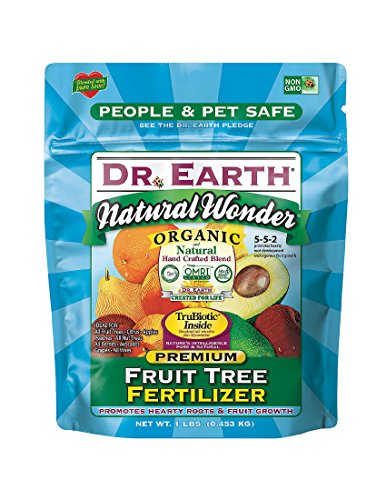
The only Non-GMO Project Verified fertilizer in the U.S.A.

Down to Earth Fruit Tree is a five pound box of all natural fertilizer with 6-2-4 formula and is listed by the Organic Materials Review Institute (OMRI) for use in organic production
Organic Fertilizers
Organic fertilizers come from natural sources and enrich soil with crucial nutrients. They promote overall soil health and strengthen beneficial microorganisms.
- Compost: Homemade or store-bought, compost provides a mix of nutrients and improves soil structure.
- Manure: Well-aged manure offers a slow release of nutrients. Fresh manure can burn roots, so ensure it’s composted.
- Bone Meal: High in phosphorus, bone meal supports root development and flowering.
- Fish Emulsion: This liquid fertilizer provides a balanced nutrient profile and stimulates healthy growth.
Using organic fertilizers builds long-term soil fertility. Apply them in early spring when your trees are waking up from dormancy.
Synthetic Fertilizers
Synthetic fertilizers, chemically manufactured, deliver nutrients quickly and efficiently. They provide a precise nutrient ratio tailored to specific plant needs.
- Granular Fertilizers: These slow-release formulas, like 10-10-10, evenly distribute nutrients over time. Apply according to package instructions.
- Liquid Fertilizers: Rapid-acting options ideal for quick nutrient boosts. Mix with water and apply directly to the soil or foliage for immediate effect.
- Slow-Release Fertilizers: Designed for long-lasting nutrient availability, these minimize the risk of leaching and reduce application frequency.
While synthetic fertilizers show quick results, they may affect soil health over time. Monitor your tree’s response and adjust your fertilization approach as needed.
By understanding the benefits and proper applications of each type of fertilizer, you enhance your fruit tree’s growth and productivity.
When To Fertilize Fruit Trees
Fertilizing fruit trees at the right time ensures optimal growth and fruit production. Understanding the best timing helps maximize the benefits while minimizing risks.
Seasonal Considerations
Fertilizers should align with the growing season. Apply fertilizers in early spring, just as trees begin to bud. This timing ensures trees access essential nutrients as they enter their active growth phase. For some varieties, a second application mid-summer can boost growth and fruit ripening. Avoid fertilizing in late fall or winter, as this can stimulate new growth susceptible to winter damage.
Signs That Trees Need Fertilization
Look for specific indicators signaling a need for fertilizer:
- Poor Growth: If your fruit tree shows minimal annual growth, it may lack essential nutrients.
- Slow Fruit Production: Trees not producing fruit or bearing smaller, less healthy fruit need nutrient support.
- Yellowing Leaves: Leaves that turn yellow may indicate nitrogen deficiency, a crucial nutrient for healthy foliage.
- Leaf Drop: Premature leaf drop often signals nutrient imbalance or deficiency.
- Weak Branches: Weak, thin branches struggling to support fruit may need additional fertilization.
Observing these signs helps you determine the best time for fertilization, promoting healthier trees and better yields.
How To Fertilize Fruit Trees
Fertilizing fruit trees correctly ensures healthy growth and good fruit production. Follow these guidelines for effective fertilization.
Recommended Products

1.Multiple application scenarios: This set of branch limb spreader is specially designed for fruit trees, equipped with limb spreader, which can be flexibly applied to different types of fruit trees, and is a good auxiliary tool for your plantation.
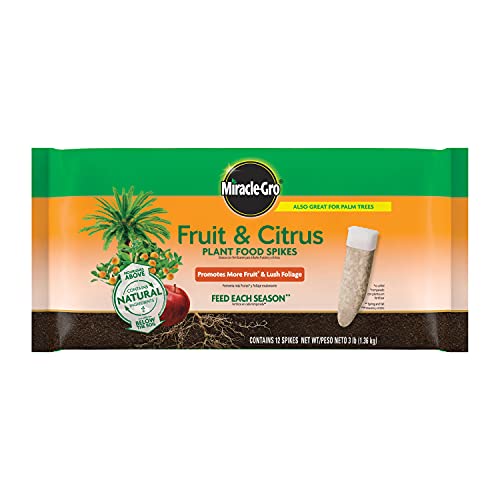
FORMULATED FOR CITRUS AND FRUIT TREES: Use these citrus fertilizer spikes on apple, orange, lemon, lime, and avocado trees; this formula is also great for feeding palm trees

CITRUS PLANT FOOD: This avacado, mango and citrus fruit tree fertilizer feeds plants for up to 3 months and nourishes above and below the soil
Application Techniques
- Spread Evenly: Apply the fertilizer uniformly around the tree’s drip line, which is the outer edge of the tree’s foliage. This ensures roots can access nutrients easily.
- Use a Soil Tester: Test your soil before fertilizing. Understanding nutrient levels and pH helps adjust your fertilization strategy.
- Water After Application: Water your trees lightly after applying fertilizer to help it dissolve and penetrate the soil, ensuring roots absorb it efficiently.
- Follow Label Guidelines: Always follow the manufacturer’s instructions for application rates. Different fertilizers contain varying nutrient concentrations.
- General Rule of Thumb: For young fruit trees, use 1 to 2 pounds of fertilizer per year of the tree’s age, not exceeding 10 pounds.
- Adjust Based on Tree Size: Larger or more established trees may require up to 15 pounds of fertilizer, depending on their specific needs and the soil quality.
By following these tips, you can ensure your fruit trees receive the vital nutrients necessary for thriving growth and abundant harvests.
Conclusion
Fertilizing your fruit trees can make a world of difference in their growth and productivity. By providing essential nutrients at the right time and in the right amounts, you’re setting your trees up for success. Remember to choose the type of fertilizer that best suits your needs and monitor your trees’ responses to ensure they’re thriving.
With a bit of care and attention, you’ll enjoy bountiful harvests and healthier trees for years to come. So go ahead and give your fruit trees the nourishment they deserve, and watch them flourish!
Frequently Asked Questions
What are the benefits of fertilizing fruit trees?
Fertilizing fruit trees enhances growth, improves fruit yield, increases disease resistance, and promotes better soil health. Providing essential nutrients allows trees to thrive, ultimately leading to a more fruitful harvest.
When is the best time to fertilize fruit trees?
The optimal time to fertilize fruit trees is early spring, as trees start to bud. A second application may be beneficial in mid-summer for certain varieties. Avoid fertilizing in late fall or winter to prevent damage from cold weather.
What types of fertilizers are available for fruit trees?
Fertilizers for fruit trees can be categorized into organic and synthetic options. Organic fertilizers, like compost and manure, enhance soil health, while synthetic fertilizers offer quick nutrient delivery. Select based on your trees’ needs and soil condition.
How do I know if my fruit trees need fertilization?
Signs that your fruit trees may need fertilization include poor growth, slow fruit production, yellowing leaves, premature leaf drop, and weak branches. Observing these indicators can help determine the need for additional nutrients.
How should I apply fertilizer to my fruit trees?
Fertilizer should be spread evenly around the tree’s drip line to ensure roots can access nutrients. Using a soil tester can help understand nutrient levels, and lightly watering after application aids in fertilizer penetration. Always follow label guidelines for application rates.
What are the risks of over-fertilizing fruit trees?
Over-fertilization can lead to nutrient imbalance, root burn, and environmental harm. It’s crucial to follow recommended application rates to avoid harming your fruit trees and the surrounding ecosystem.
