

Are you someone who enjoys popping juicy grapes into your mouth as a quick and healthy snack? Picture this: you reach for a bunch of fresh grapes, but have you ever wondered if washing them before eating is necessary? In this article, we’ll explore the age-old question – should grapes be washed before consumption?
You might not give it much thought, but rinsing grapes could have more benefits than you realize. From removing potential pesticides to ensuring cleanliness, washing your grapes might just be the extra step towards safer snacking. Stay tuned to discover why taking a moment to wash your grapes could make a significant difference in your health and well-being.
Key Takeaways
- Washing grapes before consumption is essential to remove pesticide residue, dirt, bacteria, and ensure personal hygiene.
- Consuming unwashed grapes may lead to ingesting harmful pesticide residues and bacterial contamination.
- Properly wash grapes by rinsing them under cold water, gently rubbing each grape, inspecting for debris, and drying them thoroughly.
- Avoid common mistakes like skipping the rinse, using soap or detergent, and not inspecting grapes thoroughly before eating.
- Unwashed grapes expose you to health risks from pesticides on skins and bacteria present on the surface.
- Store washed grapes by drying them well, using perforated bags or containers for airflow, refrigerating at 30-32°F (-1 to 0°C), and keeping them away from strong-smelling foods.
The Importance of Washing Grapes
When it comes to your health, washing grapes is essential. Here’s why you should make it a habit:
Reasons to Wash Grapes
- Pesticide Residue: Many grapes are treated with pesticides during cultivation. Washing them helps remove any residue left on the skin.
- Dirt and Bacteria: Grapes can pick up dirt, bacteria, and other contaminants during harvesting and transportation. Washing eliminates these potential hazards.
- Personal Hygiene: Ensuring that the fruit you consume is clean contributes to your overall hygiene practices.
- Pesticide Ingestion: Consuming unwashed grapes may lead to ingesting harmful pesticide residues, which can be detrimental to your health over time.
- Bacterial Contamination: Skipping the washing process increases the risk of consuming bacteria present on the grape’s surface, potentially causing foodborne illnesses.
How to Properly Wash Grapes
When it comes to enjoying grapes safely, proper washing is essential. Follow these simple steps to ensure your grapes are clean and ready to eat.
Recommended Products

STURDY CERAMIC WITH WEIGHTED STABILITY — Crafted from premium food-grade ceramic with a solid weighted base that stays firmly in place during rinsing, outperforming flimsy plastic alternatives that tip and slide. Designed for daily kitchen use, this durable build holds up to repeated washing and fridge storage without cracking or staining

Inomata Rice Washing Speed Bowl is specially designed with a solid bottom and side drain for soaking and washing rice before cooking
Step-by-Step Guide to Washing Grapes
- Prepare Your Workspace: Start by setting up a clean area where you can wash the grapes comfortably.
- Rinse with Water: Place the grapes in a colander or strainer and rinse them thoroughly under cold, running water.
- Gently Rub the Grapes: Lightly rub each grape between your fingers to help remove any dirt or residue.
- Inspect for Debris: Check for any stems, leaves, or shriveled grapes that should be discarded.
- Dry the Grapes: Pat the grapes dry with a paper towel or let them air dry before storing them in the refrigerator.
Common Mistakes When Washing Grapes
Avoid these pitfalls when washing your grapes to ensure they are safe and delicious:
- Skipping the Rinse: Simply wiping grapes with a cloth is not enough; thorough rinsing is crucial.
- Using Soap or Detergent: Stick to water as using soap can leave behind harmful residues on the fruit.
- Not Inspecting Thoroughly: Take time to check each grape for foreign objects before consumption.
Health Risks Associated With Unwashed Grapes
When you consume unwashed grapes, you expose yourself to potential health risks that can be easily avoided by taking a few simple steps. Let’s explore the dangers of unwashed grapes in more detail.
Recommended Products

Deep Clean for Fruits & Veggies: Gently and effectively cleans your fresh produce. This fruit and vegetable wash powder helps remove wax, dirt, and surface residue from fruits and vegetables.

EAT BETTER. EAT CLEANER: Eat Cleaner is the only patented, lab proven, all natural fruit & veggie wash. Our naturally derived fruit cleaner is lab-proven to remove up to 99.9% of unwanted residues like wax, dirt, and chemicals.
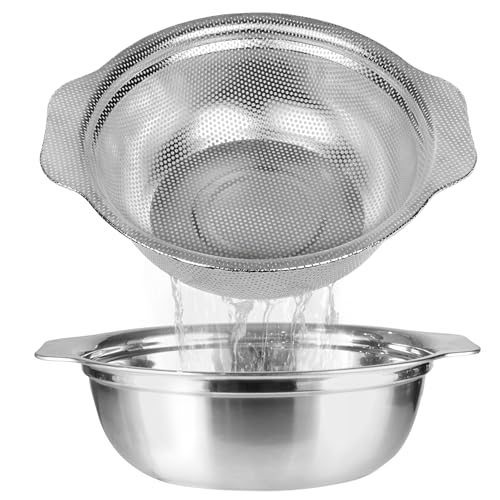
Stainless Steel Colander: Colander bowl set is made of safe, healthy and durable material, the holes of the strainer are dense and uniform, which can drain quickly. they are an indispensable tool in the kitchen for easy cleaning and food preparation.
Pesticides and Chemicals on Grape Skins
Eating unwashed grapes means ingesting any pesticides or chemicals present on their skins. These substances are used during cultivation to protect the fruit from pests and diseases. By not washing grapes before eating them, you may unknowingly consume residues of these harmful chemicals, which can have adverse effects on your health over time.
Bacteria and Germs on Grapes
Grapes, like many fruits, can harbor various bacteria and germs on their surfaces. When left unwashed, these microorganisms can transfer to your hands and mouth when you eat the grapes. This transfer of bacteria can lead to foodborne illnesses or infections if the grapes were contaminated during handling or storage. Washing grapes helps remove these potentially harmful microbes, reducing the risk of falling ill after consumption.
By understanding the health risks associated with unwashed grapes, you can make informed decisions about your snacking habits and prioritize your well-being by adopting proper washing practices for this popular fruit.
Best Practices for Storing Grapes
When it comes to storing grapes, following the right practices can help maintain their freshness and quality. Here are some tips to ensure your grapes stay fresh longer after washing.
Recommended Products
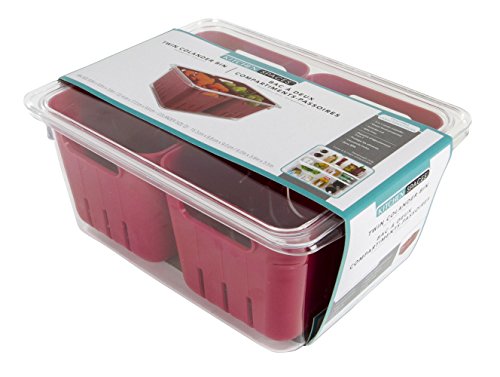
CONTAINS: (1) twin colander food storage container

Cook Right in the Bag: Vacuum seal, freeze, and reheat meals directly in the microwave — no need to transfer food to separate containers for a seamless meal prep experience.

BAG SIZE: 12" wide x 13.5" high (304.2mm x 342.9mm)
How to Store Grapes After Washing
After washing your grapes thoroughly, it’s essential to store them properly to keep them fresh and delicious. Here’s how you can store washed grapes effectively:
- Dry Them Well: After washing the grapes, make sure to pat them dry gently with a clean paper towel or kitchen cloth. Excess moisture can lead to mold growth, so ensuring they are dry is crucial.
- Use Perforated Bags or Containers: Opt for perforated plastic bags or containers with holes that allow air circulation. Avoid sealing the grapes in airtight bags as they need some airflow to stay fresh.
- Refrigerate Properly: Place the washed and dried grapes in the refrigerator’s crisper drawer where they can remain cold but not too cold. The ideal temperature range for grape storage is between 30-32°F (-1 to 0°C).
- Separate from Strong-Smelling Foods: Grapes can easily absorb odors from strong-smelling foods, affecting their taste. Store them away from items like onions or garlic.
Tips for Keeping Grapes Fresh Longer
To extend the shelf life of your grapes and enjoy them at their best, consider these additional tips:
- Remove Spoiled Grapes: Check your grape bunches regularly and discard any spoiled or damaged grapes immediately to prevent spoilage of other healthy ones.
- Avoid Washing Until Ready to Eat: While it’s crucial to wash fruits before consumption, avoid washing your entire grape supply at once if you’re not planning on eating them all immediately. Wash only what you intend to consume soon.
- Don’t Remove Stems: Keep the stems attached until you’re ready to eat or use the grapes as this helps preserve their freshness longer.
- Store Away from Moisture Sources: Ensure that stored grapes are kept away from areas prone to moisture buildup, such as near sinks or areas with high humidity levels.
Conclusion
You’ve learned the significance of washing grapes for your well-being and how it helps in avoiding potential health risks. Following proper washing techniques can eliminate harmful substances like pesticides and bacteria. Remember to store your washed grapes correctly by ensuring they are dried thoroughly, stored in perforated containers with good airflow, refrigerated at the right temperature, and kept away from strong-smelling foods. Implementing these practices will help maintain grape freshness for longer periods. Don’t forget to remove any spoiled grapes, wash only what you need, keep stems intact, and store them away from moisture sources. By incorporating these tips into your routine, you’ll enjoy delicious and safe-to-eat grapes every time!
Frequently Asked Questions
Why is washing grapes important?
Washing grapes is crucial to remove dirt, pesticides, and bacteria that can be harmful if consumed.
How should I wash grapes properly?
To wash grapes effectively, rinse them under cold water while gently rubbing them to ensure all surfaces are cleaned thoroughly.
What should I do after washing grapes?
After washing grapes, make sure to dry them well by patting with a towel or letting them air dry before storing.
How should I store washed grapes?
Store washed grapes in perforated containers in the refrigerator at the right temperature and away from strong-smelling foods for optimal freshness.
Any additional tips for storing grapes?
Additional tips include removing spoiled grapes, washing only what you need, keeping stems attached, and storing away from moisture sources.
