

Tangerine trees can grow in pots in Connecticut, but success depends on specific care and conditions. Selecting the right variety and providing adequate light, temperature, and soil are essential for thriving plants in colder climates.
Tangerine Tree Varieties for Connecticut Pots
When considering tangerine trees for container gardening in Connecticut, it’s essential to choose varieties that thrive in limited space and can withstand the state’s climate. This section explores the best tangerine tree options suitable for pot cultivation, highlighting their unique characteristics and adaptability to local conditions.
Choosing the right tangerine tree variety is crucial for pot cultivation in Connecticut. Some varieties are more suited for container growth and colder climates. The following options are popular:
Satsuma: Cold-hardy and sweet, ideal for pots.
Clementine: Smaller fruit, easy to manage.
Honey: Sweet and juicy, requires more care.
Each variety offers unique flavors and growth characteristics. Selecting a cold-hardy variety enhances your chances of success.
Recommended Products
![Greenwood Nursery: Live Perennial Plants - Musa Basjoo Cold Hardy Banana - [Qty: 2X Pint Pots] - (Click for Other Available Plants/Quantities)](https://m.media-amazon.com/images/I/51cl7jVVE3L._SL500_.jpg)
🌿 [INFO1] - Gives a tropical look to your garden. Grows from the Southern U.S. all the way to the southern part of Canada. A hardy Flowering Banana plant provides a tropical plant or jungle garden feel for pool landscapes, zen gardens and also makes an excellent container plant for porches, decks, patios & sunny areas of the house. The yellow orange flowers will produce small ornamental fruits that are not edible.
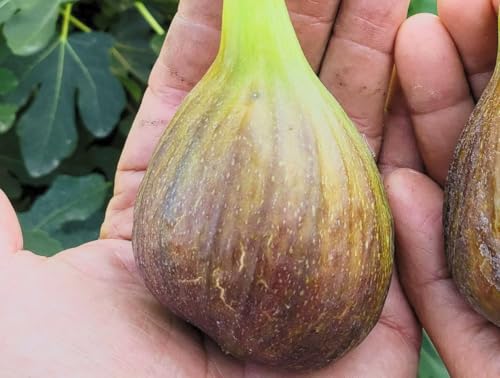
🍇 Large, Sweet Purple Figs – Tangerine-sized fruit with rich red-violet flesh.
🌿 [INFO1] - Gives a tropical look to your garden. Grows from the Southern U.S. all the way to the southern part of Canada. A hardy Flowering Banana plant provides a tropical plant or jungle garden feel for pool landscapes, zen gardens and also makes an excellent container plant for porches, decks, patios & sunny areas of the house. The yellow orange flowers will produce small ornamental fruits that are not edible.
Tangerine Tree Pot Growth Conditions in Connecticut
Tangerine trees can thrive in pots, but specific growth conditions are essential for success in Connecticut’s climate. Understanding factors such as temperature, sunlight, and soil type is crucial for cultivating healthy, productive trees. This section explores the best practices for growing tangerine trees in containers, tailored to the unique challenges of Connecticut’s environment.
Tangerine trees require specific conditions to thrive in pots. Factors like light, temperature, and soil quality play a significant role in their growth.
Tangerine Tree Sunlight Needs in Connecticut
Tangerine trees thrive in warm, sunny environments, making their sunlight requirements crucial for successful growth, especially in Connecticut’s variable climate. Understanding how to provide adequate sunlight is essential for anyone considering growing these trees in pots. This section delves into the specific sunlight needs of tangerine trees to help ensure their health and productivity in a northern setting.
Tangerine trees need full sun for at least 8 hours daily. Positioning your pot in a south-facing location maximizes sunlight exposure. If natural light is insufficient, consider using grow lights to supplement.
Tangerine Tree Temperature Needs in Connecticut
Tangerine trees thrive in warm climates, making their cultivation in Connecticut a challenge due to the state’s cooler temperatures. Understanding the specific temperature requirements for these trees is essential for successful growth in pots. This section delves into the ideal temperature conditions for tangerine trees and how to manage them effectively in Connecticut’s variable climate.
Tangerine trees thrive in temperatures between 60°F and 75°F. Protect your plants from frost by bringing them indoors during colder months. Using thermal blankets can also help shield them from sudden temperature drops.
Tangerine Tree Potting Soil Requirements
When growing tangerine trees in pots, selecting the right potting soil is crucial for their health and productivity. The ideal soil should provide excellent drainage, retain moisture, and be rich in nutrients to support the tree’s growth in Connecticut’s climate. Understanding these requirements can significantly enhance your chances of successfully cultivating tangerines in containers.
Using well-draining soil is vital for tangerine trees. A mix of potting soil, perlite, and sand promotes drainage. Ensure your pot has drainage holes to prevent root rot.
| Soil Component | Purpose |
|---|---|
| Potting Soil | Provides nutrients |
| Perlite | Enhances drainage |
| Sand | Improves aeration |
Tangerine Tree Care in Connecticut Pots
Growing tangerine trees in pots can be a rewarding endeavor, especially in Connecticut’s variable climate. Proper care is essential to ensure these trees thrive in containers, from selecting the right potting mix to managing watering and sunlight exposure. This section delves into the specific care techniques that will help your potted tangerine tree flourish in the Northeast.
Proper watering and fertilization are essential for healthy tangerine trees. Overwatering can lead to root rot, while underwatering can stunt growth.
Recommended Products

Package contains 4 Pounds organic fruit and citrus fertilizer grains and is produced to avoid wasteful runoff, mess, hazards and smells
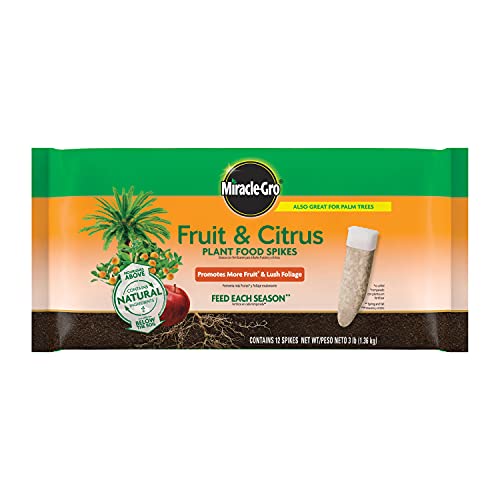
FORMULATED FOR CITRUS AND FRUIT TREES: Use these citrus fertilizer spikes on apple, orange, lemon, lime, and avocado trees; this formula is also great for feeding palm trees

Package contains 6 organic fruit and citrus fertilizer spikes and is produced to avoid wasteful runoff, mess, hazards and smells
Tangerine Tree Pot Watering Methods
Successfully growing tangerine trees in pots requires careful attention to watering methods, especially in Connecticut’s varying climate. Understanding the best practices for moisture management will ensure your potted trees thrive and produce fruit. This section delves into effective watering techniques tailored for container-grown tangerine trees.
Water your tangerine tree when the top inch of soil feels dry. Use a moisture meter for accuracy. Ensure that excess water drains out of the pot.
Tangerine Tree Fertilization for Connecticut Pots
Fertilizing tangerine trees grown in pots in Connecticut requires careful attention to the unique climate and soil conditions of the region. Proper fertilization not only supports healthy growth but also enhances fruit production, ensuring that your potted tangerine tree thrives despite the challenges of a cooler environment. Understanding the right nutrients and timing is essential for success.
Fertilize your tangerine tree every 4-6 weeks during the growing season. Use a balanced, slow-release fertilizer specifically formulated for citrus plants. This ensures your tree receives essential nutrients.
Tangerine Tree Pest Control in Connecticut
Tangerine trees, while a delightful addition to any garden, can face various pest challenges, especially in Connecticut’s unique climate. Understanding effective pest control strategies is essential for maintaining the health and productivity of potted tangerine trees. This section delves into common pests and practical solutions tailored for Connecticut growers.
Tangerine trees can be susceptible to pests and diseases. Regular monitoring and preventive measures are necessary to maintain plant health.
Tangerine Tree Aphid Infestation Management
Tangerine trees can thrive in pots even in Connecticut, but they are susceptible to various pests, including aphids. Effective management of aphid infestations is crucial for maintaining the health and productivity of your potted tangerine tree. Understanding the signs of infestation and implementing targeted control measures can help ensure your tree flourishes despite the challenges of the local climate.
Aphids: Small insects that suck sap. Use insecticidal soap to manage infestations.
Spider Mites: Tiny pests that thrive in dry conditions. Increase humidity around the plant to deter them.
Tangerine Tree Fungal Disease Prevention
Tangerine trees can thrive in pots, but they are susceptible to various fungal diseases, especially in Connecticut’s climate. Understanding how to prevent these issues is crucial for maintaining healthy plants and ensuring a fruitful harvest. This section explores effective strategies for safeguarding your potted tangerine trees from fungal threats.
Fungal diseases can occur due to excess moisture. Ensure good air circulation around the pot and avoid overhead watering. If you notice signs of disease, remove affected leaves promptly.
Container Gardening Tips for Tangerines in Connecticut
Growing tangerine trees in pots can be a rewarding endeavor, especially in Connecticut’s varying climate. Container gardening allows for flexibility and control over environmental conditions, making it possible to cultivate these citrus trees successfully. This section offers practical tips tailored to help you thrive in your tangerine gardening journey.
Growing tangerine trees in pots requires planning. Consider the following logistics to ensure a successful gardening experience.
Tangerine Pot Size and Material Recommendations
When growing tangerine trees in pots, selecting the right size and material is crucial for their health and productivity. The appropriate pot can significantly influence root development and overall growth, especially in Connecticut’s unique climate. This section provides essential recommendations to ensure your potted tangerine trees thrive.
Select a pot that is at least 12-16 inches in diameter. Clay or terracotta pots are preferable for their breathability. Ensure the pot is heavy enough to prevent tipping over in windy conditions.
Tangerine Tree Seasonal Care in Connecticut
Tangerine trees can thrive in pots, even in Connecticut’s variable climate, but they require specific seasonal care to flourish. Understanding the unique challenges of growing these citrus trees in a container will help gardeners maximize their potential. This section delves into the essential practices for maintaining healthy tangerine trees throughout the changing seasons.
Adjust care routines based on the season. In winter, reduce watering and fertilization. Monitor indoor temperatures to ensure they remain within the ideal range for tangerine trees.
| Season | Care Adjustments |
|---|---|
| Spring | Increase watering and fertilization |
| Summer | Monitor for pests and water regularly |
| Fall | Prepare for indoor transition |
| Winter | Reduce watering and protect from frost |
Essential Care for Potted Tangerine Trees
Growing tangerine trees in pots can be a rewarding endeavor, especially in Connecticut’s unique climate. Understanding the essential care requirements for these citrus trees is crucial to their success in containers. This section will delve into the specific needs of potted tangerine trees to ensure they thrive and produce fruit.
Maintaining a healthy tangerine tree in a pot requires attention to detail. Regularly check for pests, adjust watering schedules, and ensure proper sunlight exposure.
Be proactive in your care routine to enjoy a fruitful harvest.
