

Plum trees can thrive in Dallas, TX, despite the North Texas heat. Proper care, selection of heat-resistant varieties, and strategic planting can ensure successful growth and fruit production.
Heat-Tolerant Plum Varieties for Dallas
Selecting the right plum tree variety is crucial for thriving in the intense heat of Dallas, TX. Some plum varieties have adapted well to the North Texas climate, showcasing resilience against high temperatures while still producing delicious fruit. Understanding these heat-tolerant options can help ensure a successful harvest in the challenging summer months.
Choosing the right plum tree variety is crucial for thriving in Dallas’s climate. Some varieties are more tolerant of heat and drought than others. Consider these options for better success:
Methley: Self-pollinating and produces sweet fruit.
Santa Rosa: Known for its juicy plums and adaptability.
Shiro: Offers excellent heat tolerance and early harvest.
Recommended Products

Suitable for various USDA Hardiness Zones (3-8), making it adaptable to different climates and regions.

Easy Growing: Perfect for both novice and experienced gardeners, these plum tree seeds thrive with minimal maintenance while producing sweet, juicy fruits in your home garden

Product Quantity: 150+ wild organic plum seeds per packet; Ideal for starting a small orchard or food forest; Generous supply ensures successful germination
Dallas Soil Conditions for Plum Trees
Understanding the soil conditions in Dallas is essential for successfully growing plum trees in the region. The unique characteristics of North Texas soil can significantly impact tree health and fruit production. This section explores the specific soil types and amendments that can help plum trees thrive in the challenging climate of Dallas.
The soil in Dallas can vary significantly, affecting how well plum trees establish themselves. Conducting a soil test can provide insights into pH and nutrient levels. Here are key considerations:
Soil Type: Sandy loam is ideal for drainage.
pH Level: Aim for a pH between 6.0 and 7.0.
Nutrient Content: Ensure adequate nitrogen and potassium.
| Soil Type | pH Level | Nutrient Needs |
|---|---|---|
| Sandy Loam | 6.0-7.0 | Nitrogen, Potassium |
| Clay | 6.5-7.5 | Phosphorus, Calcium |
| Sandy | 6.0-7.0 | Organic Matter |
Optimal Planting Techniques for Plum Trees
Successfully planting plum trees in Dallas requires understanding the unique climate challenges of North Texas. With high temperatures and variable soil conditions, employing the right planting techniques is crucial for ensuring healthy growth and fruit production. This section delves into the best practices for establishing plum trees in this region, maximizing their chances of thriving amidst the heat.
Timing and location are essential for successful plum tree planting. Follow these guidelines to maximize growth potential:
Best Time to Plant: Early spring or late fall.
Sunlight Requirements: Full sun for at least six hours daily.
Spacing: Space trees 15-20 feet apart for air circulation.
Recommended Products

Convenient and portable storage kit contains 102 professional grade universal Drip irrigation parts
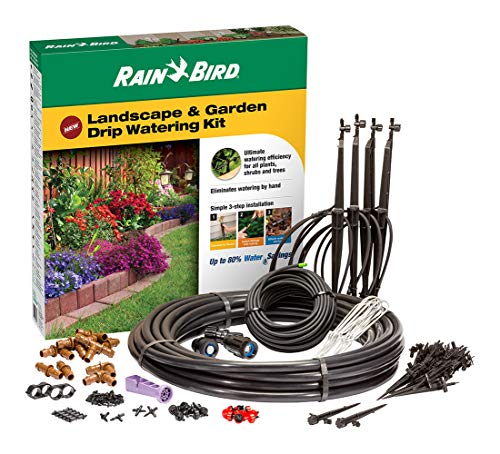
Comprehensive 108-piece kit for flower beds, gardens and landscaped areas; eliminates hand watering, saves time and money

Complete 240FT Drip Irrigation Kit - The garden irrigation system includes 40FT of 1/2" main tubing, 200FT of 1/4" distribution tubing, and 143 essential components. You can customize the setup to fit your garden layout, covering up to 250 sq. ft. or split into two areas of 120 sq. ft. each
Heat-Resilient Watering Strategies for Plum Trees
In the challenging climate of Dallas, TX, plum trees require careful attention to watering strategies to thrive under the intense North Texas heat. Understanding how to effectively manage water supply can make a significant difference in their health and productivity. This section explores practical and heat-resilient watering techniques tailored for plum trees in this region.
Proper watering is vital for plum tree survival in the heat. Overwatering can be as detrimental as underwatering. Implement these strategies:
Deep Watering: Water deeply once a week to encourage root growth.
Mulching: Apply organic mulch to retain soil moisture.
Drip Irrigation: Install a drip system for efficient water delivery.
Nutrient Strategies for Healthy Plum Trees
To ensure the vitality of plum trees in the challenging climate of Dallas, TX, understanding nutrient strategies is essential. Proper fertilization and soil management can significantly enhance growth and fruit production, helping these trees thrive despite the North Texas heat. This section delves into effective nutrient practices tailored for the region’s unique conditions.
Regular fertilization can enhance the health of your plum trees. Use a balanced fertilizer to provide essential nutrients. Consider the following:
Timing: Fertilize in early spring before new growth.
Type of Fertilizer: Use a 10-10-10 or similar balanced formula.
Application Rate: Follow package instructions for dosage.
| Fertilizer Type | N-P-K Ratio | Application Rate |
|---|---|---|
| Balanced Fertilizer | 10-10-10 | Follow label |
| Organic Compost | Variable | 2-3 inches top dressing |
| Slow-Release Granules | 14-14-14 | 1 cup per tree |
Pest Control Strategies for Plum Trees
Effective pest control is essential for maintaining healthy plum trees in Dallas, TX, where the unique climate can attract various pests. Understanding the specific threats and implementing targeted strategies will help ensure the longevity and productivity of your trees. This section explores practical approaches to safeguard your plum trees from common pests in North Texas.
Keeping plum trees healthy requires vigilance against pests and diseases. Monitor regularly and take action when necessary. Key pests include:
Aphids: Use insecticidal soap for control.
Brown Rot: Remove infected fruit and improve air circulation.
Spider Mites: Spray with water to dislodge.
Pruning Strategies for Healthy Plum Trees
Effective pruning is essential for maintaining healthy plum trees, especially in the challenging climate of Dallas, TX. By employing the right techniques, you can enhance fruit production, promote better air circulation, and reduce disease risk. This section explores key pruning strategies tailored to help your plum trees thrive in North Texas’s heat.
Pruning is essential for maintaining the shape and health of your plum trees. Proper techniques can lead to better fruit production. Follow these steps:
Timing: Prune in late winter or early spring.
Tools: Use sharp, clean pruning shears.
Method: Remove dead or crossing branches to improve airflow.
| Pruning Action | Timing | Purpose |
|---|---|---|
| Remove Dead Wood | Late Winter | Health |
| Thin Out Branches | Early Spring | Airflow |
| Shape Tree | Late Winter | Aesthetics |
Extreme Heat Protection for Plum Trees
In the sweltering climate of Dallas, TX, plum trees face unique challenges during extreme heat. Understanding how to protect these trees from harsh conditions is essential for their survival and fruit production. This section explores effective strategies to safeguard plum trees from the relentless North Texas sun.
Implementing protective measures can help your plum trees withstand extreme temperatures. Consider these strategies:
Shade Cloth: Use during peak heat to reduce stress.
Windbreaks: Plant shrubs or trees to shield from harsh winds.
Soil Amendments: Add organic matter to improve moisture retention.
Regular monitoring and adjustments are necessary for long-term success. Proper care will lead to fruitful harvests in Dallas’s challenging climate.
Recommended Products

Breathable Material: Made of lightweight non-woven fabric, our fruit tree shade net blocks sunlight while maintaining air circulation, effectively preventing sunburn for your plants during hot seasons

Full Spectrum White Light Refraction: Our shade cloth for garden can not only effectively block strong direct sunlight, prevent extreme high temperature and sun damage to plants, but also meet the sunlight needed by plants, refraction full spectrum white light, so that your plants get balanced daylight.

Package Includes: You will receive a white light refraction garden shade cover, measuring 10.8 x 9.8 ft, which is large enough to provide the suitable light conditions for plants trees to grow healthily during the summer
