

Growing plum trees in pots in Hawaii can yield delicious fruit while maximizing space and enhancing your garden’s aesthetic. Proper care and the right techniques are essential for success in the tropical climate. This guide provides practical tips for thriving plum trees in pots.
Best Plum Tree Varieties for Tropical Climates
When selecting plum trees for pot cultivation in Hawaii’s tropical climate, it’s essential to choose varieties that thrive in warm, humid conditions. Certain types not only adapt well but also produce delicious fruit. Understanding these best-suited varieties can significantly enhance your chances of successful growth and a fruitful harvest.
Choosing the right plum tree variety is crucial for successful growth in Hawaii. Some varieties thrive better in tropical climates than others. Look for varieties that are known for their adaptability and resistance to pests and diseases.
Tropical Purple: Known for its sweet fruit and vibrant color.
Dwarf Black: Compact size makes it ideal for pots.
Santa Rosa: Popular for its juicy, flavorful plums.
Recommended Products


Jamun trees grow in tropical and subtropical regions where there is a hot and humid climate.
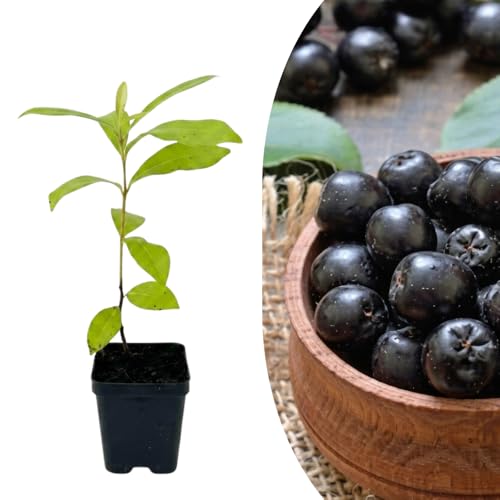
Suitable for backyard planting, patios, or small orchards; adapts well to tropical and subtropical climates
Optimal Potting Mix for Plum Trees
Choosing the right potting mix is crucial for the health and growth of plum trees in Hawaii’s tropical climate. The ideal blend not only supports drainage and aeration but also provides essential nutrients tailored to the unique needs of these trees. Understanding the components of an optimal potting mix can significantly enhance your success in cultivating thriving plum trees in containers.
The potting mix plays a significant role in the health of your plum tree. A well-draining mix ensures that the roots do not become waterlogged, which can lead to root rot.
Use a mix of potting soil, perlite, and compost.
Aim for a pH level between 6.0 and 7.0.
Consider adding slow-release fertilizer to boost nutrients.
| Component | Ratio |
|---|---|
| Potting Soil | 50% |
| Perlite | 30% |
| Compost | 20% |
Choose the Right Pot Size and Material
Selecting the appropriate pot size and material is crucial for the successful growth of plum trees in Hawaii’s tropical climate. The right pot not only supports healthy root development but also ensures adequate drainage and moisture retention. Understanding these factors will help you create an ideal environment for your potted plum trees to thrive.
Selecting the appropriate pot size and material is essential for the growth of your plum tree. A larger pot allows for root expansion and better moisture retention.
Choose a pot that is at least 15-20 gallons in size.
Opt for terra cotta or ceramic pots for better breathability.
Ensure the pot has adequate drainage holes to prevent water accumulation.
Recommended Products

Capacity: 13.5 Gallons / Size: 20.5 in. Top width x 13.5 in. Bottom width x 17 in. Height.

Also included is an easy to see rock fill line in pot

Size & Dimensions: Handcrafted planter pot with slightly size variations. X-Large 12 Inch Size - 12" in height & 12" in outside diameter, Interior Diameter 10.9 Inches.
Optimal Watering Strategies for Potted Plum Trees
Proper watering is crucial for the health of potted plum trees in Hawaii’s tropical climate. Understanding the unique needs of these trees will help ensure they thrive in containers. This section offers effective watering strategies tailored to the specific conditions of Hawaii, promoting robust growth and fruit production.
Watering is critical for maintaining the health of your potted plum tree. The warm climate in Hawaii can lead to rapid evaporation, making regular watering essential.
Water deeply but infrequently to encourage deep root growth.
Check the top inch of soil; if it feels dry, it’s time to water.
Consider using a drip irrigation system for consistency.
Recommended Products

【Universal 1/4 Inch Size Set】- Designed for US market compatibility,MIXC new drip irrigation system set uses 1/4 inch (6mm) components to address potential mismatches with standard hoses, unlike some 5/16 inch systems. It includes 2-way connectors, tubing, and 3-way connectors to help users set up DIY garden irrigation more conveniently.
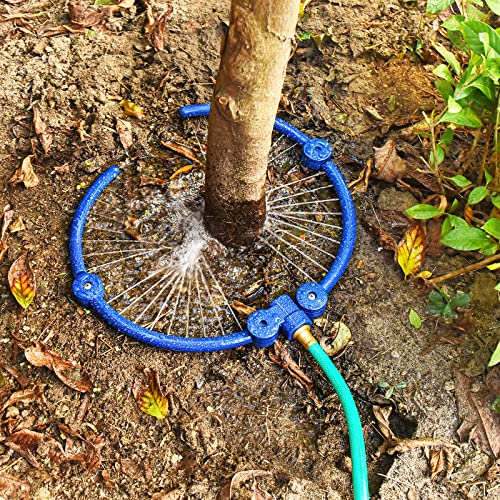
【Specially Designed for Trees and Shrubs】 The Watering Ring is a multi-purpose irrigation ring that attaches to a garden hose to efficiently water young trees shrubs vegetables or flower beds using drip or trickle irrigation.It directs water to the root perimeter of the plant to give them a good start during the first two growing seasons or through periods of drought.

NO MORE HARD INSTALLATION - SET UP IN MINUTES. Tired of struggling with stiff barbed fittings? This drip irrigation system features quick-connect fittings that let you push, lock, and secure tubing effortlessly. No tools, no leaks, just a smooth setup experience. Enjoy a frustration-free installation and get your garden watering system running in minutes.
Optimal Fertilization Timing for Plum Trees
Understanding the best times to fertilize your potted plum trees in Hawaii is crucial for their growth and fruit production. The tropical climate presents unique challenges, making it essential to tailor your fertilization schedule to local conditions. This section will provide insights into when and how to effectively nourish your plum trees for optimal health and yield.
Regular fertilization supports the growth and fruit production of your plum tree. A balanced approach ensures that your tree receives the necessary nutrients throughout the growing season.
Use a balanced fertilizer every 4-6 weeks during the growing season.
Incorporate organic options like fish emulsion or seaweed extract.
Monitor leaf color; yellowing may indicate nutrient deficiencies.
Pest Control Techniques for Potted Plum Trees
Managing pests is crucial for the health of potted plum trees in Hawaii’s tropical climate. Effective pest control techniques can help ensure your trees thrive, producing abundant fruit while minimizing damage. This section outlines practical strategies to protect your potted plum trees from common pests found in the region.
Pests can pose a significant threat to the health of your plum tree. Implementing effective pest management strategies will help keep your tree healthy and productive.
Regularly inspect leaves for signs of pests like aphids or spider mites.
Use insecticidal soap or neem oil for treatment.
Introduce beneficial insects like ladybugs to control pest populations naturally.
Pruning Strategies for Healthy Plum Growth
Pruning is essential for maintaining the health and productivity of potted plum trees in Hawaii’s tropical climate. Proper techniques can enhance air circulation, encourage new growth, and improve fruit quality. Understanding the best practices for pruning will ensure your plum trees thrive and produce bountiful harvests.
Pruning is essential for maintaining the shape and productivity of your plum tree. Proper techniques can enhance air circulation and light penetration, leading to better fruit development.
Prune in late winter or early spring before new growth begins.
Remove any dead or crossing branches to improve airflow.
Shape the tree to encourage an open center for better sunlight exposure.
Identifying Environmental Stress in Potted Plums
Growing plum trees in pots in Hawaii can be rewarding, but they are susceptible to various environmental stresses. Understanding the signs of stress is crucial for maintaining healthy trees and ensuring a fruitful harvest. This section will help you identify common stress indicators and provide insights on how to address them effectively.
Environmental factors can significantly impact the growth of your potted plum tree. Regular monitoring helps identify and mitigate stressors early.
Watch for signs of sunburn on leaves, which may indicate too much direct sunlight.
Adjust pot placement to provide partial shade during peak sun hours.
Ensure consistent watering during dry spells to prevent drought stress.
Potted Plum Tree Care in Hawaii
Growing plum trees in pots in Hawaii requires careful planning and ongoing maintenance. By selecting the right variety, preparing the potting mix, and implementing effective care strategies, you can enjoy a fruitful harvest. Monitor your tree regularly to ensure optimal health and productivity.
