Close Menu
    Fruit Tree Hub
    • Home
    • Apple Trees
    • Lemon Trees
    • Mango Trees
    • Orange Trees
    • More Trees
      • Best Fruit Trees
      • Apricot Trees
      • Cherry Trees
      • Fig Trees
      • Lime Trees
      • Mulberry Trees
      • Peach Trees
      • Pear Trees
      • Plum Trees
      • Pomegranate Trees
    • Tips and Advice
      • Tools
    • About Us
      • Contact
      • Privacy Policy
    Fruit Tree Hub
    Home»Planting»Persimmon Trees in Vermont (New England Hardiness Secrets)
    Planting

    Persimmon Trees in Vermont (New England Hardiness Secrets)

    Lucy SmithBy Lucy SmithMarch 14, 20265 Mins Read
    Share Facebook Twitter Pinterest WhatsApp Email
    Share
    Facebook Twitter LinkedIn Pinterest Telegram Email

    Persimmon trees thrive in Vermont with proper care and attention to hardiness zones. Selecting the right varieties and implementing effective cultivation techniques ensures successful growth in New England’s climate.

    Contents show
    1 Vermont-Friendly Persimmon Tree Varieties
    2 Optimal Site Selection for Persimmon Trees
    3 Persimmon Planting Best Practices in Vermont
    4 Persimmon Tree Watering and Fertilization Tips
    5 Pest Control Strategies for Persimmon Trees
    6 Pruning Strategies for Vermont Persimmons
    7 Persimmon Harvest Timing and Storage Tips
    8 Cultivating Persimmons in Vermont Conditions

    Vermont-Friendly Persimmon Tree Varieties

    Choosing the right persimmon variety is crucial for successful cultivation in Vermont. The American persimmon is more cold-hardy than its Asian counterpart. Varieties like ‘Meader’ and ‘Prok’ are particularly suited for New England’s climate, offering resilience against frost and cold temperatures.

    VarietyHardiness ZoneFlavor ProfileRipening Time
    Meader4-9Sweet, richLate October
    Prok4-9Mild, sweetEarly November
    Fuyu5-9Crisp, sweetLate September

    Recommended Products

    American Persimmon Tree Live Plant in Quart Pot, 8-12" Tall, Fast Growing Persimmon Plant Live, Cold Hardy Perennials Fruit Tree, Ideal for Backyard Gardens
    American Persimmon Tree Live Plant in Quart Pot, 8-12" Tall, Fast Growing Persimmon Plant Live, Cold Hardy Perennials Fruit Tree, Ideal for Backyard Gardens

    PRODUCT IMAGE DISCLAIMER: The main image is for reference only. The plant you receive may not look exactly the same as shown in the first image

    VIEW LATEST PRICE

    As an affiliate, we earn on qualifying purchases.

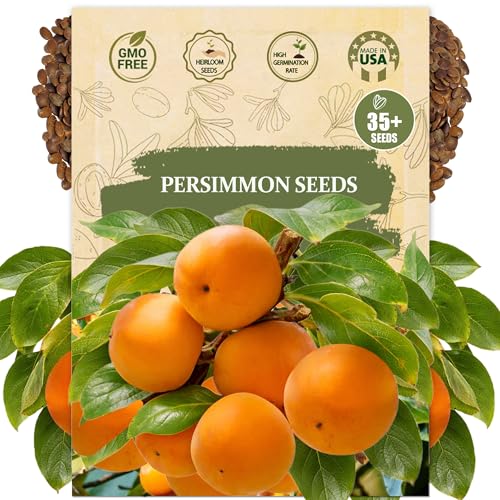
    Mixrug 30+ Organic Fuyu Persimmon Seeds for Planting Outdoors,Diospyros Seeds Non-GMO Heirloom,Cold Hardy Fruit Tree Seed High Germination for Home Outdoor Garden
    Mixrug 30+ Organic Fuyu Persimmon Seeds for Planting Outdoors,Diospyros Seeds Non-GMO Heirloom,Cold Hardy Fruit Tree Seed High Germination for Home Outdoor Garden

    Cold Hardiness: Cold hardy Diospyros seeds survive temperatures down to 10°F once established; Suitable for growing in USDA zones 7-10; More tolerant of temperature fluctuations than many other fruit trees

    MUST READ
    When to Spray Copper Fungicide on Star Fruit Trees? Pro Secrets
    VIEW LATEST PRICE

    As an affiliate, we earn on qualifying purchases.

    American Persimmon Seeds (30 Count) - Diospyros Virginiana, Non-GMO Heirloom, Edible Perennial Fruit Seeds for Outdoor Planting
    American Persimmon Seeds (30 Count) - Diospyros Virginiana, Non-GMO Heirloom, Edible Perennial Fruit Seeds for Outdoor Planting

    Yields sweet Diospyros Virginiana persimmons, ideal for fall uses like roasted servings or fresh meal pairings

    VIEW LATEST PRICE

    As an affiliate, we earn on qualifying purchases.

    Optimal Site Selection for Persimmon Trees

    Selecting the right site for persimmon trees in Vermont is crucial for their successful growth and fruit production. Factors such as soil type, sunlight exposure, and drainage play significant roles in ensuring these trees thrive in New England’s unique climate. Understanding these elements will help you create an ideal environment for your persimmon trees.

    Selecting an appropriate site is essential for optimal growth. Persimmons prefer well-drained soil with a pH between 6.0 and 7.0. Choose a location that receives full sun for at least six hours daily to promote healthy fruit production.

    • Test soil pH and amend as necessary

    • Clear the area of weeds and debris

    • Ensure proper drainage to prevent root rot

    Persimmon Planting Best Practices in Vermont

    Planting persimmons requires careful attention to detail. Dig a hole twice the width of the root ball and as deep as necessary to accommodate the roots without bending them. Backfill with native soil mixed with organic compost to enhance nutrient availability.

    • Dig a hole 2x wider than the root ball

    • Place the tree in the center

    • Backfill with soil and compost mix

    • Water thoroughly to eliminate air pockets

    Recommended Products

    Farmer’s Secret Soil Revitalizer - Organic (OMRI Listed) Dirt Health Booster - Liquid Compost Soil Amendment - Activated Humic Acid - Great for Fall/Spring Application (32oz)
    Farmer’s Secret Soil Revitalizer - Organic (OMRI Listed) Dirt Health Booster - Liquid Compost Soil Amendment - Activated Humic Acid - Great for Fall/Spring Application (32oz)

    Feed the soil not the plants - stimulate microbial activity in your soil and boost probability of success with all types of plants… like composting but faster

    MUST READ
    Guava Trees in Madison, WI (Upper Midwest Winter Success)
    VIEW LATEST PRICE

    As an affiliate, we earn on qualifying purchases.

    Soil Sunrise Avocado Tree Potting Soil Mix (12 Quarts) for Germinating, Growing and Repotting Avocado Plants
    Soil Sunrise Avocado Tree Potting Soil Mix (12 Quarts) for Germinating, Growing and Repotting Avocado Plants

    All-Natural: Special blend for growing avocados in containers or as houseplants

    VIEW LATEST PRICE

    As an affiliate, we earn on qualifying purchases.

    GARDENWISE Organic Lemon Tree Soil – Citrus Potting Mix with Organic Fertilizer – Ideal for Potted Lemon Trees, Meyer Lemons & Citrus Plants – Chunky, Indoor & Outdoor (3 QUARTS)
    GARDENWISE Organic Lemon Tree Soil – Citrus Potting Mix with Organic Fertilizer – Ideal for Potted Lemon Trees, Meyer Lemons & Citrus Plants – Chunky, Indoor & Outdoor (3 QUARTS)

    Enriched with Organic Fertilizer – This lemon tree fertilizer provides nutrients for up to 6 months, so your citrus trees stay healthy and productive with minimal upkeep.
    VIEW LATEST PRICE

    As an affiliate, we earn on qualifying purchases.

    Persimmon Tree Watering and Fertilization Tips

    Proper watering and fertilization are crucial for the health and productivity of persimmon trees in Vermont’s unique climate. Understanding the specific needs of these trees can help ensure they thrive despite the challenges posed by New England’s seasonal variations. Here are essential tips to guide you in nurturing your persimmon trees effectively.

    Proper watering and fertilization are critical for persimmon health. Newly planted trees need consistent moisture but avoid waterlogging. Established trees require less frequent watering but benefit from an annual application of balanced fertilizer in early spring.

    • Water deeply once a week during dry spells

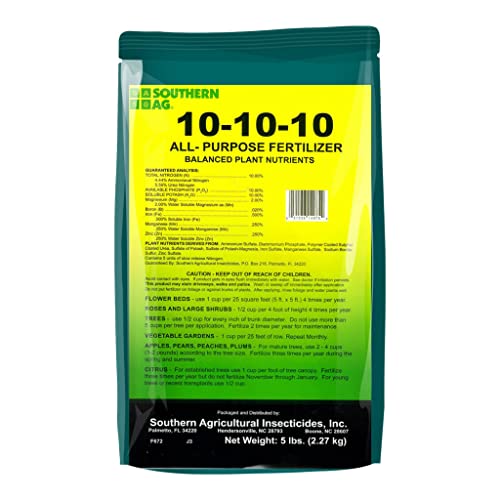
    • Use a balanced fertilizer with equal parts nitrogen, phosphorus, and potassium

    • Mulch around the base to retain moisture

    Pest Control Strategies for Persimmon Trees

    Managing pests is crucial for the health of persimmon trees in Vermont, where unique environmental challenges can exacerbate infestations. Understanding effective pest control strategies tailored to the region’s climate and conditions will help ensure these trees thrive. This section explores practical methods to protect persimmons from common pests while promoting robust growth and fruit production.

    MUST READ
    Can Apple Trees Grow in Kentucky? Bluegrass Region Success

    Vigilant monitoring for pests and diseases can save your persimmon trees from damage. Common issues include aphids, spider mites, and fungal infections. Implement integrated pest management strategies to control these threats effectively.

    Pest/DiseaseSymptomsControl Measures
    AphidsCurling leavesInsecticidal soap, neem oil
    Spider MitesWebbing, yellowingIncrease humidity, miticides
    Fungal InfectionsLeaf spotsRemove infected leaves, fungicides

    Pruning Strategies for Vermont Persimmons

    Pruning persimmon trees in Vermont requires a tailored approach due to the region’s unique climate and growing conditions. Understanding the best practices for pruning can enhance tree health, improve fruit quality, and ensure successful growth. This section outlines effective strategies specifically suited for persimmons thriving in New England’s challenging environment.

    Regular pruning enhances air circulation and sunlight penetration, promoting healthier trees. Focus on removing dead or crossing branches in late winter before new growth begins. This practice also encourages better fruit production.

    • Remove dead or damaged branches

    • Thin crowded areas to improve airflow

    • Shape the tree for optimal sunlight exposure

    Persimmon Harvest Timing and Storage Tips

    Understanding the optimal timing for harvesting persimmons is crucial for achieving the best flavor and quality. This section will explore when to pick these fruits in Vermont’s unique climate and provide essential storage tips to maintain their freshness and taste, ensuring that you enjoy their delightful sweetness long after the harvest.

    Timing is vital for harvesting persimmons to ensure peak flavor. Wait until the fruit softens and turns a vibrant orange. Store harvested persimmons in a cool, dry place or refrigerate to prolong freshness.

    • Harvest when fruit is soft

    • Store at room temperature or refrigerate

    • Use within a week for best flavor

    MUST READ
    Can Apple Trees Grow in Anaheim, CA? (Orange County Advice)

    Cultivating Persimmons in Vermont Conditions

    Cultivating persimmons in Vermont presents unique challenges and opportunities due to the region’s distinct climate and soil conditions. Understanding the specific requirements for successful growth can help gardeners and farmers adapt their practices, ensuring that these vibrant trees thrive despite the colder temperatures and varying weather patterns typical of New England.

    Growing persimmons in Vermont is feasible with the right varieties and care techniques. Focus on site preparation, proper planting, and ongoing maintenance to enjoy a fruitful harvest.

    Share. Facebook Twitter Pinterest LinkedIn Tumblr Email
    lucy smith
    Lucy Smith
    • Website

    Lucy Smith is a highly experienced horticulturist with a passion for fruit tree cultivation. She holds a degree in Horticulture from the University of California, Davis, and has worked in various roles in the industry. With over 10 years of experience, Lucy is dedicated to using eco-friendly methods for sustainable gardening practices.

    Related Posts

    Can Olive Trees Grow in New Jersey? Garden State Growth Tips

    July 11, 2026

    Can Star Fruit Trees Grow in Missouri? Expert Variety Guide

    July 10, 2026

    How to Grow Jujube Trees in Las Vegas, NV: Desert Growth

    July 10, 2026

    Mango Trees in Illinois: Indoor and Greenhouse Growth Secrets

    July 10, 2026

    Growing Papaya Trees in Oklahoma: High Heat Resilience

    July 10, 2026

    Tamarind Trees in a Pot in Ohio (Complete Maintenance Manual)

    July 10, 2026
    Leave A Reply Cancel Reply

    Affiliate Disclosure

    As an Amazon Associate I earn from qualifying purchases.

    Recommended Reading

    Companion Planting Watermelon and Cantaloupe: Tips for Successful Intercropping

    Exploring Kiwi Cultivation in the U.S.: Locations, Varieties, and Future Trends

    Apple Trees in Vermont: New England Cold-Hardiness Tips

    Growing Walnut Trees in a Pot in Austin, TX (Pro Secrets)

    Best Loquat Trees for California: Golden State Harvest Guide

    How to Grow Fruit Trees Espalier: Expert Tips for a Thriving Garden Landscape

    Can You Grow Grapes in Texas? Tips for Successful Vineyards in the Lone Star State

    Pear Trees in Mississippi: Deep South Growth and Harvest

    Avocado Trees in Newark, NJ: Urban Gardening Success Manual

    When Will Your Grapefruit Tree Bear Fruit: Timing and Tips Revealed

    Fruit Tree Hub

    Fruit Tree Hub is a website dedicated to providing you everything you need to grow fruit trees successfully at in your own yard.

    Contact us at: [email protected]

    - AFFILIATE DISCLOSURE: As an Amazon Associate I earn from qualifying purchases.

    Latest Posts

    21 Colorful Halloween Crochet Motifs Featuring Pumpkins Bats and Black Cats

    23 Smart Halloween Crochet Ideas to Sell as Keychains and Coasters

    22 Fun Halloween Crochet Ideas Built Around Treat Bags and Hats

    23 Adorable Halloween Amigurumi Ideas Featuring Ghosts and Black Cats

    22 Compact Halloween Crochet Decorations for Shelves and Small Spaces

    19 Practical Halloween Crochet Decorations Designed for Tabletop Displays

    24 Cozy Halloween Crochet Decor Ideas Built Around Mantel Garlands

    19 Playful Kawaii Halloween Crochet Ideas Featuring Smiling Spooky Characters

    Categories
    • Almond Trees
    • Apple Trees
    • Apricot Trees
    • Best Fruit Trees
    • Blackberry
    • Cantaloupe
    • Cherry Trees
    • Crochet Ideas
    • Crochet Ideas for Beginners
    • Cucamelon
    • Easy Crochet Ideas
    • Easy Knitting Projects
    • Fall Crochet Ideas
    • Fig Trees
    • Grapefruit Trees
    • Grapes
    • Guava Trees
    • Halloween Crochet Ideas
    • Honeydew
    • Jujube Trees
    • Kiwi
    • Knitting For Beginners
    • Knitting Ideas
    • Knitting Inspiration
    • Lemon Trees
    • Lime Trees
    • Loquat Trees
    • Mango Trees
    • Mulberry Trees
    • Nectarine Trees
    • Olive Trees
    • Orange Trees
    • Papaya Trees
    • Peach Trees
    • Pear Trees
    • Persimmon Trees
    • Planting
    • Plum Trees
    • Pomegranate Trees
    • Quince Trees
    • Raspberry
    • Reviews
    • Small Crochet Ideas
    • Star Fruit Trees
    • Summer Crochet Ideas
    • Tamarind Trees
    • Tangerine Trees
    • Tips and Advice
    • Tools
    • Uncategorized
    • Walnut Trees
    © 2026 Fruit Tree Hub
    • Home
    • About Us
    • Contact
    • Privacy Policy
    • Terms and Conditions
    • Disclaimer
    • Editorial Policy
    • Affiliate Disclosure

    Type above and press Enter to search. Press Esc to cancel.