

Guava trees thrive in Virginia Beach due to the region’s warm climate and coastal soil conditions. To successfully cultivate these trees, understanding their specific soil and care requirements is essential for optimal growth and fruit production.
Coastal Soil Characteristics for Guava Trees
Coastal soil in Virginia Beach has unique characteristics that influence plant growth. The sandy texture promotes good drainage, while the mineral content can vary significantly. Guava trees prefer slightly acidic to neutral pH levels, which can be achieved through soil amendments.
Guava Tree Soil Testing Techniques
Understanding the soil composition is crucial for successfully growing guava trees in Virginia Beach’s unique coastal environment. This section explores effective soil testing techniques tailored to the specific needs of guava trees, ensuring optimal growth and fruit production in the region’s sandy and nutrient-variable soils. By employing these methods, gardeners can enhance their cultivation practices and achieve healthier trees.
Conducting a soil test is crucial for understanding nutrient levels and pH. This process helps identify deficiencies and guides the amendment process.
| Soil Property | Ideal Range |
|---|---|
| pH Level | 6.0 – 7.0 |
| Organic Matter | 3% – 5% |
| Nitrogen | 20 – 30 ppm |
| Phosphorus | 15 – 25 ppm |
Soil Enhancements for Guava Growth
To cultivate healthy guava trees in Virginia Beach, understanding and enhancing the coastal soil is crucial. The unique characteristics of this environment require specific amendments and practices to optimize soil quality, ensuring robust growth and fruit production. This section explores effective soil enhancements tailored for guava cultivation in this coastal region.
To optimize the soil for guava trees, consider these amendments:
Compost: Enhances organic matter and microbial activity.
Sulfur: Lowers pH if the soil is too alkaline.
Bone Meal: Provides phosphorus for root development.
Kelp Meal: Supplies trace minerals and promotes overall health.
Best Guava Varieties for Virginia Beach
When selecting guava varieties for Virginia Beach, it’s essential to consider the region’s coastal climate and soil conditions. Certain types thrive better than others, offering unique flavors and growth characteristics suited to the area. This section explores the best guava varieties that can flourish in Virginia Beach, ensuring a successful and fruitful harvest.
Not all guava varieties are suitable for Virginia Beach’s climate. Choosing the right type can significantly impact growth and fruit yield.
Successful Guava Varieties for Coastal Growth
When cultivating guava trees in the coastal climate of Virginia Beach, selecting the right varieties is crucial for success. Certain guava types thrive in sandy soils and can withstand the region’s humidity and salt exposure. This section explores the most successful guava varieties suited for coastal growth, ensuring a fruitful harvest in this unique environment.
Consider these varieties for successful cultivation:
Tropical Pink: Known for its sweet, pink flesh and high yield.
White Tropical: Offers a milder flavor and is more disease-resistant.
Strawberry Guava: Smaller fruit with a strong flavor, ideal for smaller spaces.
Coastal Watering Strategies for Guava Trees
In Virginia Beach, the unique coastal environment presents specific challenges and opportunities for guava tree cultivation. Understanding effective watering strategies is essential for ensuring these tropical trees thrive in sandy soils and fluctuating moisture levels. This section explores tailored approaches to irrigation that can help optimize growth and fruit production in this coastal setting.
Watering is critical for guava trees, especially in sandy coastal soils that drain quickly. Establishing a consistent watering schedule ensures healthy growth.
Recommended Products
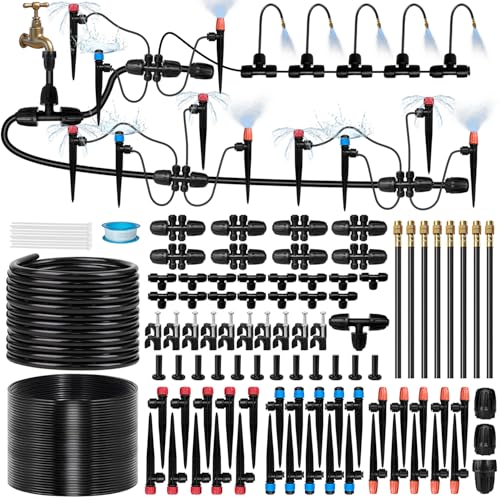
【Upgraded Tube Design & Water Saving】 Our garden watering system is upgraded to 1/2” diameter to support high water pressure. The 1/2” tee connector allows seamless splitting into 2 independent zones for customized watering schedules. By delivering moisture directly to root zones, this drip Irrigation system significantly reduces evaporation and runoff—saving more water compared to conventional sprinklers while eliminating the need for manual watering.

Complete 240FT Drip Irrigation Kit - The garden irrigation system includes 40FT of 1/2" main tubing, 200FT of 1/4" distribution tubing, and 143 essential components. You can customize the setup to fit your garden layout, covering up to 250 sq. ft. or split into two areas of 120 sq. ft. each

✔️ 【20 Gallon Slow Release Tree Watering Ring/Bag】Holds up to 20 gallons of water and delivers a slow, even release over approximately 6–8 hours. Deep root watering helps reduce runoff, minimize evaporation, and support healthier tree establishment.
Weekly Deep Watering for Guava Trees
Deep watering is essential for guava trees, especially in the unique coastal soil of Virginia Beach. This practice not only supports healthy growth but also helps the trees adapt to the local climate. Understanding the timing and technique of deep watering can significantly enhance the vitality of your guava trees in this region.
Frequency: Water deeply once a week during dry spells.
Amount: Provide 1-2 inches of water per week.
Method: Use drip irrigation to minimize evaporation.
Nutrient Management for Guava Trees
Effective nutrient management is essential for the successful growth of guava trees in Virginia Beach’s coastal soil. Understanding the specific nutrient requirements and the unique challenges posed by the local environment can enhance tree health and fruit production. This section delves into the best practices for fertilization and soil amendments tailored to promote robust guava tree development.
Fertilizing guava trees appropriately can boost growth and fruit production. A balanced approach ensures that trees receive essential nutrients without over-fertilization.
Fertilizers for Thriving Guava Trees
To cultivate healthy guava trees in Virginia Beach, understanding the right fertilizers is essential. The coastal soil presents unique challenges and opportunities that can significantly impact growth and fruit production. This section explores the best fertilizer options tailored for thriving guava trees in this specific environment.
Utilize these fertilizers for optimal results:
Balanced NPK Fertilizer: Apply every 6-8 weeks during the growing season.
Organic Fertilizers: Use fish emulsion or seaweed extract for a natural boost.
Slow-Release Granules: Provide a steady supply of nutrients over time.
Pest Control Strategies for Guava Trees
Effective pest control is essential for maintaining healthy guava trees in Virginia Beach’s unique coastal environment. This section explores various strategies tailored to combat common pests that threaten these fruit-bearing trees, ensuring robust growth and fruitful harvests. Understanding local pest challenges and employing targeted solutions can significantly enhance the vitality of your guava trees.
Pests can threaten guava trees, making proactive management essential. Regular monitoring and integrated pest management strategies can mitigate risks.
Recommended Products
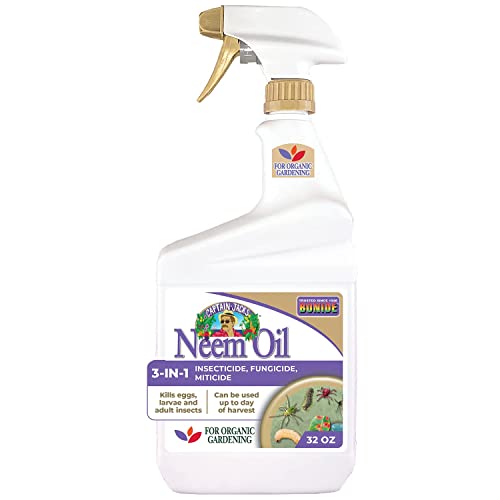
Protect your oasis with 3 garden products in 1 from Captain Jack’s; Bonide Captain Jack’s Ready-to-Use Neem Oil spray for plants is a multi-purpose fungicide, insecticide and miticide for your lawn & garden

FUNGAL DISEASE CONTROL: Prevents and controls black spot on roses, powdery mildew, rust, downy mildew, and other listed fungal diseases when applied on a 7–14 day schedule
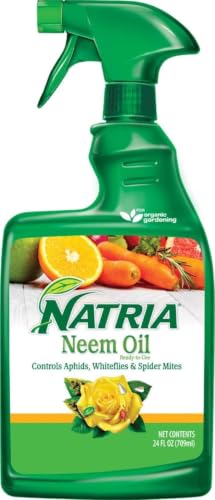
PLANT DISEASE CONTROL: Natria Neem Oil acts as an insecticide and fungicide in one convenient spray; Ready-to-use trigger sprayer requires no mixing
Pest Management for Guava Trees
Effective pest management is crucial for the health and productivity of guava trees in Virginia Beach. This region’s unique coastal soil conditions can influence pest populations, making it essential for growers to adopt targeted strategies. Understanding local pest challenges will help ensure robust growth and fruit yield for these tropical trees.
Identify and address these common pests:
Whiteflies: Use insecticidal soap or neem oil.
Scale Insects: Remove by hand or apply horticultural oil.
Fruit Flies: Set traps and remove overripe fruit promptly.
Guava Tree Maintenance and Disease Prevention
Maintaining guava trees in Virginia Beach requires a keen understanding of their specific needs and potential threats. Proper care not only promotes healthy growth but also minimizes the risk of diseases that can affect these tropical plants. This section delves into effective maintenance practices and disease prevention strategies tailored for the unique coastal environment.
Maintaining guava trees involves regular pruning and monitoring for diseases. Proper care ensures healthy trees and abundant fruit.
Pruning: Remove dead or crossing branches to improve airflow.
Mulching: Apply organic mulch to retain moisture and suppress weeds.
Monitoring: Check for signs of disease or nutrient deficiencies regularly.
Regularly assess your guava trees to ensure they remain healthy and productive. Implementing these strategies will lead to successful cultivation in Virginia Beach’s coastal environment.
