

Banana trees can thrive in Anchorage, AK, with the right cold-climate growth solutions. Utilizing specific varieties and protective techniques enables successful cultivation despite the challenging weather conditions.
Cold-Hardy Banana Tree Varieties for Anchorage
Selecting the right banana tree variety is crucial for successful growth in cold climates. Some varieties are more tolerant of lower temperatures and can adapt better to shorter growing seasons. The Dwarf Cavendish and Manzano are popular choices due to their hardiness and smaller size, making them easier to protect during harsh winters.
Cold-Hardy Banana Tree Varieties
In Anchorage, Alaska, growing banana trees presents unique challenges due to the cold climate. However, certain cold-hardy varieties have adapted to withstand lower temperatures while still producing fruit. This section explores these resilient banana tree options, highlighting their characteristics and suitability for northern gardens.
Dwarf Cavendish: Known for its sweet fruit and compact size, this variety can withstand temperatures as low as 30°F.
Manzano: This variety produces a unique flavor and can tolerate slightly cooler temperatures.
Blue Java: Often called the “ice cream banana,” it has a unique flavor and can survive in cooler conditions.
| Variety | Hardiness Zone | Average Height | Fruit Flavor |
|---|---|---|---|
| Dwarf Cavendish | 9-11 | 4-5 feet | Sweet |
| Manzano | 9-11 | 5-7 feet | Tart |
| Blue Java | 9-11 | 10-15 feet | Creamy |
Soil Preparation Techniques for Banana Trees
Successfully growing banana trees in Anchorage requires careful soil preparation to combat the challenges of a cold climate. By focusing on soil quality, drainage, and nutrient content, gardeners can create an optimal environment that supports healthy growth and fruit production. Understanding these techniques is essential for anyone looking to cultivate bananas in this unique setting.
Proper soil preparation is essential for healthy growth. Banana trees prefer well-draining soil rich in organic matter. Amend your garden bed with compost or well-rotted manure to improve fertility and drainage.
Soil pH Testing for Banana Trees
Understanding soil pH is crucial for successfully growing banana trees in Anchorage’s unique cold climate. Proper pH levels can significantly impact nutrient availability and overall plant health. This section will explore the importance of soil pH testing and how to achieve optimal conditions for thriving banana trees in challenging environments.
Test Soil pH: Aim for a pH between 5.5 and 7.0.
Amend Soil: Incorporate compost and organic matter.
Ensure Drainage: Create raised beds if necessary to prevent waterlogging.
Winter Protection Strategies for Banana Trees
In Anchorage’s challenging climate, protecting banana trees during the winter months is crucial for their survival and growth. Implementing effective winter protection strategies can help gardeners maintain healthy plants despite freezing temperatures. This section explores various methods to shield banana trees from harsh winter conditions, ensuring they thrive when warmer weather returns.
Protection methods are vital for ensuring the survival of banana trees during winter months. Using row covers, mulch, and windbreaks can significantly improve the chances of successful growth.
Recommended Products
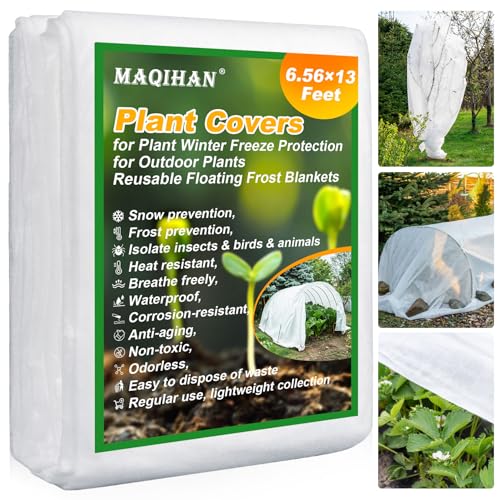
Product Features: Our plant covers are ideal for protecting all plant. Made from premium 1 oz/sq non-woven fabric, their durability and breathability ensuring both insulation against frost and facilitation of sunlight penetration for healthy plant growth

Comprehensive Winter Protection for Your Garden: Our outdoor plant covers provide complete freeze protection for strawberries, vegetables, tomatoes, fruit trees, citrus plants, shrubs, and potted plants throughout the winter. This frost cloth plant freeze protection shields delicate plants from sudden temperature drops, frost, and strong winds, ensuring they survive harsh winter conditions. Ideal for those looking for frost blankets for outdoor plants and reliable plant freeze protection covers.

PACKAGE: The package includes 4Pcs plant covers,will meet your daily use or replacement. Measuring 31.5" x 47.3", the plant protector is waterproof, windproof.
Row Cover Strategies for Frost Protection
In Anchorage, AK, where the climate poses unique challenges for growing banana trees, implementing effective frost protection is crucial. Row covers can serve as a practical solution to shield these tropical plants from cold temperatures, ensuring their survival and promoting healthy growth. Understanding the strategies for using row covers can make a significant difference in cultivating banana trees in this cold climate.
Row Covers: Use lightweight fabric to shield trees from frost.
Mulching: Apply a thick layer of mulch around the base to retain soil warmth.
Windbreaks: Plant shrubs or use fencing to reduce wind exposure.
Irrigation and Nutrient Management for Bananas
Irrigation and nutrient management are crucial for successfully growing banana trees in Anchorage’s unique cold climate. Understanding the specific water and nutrient needs of banana plants can significantly enhance their growth and fruit production, ensuring that these tropical plants thrive even in less-than-ideal conditions. This section delves into effective strategies tailored to the challenges of Alaska’s environment.
Watering and fertilizing banana trees appropriately can enhance growth and fruit production. These trees require consistent moisture and balanced nutrients to thrive.
Recommended Products

PREMIUM FUEL LIQUID FERTILIZER: Wellspring Gardens Banana Fuel Liquid Fertilizer Concentrate provides a quality nutrient blend with minor elements that could grow your plants. Its 3-1-6 formula ratio is the ideal fertilizer ration according to University of Florida which is what our product is made of.
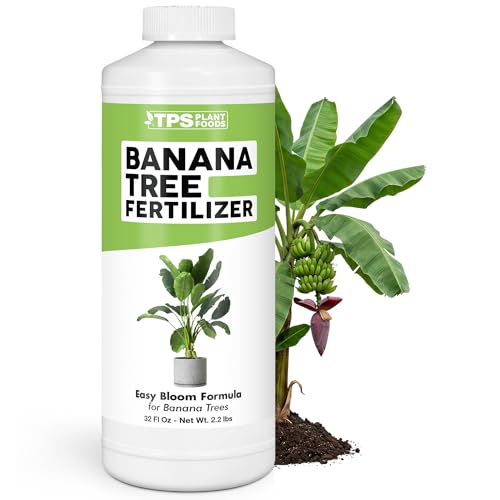
Made for Banana Trees – Specially formulated banana fertilizer designed to support the nutrient needs of banana plants.

Let our professionally formulated plant food help your fruit tree grow healthy, strong AND abundantly producing
Irrigation and Nutrient Strategies for Bananas
Successfully growing banana trees in Anchorage requires careful attention to irrigation and nutrient management. Given the unique challenges of a cold climate, implementing effective strategies can significantly enhance growth and fruit production. Understanding the specific needs of banana trees in this environment is crucial for fostering healthy plants and maximizing yield.
Watering: Keep soil consistently moist but not soggy.
Fertilizing: Use a balanced fertilizer every 6-8 weeks during the growing season.
Foliar Feeding: Consider using a liquid fertilizer for quick nutrient absorption.
| Action | Frequency | Notes |
|---|---|---|
| Watering | Weekly | Adjust based on rainfall. |
| Fertilizing | Every 6-8 weeks | Use balanced formula. |
| Foliar Feeding | Monthly | Apply during warm months. |
Optimal Harvest Timing for Cold-Climate Bananas
Understanding the best time to harvest bananas in cold climates like Anchorage, AK is crucial for maximizing yield and flavor. Factors such as temperature fluctuations and seasonal changes can significantly impact the growth cycle of banana trees. This section explores the optimal timing for harvesting to ensure the best results in these challenging conditions.
Knowing when and how to harvest bananas is essential for optimal fruit quality. Bananas will ripen off the plant, so timing is key.
Banana Tree Ripening Indicators
Understanding the ripening indicators of banana trees is crucial for successful cultivation in Anchorage’s unique cold climate. These indicators not only signal when to harvest but also help growers manage the challenges posed by lower temperatures. By recognizing these signs, gardeners can optimize their banana production even in less-than-ideal conditions.
Monitor Color: Look for a change from green to yellow.
Cut Bunches: Use a sharp knife to cut the entire bunch.
Ripening: Allow harvested bananas to ripen in a warm location.
Cold-Climate Banana Cultivation Strategies
Growing banana trees in Anchorage, Alaska presents unique challenges due to the region’s cold climate. However, with the right strategies and techniques, it is possible to cultivate these tropical plants successfully. This section explores effective methods for fostering banana growth in colder temperatures, ensuring a fruitful harvest despite the harsh conditions.
Growing banana trees in Anchorage requires careful planning and attention to detail. Selecting the right variety, preparing the soil, and implementing protective measures are all critical to success.
Planting banana trees can be rewarding, but it demands commitment and knowledge of local conditions.
