Close Menu
    Fruit Tree Hub
    • Home
    • Apple Trees
    • Lemon Trees
    • Mango Trees
    • Orange Trees
    • More Trees
      • Best Fruit Trees
      • Apricot Trees
      • Cherry Trees
      • Fig Trees
      • Lime Trees
      • Mulberry Trees
      • Peach Trees
      • Pear Trees
      • Plum Trees
      • Pomegranate Trees
    • Tips and Advice
      • Tools
    • About Us
      • Contact
      • Privacy Policy
    Fruit Tree Hub
    Home»Planting»Neem Oil on Lime Trees: Increase Your Crop’s Yield This Year
    Planting

    Neem Oil on Lime Trees: Increase Your Crop’s Yield This Year

    Lucy SmithBy Lucy SmithFebruary 19, 20265 Mins Read
    Share Facebook Twitter Pinterest WhatsApp Email
    Share
    Facebook Twitter LinkedIn Pinterest Telegram Email

    Using neem oil on lime trees can significantly boost crop yield by controlling pests and promoting healthy growth. This natural pesticide not only deters harmful insects but also enhances the overall vitality of the trees, resulting in a more abundant harvest.

    Contents show
    1 Neem Oil Advantages for Lime Tree Health
    1.1 Active Components of Neem Oil
    1.2 Neem Oil Application Techniques for Lime Trees
    1.3 Neem Oil Application Methods and Benefits
    1.4 Neem Oil Application Safety Guidelines
    1.5 Neem Oil’s Environmental Benefits for Lime Trees
    1.6 Neem Oil Application Challenges
    1.7 Effective Neem Oil Application Techniques for Lime Trees

    Neem Oil Advantages for Lime Tree Health

    Neem oil is derived from the seeds of the neem tree and is known for its insecticidal properties. It contains compounds that disrupt the life cycle of pests, making it effective against aphids, spider mites, and whiteflies. Additionally, neem oil promotes plant health by improving nutrient uptake and resilience against diseases.

    Using neem oil can lead to healthier foliage and increased fruit production. Regular application can help maintain a balanced ecosystem in your garden, reducing the need for synthetic pesticides.

    Recommended Products
    BioAdvanced Organics Brand Neem Oil, Ready-to-Use, 24 oz
    BioAdvanced Organics Brand Neem Oil, Ready-to-Use, 24 oz

    INSECT KILLER: BioAdvanced Organics Brand Neem Oil spray controls aphids, whiteflies, spider mites, and other listed pests

    VIEW LATEST PRICE

    As an affiliate, we earn on qualifying purchases.

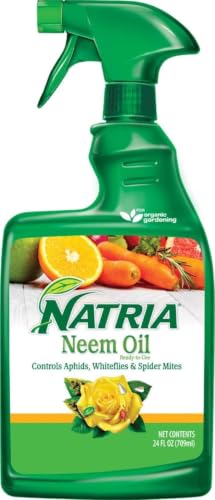
    Natria Neem Oil Spray for Gardening - Ready-to-Use - Pest Control & Disease Control - Use for Houseplants and Home Gardens - 24 oz Bottle
    Natria Neem Oil Spray for Gardening - Ready-to-Use - Pest Control & Disease Control - Use for Houseplants and Home Gardens - 24 oz Bottle

    PLANT DISEASE CONTROL: Natria Neem Oil acts as an insecticide and fungicide in one convenient spray; Ready-to-use trigger sprayer requires no mixing
    MUST READ
    Apricot Trees in Las Vegas, NV: Desert Irrigation and Care
    VIEW LATEST PRICE

    As an affiliate, we earn on qualifying purchases.

    Bonide Captain Jack's 64 oz Neem Max Cold Pressed Neem Oil Spray for Indoor or Outdoor Plants & Organic Gardening
    Bonide Captain Jack's 64 oz Neem Max Cold Pressed Neem Oil Spray for Indoor or Outdoor Plants & Organic Gardening

    Protect your oasis with Captain Jack’s Neem Max Ready-to-Use Spray; this multipurpose product acts as a 4-in-1 insecticide, fungicide, miticide and nematicide

    VIEW LATEST PRICE

    As an affiliate, we earn on qualifying purchases.

    Active Components of Neem Oil

    Neem oil is renowned for its effectiveness in promoting healthy growth and higher yields in lime trees. Understanding the active components of neem oil is essential for maximizing its benefits, as these natural compounds play a crucial role in pest control and plant health. This section delves into the specific elements that make neem oil a valuable asset for lime tree cultivation.

    Understanding the components of neem oil can help you appreciate its effectiveness. The main active ingredients include:

    • Azadirachtin: Disrupts insect growth and reproduction.

    • Nimbidin: Offers antifungal properties.

    • Nimbin: Provides additional pest deterrence.

    These ingredients work synergistically to protect lime trees from various threats while promoting overall health.

    Neem Oil Application Techniques for Lime Trees

    Applying neem oil effectively can significantly boost the health and yield of lime trees. Understanding the best techniques for application ensures that the oil penetrates the foliage and targets pests while promoting plant vitality. This section outlines practical methods to maximize the benefits of neem oil for your lime crops.

    Applying neem oil correctly is crucial for maximizing its benefits. Follow these steps for effective application:

    1. Dilute neem oil: Mix 2 tablespoons of neem oil with 1 gallon of water.

      Pin This Now to Remember It Later
      Pin This
    2. Add soap: Incorporate a few drops of mild liquid soap to help the oil emulsify.

    3. Spray trees: Use a spray bottle or garden sprayer to evenly coat the leaves, stems, and soil.

    MUST READ
    Copper Fungicide on Pomegranate Trees (Effective Disease Defense)

    Ensure you apply neem oil during cooler parts of the day to prevent leaf burn. Repeat the application every 7 to 14 days for optimal results.

    Neem Oil Application Methods and Benefits

    Applying neem oil to lime trees can significantly enhance crop yield by providing natural pest control and promoting healthier growth. Understanding the various application methods and their specific benefits is crucial for maximizing the effectiveness of this organic solution. This section explores how to properly use neem oil to achieve optimal results for your lime trees.

    Application MethodFrequencyBest TimeCoverage AreaExpected Results
    Foliar SprayEvery 7-14 daysEarly morning or late afternoonEntire treePest reduction, improved health
    Soil DrenchMonthlyAnytimeRoot zoneEnhanced nutrient uptake, disease resistance

    Neem Oil Application Safety Guidelines

    When using neem oil on lime trees, it’s essential to follow safety guidelines to ensure both effective pest management and the health of your plants. Proper application techniques can maximize the benefits of neem oil while minimizing any potential risks to the environment and beneficial insects. Adhering to these guidelines will help you achieve a bountiful crop this year.

    While neem oil is generally safe, certain precautions should be taken.

    • Test on a small area: Before full application, test on a small section of the tree to ensure no adverse reactions occur.

    • Avoid during flowering: Do not apply neem oil when trees are in bloom to protect pollinators.

    • Store properly: Keep neem oil in a cool, dark place to maintain its efficacy.

    Neem Oil’s Environmental Benefits for Lime Trees

    Neem oil offers a range of environmental benefits that can significantly enhance the health and productivity of lime trees. By acting as a natural pesticide and promoting soil health, neem oil supports sustainable farming practices while reducing the need for synthetic chemicals. This approach not only protects the trees but also contributes to a healthier ecosystem overall.

    MUST READ
    Can Apple Trees Grow in Maryland? Mid-Atlantic Growing Tips

    Using neem oil contributes positively to the environment. Unlike synthetic pesticides, neem oil breaks down quickly and does not persist in the soil. This reduces the risk of water contamination and protects beneficial insects.

    Using neem oil aligns with sustainable farming practices, promoting biodiversity and healthier ecosystems.

    Neem Oil Application Challenges

    Applying neem oil to lime trees can significantly boost crop yields, but several challenges may arise during the process. Understanding these obstacles is essential for effective application, ensuring that the benefits of neem oil are fully realized while minimizing potential setbacks. This section will explore the common difficulties growers face when using neem oil on lime trees.

    If you notice persistent pest problems or poor growth despite neem oil application, consider these factors:

    • Dilution issues: Ensure proper dilution ratios to maximize effectiveness.

    • Timing of application: Apply neem oil when pests are most active.

    • Environmental conditions: Monitor humidity and temperature, as extreme conditions can affect efficacy.

    Effective Neem Oil Application Techniques for Lime Trees

    Using neem oil effectively can lead to healthier lime trees and increased yields. Regular applications and proper techniques will ensure your trees thrive while minimizing pest issues. Always monitor your trees for any changes and adjust your approach as needed.

    Share. Facebook Twitter Pinterest LinkedIn Tumblr Email
    lucy smith
    Lucy Smith
    • Website

    Lucy Smith is a highly experienced horticulturist with a passion for fruit tree cultivation. She holds a degree in Horticulture from the University of California, Davis, and has worked in various roles in the industry. With over 10 years of experience, Lucy is dedicated to using eco-friendly methods for sustainable gardening practices.

    Related Posts

    Growing Walnut Trees in Delaware: Professional Planting Tips

    May 20, 2026

    Plum Trees in Columbus, OH: Ohio Valley Planting Secrets

    May 20, 2026

    Olive Trees in Columbus, OH: Ohio Valley Planting Secrets

    May 20, 2026

    Mulberry Trees in a Pot in South Carolina: Southern Harvest Tips

    May 20, 2026

    How to Grow Grapefruit Trees in Oregon: PNW Climate Tips

    May 20, 2026

    Olive Trees in a Pot in Vermont (Winter Protection Strategies)

    May 20, 2026
    Leave A Reply Cancel Reply

    Affiliate Disclosure

    As an Amazon Associate I earn from qualifying purchases.

    Recommended Reading

    Storing Grapes Without a Fridge: Tips for Freshness and Flavor

    What Time of Year Do Apple Trees Bear Fruit: A Guide to Harvesting Fresh Apples

    Pomegranate Trees in a Pot in Montana (Indoor Success Strategies)

    Miracle-Gro for Apple, Orange, and Grapefruit Trees: Boost Growth and Fruitfulness

    When Do Black Cherry Trees Produce Fruit and How to Maximize Your Harvest

    Can Avocado Trees Grow in Pittsburgh, PA? (Hilly Terrain Guide)

    How to Get Rid of Moss on Fruit Trees: Effective Techniques for Healthy Growth and Yield

    Best Fruit Trees for Northland NZ: Tips for Growing, Harvesting, and Care

    When to Plant Fruit Trees in Central Texas: Your Guide to Timing and Preparation for Success

    How to Plant a Fruit Tree from a Seed: Simple Steps for Growing Your Own Fresh Fruit

    Fruit Tree Hub

    Fruit Tree Hub is a website dedicated to providing you everything you need to grow fruit trees successfully at in your own yard.

    Contact us at: [email protected]

    - AFFILIATE DISCLOSURE: As an Amazon Associate I earn from qualifying purchases.

    Latest Posts

    Growing Walnut Trees in Delaware: Professional Planting Tips

    Plum Trees in Columbus, OH: Ohio Valley Planting Secrets

    Olive Trees in Columbus, OH: Ohio Valley Planting Secrets

    Mulberry Trees in a Pot in South Carolina: Southern Harvest Tips

    How to Grow Grapefruit Trees in Oregon: PNW Climate Tips

    Olive Trees in a Pot in Vermont (Winter Protection Strategies)

    Guava Trees in Henderson, NV (High Desert Growth Secrets)

    Growing Star Fruit Trees in a Pot in Colorado: Maintenance Tips

    Categories
    • Almond Trees
    • Apple Trees
    • Apricot Trees
    • Best Fruit Trees
    • Blackberry
    • Cantaloupe
    • Cherry Trees
    • Crochet Ideas
    • Crochet Ideas for Beginners
    • Cucamelon
    • Easy Crochet Ideas
    • Easy Knitting Projects
    • Fig Trees
    • Grapefruit Trees
    • Grapes
    • Guava Trees
    • Honeydew
    • Jujube Trees
    • Kiwi
    • Knitting For Beginners
    • Knitting Ideas
    • Knitting Inspiration
    • Lemon Trees
    • Lime Trees
    • Loquat Trees
    • Mango Trees
    • Mulberry Trees
    • Nectarine Trees
    • Olive Trees
    • Orange Trees
    • Papaya Trees
    • Peach Trees
    • Pear Trees
    • Persimmon Trees
    • Planting
    • Plum Trees
    • Pomegranate Trees
    • Quince Trees
    • Raspberry
    • Reviews
    • Small Crochet Ideas
    • Star Fruit Trees
    • Summer Crochet Ideas
    • Tamarind Trees
    • Tangerine Trees
    • Tips and Advice
    • Tools
    • Uncategorized
    • Walnut Trees
    © 2026 Fruit Tree Hub
    • Home
    • About Us
    • Contact
    • Privacy Policy
    • Terms and Conditions
    • Disclaimer
    • Editorial Policy
    • Affiliate Disclosure

    Type above and press Enter to search. Press Esc to cancel.