

Growing mango trees in pots in Maryland is feasible with the right approach. Selecting the appropriate container, soil, and care methods ensures healthy growth despite the region’s climate challenges.
Choosing the Ideal Pot for Mango Trees
Choosing the correct container is crucial for the health of your mango tree. A pot that is too small can restrict root growth, while one that is too large may retain excess moisture. Opt for a container that is at least 15 gallons to allow for adequate root development. Ensure the pot has drainage holes to prevent waterlogging.
| Container Size | Recommended Volume | Benefits |
|---|---|---|
| 10 gallons | 40 liters | Good for young trees |
| 15 gallons | 56 liters | Ideal for mid-sized trees |
| 20 gallons | 76 liters | Suitable for mature trees |
Choose the Right Soil Mix
Selecting the appropriate soil mix is crucial for the health and growth of mango trees in pots, especially in Maryland’s unique climate. The right blend not only provides essential nutrients but also ensures proper drainage and aeration. Understanding these soil requirements will help you create an optimal environment for your mango tree to thrive in a container.
Mango trees thrive in well-draining soil. A mix that retains moisture yet allows excess water to escape is essential.
Combine potting soil with perlite and sand for optimal drainage. This mixture prevents root rot and promotes healthy growth.
Essential Soil Components for Mango Trees
Growing mango trees in pots requires careful attention to soil composition, especially in the unique climate of Maryland. The right soil components are crucial for ensuring healthy growth and fruit production. This section delves into the essential elements that create an optimal environment for mango trees in containers.
Potting soil: Provides nutrients
Perlite: Enhances drainage
Sand: Improves aeration
Mix these components in a 2:1:1 ratio for best results.
Potted Mango Tree Care Practices
Caring for potted mango trees in Maryland requires specific practices to ensure their health and productivity. Given the unique climate challenges of the Mid-Atlantic region, understanding watering, fertilization, and sunlight needs is essential for successful cultivation. This section outlines key care practices to help you maintain a thriving mango tree in a container.
Caring for mango trees in pots involves several key practices. Regular watering, fertilization, and pruning are essential for healthy growth. Monitor the tree for pests and diseases, especially during the warmer months.
Recommended Products

CITRUS PLANT FOOD: This avacado, mango and citrus fruit tree fertilizer feeds plants for up to 3 months and nourishes above and below the soil
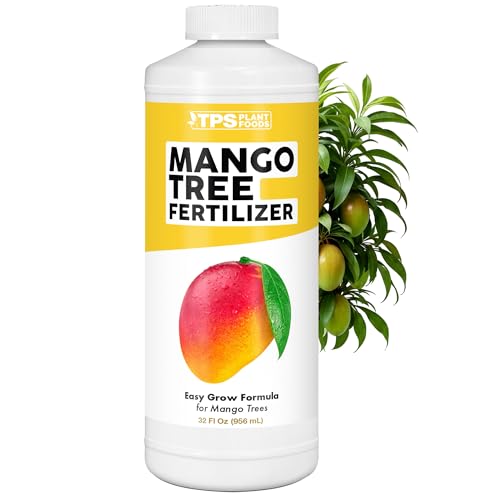
Made for Mango Trees – Formulated to support healthy growth in mango and tropical fruit trees.

Comes in 5 lb. bag of granules
Potting Soil Moisture Management
Proper moisture management is crucial for the health of mango trees grown in pots, especially in Maryland’s variable climate. Understanding how to maintain the right level of soil moisture will help ensure that your mango trees thrive in containers, providing the ideal conditions for growth and fruit production. This section will explore effective strategies for monitoring and adjusting soil moisture levels.
Water when the top inch of soil feels dry
Ensure thorough drainage after watering
Reduce frequency during winter months
Container Fertilization for Mango Trees
Fertilizing mango trees grown in pots is essential for their growth and fruit production, especially in Maryland’s unique climate. Proper nutrient management ensures that these tropical plants thrive in a container environment, providing the right balance of essential elements. This section will explore effective fertilization strategies tailored for mango trees in the Mid-Atlantic region.
Use a balanced fertilizer every 4-6 weeks during the growing season
Switch to a low-nitrogen fertilizer in late summer
Optimal Temperature and Light for Mango Trees
Understanding the optimal temperature and light conditions is crucial for successfully growing mango trees in pots, especially in Maryland’s unique climate. This section delves into the specific environmental requirements that will help ensure your mango trees thrive, providing you with the best chance for a fruitful harvest even in the Mid-Atlantic region.
Mango trees require specific temperature and light conditions to flourish. They prefer full sun exposure and thrive in temperatures between 70°F and 100°F. In Maryland, consider bringing the container indoors during winter months to protect the tree from frost.
Optimal Sunlight for Potted Mango Trees
Mango trees thrive in warm, sunny environments, making optimal sunlight crucial for their growth, especially when grown in pots. In Maryland’s Mid-Atlantic climate, understanding how to provide adequate light can significantly impact the health and productivity of your potted mango trees. This section will explore the best sunlight conditions to help your mango trees flourish.
Place the container in a location with at least 6-8 hours of direct sunlight
Use grow lights if indoor conditions are insufficient
Frost Protection for Potted Mango Trees
Mango trees, while thriving in warmer climates, can struggle in the cooler temperatures of Maryland. To ensure their survival during frost events, it’s essential to implement effective protection strategies. This section outlines practical methods to safeguard your potted mango trees from frost damage, helping them flourish even in the Mid-Atlantic region.
Monitor nighttime temperatures to avoid frost
Use frost blankets or move indoors during cold spells
Pruning Strategies for Container Mango Trees
Pruning is essential for maintaining the health and productivity of container-grown mango trees, especially in Maryland’s unique climate. Proper techniques can enhance fruit development and promote a more manageable size, ensuring your tree thrives in a pot. This section outlines effective pruning strategies tailored for mango trees in containers, helping you achieve optimal growth and fruiting.
Pruning is essential for maintaining shape and encouraging fruit production. Regularly remove dead or damaged branches to promote airflow and light penetration.
Pruning Techniques for Container Mango Trees
Pruning container mango trees is essential for maintaining their health and promoting fruitful growth, especially in Maryland’s unique climate. This section outlines effective techniques tailored for the Mid-Atlantic region, ensuring your potted mango trees thrive while remaining manageable in size. By following these guidelines, you can enhance the overall vitality and productivity of your plants.
Identify and remove any dead or crossing branches
Trim back excessive growth to maintain shape
Perform pruning in early spring before new growth begins
Identifying Mango Tree Pests and Diseases
Mango trees, while beautiful and fruitful, can be susceptible to various pests and diseases, especially when grown in pots in Maryland’s unique climate. Understanding how to identify these threats is crucial for maintaining the health of your mango tree. This section will explore common pests and diseases that may affect your container-grown mangoes and offer guidance on effective management strategies.
Mango trees can be susceptible to various pests and diseases. Regular inspection is necessary to catch issues early. Look for signs of aphids, spider mites, and fungal infections.
Aphid Infestation on Potted Mango Trees
Aphid infestations can pose a significant threat to potted mango trees, particularly in Maryland’s unique climate. Understanding how to identify these pests and implement effective control measures is essential for maintaining the health of your container-grown mangoes. This section will provide practical insights into managing aphids to ensure your trees thrive.
Aphids: Small, green insects that can damage leaves
Spider mites: Tiny pests that create webbing on leaves
Fungal infections: Often appear as spots on leaves
Aphid Control with Insecticidal Soap
Aphids can pose a significant threat to mango trees grown in pots, especially in Maryland’s unique climate. Effective control measures are essential to protect these plants from damage. Insecticidal soap offers a practical and environmentally friendly solution for managing aphid infestations, ensuring your mango trees remain healthy and productive.
Use insecticidal soap for aphids
Introduce beneficial insects like ladybugs for natural pest control
Apply fungicides for fungal infections as needed
Seasonal Care Strategies for Potted Mango Trees
Caring for potted mango trees in Maryland requires a strategic approach tailored to the region’s seasonal changes. Understanding how temperature fluctuations and varying light conditions affect these tropical plants is crucial for their health and productivity. This section outlines essential seasonal care strategies to ensure your mango trees thrive in containers throughout the year.
Adjusting care based on the season is vital for the health of mango trees in pots. Each season brings different challenges and requirements.
Pot Care During Warmer Months
As the warmer months approach, proper care for mango trees in pots becomes essential for their growth and fruit production in Maryland’s climate. This section provides practical tips for managing temperature, watering, and sunlight exposure to ensure your potted mango trees thrive during the summer season. Understanding these factors will help you cultivate healthy trees that can flourish in a container environment.
Increase watering frequency as temperatures rise
Fertilize regularly to support growth
Seasonal Care for Potted Mango Trees
Caring for potted mango trees in Maryland requires a keen understanding of seasonal changes and their impact on plant health. This section delves into the specific needs of mango trees throughout the year, offering practical tips for ensuring their growth and vitality in a container setting. Proper seasonal care is essential for thriving mango trees in the Mid-Atlantic climate.
Reduce watering as growth slows
Protect from frost with coverings or indoor placement
Regular monitoring and adjustments based on seasonal changes will enhance the health and productivity of your mango trees in pots.
