

Lime trees thrive in Virginia Beach’s coastal soil with proper care and attention to specific growing conditions. These trees require well-drained soil, adequate sunlight, and careful watering to produce healthy fruit.
Coastal Soil Impact on Lime Tree Growth
The unique coastal soil conditions in Virginia Beach play a significant role in the growth and health of lime trees. Understanding how factors like salinity, drainage, and nutrient availability affect these trees can help gardeners and farmers optimize their cultivation practices for better yields and fruit quality. This section explores the intricate relationship between coastal soil and lime tree development.
Coastal soil in Virginia Beach has unique characteristics that can affect lime tree growth. The sandy texture allows for good drainage, but it may lack essential nutrients.
Lime trees prefer slightly acidic to neutral pH levels, which can be adjusted through soil amendments. Regular soil testing can help determine nutrient levels and pH balance.
| Soil Type | Drainage | Nutrient Level | pH Level |
|---|---|---|---|
| Sandy | Excellent | Low | 5.5-7.0 |
| Clay | Poor | High | 6.0-8.0 |
| Loamy | Moderate | Moderate | 6.0-7.5 |
Choosing Ideal Lime Tree Varieties for Coastal Conditions
Selecting the right lime tree varieties for coastal conditions in Virginia Beach requires an understanding of the unique challenges posed by the local climate and soil. This section explores the most suitable lime tree options that thrive in coastal environments, ensuring optimal growth and fruit production for gardeners and enthusiasts alike.
Choosing the appropriate lime tree variety is crucial for success in Virginia Beach. Key factors include climate adaptability, disease resistance, and fruit quality. Popular varieties include:
Persian Lime: Known for its larger fruit and higher yield.
Key Lime: Smaller fruit with a distinct flavor, ideal for culinary uses.
Kaffir Lime: Valued for its aromatic leaves used in cooking.
Each variety has specific care requirements that must be met for optimal growth.
Site Preparation Steps for Lime Trees
Preparing the site for lime trees in Virginia Beach requires careful consideration of the coastal soil’s unique characteristics. Understanding the specific needs of lime trees, including soil pH and drainage, is essential for successful growth. This section outlines the crucial steps to ensure optimal conditions for planting and nurturing lime trees in this coastal environment.
Proper site preparation is essential for healthy lime trees. Start by selecting a location that receives full sun for at least six hours daily. Follow these steps for effective site preparation:
Clear the Area: Remove weeds, rocks, and debris.
Test the Soil: Conduct a soil test to check nutrient levels and pH.
Amend the Soil: Add organic matter such as compost to improve nutrient content.
Dig the Hole: Create a planting hole twice the width of the root ball.
This preparation ensures that the lime tree has the best chance to establish itself.
Irrigation and Nutrition for Lime Trees
Irrigation and nutrition are critical factors for the successful growth of lime trees in Virginia Beach’s coastal soil. Understanding the specific water and nutrient needs of these trees can help ensure healthy fruit production and overall vitality. This section delves into effective practices for managing irrigation and providing essential nutrients tailored to the unique conditions of the region.
Watering and fertilizing are critical for lime tree health. Lime trees require consistent moisture without becoming waterlogged. Here’s how to manage watering and fertilizing effectively:
Watering Schedule: Water deeply once a week, adjusting frequency based on rainfall.
Fertilization: Use a balanced fertilizer formulated for citrus trees every 6-8 weeks during the growing season.
Monitoring soil moisture levels helps prevent both overwatering and underwatering.
Recommended Products

Balanced Organic Nutrition – Supplies a 6‑3‑3 NPK ratio along with calcium, sulfur, iron, and zinc to foster healthy foliage, flowering, and fruit.

Package contains 4 Pounds organic fruit and citrus fertilizer grains and is produced to avoid wasteful runoff, mess, hazards and smells

CITRUS PLANT FOOD: This avacado, mango and citrus fruit tree fertilizer feeds plants for up to 3 months and nourishes above and below the soil
Lime Tree Pest and Disease Control Strategies
Managing pests and diseases is crucial for the health of lime trees in Virginia Beach’s unique coastal environment. Understanding the specific threats these trees face, along with effective control strategies, can help ensure a thriving harvest. This section explores practical approaches to safeguard lime trees from common issues in this region.
Pests and diseases can threaten lime tree health. Regular monitoring and preventive measures are essential.
Common pests include aphids and spider mites. Effective management strategies include:
Insecticidal Soap: Apply to control aphid populations.
Neem Oil: Use as a natural pesticide for broader pest control.
Regular Inspections: Check leaves and branches for signs of infestation.
Diseases such as root rot can be prevented by ensuring proper drainage and avoiding overwatering.
Recommended Products

EASY TO USE: The ready-to-use indoor bug spray bottle makes application easy
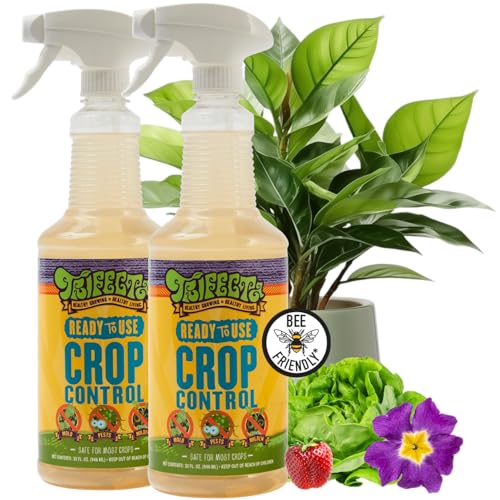
CROP, GARDEN & HOUSEPLANT INSECT CONTROL. Trifecta Crop Control plant based formula targets spider mites, aphids, whiteflies, fungus gnats and other soft bodied pests on indoor and outdoor plants. Safe for edible crops and biodegradable.

3-IN-1 GARDEN SPRAY - Earth’s Ally 3-in-1 Plant Spray is an insecticide, miticide and fungicide. The houseplant pest spray effectively kills and controls soft-bodied insects and common plant diseases with a synergistic blend of essential oils.
Optimal Lime Harvesting Techniques
Harvesting limes in Virginia Beach requires an understanding of the unique coastal soil conditions that influence fruit quality and yield. Employing the right techniques can enhance both the efficiency of the harvest and the overall health of the trees. This section explores the best practices for optimal lime harvesting in this specific environment.
Harvesting limes at the right time is crucial for flavor and quality. Limes are typically ready for harvest when they are fully colored and slightly soft to the touch. Follow these steps for harvesting and storage:
Check Color: Limes should be vibrant green or yellow-green.
Gently Twist: Twist the fruit to detach it from the branch.
Store Properly: Keep harvested limes in a cool, dry place or refrigerate for longer freshness.
Proper handling ensures that limes maintain their quality until use.
Coastal Lime Tree Care Essentials
Caring for lime trees in Virginia Beach requires an understanding of the unique coastal soil conditions that influence their growth. This section delves into essential practices tailored to the region’s climate and soil composition, ensuring healthy trees that thrive in the seaside environment. Discover the key techniques for nurturing these citrus gems in your garden.
Lime trees in Virginia Beach require specific care to thrive in coastal soil. Regular monitoring of soil conditions, pest management, and appropriate watering will lead to successful growth.
Avoid neglecting any aspect of care to ensure a fruitful harvest.
