

Are your fruit trees turning into a buffet for hungry birds? You’re not alone! Many gardeners face the same challenge when trying to protect their precious harvest. Watching birds peck away at your hard-earned fruits can be frustrating, especially when you’ve put so much effort into growing them.
Key Takeaways
- Understand the Impact: Birds can significantly damage fruit trees by consuming ripe fruits, which directly affects your harvest and can invite pests.
- Identify Problematic Species: Common culprits include starlings, sparrows, robins, crows, and blue jays. Identifying these species helps tailor your deterrent strategies.
- Employ Diverse Deterrent Strategies: Utilize a combination of physical barriers (like bird netting), visual deterrents (such as reflective objects), and auditory tools (wind chimes or distress calls) to effectively keep birds away.
- Maintain Regular Monitoring: Frequent inspections during the fruiting season help you identify bird activity and adjust deterrents as necessary to protect your crops.
- Implement Natural Solutions: Incorporate companion planting and attract natural predators to create an eco-friendly environment that naturally deters harmful bird activity.
Understanding The Problem
Birds often damage fruit trees, causing frustration for gardeners. By understanding the impact of birds and identifying species that cause harm, you can better manage this challenge.
The Impact Of Birds On Fruit Trees
Birds can consume large quantities of fruit. They may strip trees of ripe pears, apples, and cherries, leaving behind damaged crops. This not only affects your harvest but can also invite pests and diseases if the trees are injured. The loss of even a few fruits can significantly reduce the overall yield. Protecting your fruit trees from birds is essential for a successful harvest.
Common Bird Species That Cause Damage
Several bird species are notorious for raiding fruit trees. Here are a few that you might encounter:
- Starlings: These birds flock in groups, targeting various fruits, especially ripe ones.
- Sparrows: Known for their persistence, sparrows can quickly strip the fruit from trees.
- Robins: While beautiful, robins often feed on berries and soft fruits, leading to crop loss.
- Crows: Crows can be aggressive, pulling down branches to reach fruits.
- Blue Jays: These birds are quick and opportunistic, often taking advantage of easily accessible fruit.
Identifying the birds in your area helps create targeted strategies to minimize their impact.
Effective Strategies To Deter Birds
To keep birds off your fruit trees, consider a combination of physical, visual, and auditory deterrents. Each method can significantly reduce bird activity and protect your fruit.
Recommended Products

Extra Large Coverage: 15ft x 15ft bird netting offers full protection for large fruit trees and plants.

Protect Your Vegetables and Fruits: LCHUANG Garden Netting is great for orchards, greenhouses, gardens, nurseries, patios, and shrubs. This Bird Netting with a zipper can protect blueberries, tomatoes, trees, fruits, flowers, vegetables, and potted plants from insects, birds, and bugs, which helps the plants grow normally.
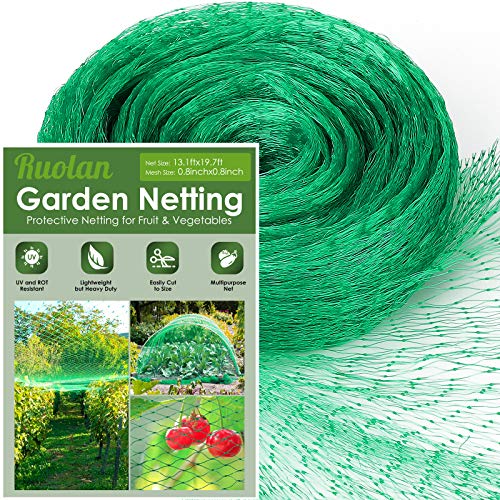
【Perfect size】(Garden Netting size 13ftX20ft, Mesh Size 0.8inchX0.8inch), Protect fruit tree plant blueberry strawberry from animals
Physical Barriers
Use bird netting to cover your trees. This creates a physical barrier that prevents birds from reaching the fruit. Make sure the netting is securely fastened to avoid any gaps.
Install tree guards or wire cages around individual branches. This provides additional protection for ripe fruits, especially on smaller trees.
Consider using metal meshes. These can deter larger birds while allowing light and rain to nourish the tree.
Visual Deterrents
Hang reflective objects like aluminum foil strips or old CDs. The shiny surfaces can frighten birds away.
Place scarecrows in your orchard. They mimic human presence and can discourage birds from landing.
Try using decoy predators, such as plastic owls or hawks. Position these near the trees to create a natural warning for smaller birds.
Auditory Deterrents
Use wind chimes or bells to create sounds that unsettle birds. The noise can prevent them from settling on your trees.
Play recordings of distress calls specific to the bird species. This can alarm other birds and drive them away permanently.
Consider using motion-activated noise devices. These will play sounds when birds approach, providing an effective surprise.
Maintenance And Monitoring
Maintaining and monitoring your fruit trees is essential to keep birds at bay. Regular checks and seasonal strategies help protect your hard-earned fruits.
Recommended Products

Size: Deer netting size 7 feet x 100 feet; garden netting mesh size 3/4"; color: black; Easy to use accessories included: 10pcs installation nails & 50pcs cable ties

【Perfect Size for Garden Protection】Avagiaforu bird netting for garden measures 13ft x 32ft with 0.8" x 0.8" mesh, providing wide coverage for beds, balconies, raised gardens and trees. This netting for garden protection allows sunlight, rain, airflow and pollinators to pass through while helping protect vegetables, plants and fruit trees for healthier growth and better harvests

HDPE Material for Outdoor Garden Use: Made from high-density polyethylene (HDPE), RIFNY garden bird netting is designed for outdoor plant protection and repeated seasonal use. The flexible mesh is suitable for backyard gardeners, vegetable gardens, raised beds, fruit trees, blueberry bushes, flower gardens, and orchards. The black netting provides a practical barrier for protecting plants while maintaining airflow and sunlight
Regular Inspection
Inspect your trees weekly during the fruiting season. Look for signs of bird activity or damage. Monitoring helps you identify specific problem areas. If you notice increased bird presence, adjust your deterrents promptly. Pay attention to ripe fruits, as they’re often the main targets. Check for bird droppings around the base of the trees, which signal frequent visits. Take notes on what works and what doesn’t for future reference.
Seasonal Adjustments
Adjust your bird deterrents based on the season. Early in the season, use netting or barriers to protect the buds. As fruits begin to ripen, reinforce visual and auditory deterrents. During peak harvest, evaluate the effectiveness of your strategies. If certain birds remain persistent, shift to more aggressive methods like using reflective tape or predator decoys. Regularly replace or reposition decoys to maintain their effectiveness. Seasonal adjustments ensure your protection measures remain relevant, maximizing your fruit year after year.
Natural Solutions
Natural solutions provide effective ways to deter birds from your fruit trees while maintaining an eco-friendly garden. Consider the following methods to protect your harvest.
Companion Planting
Companion planting creates a diverse ecosystem that can confuse and repel birds. Planting non-fruit-bearing bushes or flowers around your fruit trees attracts beneficial insects and provides shelter for natural predators. For example, marigolds and nasturtiums repel aphids and enhance biodiversity. Incorporating herbs like basil or mint also deters birds with their strong scents while adding beauty to your garden.
Attracting Beneficial Predators
Encouraging the presence of natural predators can help control bird populations near your fruit trees. Install birdhouses or nesting boxes to attract larger birds of prey like hawks or owls. These predators naturally keep smaller birds, such as starlings or sparrows, at bay. Additionally, fostering a habitat for beneficial insects like ladybugs and lacewings can help manage pest populations, reducing fruit damage. You can plant diverse, native plants to attract these predators, creating a balanced garden ecosystem that limits bird interference.
Conclusion
Keeping birds off your fruit trees doesn’t have to be a daunting task. With a mix of barriers visual tricks and sound deterrents you can protect your precious harvest. Regular monitoring and seasonal adjustments will ensure your strategies stay effective as your fruits ripen.
By creating a balanced garden ecosystem you not only deter unwanted visitors but also encourage beneficial wildlife. Remember to stay patient and persistent as you find the right combination of methods that work for your garden. Your hard work deserves a fruitful reward so enjoy the process and happy gardening!
Frequently Asked Questions
What is the main problem gardeners face with fruit trees and birds?
Gardners often struggle with birds eating their fruit, which can lead to significant loss. Species like starlings, sparrows, and blue jays can consume large quantities, damaging trees and inviting pests or diseases.
How can I protect my fruit trees from birds?
To protect your fruit trees, use physical barriers like bird netting, visual deterrents like scarecrows or reflective objects, and auditory methods such as wind chimes or distress call recordings. A combination of these strategies will yield the best results.
What are some effective visual deterrents for birds?
Effective visual deterrents include reflective objects (like aluminum foil), scarecrows, and decoy predators. These create the illusion of danger, which can discourage birds from approaching your fruit trees.
How should I monitor bird activity around my trees?
Regularly inspect your fruit trees during the fruiting season. Look for signs of bird activity, such as peck marks or scattered fruit. This monitoring helps you adjust your protection strategies timely.
Can natural solutions help deter birds?
Yes, natural solutions like companion planting can be effective. Planting non-fruit-bearing plants like marigolds can confuse and repel birds, while beneficial insects and predators help maintain a balanced ecosystem and protect your harvest.
How often should I adjust my bird deterrent strategies?
Adjust your bird deterrent strategies seasonally, and reevaluate them regularly during the fruiting season. As fruits ripen, you may need to reinforce your barriers and visual/auditory methods based on bird activity observed.
