

Have you ever wondered if there’s a crabapple tree that doesn’t bear fruit? You’re not alone. Many gardeners love the idea of planting these beautiful trees but worry about the mess and maintenance that come with fruit production.
Imagine having a stunning tree in your yard that offers all the charm of crabapples without the hassle of fallen fruit. This article will explore whether such a tree exists and what options you might have if you’re looking for a low-maintenance landscape solution. By the end, you’ll have a clearer picture of how to enjoy the beauty of crabapple trees without the worry of unwanted fruit.
Key Takeaways
- Crabapple Varieties: Not all crabapple trees bear fruit; non-fruit-producing varieties, such as Malus ‘Spring Snow’ and Malus ‘Lancelot’, offer beautiful blooms without the mess of fallen fruit.
- Aesthetic Value: Non-fruit-bearing crabapple trees still provide stunning seasonal displays with their vibrant flowers and foliage, making them ideal for ornamental landscaping.
- Low Maintenance: Choosing non-fruit-producing options minimizes garden upkeep, reducing cleanup time and avoiding pest attraction associated with rotting fruit.
- Environmental Considerations: Various environmental factors, including sunlight, soil quality, and tree health, influence a crabapple tree’s potential for fruit production.
- Pollination Needs: Understanding the pollination requirements is essential; non-fruiting varieties do not need cross-pollination, simplifying their care.
- Seasonal Impacts: Awareness of seasonal changes can help manage potential challenges that may affect fruit-bearing trees, although non-fruit varieties are less susceptible to these issues.
Overview of Crabapple Trees
Crabapple trees, known scientifically as Malus, are popular among gardeners for their stunning blossoms and vibrant foliage. These trees typically grow between 15 to 25 feet tall and can have a similar spread. The tree’s size and shape vary depending on the specific cultivar. Most crabapple varieties produce small, decorative fruits that can attract wildlife, adding an extra layer of interest to your landscape.
Recommended Products
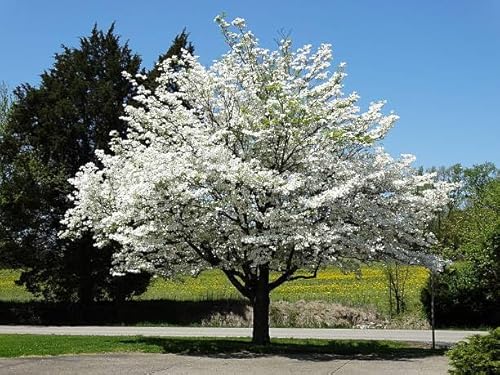
Ornamental Beauty in Spring and Fall: Grow your own stunning Crabapple tree from these Crabapple Tree Seeds. Enjoy a spectacular display of fragrant white blooms in spring, followed by attractive miniature Crabapple Fruits in the autumn that persist into winter, providing year-round visual interest.


Crabapple Tree 'Harvest Gold' – Features clusters of fragrant white spring flowers, followed by lush green foliage and striking golden-yellow fruit that adds standout fall color
Characteristics of Crabapple Trees
- Flowers: Crabapple trees bloom in spring, showcasing clusters of white, pink, or red flowers. The beauty of these blooms makes them a favorite for ornamental landscaping.
- Leaves: The leaves are generally oval and can turn vibrant colors in the fall, offering seasonal visual appeal.
- Bark: The bark is typically smooth and grayish-brown, with some varieties developing distinct textures as they mature.
Fruit Production
While many crabapple trees are known for their fruit, not all varieties produce significant amounts. Some cultivars are bred specifically for their ornamental qualities rather than their fruit. If you’re looking for trees that minimize mess, consider varieties like Malus ‘Spring Snow’ or Malus ‘Lancelot’, which produce little to no fruit.
Reasons for Choosing Non-Fruiting Varieties
- Low Maintenance: Non-fruiting crabapple varieties reduce cleanup time. Without dropped fruit, there’s less need for regular maintenance.
- Wildlife Considerations: Some gardeners prefer to avoid attracting certain wildlife. Non-fruiting trees create a more controlled environment.
- Aesthetic Appeal: You can enjoy the stunning blooms and foliage without worrying about overripe fruits.
Conclusion
Exploring the world of crabapple trees reveals options that blend beauty and practicality. You can enjoy the splendor of these trees without the hassle of fallen fruit by selecting the right varieties.
Types of Crabapple Trees
Crabapple trees come in various types, each offering unique features and benefits. Here’s a closer look at the different varieties available.
Fruit-Producing Varieties
Fruit-producing crabapple trees showcase colorful and sometimes aromatic fruits. Here are some common varieties:
- Malus ‘Dolgo’: Produces small, edible apples. These can attract wildlife, enhancing your garden’s ecosystem.
- Malus ‘Harvest Gold’: Features sweet yellow fruit and stunning fall foliage. This variety adds a pop of color throughout the seasons.
- Malus ‘Centennial’: Offers bright red fruit that remains on the tree into winter, providing visual interest.
These fruit-producing trees may require additional maintenance, such as fruit cleanup.
Non-Fruit-Producing Varieties
Non-fruit-producing crabapple trees are ideal for those wanting beauty without the maintenance hassle. Consider these varieties:
- Malus ‘Spring Snow’: This tree blooms with white flowers in spring and doesn’t bear fruit, making it perfect for low-maintenance landscapes.
- Malus ‘Lancelot’: Produces abundant blossoms and features attractive foliage, yet doesn’t yield fruit, ensuring a clean garden environment.
Opting for non-fruit-producing varieties reduces cleanup and minimizes wildlife attraction, allowing you to enjoy the beauty of crabapple trees effortlessly.
Benefits of Non-Fruit-Producing Crabapple Trees
Non-fruit-producing crabapple trees offer several advantages that make them attractive options for your garden.
Recommended Products
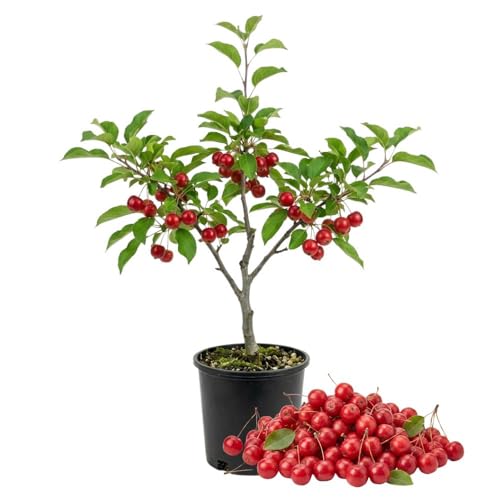
Hardy crabapple tree suitable for USDA Zones 4-8, ideal for backyard gardens, landscape beds, and ornamental plantings

Live Starter Plant: You will receive a well-rooted live plant approximately 5-8" tall, come in soil without pot, for planting in garden or container.
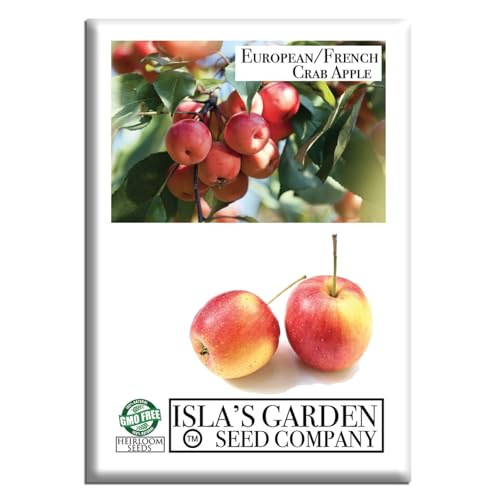
Scarification: Soak in water, let stand in water for 24 hours. Stratification: cold stratify for 60 -120 days. Germination: sow seed 1/4" deep, tamp the soil, mulch the seed bed.
Aesthetic Appeal
Non-fruit-producing varieties like Malus ‘Spring Snow’ and ‘Lancelot’ provide visual delight. Their stunning blooms in spring create a vibrant display, while their rich green foliage adds texture during summer. Their fall colors—ranging from golden-yellow to deep red—further enhance your landscape. These trees maintain beauty throughout the seasons without the distraction of fallen fruit.
Low Maintenance
Non-fruit-producing crabapple trees require less upkeep compared to their fruit-bearing counterparts. You’ll avoid the mess associated with rotting fruit, which can attract pests and require frequent clean-up. These trees often demand less pruning due to their growth habits, simplifying your gardening tasks. Choosing a non-fruit-producing option means investing time in enjoyment rather than maintenance.
Factors Affecting Fruit Production
Several factors influence whether a crabapple tree produces fruit. Understanding these elements helps you choose the right variety for your landscape needs.
Tree Variety
Different crabapple varieties exhibit varying levels of fruit production. Non-fruit-bearing options, such as Malus ‘Spring Snow’ and Malus ‘Lancelot,’ focus on ornamental beauty rather than fruit yield. Selecting a non-fruit variety ensures a cleaner garden space with fewer maintenance concerns.
Environmental Conditions
Crabapple trees depend on specific environmental conditions for fruit development. Adequate sunlight, well-drained soil, and proper drainage impact fruit yield. Enhanced sunlight exposure, typically six to eight hours daily, optimizes blooming, leading to potential fruit production. The right soil pH, ideally between 6.0 and 7.0, supports healthy growth and flowering.
Pollination
Pollination plays a vital role in fruit production. While some crabapple varieties produce fruit without cross-pollination, many require it for viable yields. Ensure diverse flowering plants or another crabapple variety nearby to encourage pollination. This practice increases fruit set if you desire a fruit-bearing variety.
Tree Health
Healthy trees produce higher yields. Pests and diseases can impede fruit production. Regular health checks, prompt management of pests like aphids, and ensuring proper watering contribute to a robust tree. Proper pruning also promotes air circulation and sunlight exposure, enhancing overall health.
Seasonal Changes
Seasons impact a crabapple tree’s ability to bear fruit. Unseasonably warm winters or late frosts can damage blossoms, reducing fruit set. Understanding local climate trends helps you anticipate potential challenges, allowing for adjustments to care practices.
By considering these factors, you can effectively choose a crabapple tree variety and create an environment conducive to your desired outcome, whether it’s a productive display or ornamental beauty.
Conclusion
Choosing a crabapple tree that doesn’t produce fruit can transform your garden into a stunning visual delight without the hassle of cleanup. With varieties like ‘Spring Snow’ and ‘Lancelot’ you can enjoy beautiful blossoms and vibrant foliage year after year. These trees not only enhance your landscape but also reduce maintenance, allowing you to spend more time enjoying your outdoor space.
By understanding the characteristics and needs of different crabapple varieties you can make an informed choice that suits your gardening style. So go ahead and explore these non-fruit-bearing options to create a picturesque garden that brings joy throughout the seasons.
Frequently Asked Questions
What are crabapple trees known for?
Crabapple trees, scientifically named Malus, are primarily valued for their stunning spring blossoms, vibrant foliage, and seasonal beauty. They enhance gardens with colorful flowers, rich green leaves, and attractive fall colors, making them a popular choice among gardeners.
Do all crabapple trees produce fruit?
No, not all crabapple trees produce fruit. There are non-fruit-bearing varieties like Malus ‘Spring Snow’ and ‘Lancelot’ that provide the beauty of blossoms without the mess of fallen fruit, making them ideal for low-maintenance landscaping.
What are the benefits of non-fruit-producing crabapple trees?
Non-fruit-producing crabapple trees offer aesthetic appeal without the hassle of fruit cleanup. They require less maintenance, resulting in fewer messes from rotting fruit while still providing beautiful blooms in spring and rich fall colors.
How does fruit production vary among crabapple trees?
Fruit production in crabapple trees varies based on the tree variety, environmental conditions, and pollination. Different varieties may yield different amounts of fruit, with some focused more on ornamental qualities than fruiting.
What are some recommended non-fruit-producing crabapple varieties?
Popular non-fruit-producing crabapple varieties include Malus ‘Spring Snow’ and ‘Lancelot.’ These options are ideal for gardeners seeking attractive trees without the burden of maintaining fallen fruit.
