
Close Menu
    Fruit Tree Hub
    • Home
    • Apple Trees
    • Lemon Trees
    • Mango Trees
    • Orange Trees
    • More Trees
      • Best Fruit Trees
      • Apricot Trees
      • Cherry Trees
      • Fig Trees
      • Lime Trees
      • Mulberry Trees
      • Peach Trees
      • Pear Trees
      • Plum Trees
      • Pomegranate Trees
    • Tips and Advice
      • Tools
    • About Us
      • Contact
      • Privacy Policy
    Fruit Tree Hub
    Home»Fruit Trees»Olive Trees»Is Olive Oil Extracted From All Types of Olives
    Olive Trees

    Is Olive Oil Extracted From All Types of Olives

    Lucy SmithBy Lucy SmithJanuary 15, 20245 Mins Read
    Share Facebook Twitter Pinterest WhatsApp Email
    olive oil from all olives
    Share
    Facebook Twitter LinkedIn Pinterest Telegram Email

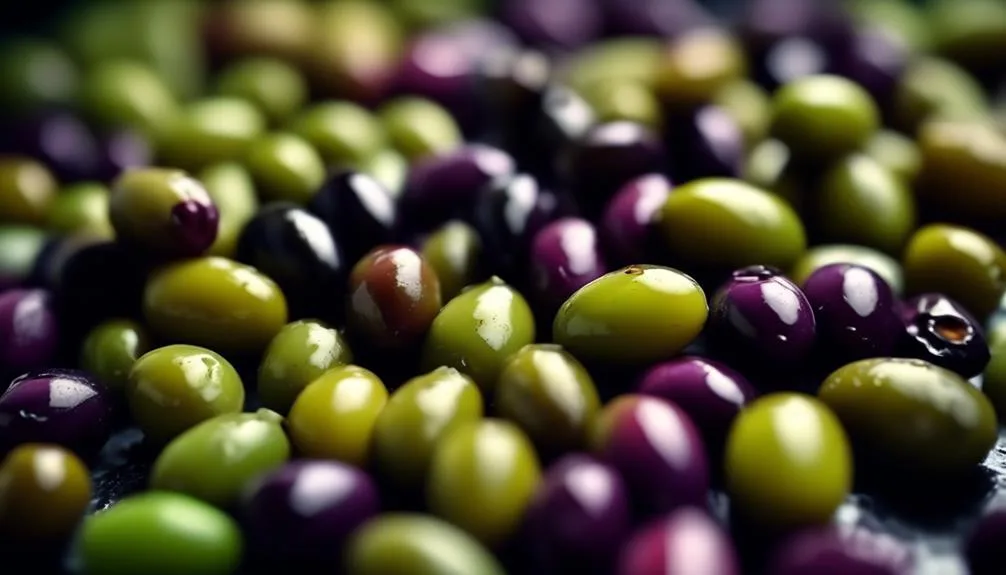
    Not all olives are suitable for making olive oil. Some types are better for oil production, while others are used for table olives or cooking. Understanding the different olive varieties is important for making high-quality olive oil.

    Contents show
    1 Key Takeaways
    2 Common Olive Varieties for Oil Extraction
    3 Differences in Olive Oil Varieties
    4 Olive Oil Extraction Process
    5 Factors Affecting Olive Oil Production
    6 Availability of Olive Oil From Different Olive Types
    7 Conclusion

    So, which olives are best for oil extraction, and what makes them suitable? Let's explore the world of olive oil and learn about the different types of olives used to make this popular cooking oil.

    Key Takeaways

    • Arbequina, Picual, and Koroneiki are common olive varieties used for oil extraction.
    • Different olive oil varieties offer unique flavor profiles.
    • Mechanical pressing is considered more environmentally friendly for olive oil extraction.
    • Climate, soil composition, and olive tree cultivars significantly impact olive oil production.

    Common Olive Varieties for Oil Extraction

    When selecting olives for oil extraction, focus on varieties that offer a high oil content and excellent flavor profiles. Some common olive varieties used for oil extraction include Arbequina, Picual, and Koroneiki.

    Arbequina olives produce a mild and fruity olive oil, making it suitable for a wide range of culinary uses such as salad dressings and light sautéing.

    Picual olives, on the other hand, yield a robust and peppery olive oil with a strong flavor, ideal for heartier dishes and for drizzling over grilled vegetables.

    Koroneiki olives are known for their pungent and fruity olive oil, often used in Mediterranean cuisine for enhancing the flavor of grilled meats, roasted vegetables, and even for dipping bread.

    MUST READ
    Is Olive Tree Bark Used in Traditional Medicine

    Understanding the flavor profiles of different olive oil varieties can greatly enhance your culinary creations.

    Recommended Products

    Village Batch Koroneiki Organic Extra Virgin Olive Oil 16.9oz (Pack of 1) Cold Pressed and Unfiltered EVOO, Early Harvest Greek Olive Oil with Bold, Peppery Flavor, Perfect for Drizzling and Cooking
    Village Batch Koroneiki Organic Extra Virgin Olive Oil 16.9oz (Pack of 1) Cold Pressed and Unfiltered EVOO, Early Harvest Greek Olive Oil with Bold, Peppery Flavor, Perfect for Drizzling and Cooking

    Award-Winning Organic Greek Olive Oil: Winner of the Silver Award at the New York International Olive Oil Competition, this premium early-harvest extra virgin olive oil reflects the rich heritage of Greek olive cultivation and artisanal craftsmanship.

    VIEW LATEST PRICE

    As an affiliate, we earn on qualifying purchases.

    LIA Koroneiki Greek Extra Virgin Olive Oil, 500 ML
    LIA Koroneiki Greek Extra Virgin Olive Oil, 500 ML

    LIÁ premium extra virgin olive oil is sealed in a white bottle which promises to sprinkle this Messenian bliss over your family or friendly gatherings. Its exceptional taste, flavour and features are the results of our painstaking efforts during the whole production procedure; from cultivation to storage.

    VIEW LATEST PRICE

    As an affiliate, we earn on qualifying purchases.

    Castillo De Canena Extra Virgin Olive Oil (16.8 fl. oz.) Arbequina Award Winning Early Harvest, High Polyphenol, Cold-Pressed Purity | Rich, Bold Flavor Profile | Bread, Soup, Pasta, Salad Dressing, Vegetables | Estate Produced Since 1780 | Spanish
    Castillo De Canena Extra Virgin Olive Oil (16.8 fl. oz.) Arbequina Award Winning Early Harvest, High Polyphenol, Cold-Pressed Purity | Rich, Bold Flavor Profile | Bread, Soup, Pasta, Salad Dressing, Vegetables | Estate Produced Since 1780 | Spanish

    AWARD WINNING EARLY HARVEST QUALITY – Estate grown in Andalusia, Spain, this Family Reserve extra virgin olive oil is produced from olives harvested early in the season for exceptional intensity, freshness, and character.

    VIEW LATEST PRICE

    As an affiliate, we earn on qualifying purchases.

    Differences in Olive Oil Varieties

    There are notable differences in olive oil varieties that greatly influence their flavor and culinary applications. When it comes to olive oil flavor profiles and culinary uses, it's essential to understand the distinctions between various types. Here are some key differences in olive oil varieties:

    • Flavor Profiles: Different olive oil varieties, such as Arbequina, Picual, and Koroneiki, offer unique flavor profiles ranging from fruity and mild to robust and peppery.
    • Culinary Uses: Mild and fruity olive oils like Arbequina are perfect for salad dressings and light sautéing, while robust oils such as Picual are great for dipping bread, drizzling over grilled vegetables, and adding flavor to soups and stews.
    • Regional Variations: Olive oil varieties can vary widely depending on the region of cultivation, imparting distinct characteristics to the oil.
    • Harvest Time: The timing of olive harvesting greatly influences the flavor and aroma of the resulting oil.
    • Blending: Some olive oils are blended to achieve a desired flavor profile, combining different varieties to create a well-balanced product.
    MUST READ
    Are Olive Trees Suitable for Small Gardens

    Olive Oil Extraction Process

    As you explore the olive oil extraction process, you'll gain a deeper appreciation for how the distinct characteristics of olive oil varieties, such as flavor profiles and regional variations, are carefully preserved and transformed into the liquid gold that graces our culinary creations.

    Olive oil extraction methods play a crucial role in determining the quality of the final product. The most common methods include mechanical pressing and chemical solvent extraction.

    Mechanical pressing involves pressing the olives to extract the oil, while chemical solvent extraction uses solvents to separate the oil from the olive paste.

    It's important to note that the environmental impact of olive oil production varies depending on the extraction method used. Mechanical pressing is generally considered more environmentally friendly, as it produces less waste and preserves the natural flavors of the oil.

    Pin This Now to Remember It Later
    Pin This

    Recommended Products

    Pompeian Smooth Extra Virgin Olive Oil - 68 Fl Oz - First Cold Pressed Olive Oil for Cooking - Smooth Taste for Sauteing, Stir-Frying, and Baking
    Pompeian Smooth Extra Virgin Olive Oil - 68 Fl Oz - First Cold Pressed Olive Oil for Cooking - Smooth Taste for Sauteing, Stir-Frying, and Baking

    SMOOTH EXTRA VIRGIN OLIVE OIL: Expertly crafted by The Olive Oil People using first cold pressed olives, Smooth EVOO with naturally occurring polyphenols

    VIEW LATEST PRICE

    As an affiliate, we earn on qualifying purchases.

    Amazon Fresh, Italian Extra Virgin Olive Oil, First Cold Pressed, 16.9 Fl Oz
    Amazon Fresh, Italian Extra Virgin Olive Oil, First Cold Pressed, 16.9 Fl Oz

    Cold extracted

    VIEW LATEST PRICE

    As an affiliate, we earn on qualifying purchases.

    Atlas 1 LT Cold Press Extra Virgin Olive Oil with Polyphenol Rich from Morocco | Newly Harvested Unprocessed from One Single Family Farm | Moroccan Organic EVOO Trusted by Award-Winning Chefs
    Atlas 1 LT Cold Press Extra Virgin Olive Oil with Polyphenol Rich from Morocco | Newly Harvested Unprocessed from One Single Family Farm | Moroccan Organic EVOO Trusted by Award-Winning Chefs

    【 The Highest Quality Cold-Pressed Moroccan Olive Oil】 The Atlas Mountains of Morocco help grow the most perfect olives in the world, thanks to the rare climate and the geographical advantage of the high-reaching area. We, at Atlas Olive Oils, pride ourselves on producing the highest quality cold-pressed Moroccan olive oil, which is sustainably sourced and ethically produced.

    MUST READ
    Why Do Olive Trees Have Silver Leaves
    VIEW LATEST PRICE

    As an affiliate, we earn on qualifying purchases.

    Factors Affecting Olive Oil Production

    Factors that significantly affect olive oil production include climate, soil composition, and the olive tree cultivars used in the orchard.

    The climate impact is crucial as olives thrive in Mediterranean climates with hot, dry summers and mild, wet winters.

    Additionally, the soil composition directly influences the olive tree's growth and the quality of olives produced.

    Different olive tree cultivars have varying oil yields and flavor profiles, impacting the overall oil production.

    Harvest timing also plays a vital role, as the stage of ripeness affects the oil's flavor and chemical composition.

    Lastly, the farming practices and techniques employed, such as irrigation and pruning, can significantly impact the quantity and quality of olive oil.

    These factors collectively determine the success of olive oil production.

    Availability of Olive Oil From Different Olive Types

    When selecting olives for oil extraction, considering the various types available can significantly impact the resulting oil's flavor, aroma, and overall quality. Different olive varieties like Arbequina, Koroneiki, and Picual yield oils with diverse flavor profiles ranging from fruity and mild to robust and peppery. These flavor variations are attributed to variations in the levels of compounds such as polyphenols and oleic acid, contributing to differences in taste and health benefits.

    For instance, oils from certain olive types may have higher antioxidant properties, potentially offering greater health benefits. Understanding the availability of olive oil from different olive types allows for a more nuanced appreciation of the nuances in flavor and potential health advantages associated with varying olive varieties.

    MUST READ
    Are Olive Trees Fast Growing

    Conclusion

    In the world of olive oil, the variety of olives used, extraction process, and environmental factors all contribute to the diverse flavors and qualities of the final product. Whether you seek a mild or robust flavor, there's an olive oil variety suited for your palate.

    So, next time you're in the kitchen, consider the origin of your olive oil and how it can elevate your culinary creations. Happy cooking and savor the exploration of different olive oil types!

    Share. Facebook Twitter Pinterest LinkedIn Tumblr Email
    lucy smith
    Lucy Smith
    • Website

    Lucy Smith is a highly experienced horticulturist with a passion for fruit tree cultivation. She holds a degree in Horticulture from the University of California, Davis, and has worked in various roles in the industry. With over 10 years of experience, Lucy is dedicated to using eco-friendly methods for sustainable gardening practices.

    Related Posts

    Why Do Olive Trees Symbolize Peace

    January 20, 2024

    Can Olive Trees Adapt to Climate Change

    January 20, 2024

    Creating a Wildlife Habitat With Olive Trees

    January 20, 2024

    Where Are Olive Trees Considered Invasive

    January 20, 2024

    Is Olive Tree Pollen Allergenic

    January 20, 2024

    Can Olive Trees Be Used in Traditional Remedies

    January 20, 2024
    Leave A Reply Cancel Reply

    Affiliate Disclosure

    As an Amazon Associate I earn from qualifying purchases.

    Recommended Reading

    Should Grapes Be Washed Before Eating: Hygiene Tips and Storage Guidelines

    Why Aren’t My Fruit Trees Producing: Common Reasons and Solutions for Better Harvests

    How Far Apart to Plant Raspberries and Blackberries for Optimal Growth

    When to Plant Fruit Trees in Alabama for a Thriving Backyard Harvest

    Effortless Ways to Get Seeds Out of Raspberries for Smooth, Seedless Delights

    Which Fruit Tree Is Easiest to Grow: A Guide to Low-Maintenance Options for Your Garden

    How to Encourage Papaya Trees to Bear Fruit

    How Long Will Grapefruit Last on the Tree: Factors, Harvesting Tips, and Storage Techniques

    Title: “Maintain Your Bypass Tree Pruner: Tips for Longevity and Efficiency”

    How Much to Water Fruit Trees for Optimal Growth and Productive Harvests

    Fruit Tree Hub

    Fruit Tree Hub is a website dedicated to providing you everything you need to grow fruit trees successfully at in your own yard.

    Contact us at: [email protected]

    - AFFILIATE DISCLOSURE: As an Amazon Associate I earn from qualifying purchases.

    Latest Posts

    Growing Walnut Trees in a Pot in Maryland: Maintenance Secrets

    Can Quince Trees Grow in Iowa? Expert Midwestern Advice

    Can Olive Trees Grow in Pennsylvania? Keystone State Tips

    Growing Quince Trees in Delaware: Professional Planting Tips

    Can Peach Trees Grow in Maine? Cold-Hardy Variety Research

    Orange Trees in Ohio (Buckeye State Growth and Harvest)

    Jujube Trees in Chandler, AZ (Low-Water Desert Strategies)

    Fig Trees in Toledo, OH (Great Lakes Planting Manual)

    Categories
    • Almond Trees
    • Apple Trees
    • Apricot Trees
    • Best Fruit Trees
    • Blackberry
    • Cantaloupe
    • Cherry Trees
    • Cucamelon
    • Easy Knitting Projects
    • Fig Trees
    • Grapefruit Trees
    • Grapes
    • Guava Trees
    • Honeydew
    • Jujube Trees
    • Kiwi
    • Knitting For Beginners
    • Knitting Ideas
    • Knitting Inspiration
    • Lemon Trees
    • Lime Trees
    • Loquat Trees
    • Mango Trees
    • Mulberry Trees
    • Nectarine Trees
    • Olive Trees
    • Orange Trees
    • Papaya Trees
    • Peach Trees
    • Pear Trees
    • Persimmon Trees
    • Planting
    • Plum Trees
    • Pomegranate Trees
    • Quince Trees
    • Raspberry
    • Reviews
    • Star Fruit Trees
    • Tamarind Trees
    • Tangerine Trees
    • Tips and Advice
    • Tools
    • Uncategorized
    • Walnut Trees
    © 2026 Fruit Tree Hub
    • Home
    • About Us
    • Contact
    • Privacy Policy
    • Terms and Conditions
    • Disclaimer
    • Editorial Policy
    • Affiliate Disclosure

    Type above and press Enter to search. Press Esc to cancel.