

Are your fruit trees under attack from pesky worms? You’re not alone. Many gardeners face this frustrating issue, watching their beloved trees struggle while these unwanted guests munch away at the fruit.
Key Takeaways
- Identify Common Worms: Recognize key pests such as coddling moths, fruit tree borers, and tent caterpillars that threaten fruit trees.
- Early Detection: Look for signs of infestation, including visible damage, discoloration, webbing, and chewed foliage to act promptly.
- Prevention Strategies: Implement proactive measures such as selecting resistant varieties, maintaining tree health with proper watering and fertilizing, and conducting regular inspections.
- Effective Treatment Options: Utilize a combination of organic treatments (like neem oil and beneficial insects), chemical treatments (insecticidal soaps, pyrethrin), and homemade remedies (soap and water spray, garlic spray) to combat worm infestations.
- Post-Treatment Care: Continuously monitor tree health, apply seasonal maintenance practices like pruning and mulching, and take quick action at the first signs of trouble to ensure long-term tree vitality.
Understanding The Problem Of Worms In Fruit Trees
Worm infestations in fruit trees create significant challenges for gardeners. These pests damage the trees and ruin the fruit, leading to frustrating losses.
Types Of Worms Commonly Found
You’re likely to encounter several types of worms in fruit trees, including:
- Coddling Moths: Their larvae, known as worms, tunnel into apples, peaches, and pears, causing internal damage.
- Fruit Tree Borers: This group includes several species that burrow under the bark, weakening the tree’s structure.
- Tent Caterpillars: These worms create noticeable webs in branches and feast on the leaves and blossoms.
Signs Of Infestation
Detecting worm infestations early helps in treatment. Look for these signs:
- Visible Damage: Notice holes in the fruit or boreholes on the trunk and branches. These indicate active feeding.
- Discoloration: Yellowing leaves or premature fruit drop suggests worm activity.
- Webbing: If you see webs in the tree, particularly in the spring, tent caterpillars are likely present.
- Chewed Foliage: Irregular holes in leaves point to worms feeding on your trees.
Timely action can minimize damage and help your fruit trees thrive.
Preventive Measures For Worm Infestation
Preventing worm infestations in your fruit trees requires proactive strategies. Implementing various techniques helps keep pests at bay and promotes healthy growth.
Recommended Products

Control diseases and insects in your garden with Captain Jack’s Fruit Tree Spray Concentrate! Use on a variety of listed fruits, nuts and citrus plants.

KILLS LISTED FRUIT & CITRUS TREE INSECTS: Controls Asian Citrus Psyllid, Whiteflies, Aphids Thrips, Citrus Leafminers, Leafhoppers, Blackfly, Mealybugs, Scales, Avocado Lacebugs, Oriental Beetles, Flea Beetles, Sharpshooters, and Spittlebugs

TRIPLE PROTECTION FORMULA: 3-in-1 solution kills listed insects, controls listed diseases, and controls listed mites with one easy application
Choosing Resistant Varieties
Selecting resistant varieties of fruit trees reduces the risk of worm infestations. Look for cultivars specifically bred for pest resistance. For instance, varieties like ‘Fuji’ apples are known for their robust nature against coddling moths. Research local guidelines to find the most suitable options for your area.
Maintaining Tree Health
Maintaining the health of your fruit trees strengthens their resistance to pests. Follow these steps to enhance tree vitality:
- Water Regularly: Provide adequate moisture, especially during dry spells. Deep watering encourages strong root systems.
- Fertilize Wisely: Use balanced fertilizers to promote healthy growth. Apply organic options like compost for natural nutrients.
- Prune Properly: Trim branches to improve air circulation and sunlight penetration. This practice reduces damp environments that attract pests.
- Inspect Regularly: Check your trees weekly for early signs of infestations. Look for unusual droppings or damaged fruit to catch problems early.
Implementing these preventive measures enhances the resilience of your fruit trees and creates a thriving ecosystem.
Effective Treatment Options
Addressing worm infestations in fruit trees requires a combination of strategies. Several effective treatment options exist, ranging from organic solutions to homemade remedies. Each option presents a viable path to protecting your trees and ensuring a bountiful harvest.
Recommended Products
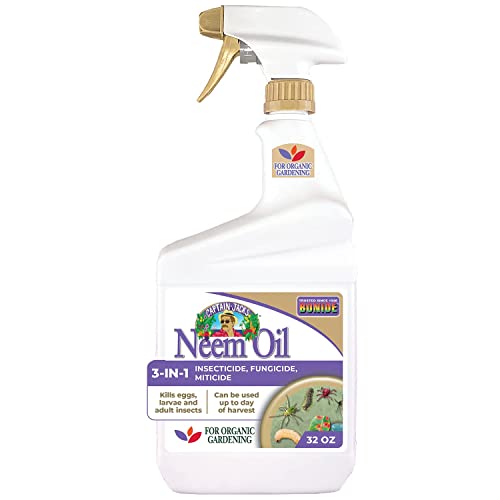
Protect your oasis with 3 garden products in 1 from Captain Jack’s; Bonide Captain Jack’s Ready-to-Use Neem Oil spray for plants is a multi-purpose fungicide, insecticide and miticide for your lawn & garden

FUNGAL DISEASE CONTROL: Prevents and controls black spot on roses, powdery mildew, rust, downy mildew, and other listed fungal diseases when applied on a 7–14 day schedule
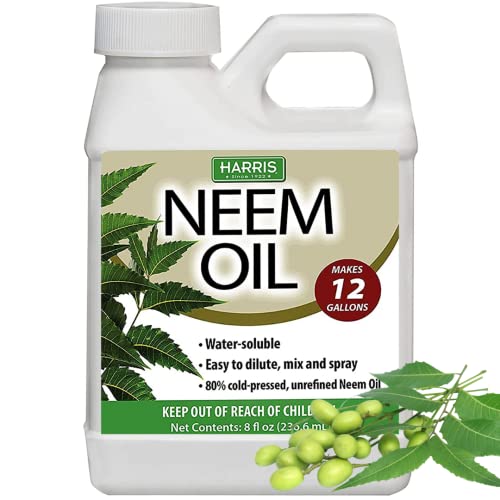
Cold-Pressed Neem Oil is a potent natural solution, ideal for maintaining healthy plants
Organic Treatments
Organic treatments serve as an eco-friendly way to combat worms. These approaches minimize chemical use and promote a healthier garden ecosystem. Some effective organic treatments include:
- Neem Oil: Extracted from the seeds of the neem tree, this oil disrupts the life cycle of pests. Spray neem oil on affected trees every two weeks for best results.
- Beneficial Insects: Introduce natural predators such as ladybugs and lacewings. These insects target worm populations and help maintain a balanced environment.
- Diatomaceous Earth: This natural powder damages the exoskeletons of worms upon contact. Dust it around the base of trees to create a barrier against infestations.
Chemical Treatments
Chemical treatments can effectively control worm populations, but they require careful application. Consider using:
- Insecticidal Soaps: These products kill soft-bodied insects on contact. Spray them directly on worms, ensuring even coverage for effective results.
- Pyrethrin Insecticides: Derived from chrysanthemums, these insecticides work quickly to eliminate pests. Apply them in the early morning or late evening to minimize harm to beneficial insects.
- Chlorantraniliprole: This targeted insecticide disrupts the feeding of caterpillars and borers. Use according to label instructions for maximum safety and effectiveness.
Homemade Remedies
Homemade remedies provide cost-effective and safe alternatives. Here are several simple solutions:
- Soap and Water Spray: Mix 1 tablespoon of dish soap with 1 quart of water. Spray directly on worms to kill them on contact. Repeat as necessary.
- Garlic Spray: Blend garlic bulbs with water and let the mixture steep overnight. Strain and spray on trees to deter pests due to the strong odor.
- Apple Cider Vinegar Trap: Fill a jar with apple cider vinegar and add a few drops of dish soap. Place traps around trees to attract and drown pests.
By choosing the right treatment method, you can effectively manage worm infestations in your fruit trees, promoting a healthier crop and a sustainable gardening practice.
Post-Treatment Care
Post-treatment care is vital for the recovery and health of your fruit trees after addressing worm infestations. Proper follow-up actions ensure that your trees remain strong and less vulnerable to future pests.
Recommended Products

Protect your garden with Fruit Tree & Plant Guard Concentrate from Bonide! Fruit Tree & Plant Guard is effective in controlling a wide range of fungal diseases and insects.

JOJOLEE Garden Net Kit: This kit includes 1 pack 8.2 ft(H) x 6.5 ft(W) garden net with a spread diameter of 4.18 ft. Before buying, please take the time to check the diameter and height of your plant to make sure the insect netting is sufficient to cover it.

Sticky Insect Barrier Kit: includes a 8.45 oz bottle of flying sticky coating and 24 pcs sticky trap bags; Sticky traps insects fit for a variety of outdoor applications, such as gardens, orchards, greenhouses, courtyards, backyard, farmhouse, and fields
Monitoring Tree Health
Monitor your trees regularly for signs of stress or pests. Check for:
- Foliage Condition: Look for discoloration or wilting leaves that may indicate ongoing issues.
- Fruit Development: Inspect fruit for any abnormalities or additional worm activity.
- Branch Integrity: Examine branches for new damage or signs of infection.
Act quickly if any signs of problems appear. Early intervention often makes a difference in tree health.
Seasonal Maintenance Tips
Implement seasonal maintenance tasks to promote long-term health. Consider the following practices:
- Pruning: Trim dead or infested branches during the dormant season to improve airflow and sunlight penetration.
- Watering: Ensure consistent watering, especially during dry spells. Deep watering encourages strong root development.
- Fertilizing: Apply a balanced fertilizer in spring to enhance growth. Choose a fertilizer low in nitrogen to support fruit production without encouraging excessive foliage growth.
- Mulching: Add a layer of organic mulch around the base of the tree to retain moisture and regulate temperature. Keep mulch away from the trunk to prevent decay.
- Inspection: Conduct a thorough inspection after each season. Look for any new bug outbreaks or signs of recurrence.
By following these practices, you can enhance your trees’ resilience against future infestations and promote healthy fruit production.
Conclusion
Taking care of your fruit trees and keeping them worm-free can feel like a tough job but it’s definitely worth the effort. By staying proactive and implementing the right preventive measures you can protect your trees and enjoy a bountiful harvest. Remember to monitor your trees regularly and act quickly at the first signs of trouble.
Whether you choose organic solutions chemical treatments or homemade remedies there’s a method that fits your gardening style. With a little patience and care your fruit trees can thrive and produce delicious fruits for you and your family to enjoy. Happy gardening!
Frequently Asked Questions
What types of worms infest fruit trees?
Common worms that infest fruit trees include coddling moths, fruit tree borers, and tent caterpillars. Each type poses unique threats, damaging fruit, and foliage in different ways. Being aware of these pests helps in early detection and management.
How can I identify a worm infestation in my fruit trees?
Signs of a worm infestation include visible damage to fruit, discoloration of leaves, webbing in branches, and chewed foliage. Regular inspections will help catch these symptoms early and mitigate further damage.
What preventive measures can I take against worms?
To prevent worm infestations, choose resistant fruit tree varieties, such as ‘Fuji’ apples. Regular watering, proper fertilization, pruning, and frequent inspections are essential for maintaining tree health and resilience against pests.
What are some organic treatments for worm infestations?
Effective organic treatments include neem oil, beneficial insects, and diatomaceous earth. These eco-friendly solutions can effectively control worm populations without harming the environment.
Are chemical treatments effective against worms?
Yes, chemical treatments like insecticidal soaps, pyrethrin insecticides, and chlorantraniliprole can effectively manage worm infestations. However, they require careful application to avoid harming beneficial insects or the trees themselves.
How can I care for my fruit trees after treatment?
Post-treatment care involves regular monitoring, checking for stress signs, and ensuring tree health. Seasonal maintenance, such as pruning infested branches and consistent watering, helps enhance resilience against future infestations.
