

Have you ever wondered if using chicken manure could be harming your grapefruit trees instead of helping them thrive? Picture this: you diligently care for your citrus trees, yet they don’t seem to be producing the juicy grapefruits you were hoping for. Could the culprit be the very fertilizer you thought was beneficial? In this article, we’ll explore whether chicken manure is too potent for grapefruit trees and what you can do to ensure your citrus garden flourishes. By the end, you’ll have a clearer understanding of how to best nurture your grapefruit trees for a bountiful harvest.
Key Takeaways
- Chicken manure is rich in essential nutrients like nitrogen, phosphorus, and potassium beneficial for grapefruit tree growth.
- Excessive nitrogen levels in chicken manure can lead to burning of plant roots and foliage, so use it in moderation.
- Composting chicken manure before application helps reduce the risk of nitrogen burn and improves soil fertility.
- Alternative organic fertilizers like composted cow manure or commercial citrus tree fertilizers can be effective substitutes for chicken manure.
- Proper application practices include composting, using sparingly, mixing with other organic matter, applying in spring, avoiding trunk contact, and watering thoroughly.
- Explore alternative fertilizers such as composted cow manure, organic pelleted fertilizers, citrus-specific fertilizers, Epsom salt, homemade compost, liquid seaweed extract, and microbial inoculants for grapefruit trees.
Understanding Chicken Manure as Fertilizer
If you’re considering using chicken manure as fertilizer for your grapefruit trees, it’s essential to understand its properties and potential effects on your plants. Here’s what you need to know to make an informed decision:
Nutrient Content of Chicken Manure
Chicken manure is rich in essential nutrients like nitrogen, phosphorus, and potassium, which are beneficial for plant growth. These nutrients can help improve soil fertility and promote healthy fruit production in grapefruit trees.
Nitrogen Levels in Chicken Manure
One key aspect to consider is the nitrogen content in chicken manure. While nitrogen is crucial for plant growth, excessive levels can be harmful, leading to burning of plant roots and foliage. It’s important to use chicken manure in moderation to avoid overloading your grapefruit trees with nitrogen.
Proper Application of Chicken Manure
To prevent any adverse effects on your grapefruit trees, it’s recommended to compost chicken manure before applying it to the soil. Composting helps break down the nutrients and reduces the risk of nitrogen burn. Additionally, ensure that the manure is well-aged before use to avoid any potential issues.
Composting Process for Chicken Manure
Composting chicken manure involves mixing it with carbon-rich materials like straw or leaves to balance the nutrient composition. This process helps create a well-rounded fertilizer that is more suitable for your citrus trees. Remember to turn the compost regularly to ensure proper decomposition.
Alternative Fertilizer Options
If you’re concerned about the potential risks associated with using chicken manure, there are alternative organic fertilizers available that can provide similar benefits without the drawbacks. Options such as composted cow manure or commercial citrus tree fertilizers can be effective alternatives.
By understanding the role of chicken manure as a fertilizer and following proper application techniques, you can effectively nourish your grapefruit trees and support their healthy growth. Remember to exercise caution, use moderation, and consider alternative options to ensure the best care for your citrus garden.
Impact of Chicken Manure on Grapefruit Trees
When considering using chicken manure for your grapefruit trees, it’s essential to understand how this type of fertilizer can affect your citrus plants. Chicken manure is known for its high nitrogen content, which can be beneficial for plant growth when used correctly. However, if not applied properly, it can have adverse effects on grapefruit trees.
Recommended Products

Down To Earth Citrus Mix is a five pound box of all natural fertilizer with 6-3-3 formula and is listed by the Organic Materials Review Institute (OMRI) for use in organic production

FOR USE ON: Use Citrus-tone organic fertilizer for all citrus trees, including lemon, lime, orange, Meyer Lemon Trees as well as for avocado & nut trees

Package contains 4 Pounds organic fruit and citrus fertilizer grains and is produced to avoid wasteful runoff, mess, hazards and smells
Nitrogen Levels in Chicken Manure
Chicken manure is rich in nitrogen, a nutrient that is vital for plant development. However, excessive nitrogen can lead to nitrogen burn in plants, including grapefruit trees. Nitrogen burn occurs when plants receive more nitrogen than they can effectively utilize. This can result in leaf yellowing, stunted growth, or even plant death.
Importance of Proper Application
To prevent nitrogen burn in grapefruit trees, it’s crucial to apply chicken manure at the right time and in the correct amounts. Before using chicken manure as fertilizer, consider composting it first. Composting helps break down the nutrients in the manure, making them more accessible to plants and reducing the risk of nitrogen burn.
Alternative Organic Fertilizers
If you’re concerned about the potential risks associated with using chicken manure, you can explore alternative organic fertilizers for your grapefruit trees. Options such as composted cow manure, fish emulsion, or seaweed extract can provide nutrients to your plants without the high risk of nitrogen burn.
Best Practices for Nutrient Management
When fertilizing your grapefruit trees, remember to follow recommended guidelines for nutrient management. Conduct soil tests to determine the specific needs of your plants and adjust your fertilizer application accordingly. By monitoring nutrient levels and applying fertilizers wisely, you can promote healthy growth in your grapefruit trees.
Conclusion: Nurturing Your Citrus Garden
By understanding the impact of chicken manure on grapefruit trees and implementing proper fertilization practices, you can ensure that your citrus garden thrives. Consider the nutrient content of fertilizers, the importance of composting chicken manure, and the benefits of alternative organic options to create a healthy environment for your grapefruit trees to flourish.
Best Practices for Using Chicken Manure on Grapefruit Trees
Understanding how to effectively utilize chicken manure on your grapefruit trees is crucial for their optimal growth. Follow these best practices to harness the benefits of chicken manure while avoiding potential harm:
1. Compost Before Application
Composting chicken manure before using it as fertilizer is vital. This process helps break down the high nitrogen content, making it safer for your grapefruit trees. Aim to compost the manure for at least a few weeks to reduce the risk of nitrogen burn.
2. Use Sparingly
Chicken manure is potent, so it’s essential to use it sparingly to avoid over-fertilization. Start with small quantities and increase gradually based on your tree’s response. Monitoring your tree’s health after application is key to adjusting the amount accordingly.
3. Mix with Other Organic Matter
To balance the nutrients and lessen the intensity of chicken manure, consider mixing it with other organic materials like compost or peat moss. This blend can provide a more stable and balanced nutrient supply for your grapefruit trees.
4. Apply in Spring
For optimal absorption and utilization of nutrients, apply chicken manure to your grapefruit trees in the spring. This timing aligns with the tree’s growth phase, aiding in nutrient uptake and promoting healthy development.
5. Avoid Direct Contact with Trunk
When applying chicken manure, ensure it doesn’t come into direct contact with the tree trunk. Create a ring around the tree base and spread the manure evenly within this area. Direct contact can lead to trunk rot and other potential issues.
6. Water Thoroughly After Application
After applying chicken manure, make sure to water the soil thoroughly. This helps in distributing the nutrients evenly and prevents any potential burning from concentrated fertilizer. Adequate watering also aids in the absorption of nutrients by the tree roots.
By following these best practices, you can harness the benefits of chicken manure as a fertilizer for your grapefruit trees while mitigating the risks associated with its high nitrogen content. Proper application and care will ensure your grapefruit trees thrive and bear healthy fruits.
Recommended Products

FOR USE ON: Use Chicken Manure organic fertilizer for flowers (annuals, perennials, and roses), Vegetables (tomatoes, peppers, squash, and lettuce), trees and shrubs.

Ideal For Use on: Lancaster Ag Products Chicken Manure Fertilizer is perfect for flowers (annuals, perennials, and roses), vegetables (tomatoes, peppers, squash, lettuce), and trees & shrubs.

Enhances Soil Health: True Organic Chicken Manure improves soil structure, aeration, and drainage, while helping the soil retain moisture and resist erosion.
Alternative Fertilizer Options for Grapefruit Trees
When it comes to fertilizing your grapefruit trees, you might be considering alternative options to chicken manure. Here are some effective alternatives that you can explore:
Recommended Products
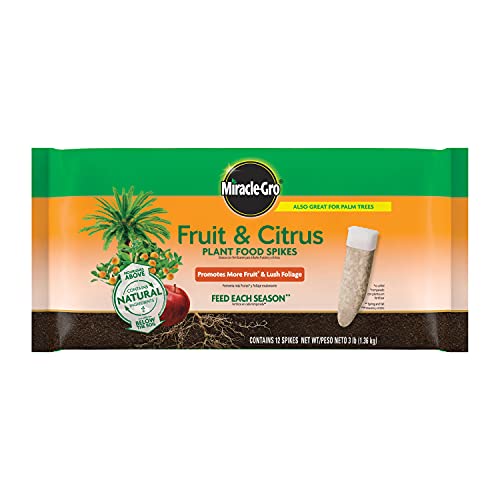
FORMULATED FOR CITRUS AND FRUIT TREES: Use these citrus fertilizer spikes on apple, orange, lemon, lime, and avocado trees; this formula is also great for feeding palm trees

Balanced Organic Nutrition – Supplies a 6‑3‑3 NPK ratio along with calcium, sulfur, iron, and zinc to foster healthy foliage, flowering, and fruit.
FOR USE ON: Use Citrus-tone organic fertilizer for all citrus trees, including lemon, lime, orange, Meyer Lemon Trees as well as for avocado & nut trees
1. Composted Cow Manure:
Consider using composted cow manure as a nutrient-rich alternative to chicken manure. Composted cow manure provides a balanced mix of nitrogen, phosphorus, and potassium, essential for the healthy growth of grapefruit trees.
2. Organic Pelleted Fertilizers:
Organic pelleted fertilizers, such as those made from fish meal or kelp, can be a great choice for grapefruit trees. These fertilizers release nutrients slowly, ensuring a steady supply for the trees without the risk of burning.
3. Citrus-Specific Fertilizers:
Opt for fertilizers specifically formulated for citrus trees, including grapefruit trees. These fertilizers are tailored to meet the specific nutritional needs of citrus plants, promoting optimal growth and fruit production.
4. Epsom Salt:
Epsom salt, rich in magnesium, can be a beneficial supplement for grapefruit trees. Magnesium deficiency can affect fruit quality, and adding Epsom salt to the soil can help address this issue.
5. Homemade Compost:
Creating your own compost using kitchen scraps, yard waste, and other organic materials can provide a natural and nutrient-rich fertilizer for your grapefruit trees. Homemade compost helps improve soil structure and fertility over time.
6. Liquid Seaweed Extract:
Liquid seaweed extract is a natural fertilizer rich in trace minerals that can benefit grapefruit trees. It promotes healthy root development and enhances the tree’s ability to withstand environmental stressors.
7. Microbial Inoculants:
Microbial inoculants contain beneficial microorganisms that support soil health and nutrient uptake by grapefruit trees. These products can enhance the overall vitality of the trees and improve their resistance to diseases.
Exploring these alternative fertilizer options can provide you with a diverse range of choices to nourish and support the growth of your grapefruit trees without the concerns associated with the high nitrogen content of chicken manure.
Conclusion
You’ve learned about the impact of chicken manure on grapefruit trees and the importance of proper application methods to prevent nitrogen burn. By exploring alternative fertilizers like composted cow manure, organic pelleted options, citrus-specific fertilizers, Epsom salt, homemade compost, liquid seaweed extract, and microbial inoculants, you now have a variety of choices to nourish your grapefruit trees effectively. Remember to consider the nutrient balance and benefits of each option to support the healthy growth of your trees. Experiment with different fertilizers to find what works best for your grapefruit trees and enjoy watching them thrive.
Frequently Asked Questions
Is chicken manure a suitable fertilizer for grapefruit trees?
Yes, chicken manure can be used as a fertilizer for grapefruit trees, but it should be composted before application to avoid nitrogen burn and other negative effects. Understanding its properties and proper application techniques is crucial to prevent harm to the trees.
What are the best practices for using chicken manure on grapefruit trees?
Composting chicken manure before application and watering thoroughly after can help mitigate the risks associated with its high nitrogen content. These practices help release nutrients slowly and prevent burning the grapefruit trees.
What are the alternative fertilizer options for grapefruit trees?
Alternative fertilizer options for grapefruit trees include composted cow manure, organic pelleted fertilizers, citrus-specific fertilizers, Epsom salt, homemade compost, liquid seaweed extract, and microbial inoculants. These options offer a balanced mix of nutrients with fewer risks than using raw chicken manure.
