

Have you ever wondered if every pawpaw tree you see will actually bear fruit? If you’re thinking of planting one or already have a few in your yard, this question is likely on your mind. The pawpaw tree is unique and offers delicious fruit, but not all trees will produce.
Understanding the factors that influence fruit-bearing can save you time and effort. This article will guide you through what you need to know about pawpaw trees and their fruit production. By the end, you’ll have a clearer picture of how to ensure your trees thrive and bear fruit, making your gardening experience more rewarding.
Key Takeaways
- Not All Trees Bear Fruit: While many pawpaw trees are self-pollinating, not all produce fruit without cross-pollination from other varieties.
- Pollination is Key: Successful fruit production relies on attracting specific pollinators, like flies and beetles, making diverse planting beneficial.
- Growing Conditions Matter: Pawpaw trees thrive in warm summers, mild winters, and prefer well-drained soil with a slightly acidic pH for optimal growth.
- Variety Selection Enhances Yields: Choosing high-yield varieties, such as ‘Mango’ or ‘Sunflower,’ can significantly improve fruit flavor and production.
- Spacing and Maintenance: Proper spacing (10-15 feet apart) and regular watering/mulching contribute to healthier trees and a better chance of bearing fruit.
- Be Aware of Misconceptions: Understanding tree gender dynamics and the existence of seedless varieties is crucial for effective pawpaw fruit cultivation.
Overview of Pawpaw Trees
Pawpaw trees (Asimina triloba) thrive in North America and are well-known for their unique, custard-like fruit. These trees grow up to 30 feet tall and prefer rich, well-drained soil with partial shade. Their broad, lush leaves create a beautiful addition to any garden.
Recommended Products

1.Grow Native Pawpaw Trees Plant Asimina triloba, commonly known as Pawpaw, a deciduous fruit tree valued for its tropical-looking foliage and unique fruit. Suitable for backyard orchards and edible landscapes.

Fruit Tree design. Designed with bright, fun colors, we aim to celebrate America's largest native fruit: Asimina triloba! The illustration depicts pawpaw fruit branch with its seeds, flowers and leaves.

For sale are 2 Pawpaw trees that are shipped in 3.25" pots
Characteristics of Pawpaw Trees
- Growing Environment: Pawpaw trees favor regions with warm summers and cold winters. They flourish in USDA hardiness zones 5 through 8.
- Leaf Structure: The leaves can reach lengths of 12 inches and a width of 6 inches, providing shade and acting as a natural windbreak.
- Flowering Season: Flowers appear in early spring, often before the leaves have fully emerged, and showcase a unique, maroon or purple hue.
Pollination and Fruit Production
Pawpaw trees require proper pollination for successful fruit production. Most varieties are self-pollinating, yet cross-pollination enhances fruit yield and quality. Here are some important points:
- Pollinator Attraction: Pawpaw flowers attract specific pollinators like flies and beetles instead of bees.
- Male and Female Flowers: Both male and female reproductive structures exist within each flower, yet successful pollination is essential for fruit development.
- Fruit Set: Young trees may take 3 to 5 years to begin bearing fruit, while mature trees can produce 50 to 100 fruits annually.
Tips for Successful Cultivation
To cultivate pawpaw trees that bear fruit, consider the following practical advice:
- Select Varieties: Choose varieties like ‘Mango’ or ‘Sunflower’ for improved taste and higher yield.
- Ensure Proper Spacing: Plant trees 10 to 15 feet apart to allow for adequate airflow and sunlight.
- Water Regularly: Maintain consistent soil moisture, particularly during dry spells, to promote healthy growth.
- Mulch: Apply organic mulch around the base of the tree to retain soil moisture and suppress weeds.
With this knowledge about pawpaw trees and their cultivation, you can enhance your gardening journey and improve the chances of harvesting delicious fruits.
The Science Behind Pawpaw Trees
Pawpaw trees (Asimina triloba) have fascinating characteristics that impact whether they bear fruit. Understanding these elements can help you cultivate healthy, productive trees.
Pollination Requirements
Pawpaw trees require effective pollination for fruit development. Although some trees are self-fertile, having multiple trees enhances cross-pollination and leads to higher fruit yields. Specific pollinators, like beetles and flies, play key roles in this process. To attract these insects, you can plant native wildflowers nearby. This boosts pollinator visits and increases your chances of getting fruit.
Gender of Pawpaw Trees
Pawpaw trees exhibit a unique gender dynamic. Most trees are considered hermaphroditic, featuring both male and female reproductive parts. However, keeping several trees, especially distinct varieties, can improve pollination and fruit set. Some pawpaw trees might not produce fruit if they lack compatible partners. Ensure you plant at least two different varieties to maximize fruiting potential.
Conditions for Fruit Bearing
Pawpaw trees thrive under specific conditions to bear fruit successfully. Understanding these factors can enhance your chances of harvest.
Recommended Products

Feed the soil not the plants - stimulate microbial activity in your soil and boost probability of success with all types of plants… like composting but faster

Tailored for Avocado Trees: Specifically designed to meet the nutritional needs and pH requirements of avocado trees for healthy, vigorous growth.

NUTRIENT-RICH GROWTH: Premium cow manure compost packed with nitrogen, calcium, and iron. This organic compost fertilizer enriches soil, boosts microbial life, and supports bigger vegetables, greener lawns, and thriving flowers.
Environmental Factors
Pawpaw trees prefer a climate with warm summers and mild winters. They typically reach their fruit-bearing potential in USDA Hardiness Zones 5 to 8. These trees benefit from partial shade, especially in hotter climates, as too much direct sunlight can stress them and reduce fruit yield. Planting in a location that offers protection from strong winds also helps ensure healthy growth.
Soil Health
Soil health plays a vital role in fruit production. Pawpaw trees thrive in rich, well-drained soil with a pH between 5.5 and 7.0. Improving soil structure can enhance drainage and aeration, which is crucial for root development. Adding organic matter like compost or well-rotted manure enhances nutrient content and moisture retention. Regular soil testing can help you monitor nutrient levels and make necessary amendments. Prioritizing these soil conditions fosters a robust environment for your pawpaw trees, increasing the likelihood of fruit bearing.
Common Misconceptions
Understanding the misconceptions about pawpaw trees helps clarify their fruit-bearing capabilities.
Recommended Products

You will receive 1 Paw Paw Tree (Asimina triloba) growing in a quart pot, approximately 6–14 inches tall. This is a young starter plant, carefully grown and ready for transplanting into your garden or landscape.
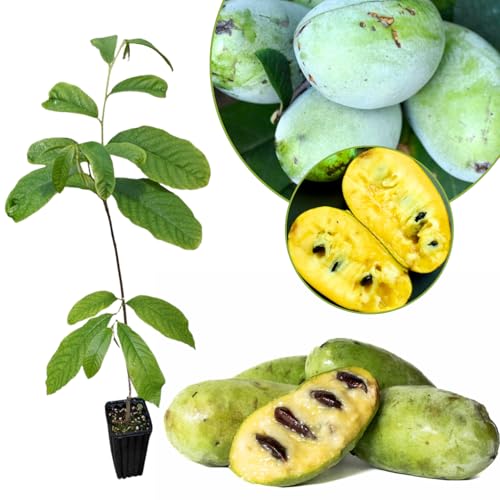
Live Pawpaw Tree (Up to 6-15 inch Tall): You receive one well-rooted live Pawpaw tree, 6-15 inches tall, ready for transplanting into your garden or orchard

For sale are 5 Paw Paw plants that are approximately 6-12" tall and shipped in quart pots
Are All Pawpaw Trees Male?
Not all pawpaw trees are male. Pawpaw trees can be male, female, or hermaphroditic. Some trees produce only pollen, while others produce only fruit. Hermaphroditic trees produce both flowers, allowing for fruit production. To increase fruit yields, planting multiple trees is advisable as they promote cross-pollination. You can grow both male and hermaphroditic varieties to enhance your chances of fruit.
Understanding Seedless Varieties
Seedless pawpaw varieties exist but can be confusing. These trees can produce fruit without viable seeds, resulting from select breeding for specific characteristics. However, the absence of seeds usually indicates a lack of fertilization. If you’re seeking seedless varieties, remember these fruits may not develop as robustly as seeded ones. For optimal fruit production, consider planting regular varieties alongside seedless ones for better pollination outcomes.
Conclusion
Growing pawpaw trees can be a rewarding journey filled with delicious fruit if you understand their needs. While not every tree guarantees fruit, taking the right steps can significantly improve your chances. By ensuring you have the right conditions and planting multiple varieties, you’re setting yourself up for success.
Remember to care for your soil and attract those essential pollinators. With a little patience and attention, you might just find your pawpaw trees thriving and producing fruit in no time. Happy gardening!
Frequently Asked Questions
Will every pawpaw tree produce fruit?
Not every pawpaw tree will produce fruit. While some trees are self-fertile, having multiple trees improves cross-pollination, leading to better fruit yields.
What do pawpaw trees need for optimal growth?
Pawpaw trees thrive in rich, well-drained soil with a pH of 5.5 to 7.0. They prefer partial shade and require a warm climate with mild winters (USDA Hardiness Zones 5 to 8).
How can I encourage pollinators for my pawpaw trees?
To attract pollinators, consider planting native wildflowers nearby. This will increase the chances of successful pollination and fruit production.
How long does it take for a pawpaw tree to bear fruit?
Typically, pawpaw trees may take 3 to 4 years to start bearing fruit after planting, depending on their growing conditions and care.
What are seedless pawpaw varieties?
Seedless pawpaw varieties can produce fruit without viable seeds due to selective breeding, but these fruits may not develop as robustly as those from seeded varieties.
Are pawpaw trees hermaphroditic?
Yes, most pawpaw trees are hermaphroditic, meaning they can produce both pollen and fruit. Planting different varieties helps improve pollination and fruit set.
What soil conditions do pawpaw trees prefer?
Pawpaw trees prefer rich, well-drained soil with adequate organic matter to enhance moisture retention and nutrient content for optimal growth and fruit production.
