

Ever wondered when your Meyer lemon tree will finally reward you with those juicy fruits? If you’ve ever planted one, you know the anticipation can be both exciting and frustrating. You’re not alone in counting the days until you can enjoy that sweet, tangy flavor in your favorite dishes or drinks.
Key Takeaways
- Age Matters: Meyer lemon trees typically start bearing fruit 1 to 3 years after planting; older trees yield fruit more quickly and in larger quantities.
- Optimal Conditions: Adequate sunlight (6-10 hours daily), well-drained slightly acidic soil, and proper watering are crucial for promoting fruit production.
- Multiple Harvests: These trees flower in early spring, with fruit maturing from late winter to summer, allowing for several harvests within a year.
- Self-Pollination: Meyer lemon trees are self-pollinating, but hand-pollination can enhance fruit set, increasing your overall yield.
- Regular Care: Fertilize twice annually with a balanced fertilizer and maintain proper watering practices to support healthy growth and maximize your harvest.
Overview of Meyer Lemon Trees
Meyer lemon trees are a popular choice for home gardeners due to their sweet, tangy fruits. Originating from China, they are a hybrid between a true lemon and a mandarin orange. The small, evergreen trees typically reach heights of 4 to 6 feet, making them suitable for both gardens and container growing.
Meyer lemon trees thrive in USDA hardiness zones 8 to 11. They prefer well-drained, slightly acidic soil and plenty of sunlight, ideally 8 to 10 hours daily. Regular watering is crucial, especially during dry spells, but avoid waterlogging.
Fruit Bearing Timeline
Meyer lemon trees bear fruit typically 1 to 3 years after planting, depending on factors like age, care, and conditions. Here’s what to consider:
- Age of Tree: Younger trees may not produce for a few years. Healthier, older trees are likelier to yield fruit sooner.
- Growing Conditions: Adequate sunlight and proper fertilization contribute to earlier fruiting.
- Pruning Practices: Regular pruning can encourage better air circulation and sunlight exposure, improving fruit production.
Seasonal Considerations
In general, Meyer lemons flower in early spring, with fruit maturing in late winter to early spring, often extending into summer. You can expect several harvests each year, as these trees can produce blossoms and fruit simultaneously.
Pest and Disease Management
Watch for common pests like aphids and spider mites. Regular inspections and organic insecticidal soap can keep these pests at bay. Fungal diseases, if neglected, may spread rapidly. Maintain proper spacing and airflow around the tree to prevent issues.
Fertilization Recommendations
Fertilizing at least twice annually promotes healthy growth and fruiting. Use a balanced, slow-release fertilizer. Apply in early spring and again in late summer, following package instructions for dosage.
By focusing on the right conditions and care, you can enjoy a plentiful harvest of Meyer lemons, adding fresh flavor to your culinary creations.
Factors Affecting Fruit Bearing
Several factors influence when your Meyer lemon tree bears fruit. Understanding these elements can help maximize your lemon harvest.
Recommended Products

Made for Lemon & Citrus Trees – Formulated to support healthy growth in lemon and citrus plants.

Balanced Organic Nutrition – Supplies a 6‑3‑3 NPK ratio along with calcium, sulfur, iron, and zinc to foster healthy foliage, flowering, and fruit.

FOR USE ON: Use Citrus-tone organic fertilizer for all citrus trees, including lemon, lime, orange, Meyer Lemon Trees as well as for avocado & nut trees
Age of the Tree
Age plays a vital role in fruit-bearing. Meyer lemon trees typically start producing fruit between 1 to 3 years after planting. Trees older than five years often yield larger quantities of fruit. Young trees require time to establish their root systems and mature before they begin to bear fruit.
Growing Conditions
Growing conditions significantly impact fruit yield. Meyer lemons thrive in well-drained, slightly acidic soil and need full sunlight for at least six hours daily. Ensure your tree receives adequate water, but avoid overwatering, as this can lead to root rot. Regularly check soil moisture and adjust your watering routine based on weather changes. Fertilizing with a balanced, slow-release fertilizer twice a year can boost growth and fruit production.
Pollination Requirements
Pollination is crucial for fruit set. Meyer lemon trees are self-pollinating, meaning they can produce fruit without another tree. However, to enhance fruit set, you can hand-pollinate by gently shaking the branches or using a small brush to transfer pollen between flowers. If your tree is in a location that receives plenty of pollinators, like bees, this natural process will also help increase your fruit yield.
By paying attention to these factors, you set the stage for a bountiful Meyer lemon harvest.
Fruit Bearing Timeline
Meyer lemon trees offer excitement as you wait for their bountiful harvest. Understanding their fruit-bearing timeline helps you plan your garden effectively.
Recommended Products
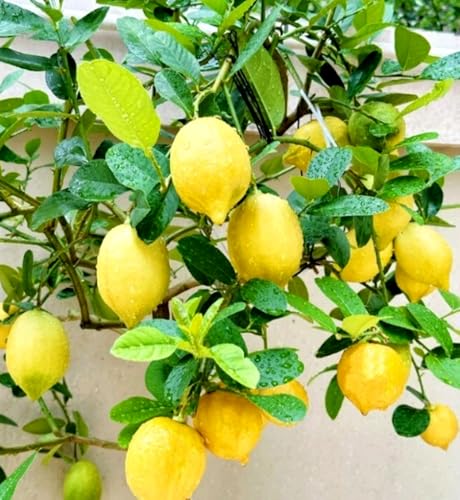
Meyer lemons are a thin-skinned hybrid fruit.
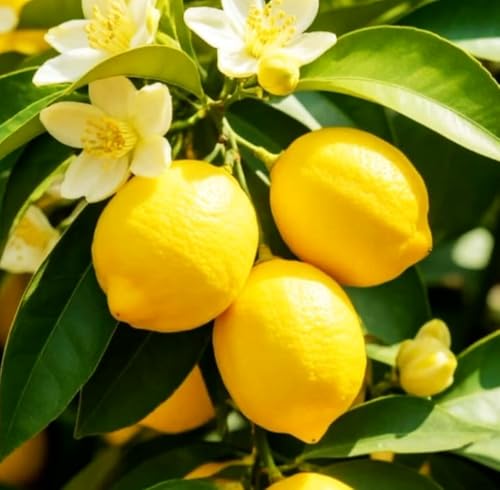
Step 1: Prepare Your Seeds - Gently rinse fresh seeds from a Meyer lemon to remove all pulp. For best results, plant immediately while still moist, or soak in lukewarm water for 2–4 hours to soften the outer shell.

Typical Fruit Bearing Age
Meyer lemon trees typically bear fruit 1 to 3 years after planting. Factors influencing this age include the tree’s initial size and age at planting. For example, a larger, well-established tree might yield fruit sooner than a smaller one. Trees grown from seeds may take longer to produce, sometimes extending to 4 to 5 years. Healthy growing conditions can also speed up this timeline, so ensure you provide proper sunlight, soil, and water.
Seasonal Growth Patterns
Meyer lemon trees exhibit distinct seasonal growth patterns. Flowers bloom in early spring, which is crucial for fruit development. After pollination, small fruits appear, maturing from late winter to early spring. This timeline means you can enjoy multiple harvests if conditions are optimal. For instance, if you harvest some fruit in February, it’s possible to gather more in March and April. Regular care, including watering and fertilization, supports this seasonal cycle and boosts your harvest potential.
Care Guidelines for Fruit Production
To ensure your Meyer lemon tree bears abundant fruit, follow these care guidelines carefully.
Optimal Watering Practices
Water your Meyer lemon tree consistently but avoid overwatering. Aim for deep watering once a week, allowing the soil to dry slightly between sessions. In summer, when the tree is actively growing, increase frequency; in winter, reduce it. Using a moisture meter can help you monitor soil moisture levels effectively, ensuring your tree gets just the right amount of water.
Fertilization Techniques
Fertilize your tree twice a year with a balanced, slow-release fertilizer, preferably in early spring and late summer. Use a formula specifically designed for citrus trees to support healthy growth and fruit production. Apply according to package instructions—generally, about 1 pound per tree is sufficient for established trees. If using organic options, consider fish emulsion or compost for added nutrients. Always water the tree after fertilizing to help the nutrients absorb into the soil.
Conclusion
Growing a Meyer lemon tree can be a rewarding experience filled with sweet rewards. With the right care and attention you can enjoy fresh lemons in just a few years. Remember to provide optimal conditions like well-drained soil and plenty of sunlight to encourage fruit production.
Keep an eye on your tree’s health by managing pests and diseases and don’t forget about the importance of watering and fertilization. With patience and a little effort you’ll soon be harvesting those delicious lemons to elevate your culinary creations. Enjoy the journey of nurturing your tree and savoring the fruits of your labor.
Frequently Asked Questions
What are Meyer lemons, and how do they differ from regular lemons?
Meyer lemons are a hybrid fruit, combining characteristics of true lemons and mandarin oranges. They are sweeter, less acidic, and have a thinner, smoother skin compared to regular lemons, making them popular for culinary uses and cocktails. Their flavor profile is often described as a mix of sweet and tangy, which adds a unique twist to recipes.
How long does it take for a Meyer lemon tree to bear fruit?
Meyer lemon trees typically produce fruit 1 to 3 years after planting. Factors like the tree’s age, growing conditions, and proper pruning practices influence the timeline. Established trees often yield fruit sooner, while those grown from seeds may take 4 to 5 years to produce lemons.
What are the ideal growing conditions for Meyer lemon trees?
Meyer lemon trees thrive in well-drained, slightly acidic soil and require plenty of sunlight. They prefer temperatures between 70°F and 80°F and should be protected from extreme cold. Regular watering is essential, but avoid waterlogged conditions to prevent root rot.
How often should I water my Meyer lemon tree?
Water your Meyer lemon tree deeply once a week, allowing the soil to dry slightly between watering sessions. Adjust the frequency based on the season, reducing watering during cooler months and increasing it during hot summer days.
Do I need to fertilize my Meyer lemon tree?
Yes, fertilization is crucial for healthy growth and fruit production. Use a balanced, slow-release fertilizer formulated for citrus trees, applying it twice a year. Organic options like fish emulsion or compost can also provide essential nutrients.
Can Meyer lemon trees self-pollinate?
Yes, Meyer lemon trees are self-pollinating, meaning they can produce fruit without needing another tree for cross-pollination. However, attracting natural pollinators or practicing hand-pollination can enhance fruit set and overall yield.
How do I manage pests and diseases on my Meyer lemon tree?
Regular inspections are key to preventing pests and diseases. Maintain proper spacing for airflow, and consider using organic pesticides or insecticidal soaps if you notice infestations. Keeping the tree healthy through proper care minimizes the risk of problems.
When is the best time to harvest Meyer lemons?
Meyer lemons are typically harvested when they are fully colored and slightly soft to the touch, usually from late winter to early spring. Multiple harvests may occur, so check your tree regularly for ripe fruit to enjoy throughout the season.
