

Have you ever wondered if chicken manure could give your fruit trees a boost? Many gardeners face the challenge of finding the right fertilizer that’s both effective and safe for their plants. With so many options out there, it’s easy to feel overwhelmed.
Key Takeaways
- Nutrient-Rich Fertilizer: Chicken manure offers a balanced nutrient profile with essential elements like nitrogen, phosphorus, and potassium, which are crucial for fruit tree growth and overall plant health.
- Effective Application Methods: Chicken manure can be applied through composting, direct application, or as a liquid fertilizer, ensuring beneficial nutrients reach your trees while reducing risks of over-fertilization.
- Soil Health Improvement: Incorporating chicken manure enhances soil structure, aeration, and water retention, promoting a fertile environment for robust root development and microbial activity.
- Disease Resistance: Well-nourished fruit trees strengthened by chicken manure exhibit improved vigor, making them more resilient against pests and diseases.
- Best Practices: Optimal timing for application is either in early spring or fall to maximize nutrient availability, and it is important to adhere to recommended application rates to avoid nutrient overload.
- Comparison with Other Manures: Chicken manure outperforms cow and horse manure in nutrient concentration, making it a preferred choice for those seeking to enhance fruit tree growth.
Overview of Chicken Manure
Chicken manure serves as a rich organic fertilizer for your fruit trees. It offers high nutrient content and enhances soil structure, promoting healthy growth.
Recommended Products

- OMRI LISTED FOR ORGANIC USE: Charlie’s Compost is OMRI listed and suitable for organic gardening, making it a trusted soil amendment for vegetables, fruits, flowers, trees, lawns, raised beds, and container plants.
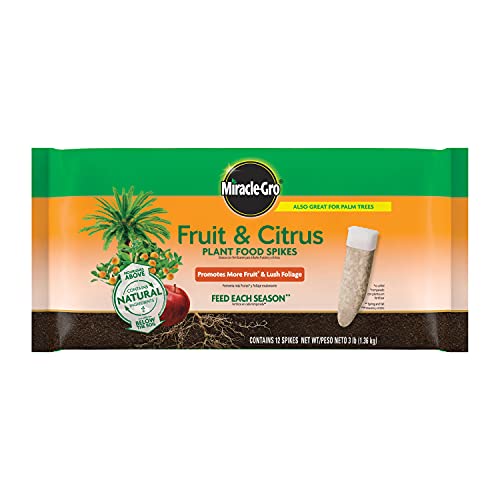
FORMULATED FOR CITRUS AND FRUIT TREES: Use these citrus fertilizer spikes on apple, orange, lemon, lime, and avocado trees; this formula is also great for feeding palm trees

Let our professionally formulated plant food help your fruit tree grow healthy, strong AND abundantly producing
Nutritional Benefits
Chicken manure contains essential nutrients necessary for fruit tree growth, including nitrogen, phosphorus, and potassium. The nitrogen aids in leaf and stem development, phosphorus supports root and flower growth, and potassium enhances overall fruit quality. For example, you’ll find approximately 1.1% nitrogen, 0.8% phosphorus, and 0.5% potassium in chicken manure. This balanced nutrient profile makes it an effective choice for boosting fruit tree health.
Application Methods
You can apply chicken manure to your fruit trees in several ways.
- Composting: Compost chicken manure for at least two to three months. This process reduces pathogens and balances nutrient levels for safer use.
- Direct Application: Spread well-aged chicken manure around the base of trees at a rate of 20 pounds per 100 square feet. Avoid direct contact with tree trunks to prevent burning.
- Liquid Fertilizer: Mix one part chicken manure with four parts water. Let it steep for a few days before using it as a liquid fertilizer. Apply this solution around trees every four to six weeks during the growing season.
By utilizing these methods, you’ll ensure your fruit trees receive the nutrients they need for optimal growth.
Impact on Fruit Trees
Using chicken manure positively impacts fruit trees by enriching the soil and enhancing overall plant health. The nutrient-rich composition of chicken manure supports robust growth and resilience against common issues that affect fruit trees.
Soil Health Improvement
Chicken manure significantly improves soil health. Its high organic matter content increases soil structure and promotes better aeration. The addition of essential nutrients—nitrogen, phosphorus, and potassium—creates a fertile environment conducive to strong root development. You’ll notice improved water retention and beneficial microbial activity in the soil, which aids in nutrient uptake.
For best results, consider composting chicken manure before application. This process reduces pathogens and stabilizes the nutrients, resulting in a safer, more effective fertilizer. Alternatively, you can mix well-aged manure directly into the soil during planting.
Disease Resistance
Chicken manure plays a role in enhancing disease resistance in fruit trees. Nutrients boost overall tree vigor, which helps trees withstand pests and diseases more effectively. A strong and healthy tree can naturally repel some common threats.
To further benefit from this, ensure proper application techniques. Giving your trees an appropriate amount of chicken manure—typically 10 to 20 pounds per 100 square feet—can maximize health without overwhelming them. Regular monitoring for any signs of nutrient deficiency or excess allows you to adjust your fertilization practices as needed. This way, your trees thrive, leading to a bountiful harvest.
Comparison with Other Manures
Chicken manure stands out among various organic options available for fertilizing fruit trees. Each type of manure offers different benefits and nutrient compositions, influencing the effectiveness for your specific gardening needs.
Recommended Products

Enhances Soil Health: True Organic Chicken Manure improves soil structure, aeration, and drainage, while helping the soil retain moisture and resist erosion.

Let our professionally formulated plant food help your fruit tree grow healthy, strong AND abundantly producing

Down to Earth Fruit Tree is a five pound box of all natural fertilizer with 6-2-4 formula and is listed by the Organic Materials Review Institute (OMRI) for use in organic production
Cow Manure
Cow manure provides a balanced nutrient profile that includes nitrogen, phosphorus, and potassium, though in lower concentrations compared to chicken manure. It’s an excellent soil amendment that improves structure and helps with moisture retention. For fruit trees, using well-composted cow manure can enhance microbial activity and organic matter in the soil. Application rates typically range from 40 to 100 pounds per 100 square feet, depending on soil fertility and tree needs.
Horse Manure
Horse manure is rich in organic material and contains nutrients essential for plant growth, though nitrogen levels may not be as high as in chicken manure. Similar to cow manure, it’s beneficial for soil aeration and moisture retention. You might prioritize using seasoned horse manure, as fresh manure can contain weed seeds. Application generally involves 25 to 50 pounds per 100 square feet, adjusting based on your soil’s nutrient content and the specific requirements of your fruit trees.
In choosing the right manure, consider your fruit trees’ specific nutrient needs and the composting state of the manure to ensure optimal results.
Best Practices for Using Chicken Manure
Using chicken manure effectively involves attention to timing and application amounts. Following best practices ensures your fruit trees benefit from enhanced growth and health.
Recommended Products

Dehydrated super manure 4-2-3

Ideal blend of nutrients and minerals to enhance plant growth, nature itself has created the perfect plant food. We have taken nature's perfection and made it easily accessible for farmers and gardeners. Our all-purpose 4-2.5-2 NPK provides comprehensive health for your garden or lawn.

Let our professionally formulated plant food help your fruit tree grow healthy, strong AND abundantly producing
Timing of Application
Apply chicken manure either in early spring or fall. Early spring applications prepare the soil for the growing season, providing nutrients as trees begin to leaf out. Fall applications enrich the soil ahead of winter, giving nutrients time to break down and integrate. Consider local climate conditions and tree varieties when deciding the best time for application.
Amount to Use
Use chicken manure sparingly to avoid nutrient overload. A good rule of thumb is to apply about 20 to 30 pounds of composted chicken manure per 100 square feet of garden area. If using fresh manure, limit the application to about 10 pounds to prevent potential burning. Always conduct a soil test before application. This test will provide insight into your soil’s existing nutrient levels and help you adjust the amount accordingly.
By following these guidelines, you can maximize the benefits of chicken manure for your fruit trees while maintaining soil health.
Conclusion
Using chicken manure for your fruit trees can be a game-changer. Its rich nutrient profile not only boosts growth but also improves soil health. By composting it and applying it at the right times, you can ensure your trees thrive and produce bountiful fruit.
Remember to monitor your soil’s nutrient levels and adjust your application accordingly. With a little care and attention, chicken manure can help you cultivate a vibrant and healthy garden. Happy gardening!
Frequently Asked Questions
What are the benefits of using chicken manure for fruit trees?
Chicken manure is a rich organic fertilizer that provides essential nutrients like nitrogen, phosphorus, and potassium. It enhances soil structure, promotes healthy growth, and supports disease resistance in fruit trees. By improving soil health, it increases organic matter, aeration, and water retention, helping fruit trees thrive.
How should chicken manure be applied to fruit trees?
Chicken manure can be applied through composting, direct application, or as a liquid fertilizer. For best results, apply composted manure in early spring or fall, using about 20 to 30 pounds per 100 square feet. Limit fresh manure application to around 10 pounds to avoid burning the plants.
Why is composting chicken manure recommended?
Composting chicken manure reduces pathogens and stabilizes nutrients, making it safer for application. It also helps prevent nutrient burn and enhances its effectiveness as a fertilizer, promoting healthier growth in fruit trees.
How does chicken manure compare to other types of manure?
Chicken manure has a higher nutrient concentration than cow or horse manure. Cow manure offers a balanced nutrient profile but at lower levels, while horse manure is high in organic material but lower in nitrogen. Choose based on your fruit trees’ specific nutrient needs.
When is the best time to apply chicken manure?
The ideal times to apply chicken manure are in early spring or fall, depending on your local climate and tree varieties. This timing ensures that trees receive nutrients when they can best utilize them for growth and fruit production.
