Close Menu
    Fruit Tree Hub
    • Home
    • Apple Trees
    • Lemon Trees
    • Mango Trees
    • Orange Trees
    • More Trees
      • Best Fruit Trees
      • Apricot Trees
      • Cherry Trees
      • Fig Trees
      • Lime Trees
      • Mulberry Trees
      • Peach Trees
      • Pear Trees
      • Plum Trees
      • Pomegranate Trees
    • Tips and Advice
      • Tools
    • About Us
      • Contact
      • Privacy Policy
    Fruit Tree Hub
    Home»Tips and Advice»How to Trim Fruit Trees for Maximum Health and Fruit Production Tips
    Tips and Advice

    How to Trim Fruit Trees for Maximum Health and Fruit Production Tips

    Martha JacksonBy Martha JacksonDecember 21, 20247 Mins Read
    Share Facebook Twitter Pinterest WhatsApp Email
    Share
    Facebook Twitter LinkedIn Pinterest Telegram Email

    Have you ever looked at your fruit trees and wondered why they aren’t producing as much fruit as you’d hoped? You’re not alone. Many gardeners face this challenge, often due to improper trimming techniques.

    Contents show
    1 Key Takeaways
    2 Understanding Fruit Tree Trimming
    2.1 Importance of Trimming
    2.2 Benefits for Tree Health
    3 Tools Needed for Trimming
    3.1 Essential Pruning Tools
    4 Steps to Trim Fruit Trees
    4.1 Assessing Tree Health
    4.2 Determining the Right Time to Trim
    5 Trimming Techniques
    5.1 Methods for Different Types of Trees
    6 Conclusion
    7 Frequently Asked Questions
    7.1 Why is my fruit tree not producing fruit?
    7.2 When is the best time to trim fruit trees?
    7.3 What tools do I need for trimming fruit trees?
    7.4 How often should I trim my fruit trees?
    7.5 What common mistakes should I avoid when trimming?

    Key Takeaways

    • Trimming Importance: Regularly trimming fruit trees is essential for promoting healthy growth, maximizing fruit production, and preventing disease spread by removing dead or overcrowded branches.
    • Timing Matters: The best time to trim fruit trees is during late winter or early spring, just before the new growth starts. Timing varies by tree type, so it’s important to know when to prune each species.
    • Recommended Tools: Equip yourself with essential tools like bypass pruners, loppers, pruning saws, and safety gear to ensure effective, safe, and precise trimming.
    • Proper Techniques: Use specific trimming techniques tailored to each type of fruit tree. Avoid over-pruning by removing no more than 25% of the tree’s branches at once to prevent stress.
    • Health Assessment: Regularly assess your tree’s health before trimming, paying attention to signs of disease or damage that may require removal to foster overall vitality.
    • Avoid Common Mistakes: Steer clear of over-pruning, cutting at the wrong times, and neglecting tool maintenance to keep your fruit trees healthy and productive.
    MUST READ
    How Long Does a Pomelo Tree Bear Fruit and What You Need to Know for Successful Gardening

    Understanding Fruit Tree Trimming

    Trimming fruit trees is essential for maintaining their health and maximizing fruit production. It involves removing dead or excess branches, directing growth, and improving air circulation.

    Importance of Trimming

    Trimming enhances the overall structure of the tree. Regular trimming encourages stronger branches, which can support fruit better. Removing damaged or overcrowded branches prevents diseases from spreading. Adjusting the shape of the tree allows sunlight to reach all parts effectively, promoting even growth.

    Benefits for Tree Health

    Healthy trees produce better fruit and resist pests. Trimming reduces competition among branches for nutrients and sunlight. More air circulation prevents mold and fungal diseases. A well-trimmed tree is better equipped to handle extreme weather conditions. When you maintain your fruit tree through trimming, you contribute to its longevity and productivity.

    Tools Needed for Trimming

    Trimming fruit trees requires specific tools for effective and safe pruning. Using the right equipment ensures precision and eases the workload.

    Recommended Products

    Fiskars Bypass Pruning Shears, 5/8" Cut Capacity Gardening Scissors, Self-Cleaning Sap Groove Prevents Sticking, Non-Slip Grip for Cutting Stems & Branches, Sharp Steel Blades w/ Low-Friction Coating
    Fiskars Bypass Pruning Shears, 5/8" Cut Capacity Gardening Scissors, Self-Cleaning Sap Groove Prevents Sticking, Non-Slip Grip for Cutting Stems & Branches, Sharp Steel Blades w/ Low-Friction Coating

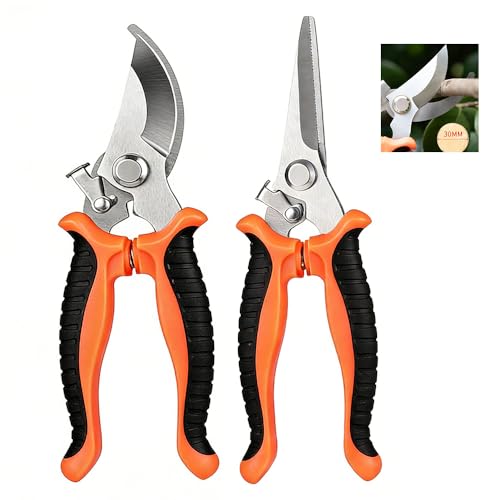
    CLEAN CUTS FOR LIVE GROWTH: Bypass blade design is ideal for pruning delicate flower stems and green growth, helping reduce crushing and plant damage while cutting stems and small branches up to 5/8” in diameter

    VIEW LATEST PRICE

    As an affiliate, we earn on qualifying purchases.

    Fiskars 28" Loppers for Tree Trimming, Heavy Duty, Rust-Resistant Sharp Bypass Steel Blade Loppers, Branch Cutter up to 1.5" Diameter Cut Capacity, Shock-Absorbing Handle, Garden Tools
    Fiskars 28" Loppers for Tree Trimming, Heavy Duty, Rust-Resistant Sharp Bypass Steel Blade Loppers, Branch Cutter up to 1.5" Diameter Cut Capacity, Shock-Absorbing Handle, Garden Tools

    IDEAL BRANCH TRIMMER: 28" Steel blade garden bypass lopper that glides through up to 1.5" thick branches for easy cuts; Works well for trimming tree branches to maintain your yard and garden, and to encourage overall plant health and appearance

    MUST READ
    How to Keep Fruit Tree Branches from Breaking with Essential Care Tips and Techniques
    VIEW LATEST PRICE

    As an affiliate, we earn on qualifying purchases.

    3.5 ft (1.0m) Cut & Tree Trimmer for Precision Gardening Pruning & Fruit picking, 40 in Long Reach Pruning Shears - Lightweight Aluminum Rust-Resistant Picker, Branch Bypass Loppers(1/2" Max Cut)
    3.5 ft (1.0m) Cut & Tree Trimmer for Precision Gardening Pruning & Fruit picking, 40 in Long Reach Pruning Shears - Lightweight Aluminum Rust-Resistant Picker, Branch Bypass Loppers(1/2" Max Cut)

    [Effortless High-Reach Pruning & Trimming]: Expertly designed for easy pruning of high branches, dense bushes, and delicate stems. At the same time, the fruits can also be harvested. The practical 3.5-foot (1.0-meter) extended reach allows you to trim and harvest fruit from the ground, eliminating strenuous bending, kneeling, or the need for a ladder, thereby enhancing both safety and efficiency.

    VIEW LATEST PRICE

    As an affiliate, we earn on qualifying purchases.

    Essential Pruning Tools

    • Bypass Pruners: Use for cutting small branches up to ¾ inch thick. They create clean cuts that promote healthy growth.
    • Loppers: Choose loppers for branches too thick for pruners. They can handle branches up to 2 inches in diameter.
    • Pruning Saw: Select a pruning saw for larger branches. It’s effective for limbs 2 inches and thicker, allowing for quick, precise cutting.
    • Hand Shears: Consider hand shears for delicate work on smaller plants or thin branches, ensuring a clean cut on fragile limbs.
    • Pole Pruner: For hard-to-reach branches, a pole pruner extends your reach, making it easier to trim higher sections without a ladder.
    • Gloves: Wear gloves to protect your hands from cuts and scratches while handling branches and tools.
    • Safety Glasses: Use safety glasses to shield your eyes from debris that may fly during cutting.
    • Hard Hat: If working under large trees, consider wearing a hard hat to avoid falling branches.
    • Sturdy Shoes: Choose sturdy shoes with good grip to ensure balance while trimming, especially on uneven ground.

    Equipping yourself with these tools and safety gear enhances your trimming experience, promoting better care for your fruit trees.

    MUST READ
    How to Grow Fruit Trees Animal Crossing: Essential Tips for a Lush Orchard on Your Island

    Steps to Trim Fruit Trees

    Trimming fruit trees involves a series of clear steps to ensure healthy growth and maximum fruit production. Follow these guidelines for effective trimming.

    Recommended Products

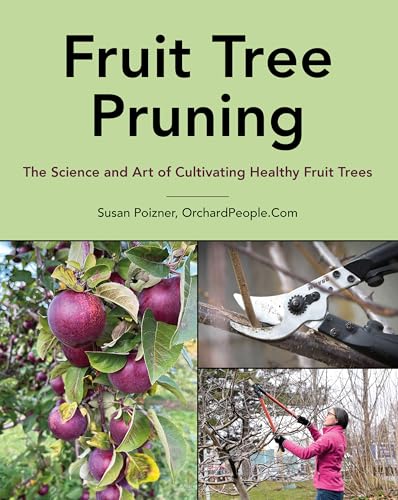
    Fruit Tree Pruning: The Science and Art of Cultivating Healthy Fruit Trees (The Complete Fruit Tree Grower’s Collection)
    Fruit Tree Pruning: The Science and Art of Cultivating Healthy Fruit Trees (The Complete Fruit Tree Grower’s Collection)
    VIEW LATEST PRICE

    As an affiliate, we earn on qualifying purchases.

    Garden Grafting Tool Kits, ZALALOVA 2 in 1 Pruning Tools Including Grafting Knife Replacement Blades Grafting Tapes Rubber Bands and Labels for Plant Branch Vine Fruit Tree Cutting
    Garden Grafting Tool Kits, ZALALOVA 2 in 1 Pruning Tools Including Grafting Knife Replacement Blades Grafting Tapes Rubber Bands and Labels for Plant Branch Vine Fruit Tree Cutting

    PROFESSIONAL GARDENING GRAFTING TOOLS: Including 2 in 1 grafting pruning tools, 3 replaceable blades, a grafting knife, a screwdriver, a wrench, 2 grafting films, 160 rubber bands, 40 wide rubber bands, and 50 colorful tag cards

    VIEW LATEST PRICE

    As an affiliate, we earn on qualifying purchases.

    GARTOL Cut & Hold Pole Pruner, 4.2 FT Lightweight Fruit Picker with 180° Rotating Handle, SK5 Steel Blade Cuts up to 1/2 Inch, Long Reach Garden Tree Trimmer & Branch Cutter for Shrubs, Bushes
    GARTOL Cut & Hold Pole Pruner, 4.2 FT Lightweight Fruit Picker with 180° Rotating Handle, SK5 Steel Blade Cuts up to 1/2 Inch, Long Reach Garden Tree Trimmer & Branch Cutter for Shrubs, Bushes

    [Cut & Hold Pole Pruner for Tree Trimming] This long reach cut and hold pruner makes it easy to grip and remove branches, flowers, or fruit without dropping them. Perfect as a pole fruit picker for harvesting lemons, oranges, apples, or persimmons, and for trimming shrubs and bushes without climbing a ladder.
    VIEW LATEST PRICE

    As an affiliate, we earn on qualifying purchases.

    Assessing Tree Health

    Check the overall condition of your tree. Look for signs like yellowing leaves, dead branches, or areas affected by pests. A healthy tree exhibits robust growth, vibrant leaves, and strong branches. Identify any dead or damaged limbs that need removal. Focus on branches that crowd the center of the tree, as these can hinder airflow and light penetration. Regular assessments help determine if your tree requires immediate attention or can wait for a scheduled trimming.

    MUST READ
    How Long Do Dwarf Fruit Trees Take to Produce: A Complete Guide to Timeframes and Tips

    Determining the Right Time to Trim

    Trim your fruit trees during the late winter or early spring, just before new growth starts. This timing encourages robust growth and maximizes fruit production. Some trees, like apple and pear, can be trimmed in late winter, while others, like cherry and peach, benefit from summer trimming. Avoid trimming during late fall or early winter, as this can expose the tree to harsh weather conditions. Timing your trimming helps the tree recover faster and promotes healthier foliage and fruit.

    Trimming Techniques

    Trimming fruit trees involves several methods to ensure healthy growth and maximize fruit production. Knowing the right techniques can significantly enhance your tree care routine.

    Methods for Different Types of Trees

    1. Apple Trees: Focus on removing water sprouts and crossing branches. Thin out crowded areas but leave some intact for balance.
    2. Citrus Trees: Trim lightly to shape. Remove dead wood and short branches. Maintain an open center for sunlight.
    3. Peach Trees: Use open-vase pruning to ensure sunlight reaches the interior. Remove any diseased branches promptly.
    4. Cherry Trees: Perform summer pruning to slow growth and shape the tree. Avoid heavy winter pruning to limit damage.
    5. Pear Trees: Use a modified central leader technique. Remove any competing limbs to encourage a strong leader branch.
    1. Over-Pruning: Don’t remove more than 25% of the tree at once. This can stress the tree and reduce fruit production.
    2. Pruning at the Wrong Time: Avoid incorporating heavy pruning during fall or winter, as this can expose trees to harsh weather.
    3. Ignoring Tools: Use sharp and clean tools for cuts. Dull tools cause jagged edges, inviting disease.
    4. Neglecting Safety Gear: Always wear gloves and safety glasses to avoid injury from falling branches or tools.
    5. Neglecting Tree Health: Assess the tree’s overall health before trimming. Remove only what is necessary to promote growth.
    MUST READ
    How to Graft Stone Fruit Trees: A Step-by-Step Guide for Successful Growth

    Implementing these methods and avoiding common pitfalls enhances your fruit trees’ health and production. Keep these techniques in mind for successful trimming.

    Conclusion

    Trimming your fruit trees isn’t just about aesthetics; it’s a vital part of keeping them healthy and productive. By following the right techniques and using the proper tools you can encourage robust growth and a bountiful harvest. Remember to prioritize safety and take your time with each cut.

    With regular care and attention your trees will thrive and reward you with delicious fruit for years to come. So grab those pruners and get started on your journey to a flourishing fruit garden. Happy trimming!

    Frequently Asked Questions

    Why is my fruit tree not producing fruit?

    Improper trimming techniques can lead to low fruit production. Regular trimming maintains tree health, directs growth, and improves air circulation, all crucial for maximizing fruit yield.

    When is the best time to trim fruit trees?

    The best time to trim fruit trees is late winter or early spring, just before new growth begins. Avoid trimming in late fall or winter to prevent exposing the tree to harsh conditions.

    What tools do I need for trimming fruit trees?

    Essential tools include bypass pruners for small branches, loppers for thicker limbs, pruning saws for larger branches, and hand shears for delicate work. Don’t forget safety gear like gloves and goggles!

    How often should I trim my fruit trees?

    Fruit trees should be trimmed annually or biennially, depending on growth habits and health. Regular maintenance helps prevent overcrowding and promotes better airflow and sunlight exposure.

    What common mistakes should I avoid when trimming?

    Avoid over-pruning, trimming at the wrong time, using dull tools, neglecting safety gear, and failing to assess tree health beforehand. These mistakes can hinder growth and fruit production.

    Share. Facebook Twitter Pinterest LinkedIn Tumblr Email
    martha jackson
    Martha Jackson

      Martha Jackson is an accomplished freelance writer and editor with a strong interest in gardening. With a degree in English from the University of California, Berkeley, Martha has over 15 years of experience writing for a variety of publications. She is passionate about making gardening accessible to all and is always seeking out new techniques and innovations.

      Related Posts

      How Long Until Avocado Trees Bear Fruit and Tips for Faster Growth at Home

      February 20, 2025

      What Yellow Fruit Grows on Trees and Their Delicious Health Benefits

      February 20, 2025

      How to Air Layer Fruit Trees: A Step-by-Step Guide for Successful Propagation

      February 20, 2025

      When Do Grapefruit Trees Produce Fruit and How to Maximize Your Harvest

      February 20, 2025

      What Is a Fast Growing Fruit Tree: Discover Quick-Yield Options for Your Garden

      February 20, 2025

      Do Cherry Blossom Trees Have Fruit? Discover the Truth About Their Edibility and Benefits

      February 20, 2025
      Leave A Reply Cancel Reply

      Affiliate Disclosure

      As an Amazon Associate I earn from qualifying purchases.

      Recommended Reading

      How to Make Coconut Tree Bear Fruit: Tips for Optimal Growth and Bountiful Harvests

      Can Jujube Trees Be Grown in Containers

      Can Apricot Trees Grow in New York? (Empire State Planting Guide)

      What Size Pot for Patio Fruit Trees: Essential Tips for Successful Growth and Care

      How to Replace Blade on Fiskars Pole Pruner: Step-by-Step Guide

      Do You Have to Spray Fruit Trees for Healthy Growth and Better Yields?

      Cherry Trees in Oakland, CA: Bay Area Microclimate Success

      How to Keep Ants Off Fruit Trees: Effective Natural Methods for a Healthy Harvest

      Can Guava Trees Thrive in Urban Settings

      Can a fig tree bear olives?

      Fruit Tree Hub

      Fruit Tree Hub is a website dedicated to providing you everything you need to grow fruit trees successfully at in your own yard.

      Contact us at: [email protected]

      - AFFILIATE DISCLOSURE: As an Amazon Associate I earn from qualifying purchases.

      Latest Posts

      Olive Trees in a Pot in Indiana: Midwestern Growing Secrets

      Lime Trees in North Dakota (Severe Winter Growth Secrets)

      Growing Tamarind Trees in Utah (High Altitude Success Guide)

      Fig Trees in Anchorage, AK (Indoor and Greenhouse Methods)

      Quince Trees in a Pot in Jacksonville, FL (Successful Harvest)

      Olive Trees in a Pot in Illinois (Indoor and Patio Care Guide)

      Can Guava Trees Grow in Memphis, TN? Mid-South Success Tips

      Can Fig Trees Grow in Gilbert, AZ? Desert Harvest Secrets

      Categories
      • Almond Trees
      • Apple Trees
      • Apricot Trees
      • Best Fruit Trees
      • Blackberry
      • Cantaloupe
      • Cherry Trees
      • Crochet Ideas
      • Crochet Ideas for Beginners
      • Cucamelon
      • Easy Crochet Ideas
      • Easy Knitting Projects
      • Fig Trees
      • Grapefruit Trees
      • Grapes
      • Guava Trees
      • Honeydew
      • Jujube Trees
      • Kiwi
      • Knitting For Beginners
      • Knitting Ideas
      • Knitting Inspiration
      • Lemon Trees
      • Lime Trees
      • Loquat Trees
      • Mango Trees
      • Mulberry Trees
      • Nectarine Trees
      • Olive Trees
      • Orange Trees
      • Papaya Trees
      • Peach Trees
      • Pear Trees
      • Persimmon Trees
      • Planting
      • Plum Trees
      • Pomegranate Trees
      • Quince Trees
      • Raspberry
      • Reviews
      • Small Crochet Ideas
      • Star Fruit Trees
      • Summer Crochet Ideas
      • Tamarind Trees
      • Tangerine Trees
      • Tips and Advice
      • Tools
      • Uncategorized
      • Walnut Trees
      © 2026 Fruit Tree Hub
      • Home
      • About Us
      • Contact
      • Privacy Policy
      • Terms and Conditions
      • Disclaimer
      • Editorial Policy
      • Affiliate Disclosure

      Type above and press Enter to search. Press Esc to cancel.