

Have you ever looked at your espalier fruit trees and wondered why they don’t look as neat and productive as you hoped? You’re not alone. Many gardeners struggle with keeping these unique trees in shape, often feeling overwhelmed by the pruning process.
Key Takeaways
- Understanding Espalier: Espalier fruit trees are trained to grow flat against a structure, optimizing space, sunlight, and aesthetic appeal while improving maintenance ease.
- Essential Tools for Pruning: Utilize high-quality hand pruners, loppers, and pruning saws for efficient trimming. Additionally, protective gear such as gloves, safety glasses, and sturdy footwear is crucial for safety.
- Optimal Timing for Trimming: Prune your espalier trees in late winter or early spring before new growth begins, considering local climate conditions to minimize frost risk.
- Step-by-Step Trimming Process: Prepare by inspecting and clearing around the tree, focus on removing dead or overcrowded branches, and use the three-cut method for larger branches to prevent damage.
- Avoiding Common Mistakes: Limit pruning to 20-30% of total foliage to prevent stress and monitor tree health consistently to address potential issues before, during, and after the pruning process.
- Post-Pruning Care: Water and mulch around the base of the tree after trimming to support recovery and promote healthy growth.
Understanding Espalier Fruit Trees
Espalier fruit trees offer a unique way to grow fruit in limited spaces while creating beautiful garden features. Understanding their structure and benefits makes maintaining them simpler and more effective.
What Is Espalier?
Espalier refers to the practice of training fruit trees to grow flat against a support structure, such as a wall or trellis. This technique involves pruning and tying branches to create a two-dimensional form. Common fruit trees used for espalier include apple, pear, and citrus varieties. Their growth can be controlled, allowing for easier harvesting and enhanced sunlight exposure.
Benefits of Espalier Techniques
Espalier techniques provide several advantages for gardeners:
- Space Efficiency: Espaliering allows you to grow fruit in compact areas like small yards or patios.
- Improved Sunlight Penetration: The flat structure maximizes exposure to sunlight, promoting better fruit development.
- Easier Maintenance: Trimming and harvesting become more accessible due to the tree’s organized layout.
- Aesthetic Appeal: Espalier trees add visual interest to gardens, creating stunning focal points.
- Increased Airflow: Adequate spacing between branches improves air circulation, reducing disease risk.
Understanding these aspects prepares you for successful care and pruning of your espalier fruit trees.
Tools Needed for Trimming
Proper tools make trimming espalier fruit trees efficient and effective. Having the right equipment ensures clean cuts and promotes healthy growth for your trees.
Recommended Products

✂Multifunctional -2 in 1 Garden Grafting Tools-Professional grafting set allows you to pruning and grafting at the same time, saving more time and effort than traditional grafting methods, easy to use and more efficient. It allows you to trim away excess leaves and twigs and prepare the plants to be grafted. At the same time, you can make a precise cut into the grafting stock with the special grafting blade.
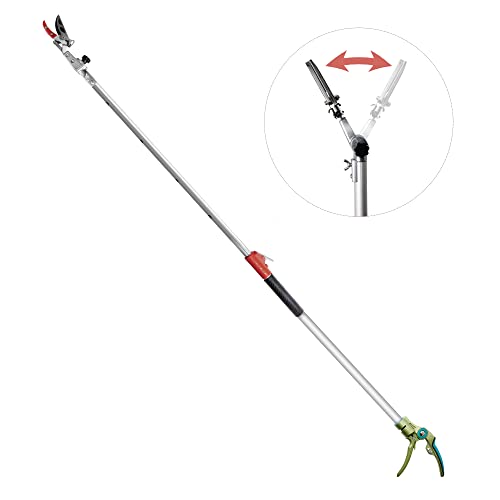
[Helpful Garden Tool] GARTOL brings to you a lightweight and extendable pruning tool to reach out to the least approachable arenas of your garden. You can conveniently get across other plants to remove the fastgrowing brambles and sting nettles without getting scratched or hurt. For gardening lovers, the telescopic pruner cutter head can can be rotated which resolves mobility issues and gives you the pleasure of trimming your garden without bending down or using a ladder to climb and cut them.

[Cut & Hold Pole Pruner for Tree Trimming] This long reach cut and hold pruner makes it easy to grip and remove branches, flowers, or fruit without dropping them. Perfect as a pole fruit picker for harvesting lemons, oranges, apples, or persimmons, and for trimming shrubs and bushes without climbing a ladder.
Essential Pruning Tools
- Hand Pruners: Invest in quality bypass pruners for clean cuts on small branches. Choose lightweight options for comfort during extended use.
- Loppers: Use loppers for reaching and cutting thicker branches. Their long handles provide extra leverage, making tough cuts easier.
- Pruning Saw: Keep a pruning saw handy for larger branches. A sharp, curved saw offers better control and precision during cuts.
- Garden Shears: Opt for garden shears for shaping leaves and trimming smaller sections. They help maintain the aesthetic aspect of your espalier trees.
- Rake and Trowel: Use a rake for clearing debris and a trowel for soil maintenance. Keeping the area tidy improves access and visibility.
- Gloves: Wear durable gloves to protect your hands from cuts and scratches. Look for gloves with a good grip for better handling of tools.
- Safety Glasses: Protect your eyes from flying debris while pruning. Choose safety glasses that fit comfortably and provide a clear field of vision.
- Knee Pads: Consider knee pads if you’ll be kneeling for long periods. They provide comfort and prevent strain on your knees.
- Hat and Sunscreen: Wear a wide-brim hat and apply sunscreen to protect yourself from sun exposure during outdoor work.
- Sturdy Footwear: Use closed-toe, non-slip shoes for safety and stability while working around your espalier trees.
Equipping yourself with the right tools and safety gear enhances the pruning experience and supports the health of your espalier fruit trees.
Best Time to Trim Espalier Fruit Trees
Timing significantly influences the health and productivity of espalier fruit trees. Proper pruning helps optimize fruit production and maintain the desired shape.
Recommended Products

LONG-LASTING SHARPNESS: Japanese SK5 bypass blade with titanium coating is tested through 5,000 cuts to maintain a sharp edge and deliver clean, consistent cuts on live stems and branches

· ULTRA-SHARP SK5 STAINLESS STEEL - Engineered with premium SK5 stainless steel, these heavy duty pruning shears deliver razor-sharp precision and maximum hardness. The rust-resistant blades are designed to stay sharp longer, effortlessly resisting corrosion and sap buildup for smooth, friction-free garden shears performance year after year.

Reduce Hand Strain: These micro tip snips are made to reduces hand fatigue which makes them great for those with arthritis, carpal tunnel, hand or wrist issues; Comfortable “grip” handles will make it easy to work for long-time use without making you feel hand pain
Seasonal Considerations
Trim your espalier fruit trees in late winter or early spring, just before the new growth begins. This timing allows you to shape the tree without interfering with its blooming period. For most fruit trees, the dormant season is beneficial for cutting back excessive growth. Aim to prune before buds swell to minimize stress on the trees and encourage robust growth in the coming season.
Climate Impact
Climate plays a key role in determining the best pruning time. In warmer regions, trees may need trimming earlier, while in colder areas, wait until the risk of frost passes. Monitor your local weather conditions. If temperatures remain consistently above freezing and the likelihood of frost diminishes, proceed with pruning. Adjust your schedule based on specific fruit tree varieties, as some may respond differently to pruning.
Step-By-Step Guide to Trimming
Trimming espalier fruit trees involves preparation, specific techniques, and proper post-care. Following this guide ensures a healthy and productive tree.
Recommended Products


★ 1. What you get: Professional convenient grafting tool set including a dual-use grafting pruner tool contain 2 extra replaceable blades, a wrench and a screwdriver, along with 36pcs wide rubber bands, 150 thick rubber bands and 1 grafting tape, packed in a black wallet to meet all your needs

1:EXTENDABLE REACH FOR LADDER-FREE SAFETY – Acting as both a reliable tree pruner and a fruit picker pole, this tool effortlessly extends from 3.28 to 5.25 FT to reach high branches up to 10 FT from the ground. The innovative rotating and locking head allows for precise angles without unstable ladders or risky stretching, ensuring maximum safety.
Preparing the Tree
- Clear the area around your tree. Remove any debris, such as leaves or fallen branches, that could interfere with your trimming.
- Inspect the tree for damage or disease. Look for any signs of rot, pests, or dead wood. Take note of branches that need removal.
- Plan your cuts. Visualize the desired shape of the tree. Identify which branches to keep for structure and which to trim for balance.
- Gather your tools. Ensure you have sharp hand pruners, loppers, and a pruning saw ready for use.
Trimming Techniques
- Start with dead or damaged branches. Cut them back to the point of healthy growth. This encourages new growth and improves air circulation.
- Thin out overcrowded branches. Remove select branches to prevent congestion while preserving the tree’s form. Aim to keep an open center for sunlight and airflow.
- Shape the tree. Trim the tips of branches to encourage lateral growth. Repeat this on main branches to maintain the desired flat appearance against the support structure.
- Use the “three-cut method” for larger branches. Make an initial cut on the underside, followed by a second cut from the top, allowing the weight to fall without tearing the bark. Finally, trim back to the branch collar.
- Clean your tools. Use rubbing alcohol or a bleach solution to sanitize your tools, preventing the spread of disease during trimming.
- Monitor the tree regularly. Watch for signs of stress or disease within the following weeks. Address any issues immediately.
- Water the tree. Ensure it receives ample moisture after trimming to support recovery. Check the soil for dry conditions.
- Mulch around the base. Apply a layer of organic mulch to conserve moisture and suppress weeds, promoting healthy growth.
By following these steps, you’ll maintain the health and productivity of your espalier fruit trees effectively.
Common Mistakes to Avoid
Maintaining espalier fruit trees requires attention and care. Avoiding common mistakes makes the pruning process smoother and more effective.
Over-Pruning
Over-pruning creates stress for your espalier fruit trees. Cut only what’s necessary. Aim to remove about 20-30% of the tree’s total foliage during each trimming. This promotes healthy regrowth without overwhelming the plant. Focus first on dead or damaged branches. Next, thin crowded areas to improve airflow and light exposure. Remember, less is often more, especially when shaping your trees.
Ignoring Tree Health
Ignoring signs of poor health can lead to bigger problems. Always inspect your trees for disease or pests before and after pruning. Look for discolored leaves, unusual growth patterns, or visible damage. Treat any issues prior to trimming. Healthy trees respond better to pruning and thrive over time. Maintaining overall tree wellness ensures fruitful yields and a beautiful appearance.
Conclusion
Taking care of your espalier fruit trees can be a rewarding experience. With the right tools and techniques you can shape your trees beautifully while boosting their health and productivity. Remember to prune at the right time and avoid common mistakes to keep your trees thriving.
Enjoy the process of nurturing your trees and watching them flourish. Your efforts will not only enhance your garden’s aesthetic but also lead to bountiful harvests. Happy pruning and here’s to a fruitful gardening journey!
Frequently Asked Questions
What is espalier gardening?
Espalier gardening is a technique where fruit trees are trained to grow flat against a support structure. This method allows for better control of growth, maximizes space, increases sunlight exposure, and enhances air circulation, making it easier for gardeners to maintain the trees.
When is the best time to prune espalier fruit trees?
The best time to prune espalier fruit trees is in late winter or early spring, just before new growth begins. This timing avoids interfering with the blooming period and allows for shaping the tree during its dormant phase to promote healthier growth.
What tools are essential for pruning espalier trees?
Essential tools for pruning espalier trees include hand pruners, loppers, pruning saws, and garden shears. Each tool serves a specific purpose, facilitating precise cuts for healthier tree maintenance. Safety gear like gloves and glasses is also important for protection during the process.
How should I prepare for pruning my espalier fruit trees?
Before pruning, clear the area around the tree, inspect for any damage or disease, and plan your cuts. Gather all necessary tools and ensure you’re wearing appropriate safety gear to create a safe and efficient working environment.
What are common mistakes to avoid when pruning espalier trees?
Common mistakes include over-pruning and failing to monitor tree health. Avoid removing more than 20-30% of foliage in one session to prevent stress. It’s also crucial to inspect the tree for signs of disease or pests both before and after pruning.
How can I ensure the health of my espalier fruit trees post-pruning?
After pruning, it’s important to clean your tools, monitor the tree for stress or disease, water adequately, and apply mulch. This post-care helps promote healthy regrowth and supports the overall well-being of the tree.
