

Ever wondered when grapefruit trees bear their juicy fruits? Picture this: you’re strolling through a sun-kissed orchard, the sweet scent of citrus in the air, and you can’t help but wonder when those vibrant grapefruits will be ripe for the picking. Well, you’re in the right place.
In this article, we’ll walk you through the exciting journey of grapefruit trees and their fruit-bearing season. You’ll discover the optimal time when these trees burst into a colorful display of deliciousness, bringing joy to both growers and fruit enthusiasts alike.
Key Takeaways
- Grapefruit trees produce fruits in a seasonal cycle, starting with flowering in spring, fruit development in summer, ripening in fall, and harvesting in winter.
- Understanding the seasonal nuances of grapefruit trees allows for planning harvests and enjoying fresh grapefruits throughout the year.
- Factors like climate conditions, pollination, soil quality, pruning, and pest management significantly influence grapefruit production.
- Aligning care practices with the natural rhythm of grapefruit trees enhances fruit production and ensures a bountiful harvest year after year.
Understanding Grapefruit Trees
Grapefruit trees, like other citrus trees, are known for their bountiful harvest of juicy, tangy fruits. Understanding the fruit-bearing season of grapefruit trees is essential for maximizing your yield and enjoying fresh grapefruits. So, when do grapefruit trees produce fruit? Let’s delve into the seasonal cycle of these citrus trees.
Flowering Stage: Welcoming Spring
In early spring, grapefruit trees enter their flowering stage. During this time, you’ll notice delicate white blossoms adorning the branches, signaling the beginning of fruit production. The blossoms are crucial as they transform into the fruit you eagerly wait to harvest.
Fruit Development: Patience in Summer
As spring transitions into summer, the tiny green fruits start to emerge from the faded blossoms. It’s a period of patience as these green orbs slowly swell and grow in size. The warm summer sun plays a vital role in nurturing the fruits to maturity.
Ripening Time: Fall Delight
By the time fall arrives, your grapefruit trees are laden with ripe, vibrant fruits. The cooling temperatures of fall help in sweetening the fruit, making it the perfect time for harvesting. The characteristic yellow hue of ripe grapefruits signals their readiness for picking.
Harvest Season: Winter Rewards
Winter is the prime harvest season for grapefruits. Depending on the specific variety of grapefruit you have, the harvesting window can extend through the winter months. It’s a rewarding time as you pluck the fruits of your labor and savor the delectable taste of freshly picked grapefruits.
- Grapefruit trees produce fruits in a seasonal cycle, starting with flowering in spring, fruit development in summer, ripening in fall, and harvesting in winter.
- The transition from blossoms to fruits requires patience and care, with each season playing a crucial role in the fruit’s development.
- Understanding the seasonal nuances of grapefruit trees allows you to plan your harvest and enjoy a plentiful supply of fresh grapefruits throughout the year.
By grasping the seasonal rhythm of grapefruit trees, you can optimize your harvest and relish the fruits of your labor from your very own citrus orchard.
Factors Influencing Grapefruit Production
Understanding the various factors that influence grapefruit production is essential for maximizing yield and ensuring a successful harvest from your citrus orchard. Here are key elements that play a crucial role in the production of grapefruits:
Recommended Products

[1.5oz/yd² Frost Cloth for Plant Freeze Protection]Made with 1.5oz/yd² per sq yd garden fabric, this frost cloth helps protect plants from frost, cold wind, and sudden temperature drops while allowing sunlight, air, and moisture to pass through.

PACKAGE: The package includes 4Pcs plant covers,will meet your daily use or replacement. Measuring 31.5" x 47.3", the plant protector is waterproof, windproof.

PRODUCT FEATURES: Our plant covers are ideal for protecting all plant. Made from premium 1.4 oz/sq non-woven fabric, their durability and breathability ensuring both insulation against frost and facilitation of sunlight penetration for healthy plant growth
Climate Conditions
Warmth: Grapefruit trees thrive in warm environments, with temperatures between 70-85°F (21-29°C) being ideal for fruit production. Consistent warmth promotes flower bud formation, leading to a bountiful harvest.
Frost Protection: Protect your grapefruit trees from frost, especially during the flowering stage, as frost can damage blossoms and reduce fruit set. Consider using frost cloth or other protective measures during colder periods.
Pollination
Cross-Pollination: While grapefruit trees are self-pollinating, cross-pollination by bees and other pollinators can enhance fruit set and improve overall yield. Encouraging pollinators in your orchard can positively impact grapefruit production.
Hand Pollination: In cases where natural pollination is limited, consider hand pollination methods to ensure adequate fertilization of flowers and subsequent fruit development.
Soil Quality
Well-Drained Soil: Ensure your grapefruit trees are planted in well-drained soil to prevent waterlogging, which can lead to root rot and affect fruit production. Optimal soil conditions support tree health and fruit development.
Soil Nutrients: Provide sufficient nutrients such as nitrogen, phosphorus, and potassium to support the growth and fruiting of grapefruit trees. Conduct soil tests and fertilize accordingly to maintain soil fertility.
Pruning and Tree Care
Pruning: Regular pruning of grapefruit trees helps improve air circulation, sunlight penetration, and overall tree structure. Prune selectively to remove dead wood, improve fruit quality, and encourage new growth.
Pest and Disease Management: Monitor your grapefruit trees for pests and diseases regularly. Implement appropriate control measures to protect the trees from infestations that can hinder fruit production.
By taking into account these factors and implementing appropriate practices, you can enhance grapefruit production and enjoy a plentiful harvest of delicious, fresh fruit from your citrus orchard. Remember to observe the seasonal cycle of grapefruit trees and adjust your care routines accordingly to support optimal fruit development.
Seasonal Fruit Production of Grapefruit Trees
Understanding the seasonal fruit production cycle of grapefruit trees is crucial for maximizing your harvest. By aligning your care practices with the natural rhythm of the trees, you can ensure optimal fruit production. Let’s dive into the different stages of fruit production in grapefruit trees.
Recommended Products

FORMULATED FOR CITRUS AND FRUIT TREES: Use these citrus fertilizer spikes on apple, orange, lemon, lime, and avocado trees; this formula is also great for feeding palm trees

Package contains 4 Pounds organic fruit and citrus fertilizer grains and is produced to avoid wasteful runoff, mess, hazards and smells

FOR USE ON: Use Citrus-tone organic fertilizer for all citrus trees, including lemon, lime, orange, Meyer Lemon Trees as well as for avocado & nut trees
Flowering Stage
Grapefruit trees typically start flowering in late winter to early spring, usually from February to April. During this stage, the trees produce fragrant white flowers that attract pollinators like bees. Adequate pollination is essential for fruit set, so it’s important to ensure a healthy population of pollinators in your orchard.
Fruit Development
After successful pollination, the flowers develop into small green fruits. Over the following months, these fruits grow in size and gradually change color, signaling their ripening process. It’s crucial to provide sufficient nutrients and water during this stage to support healthy fruit growth.
Ripening and Harvesting
Grapefruits typically ripen in late fall to winter, with the exact timing varying depending on the specific variety of grapefruit and local climate conditions. You can determine fruit readiness by their color and firmness—ripe grapefruits are usually yellow-orange and slightly give to gentle pressure. When harvesting, it’s best to twist the fruit gently to detach it from the tree to avoid damaging the branches.
Extended Harvesting Period
One of the advantages of grapefruit trees is their ability to hold fruit on the tree for an extended period after ripening. This means you can harvest grapefruits gradually over several weeks, enjoying fresh fruit for an extended period.
Maximizing Production
To ensure a bountiful harvest, it’s essential to practice proper care throughout the year. Regular pruning, adequate watering, nutrient supplementation, and pest control measures can help maintain the health of your grapefruit trees and optimize fruit production. By adapting your care practices to each stage of the seasonal cycle, you can increase the yield of your grapefruit orchard.
By understanding the seasonal fruit production cycle of grapefruit trees and implementing appropriate care practices, you can enjoy a fruitful harvest of delicious grapefruits year after year.
Harvesting and Maintenance of Grapefruit Trees
When maintaining grapefruit trees for optimal fruit production, it’s essential to follow proper care practices in alignment with the tree’s natural rhythm. Here’s how you can ensure a bountiful harvest and keep your grapefruit trees healthy year-round:
Recommended Products
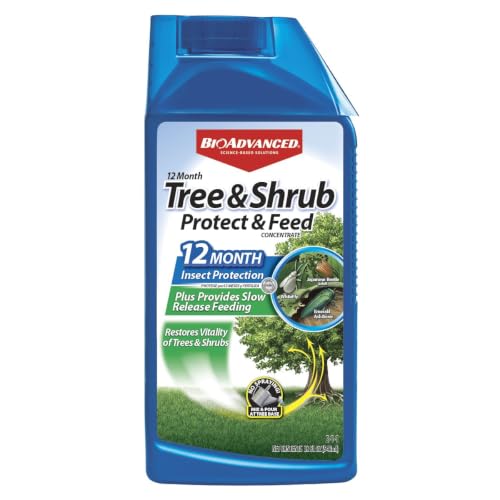
INSECT KILLER: 12 Month Tree & Shrub Protect & Feed kills Japanese Beetles, Emerald Ash Borers, Adelgids, Leafminers, Aphids, and other listed insects that damage trees and shrubs

INSECT KILLER: 12 Month Tree & Shrub Protect & Feed kills Japanese Beetles, Emerald Ash Borers, Adelgids, Leafminers, Aphids, and other listed insects that damage trees and shrubs

Let our professionally formulated plant food help your citrus tree grow healthy, strong AND abundantly producing
Pruning Grapefruit Trees
Pruning is vital for grapefruit tree health and fruit production. Trim your trees annually after the harvest season to remove dead or diseased branches and encourage new growth.
Watering Grapefruit Trees
Consistent watering is crucial, especially during dry periods. Ensure your grapefruit trees receive sufficient water to support fruit development and prevent water stress.
Providing Nutrients
Fertilize your grapefruit trees regularly with a balanced fertilizer to promote robust growth and fruit production. Follow the recommended dosage for optimal results.
Pest Control
Monitor your trees regularly for pests and diseases. Implement pest control measures promptly to safeguard your grapefruits and prevent infestations.
Harvesting Grapefruits
Grapefruits have an extended harvesting period, usually starting in fall and sometimes lasting until spring. Harvest ripe fruits by hand, gently twisting them off the tree to avoid damage.
Year-Round Care
Maintain a consistent care routine throughout the year. This includes regular watering, fertilizing, pruning, and pest control to ensure healthy trees and abundant fruit production.
Conclusion
You now have a comprehensive understanding of grapefruit tree fruit production cycles. Remember to align your care practices with the tree’s natural rhythm for the best harvest results. From flowering to harvesting, ensure your trees receive the right nutrients, water, and care. Regular maintenance, such as pruning, watering, and pest control, is key to keeping your grapefruit trees healthy and productive year-round. By following these tips, you’ll be on your way to enjoying a bountiful supply of delicious grapefruits from your own trees.
Frequently Asked Questions
Q: What are the key stages of fruit production in grapefruit trees?
A: Grapefruit trees go through the flowering stage, fruit development, ripening, and harvesting stages to produce fruits.
Q: Why is it important to align care practices with the seasonal cycle of grapefruit trees?
A: Aligning care practices with the tree’s natural rhythm ensures optimal harvest yields by providing the necessary care and support at each growth stage.
Q: What maintenance practices are essential for healthy grapefruit trees?
A: Essential maintenance practices include pruning, watering, nutrient supplementation, and pest control to promote tree health and abundant fruit production.
Q: How can growers ensure a consistent harvest of grapefruits year-round?
A: By following proper care guidelines and maintenance practices, growers can maintain fruitful grapefruit trees and enjoy a consistent harvest of delicious fruits throughout the year.
