

Fig trees can thrive in Hawaii due to the state’s warm climate and fertile soil. With proper care and attention to specific growing conditions, these trees can produce abundant fruit year-round.
Choosing Fig Varieties for Tropical Conditions
Hawaii’s climate supports various fig tree varieties, each with unique characteristics. Common types include the Brown Turkey, Kadota, and Celeste. These varieties adapt well to tropical conditions and can produce fruit in less than two years. Selecting the right variety is crucial for successful cultivation.
| Fig Variety | Growth Habit | Fruit Size | Flavor Profile | Ideal Soil Type |
|---|---|---|---|---|
| Brown Turkey | Spreading | Medium | Sweet | Well-drained |
| Kadota | Upright | Large | Mildly Sweet | Sandy loam |
| Celeste | Compact | Small | Rich and Sweet | Loamy |
Recommended Products
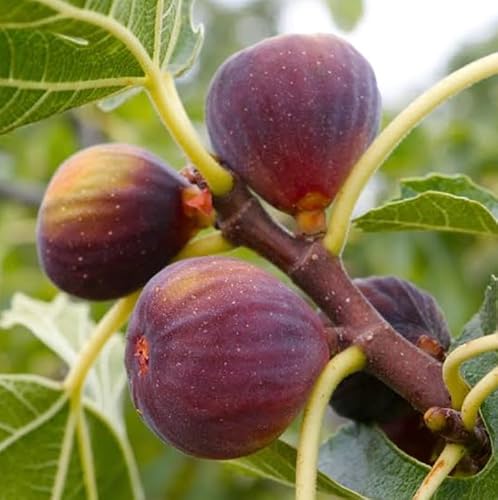
For sale is one Brown Turkey Fig Shrub that is approximately 4-10" tall and shipped in a quart pot


Kadota fig trees, a variety of Ficus Carica, bear greenish-yellow, honey-flavored figs.
Fig Tree Growth Conditions in Hawaii
Understanding the specific growth conditions for fig trees in Hawaii is essential for successful cultivation. This section delves into the unique climate, soil requirements, and environmental factors that influence fig tree health and productivity in the islands. By exploring these elements, you can better appreciate how to nurture these trees in Hawaii’s tropical landscape.
Fig trees require specific conditions to flourish in Hawaii. They prefer full sun exposure, well-drained soil, and moderate watering.
Overwatering can lead to root rot, while insufficient sunlight can stunt growth. Monitoring these factors is essential for optimal growth.
Fig Tree Soil Preparation Techniques
Preparing the soil is a critical step in establishing healthy fig trees. Aim for a pH level between 6.0 and 6.5. Incorporate organic matter such as compost to improve soil structure and fertility. This enhances drainage and provides essential nutrients.
Fig Tree Watering Techniques for Healthy Growth
Proper watering techniques are vital for fig tree health. Water deeply but infrequently to encourage deep root growth. During dry spells, ensure the soil remains moist but not soggy. Mulching around the base can help retain moisture and suppress weeds.
Pest Control and Disease Prevention for Figs
Fig trees can encounter pests and diseases that threaten their health. Common pests include aphids and spider mites, while diseases like root rot can occur in overly wet conditions. Regular inspections and timely interventions are necessary to maintain tree vitality.
Recommended Products
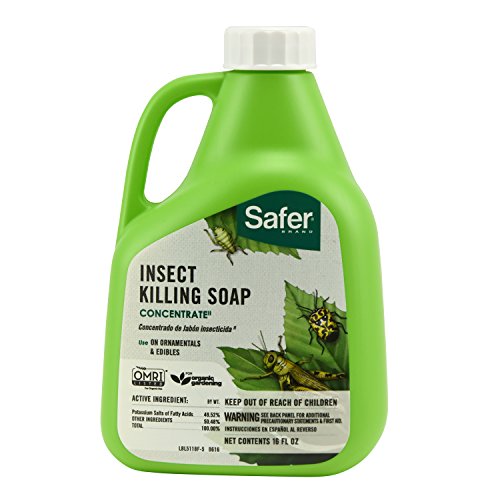
GENTLE ON MOST PLANTS - This aphid spray is ideal for use on flowers, herbs, vegetables, houseplants, lawn, tree, shrubs, and more
Protect Plants from Insects - Kills a variety of soft-bodied insect pests, including aphids, mealybugs, whiteflies, leafhopper, spider mites, and more

KILLS AND REPELS INSECTS - Knockdown common insects including spider mites, aphids, whiteflies, mealybugs, leafrollers, scale, thrips, cucumber beetle, carrot rust fly, earwig, tomato hornworm, Colorado potato beetle with a safe and effective all-purpose plant care solution.
Common Fig Tree Pests in Hawaii
Fig trees in Hawaii can thrive in the tropical climate, but they are not without their challenges. Understanding the common pests that affect these trees is essential for maintaining their health and productivity. This section explores the various pests that fig trees encounter in Hawaii and offers insights on how to manage them effectively.
Aphids: Small, green insects that suck sap.
Spider Mites: Tiny pests that cause leaf discoloration.
Fig Beetles: Larvae can damage fruit.
Aphid Control with Insecticidal Soap
Aphids can pose a significant threat to fig trees in Hawaii, impacting their health and fruit production. Effective management is essential for maintaining healthy plants, and insecticidal soap offers a practical solution. This section explores how to use this method to control aphid populations and protect your fig trees from damage.
Insecticidal Soap: Apply to affected areas for aphid control.
Neem Oil: Use as a natural pesticide for broader pest issues.
Cultural Practices: Remove debris and weeds to reduce pest habitats.
Fig Harvesting Techniques for Optimal Flavor
Harvesting figs at the right time is crucial for achieving optimal flavor, especially in the unique climate of Hawaii. Understanding the best techniques for picking and handling figs can enhance their sweetness and overall quality. This section delves into effective methods that ensure a bountiful and flavorful fig harvest in tropical conditions.
Harvesting figs at the right time ensures the best flavor and texture. Figs are ripe when they are slightly soft to the touch and have a vibrant color. Handle them carefully to avoid bruising.
Fig Tree Harvesting Timing Tips
Understanding the optimal timing for harvesting fig trees is crucial for maximizing yield and flavor, especially in Hawaii’s unique tropical climate. This section will provide essential tips on when to pick figs, ensuring that you enjoy the best quality fruit while navigating the specific growing conditions of the islands.
Timing: Harvest in the morning when temperatures are cooler.
Technique: Twist gently to detach the fruit from the stem.
Storage: Store figs in a cool place or refrigerate for short-term storage.
Health Benefits of Figs in Diet
Figs are not only a delicious addition to your diet but also offer numerous health benefits that can enhance overall well-being. Packed with essential nutrients, fiber, and antioxidants, they can support digestive health, improve heart function, and even aid in weight management. Understanding these advantages can help you appreciate the value of incorporating figs into your meals.
Figs are not only delicious but also packed with nutrients. They offer dietary fiber, vitamins, and antioxidants. Including figs in your diet can support digestive health and provide a natural source of energy.
Fig Tree Care for Long-Term Growth
Caring for fig trees in Hawaii requires an understanding of the unique tropical environment. Proper maintenance techniques, including watering, pruning, and pest management, are essential for ensuring these trees thrive and produce fruit over the long term. This section delves into the specific care practices that can help fig trees flourish in Hawaii’s warm climate.
Long-term success with fig trees requires ongoing care and attention. Regular pruning helps maintain shape and encourages better fruit production. Fertilization during the growing season supports healthy growth.
Spring Fig Tree Care Techniques
Spring is a crucial time for fig trees, especially in Hawaii’s unique tropical climate. Proper care during this season can significantly enhance growth and fruit production. Understanding the specific techniques tailored to the region will help ensure that your fig trees thrive and yield a bountiful harvest.
Spring: Fertilize and prune to encourage growth.
Summer: Monitor for pests and ensure adequate watering.
Fall: Prepare for cooler months by mulching.
Winter: Protect young trees from frost.
Neglecting seasonal care can lead to poor fruit production and tree decline.
Best Practices for Fig Cultivation in Hawaii
Growing fig trees in Hawaii can be rewarding, but it requires an understanding of the unique tropical environment. This section outlines the best practices for cultivating figs, focusing on soil conditions, watering techniques, and pest management tailored to the island’s climate. By following these guidelines, you can maximize your fig harvest and enjoy the sweet rewards of your efforts.
Growing fig trees in Hawaii is a rewarding endeavor. By understanding the specific needs of these trees and implementing best practices, you can enjoy a bountiful harvest year after year.
