

Growing papaya trees in pots in Rhode Island is feasible with the right care and conditions. These tropical plants thrive in warm temperatures, making them suitable for container gardening in coastal areas with proper management.
Best Papaya Varieties for Container Growth
When growing papaya trees in pots, selecting the right variety is crucial for success, especially in Rhode Island’s coastal climate. Certain papaya types thrive better in confined spaces and can adapt to the region’s conditions, ensuring healthy growth and fruitful yields. This section highlights the best papaya varieties suited for container cultivation, offering insights for enthusiastic gardeners.
Choosing the appropriate papaya variety is crucial for success in Rhode Island’s climate. Some varieties are more suited for container growth and cooler temperatures. Consider the following options:
Solo Papaya: Compact and ideal for pots. Grows to about 3-5 feet.
Dwarf Hawaiian: Smaller size with sweet fruit. Reaches 4-6 feet.
Red Lady: Known for high yield and disease resistance. Grows 5-10 feet.
Ensure the selected variety can adapt to the local climate and pot size.
Recommended Products

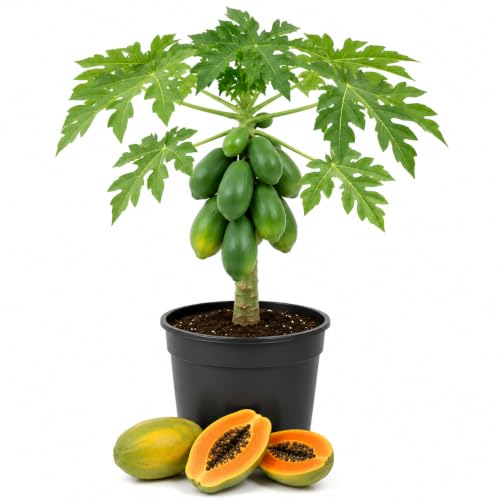
Compact growth habit makes it suitable for small gardens, balconies, or large containers, allowing for efficient space utilization.

🥭 Produces Sweet Tropical Papayas – Enjoy flavorful, homegrown fruit with rich orange flesh.

Potting Soil Mix for Papaya Trees
Choosing the right potting soil mix is crucial for the successful growth of papaya trees in Rhode Island’s coastal climate. The ideal blend not only supports healthy root development but also ensures proper drainage and nutrient availability. Understanding the specific needs of papaya trees will help you create an optimal environment for these tropical plants to thrive in pots.
Proper soil preparation is essential for healthy papaya growth. Use a well-draining potting mix to prevent root rot. The ideal mix should contain:
Coconut coir: Provides aeration and moisture retention.
Perlite: Enhances drainage.
Organic compost: Supplies nutrients.
A balanced mix of these components will support root development and overall plant health.
Recommended Products

HELPS REGULATE SOIL MOISTURE: Miracle-Gro Organic Indoor Potting Soil Mix is an organic potting soil that protects indoor plants against over and under watering

🌿 Papaya Paradise Unveiled: Elevate your Papaya plant care with Gardenera's meticulously crafted Papaya Potting Mix, designed to create an optimal environment for your plants to thrive.

ALL-NATURAL MIX: Burpee Organic Premium Potting Mix is formulated with plant food & coconut coir to promote seed & root growth and healthy flower, vegetable & herb plants. OMRI Listed for organic use.
Ideal Pot Dimensions for Papaya Growth
Selecting the right pot dimensions is crucial for the healthy growth of papaya trees, especially in Rhode Island’s coastal climate. The size and shape of the pot can significantly impact root development and overall plant health. Understanding the ideal pot dimensions will help ensure your papaya thrives in its container environment.
Choosing the right pot size impacts the growth of papaya trees. A pot that is too small restricts root growth, while a pot that is too large may retain excess moisture. Follow these guidelines:
Minimum size: 10-15 gallons for young plants.
Drainage holes: Ensure at least four holes for proper drainage.
Material: Consider using ceramic or plastic pots for durability.
A well-sized pot will promote healthy growth and fruit production.
Recommended Products
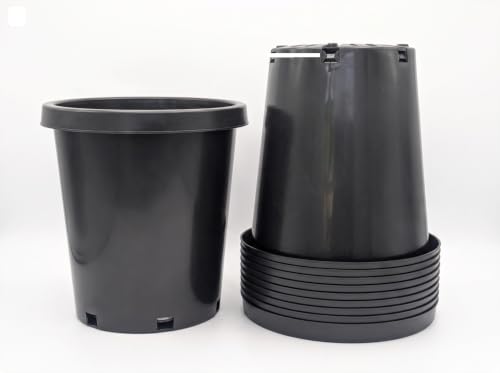
✅BUILT FOR SERIOUS GROWERS: When you need serious root space for trees, large shrubs, or high-yield vegetable plants, the 15-gallon nursery pot is the professional's choice. Green Oasis 15-gallon pots are engineered to the same exacting standards used by commercial plant nurseries, delivering exceptional durability, consistent drainage, and long-lasting performance in even the most demanding growing environments.

Size - 18.5 x 14.0 x 15.0 in (or 20.3 x 16.3 x 13.4 in), two sizes shipped randomly
Not available in CA
Papaya Tree Care Techniques for Rhode Island
Caring for papaya trees in Rhode Island requires specific techniques tailored to the region’s unique climate and conditions. Understanding how to properly nurture these tropical plants will help ensure their growth and fruit production, even in a coastal environment. This section provides essential care strategies to successfully cultivate papaya trees in pots.
Maintaining your papaya trees involves regular watering, fertilizing, and pruning. Follow these steps for optimal care:
Watering: Keep the soil consistently moist but not soggy. Water deeply when the top inch of soil dries out.
Fertilizing: Use a balanced fertilizer every 4-6 weeks during the growing season. Look for formulations high in potassium.
Pruning: Remove dead or damaged leaves to promote airflow and prevent disease.
Regular maintenance will enhance growth and fruit yield.
Optimal Temperature and Sunlight for Papayas
Understanding the optimal temperature and sunlight requirements for papaya trees is crucial for successful growth, especially in Rhode Island’s coastal climate. These tropical plants thrive under specific conditions, and knowing how to replicate their natural environment can significantly enhance their chances of flourishing in a pot. This section explores the ideal climate parameters for cultivating papayas effectively.
Papaya trees require specific temperature and sunlight conditions to thrive. In Rhode Island, temperature fluctuations can be a challenge. Consider these tips:
Sunlight: Place pots in a location that receives full sun for at least 6-8 hours daily.
Temperature: Protect trees from frost. Bring pots indoors during cold snaps or use frost cloths for outdoor protection.
Humidity: Increase humidity levels by misting or placing a tray of water nearby.
Maintaining appropriate conditions will support healthy growth.
Papaya Cultivation Problem Solutions
Growing papaya trees in pots can present unique challenges, especially in Rhode Island’s coastal climate. This section addresses common issues faced by gardeners, offering practical solutions to ensure healthy growth and fruitful yields. From pest management to environmental adaptations, these insights will help you successfully cultivate papayas in your home garden.
Identifying and addressing common issues can prevent setbacks in papaya cultivation. Here are some potential problems and solutions:
| Issue | Solution |
|---|---|
| Yellow leaves | Check for overwatering or nutrient deficiency. |
| Wilting | Ensure proper drainage and check for root rot. |
| Pest infestations | Use insecticidal soap or neem oil to treat pests. |
Monitoring for these issues will help maintain plant health.
Optimal Papaya Harvesting Techniques
Harvesting papayas at the right time is crucial for maximizing flavor and yield, especially when growing them in pots in Rhode Island’s coastal climate. Understanding the optimal techniques for harvesting ensures that you enjoy the best quality fruit while also promoting the health of your papaya trees. This section outlines effective methods to achieve a successful harvest.
Knowing when and how to harvest papayas is essential for enjoying their sweet fruit. Follow these guidelines for optimal harvesting:
Timing: Harvest when fruits turn yellow and slightly soft to the touch.
Technique: Use a sharp knife to cut the fruit from the stem. Handle with care to avoid bruising.
Storage: Store harvested papayas at room temperature until fully ripe.
Proper harvesting techniques will ensure the best flavor and quality.
Seasonal Care for Rhode Island Papayas
Caring for papaya trees in Rhode Island requires a keen understanding of seasonal changes and their impact on growth. This section outlines essential practices tailored to the unique climate of the region, ensuring that your potted papayas thrive throughout the year. From winter protection to summer watering techniques, these guidelines will help you cultivate healthy trees in your coastal garden.
Understanding seasonal changes is vital for successful papaya cultivation in Rhode Island. Adapt your care routine based on seasonal conditions:
Spring: Begin planting and fertilizing as temperatures rise.
Summer: Monitor for pests and ensure consistent watering.
Fall: Prepare for colder temperatures by moving pots indoors or using protective coverings.
Adjusting care based on the season will enhance growth and fruit production.
