Close Menu
    Fruit Tree Hub
    • Home
    • Apple Trees
    • Lemon Trees
    • Mango Trees
    • Orange Trees
    • More Trees
      • Best Fruit Trees
      • Apricot Trees
      • Cherry Trees
      • Fig Trees
      • Lime Trees
      • Mulberry Trees
      • Peach Trees
      • Pear Trees
      • Plum Trees
      • Pomegranate Trees
    • Tips and Advice
      • Tools
    • About Us
      • Contact
      • Privacy Policy
    Fruit Tree Hub
    Home»Tools»How to Repair a Lopper Bumper for Efficient Gardening Tools Maintenance
    Tools

    How to Repair a Lopper Bumper for Efficient Gardening Tools Maintenance

    Lucy SmithBy Lucy SmithApril 14, 20245 Mins Read
    Share Facebook Twitter Pinterest WhatsApp Email
    Share
    Facebook Twitter LinkedIn Pinterest Telegram Email

    Ever found yourself struggling with a lopper that just won’t cooperate? Imagine trying to trim those unruly branches, only to be held back by a stubborn bumper. Frustrating, right? But fear not, because in this article, you’ll discover the secrets to repairing that lopper bumper like a pro.

    Contents show
    1 Understanding the Lopper Bumper
    2 Assessing the Damage
    3 Tools and Materials Needed
    4 Step-by-Step Repair Process
    5 Testing the Repaired Lopper
    6 Conclusion
    7 Frequently Asked Questions
    7.1 What is the lopper bumper’s role in gardening tools?
    7.2 What does the repair process for the lopper bumper entail?
    7.3 Why is testing the lopper after repairing the bumper important?
    7.4 Why is regular testing recommended for gardening tools?

    Have you ever wondered how to extend the lifespan of your trusty gardening tool? A damaged bumper can not only hinder your gardening efforts but also shorten the lifespan of your lopper. By mastering the art of repairing the bumper, you’ll not only save time and money but also ensure your lopper stays in top-notch condition for years to come.

    Get ready to say goodbye to those lopper troubles and hello to seamless gardening experiences. With a few simple steps and a little know-how, you’ll be back to effortlessly trimming branches and beautifying your garden in no time.

    Understanding the Lopper Bumper

    When it comes to repairing your lopper bumper, it’s essential to first understand its role in the overall functionality of your gardening tool. The bumper on your lopper acts as a cushion, absorbing shock and protecting the tool when trimming branches or bushes.

    MUST READ
    How to Sharpen a Bypass Lopper Blade Like a Pro: Step-by-Step Guide

    Without a properly functioning bumper, you risk causing damage not only to the lopper itself but also to the branches you are cutting. Repairing the bumper ensures a smooth gardening experience and prolongs the lifespan of your lopper.

    By examining the condition of the bumper and identifying any tears, cracks, or wear, you can determine the extent of the repair needed. Whether it’s replacing the bumper entirely or patching up minor damages, addressing these issues promptly will benefit both your lopper and your garden.

    Remember, a well-maintained lopper bumper is key to effortless branch trimming and preserving the quality of your gardening tool for years to come.

    Assessing the Damage

    When examining your lopper bumper, look out for tears, cracks, or signs of excessive wear. Here’s how to assess the damage:

    • Check the entire surface for any visible damage.
    • Feel along the bumper for any cuts or rough areas.
    • Inspect for weak spots that could indicate impending failure.

    Before proceeding with repairs, accurately determining the extent of the damage is crucial for effective restoration.

    Recommended Products

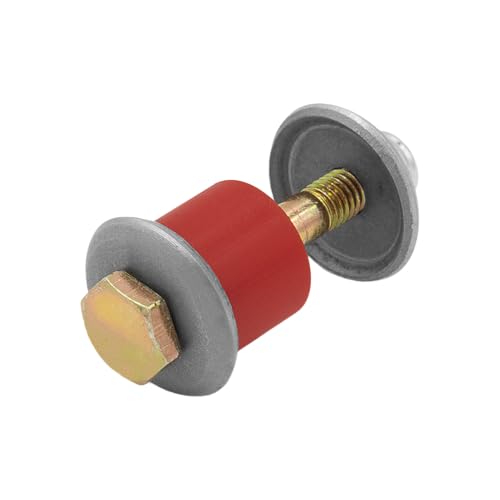
    Zenport MV20-415 Replacement Bumper Set for Lopper
    Zenport MV20-415 Replacement Bumper Set for Lopper

    Each Set Contains A Nut, Bolt, Durable Plastic Bumper And Two Bumper Pads

    VIEW LATEST PRICE

    As an affiliate, we earn on qualifying purchases.

    CORONA 6400-40 - Shock Stop® Piston Bumper for ClassicCUT® Loppers
    CORONA 6400-40 - Shock Stop® Piston Bumper for ClassicCUT® Loppers
    VIEW LATEST PRICE

    As an affiliate, we earn on qualifying purchases.

    CORONA 8310-40 - Bumper - High-Performance Loppers
    CORONA 8310-40 - Bumper - High-Performance Loppers
    VIEW LATEST PRICE

    As an affiliate, we earn on qualifying purchases.

    Tools and Materials Needed

    When it comes to repairing your lopper bumper, having the right tools and materials at hand is crucial. Here’s what you’ll need:

    • Rubber Mallet: For gentle tapping and securing the bumper in place.
    • Replacement Bumper: Ensure it matches the make and model of your lopper for a proper fit.
    • Phillips Screwdriver: To remove any screws holding the bumper in place.
    • Rubbing Alcohol: For cleaning the lopper and bumper before repairs.
    • Fine Grit Sandpaper: To smooth out any rough edges or surfaces.
    • Rubber Adhesive: To securely attach the new or repaired bumper.
    • Protective Gloves: Keep your hands safe during the repair process.
    • Clean Cloth: For wiping down the lopper and bumper.
    MUST READ
    Exploring Advanced Lopper Technologies for Crane Efficiency and Safety

    Having these tools and materials ready will streamline the repair process and help you restore your lopper bumper efficiently.

    Recommended Products

    Replacement Bumper for La Buena Loppers
    Replacement Bumper for La Buena Loppers

    Replacement Bumper Fits Any Size La Buena Loppers

    VIEW LATEST PRICE

    As an affiliate, we earn on qualifying purchases.

    Zenport MV145-30BP Lopper Replacement Bumper - 3 Pack
    Zenport MV145-30BP Lopper Replacement Bumper - 3 Pack

    MV145-30BP Replacement Bumper restores shock absorption and impact dampening for Zenport MV145 loppers.

    VIEW LATEST PRICE

    As an affiliate, we earn on qualifying purchases.

    Zenport MV20/32/36-415 Replacement Bumpet Set for Lopper - 5 Pack
    Zenport MV20/32/36-415 Replacement Bumpet Set for Lopper - 5 Pack

    MV20/32/36-415 Replacement Bumper Set cushions impact between handles of Zenport MV20, MV32, and MV36 loppers.

    VIEW LATEST PRICE

    As an affiliate, we earn on qualifying purchases.

    Step-by-Step Repair Process

    Repairing your lopper bumper is a straightforward process that can greatly prolong the life of your gardening tool. Here’s how you can do it:

    • Step 1: Inspect the Lopper Bumper
    • Step 2: Remove the Old Bumper
    • Step 3: Prepare the Surface
    • Step 4: Attach the New Bumper
    • Step 5: Allow for Proper Drying Time

    Having the right tools at your disposal is key to successfully repairing your lopper bumper. Follow these steps diligently to ensure a job well done.

    Recommended Products

    IMPRESA Lopper Replacement Blades - 2 Pack, Compatible with Fiskars PowerGear 25"/31" & PowerGear 2 27"/32" - Bypass Lopper Blades - PTFE-Coated for Gardening Tools - Ambidextrous with Storage Bag
    IMPRESA Lopper Replacement Blades - 2 Pack, Compatible with Fiskars PowerGear 25"/31" & PowerGear 2 27"/32" - Bypass Lopper Blades - PTFE-Coated for Gardening Tools - Ambidextrous with Storage Bag

    Effortless Compatibility: Equip your gardening toolkit with IMPRESA's lopper replacement blades, expertly designed for Fiskars PowerGear models. These high-performance blades ensure a precise fit for seamless tree trimmer and branch cutter tasks

    MUST READ
    Choosing the Best Power Pruner for Your Garden: A Comprehensive Guide
    VIEW LATEST PRICE

    As an affiliate, we earn on qualifying purchases.

    Fiskars Original replacement blade and screws, For Fiskars Lopper Bypass Scissors L104, L108, LX94, LX98, L78, L94, L98, Grey, 1026285
    Fiskars Original replacement blade and screws, For Fiskars Lopper Bypass Scissors L104, L108, LX94, LX98, L78, L94, L98, Grey, 1026285

    Spare blade and screws for Fiskars Lopper Bypass Scissors (item no.: 1001435, 1001438, 1020187, 1020188, 1000584, 1001549, 1001548)

    VIEW LATEST PRICE

    As an affiliate, we earn on qualifying purchases.

    Aussio (2-Pack) Alloy Steel Lopper Replacement Blades with Screws Compatible with Garden Loppers – Heavy-Duty Large Pruner Blades for Tree Trimming, Branch Cutting and Gardening Tools – Black
    Aussio (2-Pack) Alloy Steel Lopper Replacement Blades with Screws Compatible with Garden Loppers – Heavy-Duty Large Pruner Blades for Tree Trimming, Branch Cutting and Gardening Tools – Black

    Perfect Fit Replacement Blades – Keep your loppers in top shape with these heavy-duty replacement blades by Aussio. Designed for compatibility with select pruning loppers, ensuring a hassle-free fit. PLEASE NOTE: Please make sure the size of the loppers matches before purchasing, especially the size of the screw holes.

    VIEW LATEST PRICE

    As an affiliate, we earn on qualifying purchases.

    Testing the Repaired Lopper

    After repairing the lopper bumper, it’s crucial to test the lopper to ensure it’s functioning correctly. Here’s a guide on how to test the repaired lopper:

    • Inspect the Repaired Bumper: First, visually check the repaired bumper for any visible issues or misalignments.
    • Engage the Lopper: Slowly engage the lopper to observe how it closes and opens.
    • Test Cutting Efficiency: Try a few test cuts on small branches to see if the lopper performs smoothly.
    • Check for Precision: Pay attention to the precision of cuts made with the repaired lopper.
    • Observe Shock Absorption: Notice if the bumper effectively absorbs shock during use.
    • Assess Overall Performance: Evaluate the overall performance of the lopper post-repair.
    MUST READ
    Efficient Tree Cleanup: Mastering Safety with a Lopper

    Ensure that the repaired lopper functions seamlessly and provides the necessary support while trimming branches. Regular testing can help maintain the quality and efficiency of your gardening tools.

    Conclusion

    Now that you’ve learned the importance of the lopper bumper and how to repair it, you can ensure that your gardening tools are in top-notch condition for all your trimming needs. By following the simple steps of inspecting, removing, and replacing the bumper, you can maintain the efficiency and longevity of your lopper. Regular testing will help you identify any issues early on and make necessary adjustments. Remember, a well-maintained lopper bumper not only protects your tools but also enhances their performance. So, go ahead and give your gardening tools the care they deserve for a seamless trimming experience every time.

    Frequently Asked Questions

    What is the lopper bumper’s role in gardening tools?

    The lopper bumper acts as a shock absorber to protect the lopper and the branches being cut, ensuring optimal performance and longevity.

    What does the repair process for the lopper bumper entail?

    The repair process involves inspecting, removing, and replacing the bumper, followed by testing the lopper to ensure proper functionality.

    Why is testing the lopper after repairing the bumper important?

    Testing is crucial to inspect the bumper, evaluate lopper engagement, test cutting efficiency, check precision, assess shock absorption, and ensure overall performance.

    Why is regular testing recommended for gardening tools?

    Regular testing helps maintain the quality and efficiency of gardening tools by ensuring that they are in optimal working condition.

    MUST READ
    Maintain & Extend Do It Best Lopper Parts Lifespan: Tips, Genuine Parts, & Buying Guide
    Share. Facebook Twitter Pinterest LinkedIn Tumblr Email
    lucy smith
    Lucy Smith
    • Website

    Lucy Smith is a highly experienced horticulturist with a passion for fruit tree cultivation. She holds a degree in Horticulture from the University of California, Davis, and has worked in various roles in the industry. With over 10 years of experience, Lucy is dedicated to using eco-friendly methods for sustainable gardening practices.

    Related Posts

    5 Best Cordless Pruners of 2024 – Effortless Gardening Tools Reviewed

    September 26, 2024

    The 5 Best Loppers of 2024: Pruning Made Easy and Efficient

    September 26, 2024

    The 5 Best Pruning Saws of 2024 – Cut Through Your Gardening Tasks With Ease

    September 26, 2024

    The 5 Best Pruning Shears of 2024 – Your Essential Gardening Tools

    September 26, 2024

    5 Best Heavy Duty Pruning Shears for Effortless Gardening in 2024

    September 26, 2024

    The 4 Best Pruning Blades for Reciprocating Saws: Ultimate Guide for Gardeners

    September 26, 2024
    Leave A Reply Cancel Reply

    Affiliate Disclosure

    As an Amazon Associate I earn from qualifying purchases.

    Recommended Reading

    Can Fig Trees Grow in Lubbock, TX? High Plains Success

    Lime Trees in Buffalo, NY: Lake Effect Survival Guide

    How Long Does an Olive Tree Take to Fruit and Tips for Maximizing Your Harvest

    Does a Cleveland Pear Tree Bear Fruit and Why It Might Not Be the Best Choice for Edibles

    What Fruit Trees Grow in Containers That Thrive in Small Spaces for Urban Gardeners

    When to Plant Raspberries in Wisconsin: Essential Tips for a Successful Harvest

    How to Keep Away Squirrels from Fruit Trees: Effective Tips for a Bountiful Harvest

    Growing Banana Trees in Fort Wayne, IN: Midwestern Success

    When Can You Plant Fruit Trees to Maximize Growth and Yield in Your Garden

    Grapefruit Trees in Sacramento, CA (Valley Heat Strategies)

    Fruit Tree Hub

    Fruit Tree Hub is a website dedicated to providing you everything you need to grow fruit trees successfully at in your own yard.

    Contact us at: [email protected]

    - AFFILIATE DISCLOSURE: As an Amazon Associate I earn from qualifying purchases.

    Latest Posts

    Tangerine Trees in Nevada (Desert Irrigation and Soil Prep)

    Plum Trees in a Pot in Austin, TX (Central Texas Growth Guide)

    Lemon Trees in Irvine, CA: Coastal Soil Management Secrets

    Growing Mango Trees in New York (Upstate Soil and Winter Tips)

    Can Pomegranate Trees Grow in a Pot in Tennessee? Expert Tips

    Mulberry Trees in a Pot in North Carolina: Piedmont Regional Tips

    Growing Star Fruit Trees in a Pot in South Carolina (Pro Advice)

    Orange Trees in District of Columbia (Urban Microclimate Tips)

    Categories
    • Almond Trees
    • Apple Trees
    • Apricot Trees
    • Best Fruit Trees
    • Blackberry
    • Cantaloupe
    • Cherry Trees
    • Crochet Ideas
    • Crochet Ideas for Beginners
    • Cucamelon
    • Easy Crochet Ideas
    • Easy Knitting Projects
    • Fig Trees
    • Grapefruit Trees
    • Grapes
    • Guava Trees
    • Honeydew
    • Jujube Trees
    • Kiwi
    • Knitting For Beginners
    • Knitting Ideas
    • Knitting Inspiration
    • Lemon Trees
    • Lime Trees
    • Loquat Trees
    • Mango Trees
    • Mulberry Trees
    • Nectarine Trees
    • Olive Trees
    • Orange Trees
    • Papaya Trees
    • Peach Trees
    • Pear Trees
    • Persimmon Trees
    • Planting
    • Plum Trees
    • Pomegranate Trees
    • Quince Trees
    • Raspberry
    • Reviews
    • Small Crochet Ideas
    • Star Fruit Trees
    • Summer Crochet Ideas
    • Tamarind Trees
    • Tangerine Trees
    • Tips and Advice
    • Tools
    • Uncategorized
    • Walnut Trees
    © 2026 Fruit Tree Hub
    • Home
    • About Us
    • Contact
    • Privacy Policy
    • Terms and Conditions
    • Disclaimer
    • Editorial Policy
    • Affiliate Disclosure

    Type above and press Enter to search. Press Esc to cancel.