

Have you ever noticed a crack or wound on your beloved fruit tree? It’s a common issue that can leave you feeling worried about its health and future. A damaged trunk can affect the tree’s ability to produce fruit and thrive, but don’t lose hope just yet.
In this article, you’ll discover simple and effective techniques to repair that trunk and help your tree bounce back. Whether it’s a scrape from a lawnmower or a break from a storm, you’ll learn how to take care of your tree and promote its recovery. With a little effort, you can restore your fruit tree’s vitality and enjoy its delicious harvest for years to come.
Key Takeaways
- Understand Damage Types: Recognize the common causes of trunk damage, including physical injuries, environmental stress, pests, and improper pruning for effective intervention.
- Identify Damage Indicators: Look for visible signs like cracks, peeling bark, discolored areas, sap exudation, and unusual growth patterns to assess the tree’s health.
- Clean and Dress Wounds: After evaluating damage, clean the area with sterilized tools and apply a protective wound dressing to promote healing and prevent infection.
- Support Recovery: Use stakes for stability and ensure your tree receives proper nutrition and watering, including a balanced fertilizer and deep watering techniques.
- Implement Preventative Measures: Regular maintenance, including correct pruning, adequate watering, and using protective barriers, helps safeguard against future trunk damage.
- Monitor Growth: Keep an eye on your tree’s recovery by observing new growth and adjusting care practices accordingly, which indicates overall health and vitality.
Understanding Fruit Tree Trunk Damage
Understanding the types of damage that can occur on fruit tree trunks helps you take appropriate action. Various factors contribute to trunk damage, leading to health issues for your tree.
Common Causes of Damage
- Physical Injury: Tools like lawnmowers or string trimmers can bruise or cut the bark. Animals can also cause damage through chewing or scratching.
- Environmental Stress: Severe weather conditions, such as storms or heavy winds, can inflict damage on the trunk. Freeze-thaw cycles can create cracks.
- Pests and Diseases: Insects, like borers, can tunnel into the trunk. Fungal infections may weaken the bark, leading to further damage.
- Improper Pruning: Overzealous pruning can leave large wounds that don’t heal properly. Failure to use proper tools may result in jagged cuts.
- Visible Cracks: Look for vertical or horizontal cracks on the trunk. These can indicate stress or injury.
- Bark Peeling: When bark starts to peel away, it signals damage or distress. Check for gaps or flaking sections.
- Discolored Areas: Dark or sunken spots can show infection or decay. These spots often need immediate attention.
- Sap Exudation: Excessive sap leaking from the trunk may indicate internal damage or a response to injury.
- Unusual Growth Patterns: Explore for abnormal growths, such as bulges or cankers, that can point toward disease or injury.
Recognizing these causes and signs enables you to act swiftly. Early intervention provides the best chance for recovery and continued fruit production.
Techniques for Repairing a Damaged Fruit Tree Trunk
Repairing a damaged fruit tree trunk is essential for maintaining its health and ensuring fruit production. Follow these techniques to support recovery.
Recommended Products

Seal & Protect Tree Wounds Fast: Thick 2X concentrated formula designed to coat and seal cuts, cracks, and bark damage. This tree wound sealer supports natural healing by creating a durable moisture-resistant layer. Works as a reliable tree wound dressing for pruning, storm recovery, or grafting.

𝐏𝐑𝐎𝐓𝐄𝐂𝐓𝐈𝐕𝐄 𝐒𝐄𝐀𝐋: The tree wound sealer compound creates a protective seal over pruning cuts and wounds, acting as a barrier against moisture entry. This treekote tree wound dressing accelerates the healing of plant injuries while reducing water and nutrient loss from the trimmed area.

LARGE CAPACITY: Includes 17oz (500g) of thick brown tree wound sealer and an application brush for clean, convenient use. Provides ample coverage for pruning cuts, grafting work, tree bark repair, and seasonal tree maintenance. A reliable pruning sealer for home gardens, orchards, landscaping, and everyday tree care
Assessing the Extent of the Damage
Evaluate the trunk for visible signs of damage. Check for cracks, splits, or peeling bark. Inspect discolored areas and evaluate any unusual growth patterns. Determine how deep the injury is. If the damage affects the cambium layer (the green tissue beneath the bark), more intensive care may be necessary. Use your fingers to feel the texture of the bark and identify soft or mushy areas, which can indicate rot.
Cleaning the Wound
After assessing the damage, clean the affected area. Use a sharp, sterilized knife or pruning tool to carefully remove any loose bark or debris. Aim to create clean edges around the wound for better healing. Avoid excessive cutting, as this can cause more harm. Utilize rubbing alcohol to disinfect your tools before and after cleaning to prevent infection.
Applying Wound Dressing
Applying wound dressing helps protect the tree and can promote healing. Choose a commercial wound dressing made for trees or create your own using a mixture of beeswax and pine resin. Spread a thin layer over the cleaned area, ensuring full coverage. This dressing shields the wound from pests and diseases. Reapply as necessary, especially after heavy rain or extreme weather conditions. Monitor the wound for signs of recovery over time, adjusting care as needed.
Supporting the Tree During Recovery
Supporting your fruit tree effectively promotes recovery from trunk damage. Implementing physical support and ensuring proper nutrition can significantly enhance the healing process.
Recommended Products
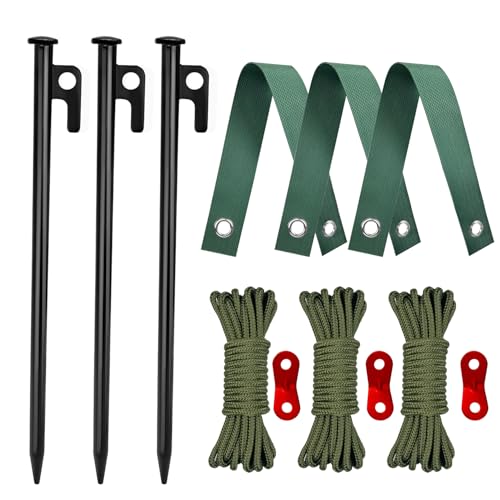
【Value Package】Package comes with 3pcs tree stakes,3pcs tree straps for staking and 3pcs ropes (each 13ft) with 3pcs aluminium tensioners. Complete tree stake kit enable your saplings to grow straight and healthy even in windy conditions

Protect Young Trees from Bad Weather: Tree stake kits are typically used when planting young trees, particularly those with small or shallow root systems, in order to provide support and promote healthy growth. Young trees are more susceptible to wind damage than mature trees, FCENDS tree stake kit can help to support the tree and prevent it from leaning or tipping over in high winds.

Perfect Tree Staking Kit: Our tree stake straight kits set includes 3 PCS tree strap ties for staking, 3 PCS steel tree stakes, and a 31.2 feet length rope for anchoring. Detailed instructions are included in the product packaging. This is a complete kit that you don't need to buy any other related accessories.
Using Stakes for Stability
Using stakes provides necessary stability for damaged trees. Follow these steps to ensure proper support:
- Select Sturdy Stakes: Choose wooden or metal stakes that are at least 6 feet tall.
- Position the Stakes: Place stakes around the damaged area, ideally on the side opposite the damage.
- Secure the Tree: Attach soft materials like old fabric or rubber ties around the trunk. Avoid tight bindings that could restrict growth.
- Check Regularly: Monitor for any signs of growth and adjust stakes or ties as needed.
The stability from stakes helps prevent further injury during recovery.
Ensuring Proper Nutrition and Watering
Proper nutrition and watering play a vital role in the healing process. Here’s how to care for your tree effectively:
- Use Balanced Fertilizer: Apply a balanced fertilizer, like a 10-10-10 formula, to provide essential nutrients. Follow package recommendations for application rates.
- Water Deeply: Water the tree deeply once a week, ensuring moisture reaches the roots. Soil should stay moist but not waterlogged.
- Mulch for Retention: Add a 2 to 4-inch layer of organic mulch around the base to retain moisture and regulate soil temperature.
- Monitor Growth: Observe new growth closely. Healthy shoots indicate effective nutrition and care.
Providing the right nutrients and consistent watering fosters a robust recovery, leading to healthier fruit production in the future.
Preventative Measures for Future Protection
Taking steps to prevent future trunk damage to your fruit trees safeguards their health and productivity. Consider implementing these strategies to enhance your trees’ resilience.
Recommended Products

Comprehensive Protection : Weed removal, hedge trimmers and animals can cause irreversible damage to young trees.Our plastic tree trunk protectors provide complete defense, effectively isolating saplings from potential harm caused by deer, rabbits,cats, squirrels, rodents, and lawn mowers

Comprehensive Protection : Weed removal, hedge trimmers and animals can cause irreversible damage to young trees.Our plastic tree trunk protectors provide complete defense, effectively isolating saplings from potential harm caused by deer, rabbits,cats, squirrels, rodents, and lawn mowers

Durable Material: The tree protectors are made of high quality plastic material, which is durable,waterproof, lightweight andcan withstand various weather conditions such as sun, rain, and wind, can be used for a long time
Regular Maintenance Practices
- Monitor Tree Health: Check your fruit trees regularly for signs of stress, including cracks, pests, or diseases. Early detection aids recovery.
- Prune Correctly: Use sharp, sterilized tools for pruning. Trim branches at the right angle and avoid cutting too close to the trunk. Proper pruning minimizes stress and promotes healthy growth.
- Fertilize Wisely: Apply balanced fertilizers in spring and fall. Ensuring nutrient availability strengthens overall health, making trees less susceptible to damage.
- Water Adequately: Implement deep watering techniques, providing moisture directly to the root zone. Avoid shallow watering, which can lead to weak root systems.
- Use Tree Guards: Install tree guards around the trunks to shield them from physical damage caused by lawn equipment or animal activity. Choose guards made from mesh or durable plastic that allow air circulation.
- Wrap with Burlap: For young trees, wrapping trunks with burlap provides an additional layer of protection during winter. This prevents cold injury and bark cracking due to temperature fluctuations.
- Create Fencing: Erect fencing around your orchard or garden area. This limits animal access and protects vulnerable trunks from chewing or rubbing.
- Apply Mulch: Spread mulch around the base but keep it several inches away from the trunk. Mulch retains moisture, regulates soil temperature, and reduces competition from weeds.
Implementing these preventative measures significantly enhances your fruit trees’ ability to withstand stress and damage. By maintaining vigilance and using effective barriers, you promote long-term health and fruit production.
Conclusion
Repairing a damaged fruit tree trunk might seem daunting but with the right approach you can nurture your tree back to health. By assessing the damage and taking timely action you’re setting your tree up for a successful recovery.
Remember to keep an eye on the wound and provide proper care through nutrition and watering. Supporting your tree during this vulnerable time is crucial too.
With a little patience and attention your fruit tree can thrive again. Soon enough you’ll be enjoying the fruits of your labor and watching your tree flourish for years to come.
Frequently Asked Questions
What causes cracks or wounds on fruit trees?
Cracks or wounds on fruit trees can be caused by physical injuries from tools, animals, or environmental stress like severe weather. Pests and diseases, along with improper pruning techniques, can also contribute to trunk damage. Recognizing these causes is essential for timely intervention.
How can I identify damage on my fruit tree?
Look for visible signs such as cracks, peeling bark, discolored areas, sap it exudes, and unusual growth patterns. These symptoms indicate potential injury and should prompt immediate evaluation and care for the tree’s health.
What should I do first if I find a damaged trunk?
Start by assessing the extent of the damage. Clean the wound by removing loose bark and debris with a sterilized tool. This helps reduce the risk of infection and prepares the area for treatment.
How can I promote healing in my damaged fruit tree?
Apply a suitable wound dressing—either a commercial product or a homemade mixture of beeswax and pine resin—to protect the wound. Monitor the area regularly for signs of recovery and adjust care as necessary.
Is it necessary to support a damaged fruit tree?
Yes, supporting a damaged fruit tree is important. Use sturdy stakes to stabilize the tree during recovery. Secure it with soft materials, and regularly check for growth to ensure it remains supported.
What is the best way to care for my fruit tree during recovery?
Provide proper nutrition and watering. Use balanced fertilizers, deep watering practices, and mulch to retain moisture. These actions help to nurture the tree and promote a robust recovery, leading to healthier fruit production.
How can I prevent future trunk damage on my fruit trees?
Implement regular maintenance practices such as monitoring tree health, using correct pruning techniques, and applying tree guards for protection. Additionally, wrapping young trees in burlap for winter and creating fencing can help prevent damage.
