
Close Menu
    Fruit Tree Hub
    • Home
    • Apple Trees
    • Lemon Trees
    • Mango Trees
    • Orange Trees
    • More Trees
      • Best Fruit Trees
      • Apricot Trees
      • Cherry Trees
      • Fig Trees
      • Lime Trees
      • Mulberry Trees
      • Peach Trees
      • Pear Trees
      • Plum Trees
      • Pomegranate Trees
    • Tips and Advice
      • Tools
    • About Us
      • Contact
      • Privacy Policy
    Fruit Tree Hub
    Home»Climbing Fruit»Blackberry»Growing Blackberries from Store Bought: A Complete Guide for Home Gardeners
    Blackberry

    Growing Blackberries from Store Bought: A Complete Guide for Home Gardeners

    Lucy SmithBy Lucy SmithAugust 22, 20247 Mins Read
    Share Facebook Twitter Pinterest WhatsApp Email
    Share
    Facebook Twitter LinkedIn Pinterest Telegram Email

    Have you ever wondered if those store-bought blackberries could turn into a fruitful harvest in your own backyard? Picture this: you’re at the grocery store, eyeing those plump, juicy blackberries, and a thought crosses your mind – can I actually grow these at home? Well, the good news is that you might just be able to do so!

    Contents show
    1 Key Takeaways
    2 Understanding Blackberry Propagation
    2.1 Types of Blackberry Plants
    2.2 Propagation Methods
    3 Assessing Store-Bought Blackberries
    3.1 Ripeness and Quality Factors
    3.2 Challenges with Store-Bought Blackberries
    4 Step-by-Step Guide to Growing Blackberries from Store Bought
    4.1 Choosing the Right Blackberries
    4.2 Preparing for Planting
    4.3 Suitable Conditions for Propagation
    5 Long-Term Care and Maintenance
    5.1 Watering and Feeding
    5.2 Pruning and Harvesting
    6 Conclusion
    7 Frequently Asked Questions
    7.1 Can I grow store-bought blackberries in my backyard?
    7.2 What are some key steps for successful blackberry propagation?
    7.3 How important is long-term care for blackberry plants?
    7.4 Why is proper watering essential for blackberry plants?
    7.5 How does pruning benefit blackberry plants?

    Key Takeaways

    • Understand the types of blackberry plants, including erect and trailing varieties, to choose the best option for your space and preferences.
    • Learn about propagation methods such as tip layering, root cuttings, and division to successfully grow blackberries from store-bought ones.
    • Assess the ripeness, quality, and potential challenges of store-bought blackberries before using them for propagation.
    • Follow a step-by-step guide for choosing the right blackberries, preparing for planting, creating suitable growing conditions, and providing long-term care to grow healthy blackberry plants.

    Understanding Blackberry Propagation

    When it comes to blackberries, understanding how to propagate them is key if you’re considering growing your own. Here’s a breakdown of the types of blackberry plants and propagation methods to help you get started:

    Types of Blackberry Plants

    Blackberries come in various types, each with its unique characteristics and growth habits. The two primary categories are:

    1. Erect Blackberries: These blackberries have sturdy canes that grow upright without support.
    2. Trailing Blackberries: Trailing varieties have long canes that require support or trellising.
    MUST READ
    How to Separate Seeds from Blackberries: Techniques for Enjoying Seedless Juiciness

    Each type offers distinct advantages depending on your space and gardening preferences. Consider the growth habit that best suits your needs when selecting blackberry plants for propagation.

    Propagation Methods

    There are several methods you can use to propagate blackberries successfully:

    1. Tip Layering: In this method, select a healthy blackberry cane, bend it down to the ground, and cover a portion of it with soil. Once roots form at the buried node, you can separate it from the parent plant.
    2. Root Cuttings: Take root cuttings from established blackberry plants during dormancy. Plant these cuttings in a suitable growing medium until they develop into new plants.
    3. Division: Divide mature blackberry crowns by carefully separating them into smaller sections with roots attached before replanting them.

    Assessing Store-Bought Blackberries

    When considering growing blackberries from store-bought ones, it’s essential to assess the quality and ripeness of the berries you intend to use. Here are some key factors to keep in mind:

    Recommended Products

    200+ Seed BlackBerry Wild Fruit Seeds for Planting Outdoor-Non-GMO Heirloom Sweet Rare Blackberries Fruit Plant in Your Home Garden
    200+ Seed BlackBerry Wild Fruit Seeds for Planting Outdoor-Non-GMO Heirloom Sweet Rare Blackberries Fruit Plant in Your Home Garden

    The blackberry is one of the most widely grown in the world, perhaps because it's also one of the easiest berries to grow. It produces a bountiful crop in summer.

    VIEW LATEST PRICE

    As an affiliate, we earn on qualifying purchases.

    The Fruit Gardener's Bible: A Complete Guide to Growing Fruits and Nuts in the Home Garden
    The Fruit Gardener's Bible: A Complete Guide to Growing Fruits and Nuts in the Home Garden
    VIEW LATEST PRICE

    As an affiliate, we earn on qualifying purchases.

    200+ BlackBerry Seeds for Planting - Non-GMO Seeds - Organic BlackBerry Seeds to Plant for Garden Outdoor - Sweet,Healthy Fruit
    200+ BlackBerry Seeds for Planting - Non-GMO Seeds - Organic BlackBerry Seeds to Plant for Garden Outdoor - Sweet,Healthy Fruit

    【Nutritious】Blackberries are delicious and nutritious fruits. Blackberries are rich in vitamins and minerals, including calcium, iron, zinc, and more. Blackberries are also a good source of amino acids and essential dietary fiber.

    MUST READ
    How Much Sun Do Blackberries Need: Optimal Conditions for Thriving Bushes
    VIEW LATEST PRICE

    As an affiliate, we earn on qualifying purchases.

    Ripeness and Quality Factors

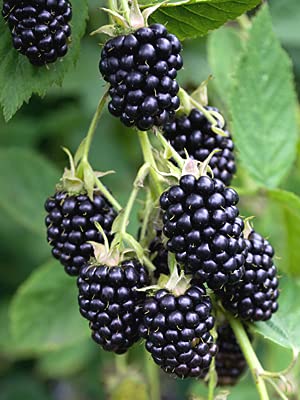
    1. Firmness: Opt for blackberries that are firm to the touch without being overly soft or mushy.
    2. Color: Look for berries that have a deep, rich color, indicating they are ripe and flavorful.
    3. Shine: Choose blackberries that have a glossy sheen, a sign of freshness.
    4. Size: Select berries that are plump and uniform in size for even growth potential.

    By assessing these factors, you can ensure that the store-bought blackberries you choose are ideal for propagation.

    Challenges with Store-Bought Blackberries

    While store-bought blackberries can be a convenient starting point for growing your own plants, there are some challenges to be aware of:

    1. Variety Suitability: Not all store-bought blackberry varieties may thrive in your local climate or soil conditions.
    2. Chemical Treatments: Some commercially grown blackberries may have been treated with chemicals or pesticides, which could impact their ability to grow successfully at home.
    3. Genetic Variation: Store-bought berries may not produce offspring with identical characteristics, leading to variations in taste or growth habits.

    Being mindful of these challenges can help you navigate potential issues when attempting to grow blackberries from store-bought fruit.

    Step-by-Step Guide to Growing Blackberries from Store Bought

    To successfully grow blackberries from store-bought ones, follow these steps:

    Recommended Products
    Root Drops - Liquid Rooting Hormone for Cuttings | Fast Propagation Drops, Stronger Roots, Less Shock | Works in Water, Soil, Leca, Moss| For all Indoor Houseplants like Pothos, Monstera, Philodendron
    Root Drops - Liquid Rooting Hormone for Cuttings | Fast Propagation Drops, Stronger Roots, Less Shock | Works in Water, Soil, Leca, Moss| For all Indoor Houseplants like Pothos, Monstera, Philodendron

    THE ULTIMATE ROOTING BOOSTER: Specially formulated with all-natural rooting hormone and vitamins, our propagation drops dramatically speed up root development and strengthen plants at every stage, from delicate cuttings to mature houseplants.

    VIEW LATEST PRICE

    As an affiliate, we earn on qualifying purchases.

    BlackBerry Plants, 'Caddo' BlackBerry Plants - Consistently High Yields! Thornless and Upright Growing Blackberries from Hand Picked Nursery (1)
    BlackBerry Plants, 'Caddo' BlackBerry Plants - Consistently High Yields! Thornless and Upright Growing Blackberries from Hand Picked Nursery (1)

    Caddo blackberry plants are known to produce consistently high yields of flavorful high quality blackberries!

    MUST READ
    Ultimate Guide to Growing Blackberries in Florida: Tips for Success
    VIEW LATEST PRICE

    As an affiliate, we earn on qualifying purchases.

    PAMAZY [Upgraded] 9Pcs Tree Root Growing Box with Drain Holes, Half Transparent Plant Rooting Propagation Ball & Metal Core Twist Ties, for Fast Propagation Plants (Size M)
    PAMAZY [Upgraded] 9Pcs Tree Root Growing Box with Drain Holes, Half Transparent Plant Rooting Propagation Ball & Metal Core Twist Ties, for Fast Propagation Plants (Size M)

    [Air layering technique] Marcotting is a method of asexual propagation of plants. Applying the air layering technique, this rooting box promotes faster initial rooting and produces shoots with a 2x growth rate. It also helps to absorb more nutrients while keeping the branches in place, increasing the plant's survival rate.

    VIEW LATEST PRICE

    As an affiliate, we earn on qualifying purchases.

    Choosing the Right Blackberries

    When selecting blackberries for propagation, opt for firm, plump fruits with a deep color and a glossy appearance. These qualities indicate ripeness and good genetic potential for growth. Avoid berries that are overly soft or discolored as they may not yield successful plants.

    Preparing for Planting

    Before planting store-bought blackberries, ensure you have suitable soil that is well-draining and rich in organic matter. Prepare the planting site by removing any weeds and loosening the soil to facilitate root growth. Consider adding compost or fertilizer to provide essential nutrients for the developing plants.

    Suitable Conditions for Propagation

    Blackberries thrive in full sun, so choose a location in your backyard that receives at least 6-8 hours of sunlight per day. Ensure proper spacing between plants to allow air circulation and minimize disease risks. Water newly planted blackberries regularly but avoid overwatering to prevent root rot.

    By following these steps and providing the right conditions, you can successfully propagate blackberry plants from store-bought berries in your own garden.

    Long-Term Care and Maintenance

    To ensure the healthy growth of your store-bought blackberry plants, proper long-term care and maintenance are essential. Below are some key aspects to focus on:

    MUST READ
    Grow Blackberries from Seed Indoors: Tips for Year-Round Harvests

    Recommended Products

    BlackBerry Fertilizer – Liquid Plant Food for Bigger Berries, Better Flowering & Stronger Cane Growth, 8 oz
    BlackBerry Fertilizer – Liquid Plant Food for Bigger Berries, Better Flowering & Stronger Cane Growth, 8 oz

    Made for Blackberry Plants – Specially formulated blackberry fertilizer designed to support the nutrient needs of blackberry bushes.

    VIEW LATEST PRICE

    As an affiliate, we earn on qualifying purchases.

    BlackBerry Plants Natchez Price Includes Four (4) Plants
    BlackBerry Plants Natchez Price Includes Four (4) Plants

    Includes four (4) "Natchez" Blackberry Plants with USPS Shipping. These are 2 inch rooted plants shipped in 2 inch tray pots and are 3-6 inches tall.

    VIEW LATEST PRICE

    As an affiliate, we earn on qualifying purchases.

    Perfect Plants PrimeArk Freedom BlackBerry Bush 1 Gallon | Live Thornless Fruit for Outdoor Planting | Large Fruits for Home Gardens | Dark Purple Berries Emerge During Early Summer
    Perfect Plants PrimeArk Freedom BlackBerry Bush 1 Gallon | Live Thornless Fruit for Outdoor Planting | Large Fruits for Home Gardens | Dark Purple Berries Emerge During Early Summer

    PRODUCE A BUSHEL OF BLACKBERRIES — Produce Big Fresh Berry in the First Year of Planting (One of the Largest Blackberry size Varieties)

    VIEW LATEST PRICE

    As an affiliate, we earn on qualifying purchases.

    Watering and Feeding

    When it comes to watering your blackberries, it’s crucial to maintain consistent moisture levels in the soil. During the growing season, aim to provide around 1 inch of water per week, either through rainfall or manual watering. Be mindful not to overwater as this can lead to root rot.

    Feeding your blackberry plants with a balanced fertilizer is also important for their overall health and productivity. Consider using a fertilizer specifically formulated for berry plants and follow the instructions on the packaging for optimal results. Apply the fertilizer in early spring before new growth begins.

    Pruning and Harvesting

    Pruning plays a significant role in maintaining the vigor of your blackberry bushes and promoting fruit production. In late winter or early spring, remove dead or damaged canes, as well as any weak or spindly growth. This process helps improve air circulation within the plant, reducing disease risks.

    MUST READ
    When Do Blackberries Grow Best: A Guide to Optimal Conditions and Cultivation Tips

    Harvesting your ripe blackberries regularly is not only rewarding but also encourages more fruit production. Pick ripe berries every few days once they have reached their full color and easily detach from the plant with a gentle tug. Be careful not to crush the delicate fruits during harvesting.

    By following these tips on watering, feeding, pruning, and harvesting your store-bought blackberries, you can enjoy a bountiful harvest of delicious fruits from your own backyard garden.

    Conclusion

    Growing blackberries from store-bought can be a rewarding experience that allows you to enjoy fresh, homegrown fruit right in your backyard. By following the steps outlined in this article, you can successfully propagate and care for your blackberry plants, ensuring a bountiful harvest season after season. Remember to provide proper watering, feeding, pruning, and harvesting practices to promote healthy plant growth and maximize fruit production. With dedication and attention to detail, you can create a thriving blackberry garden that will delight both your taste buds and your gardening spirit. Happy growing!

    Frequently Asked Questions

    Can I grow store-bought blackberries in my backyard?

    Yes, you can grow store-bought blackberries in your backyard using the right propagation methods and care.

    What are some key steps for successful blackberry propagation?

    Key steps include selecting healthy canes, preparing the soil with compost, planting at the correct depth, and providing adequate sunlight and water.

    How important is long-term care for blackberry plants?

    Long-term care is crucial for blackberry plants to thrive, including regular watering, feeding with balanced fertilizer, proper pruning, and timely harvesting.

    Why is proper watering essential for blackberry plants?

    Proper watering ensures that blackberry plants receive adequate moisture for growth and fruit production without becoming waterlogged.

    How does pruning benefit blackberry plants?

    Pruning helps maintain plant health, improve air circulation, increase sunlight exposure to fruiting branches, and manage plant size for easier maintenance.

    Share. Facebook Twitter Pinterest LinkedIn Tumblr Email
    lucy smith
    Lucy Smith
    • Website

    Lucy Smith is a highly experienced horticulturist with a passion for fruit tree cultivation. She holds a degree in Horticulture from the University of California, Davis, and has worked in various roles in the industry. With over 10 years of experience, Lucy is dedicated to using eco-friendly methods for sustainable gardening practices.

    Related Posts

    Growing Blackberries in a Pot: Tips for Success and Bountiful Harvests

    August 23, 2024

    How to Grow Blackberries in North Texas: Tips for a Bountiful Harvest

    August 23, 2024

    Growing Blackberries in Containers: Tips for Success and Space-Saving Solutions

    August 23, 2024

    Growing Blackberries in Partial Shade: Tips for Healthy Bushes and Bountiful Harvests

    August 23, 2024

    How to Grow Raspberries and Blackberries: A Complete Guide for Home Cultivation

    August 23, 2024

    Pruning Blackberries in Summer: Tips for Healthy Growth and Bountiful Harvests

    August 23, 2024
    Leave A Reply Cancel Reply

    Affiliate Disclosure

    As an Amazon Associate I earn from qualifying purchases.

    Recommended Reading

    Why Is My Kumquat Tree Not Bearing Fruit and How to Fix Common Problems

    How to Get Other Fruit Trees ACNH: Simple Strategies to Diversify Your Island Fruits

    How Long Do Fruit Trees Take to Bear Fruit: Tips for Faster Harvests and Optimal Care

    What Falls Out of Trees After Eating Fruit: Exploring Nature’s Cycle and Its Ecological Impact

    How to Tell if a Kiwi Plant is Male or Female: Essential Guide for Successful Fruit Production

    Pomegranate Trees in Maryland (Mid-Atlantic Planting Secrets)

    How Much Epsom Salt for Fruit Trees to Boost Growth and Improve Fruit Quality

    Where to Buy Olive Tree Seedlings

    When Do Orange Trees Produce Fruit in Florida: A Guide to Timing and Growing Tips

    Planting Honeydew and Cantaloupe Together: Tips for Successful Growth and Harvest

    Fruit Tree Hub

    Fruit Tree Hub is a website dedicated to providing you everything you need to grow fruit trees successfully at in your own yard.

    Contact us at: [email protected]

    - AFFILIATE DISCLOSURE: As an Amazon Associate I earn from qualifying purchases.

    Latest Posts

    Guava Trees in Richmond, VA (Capital Region Planting)

    Can Orange Trees Grow in Idaho? Cold-Climate Solutions

    Guava Trees in Santa Ana, CA: Coastal Success and Care

    Growing Quince Trees in a Pot in Nebraska: Wind Care Tips

    Growing Papaya Trees in Wyoming: High Elevation Growth Tips

    Growing Tangerine Trees in a Pot in South Carolina (Pro Advice)

    Olive Trees in a Pot in South Dakota (High Plains Potting Tips)

    Mango Trees in Phoenix, AZ: Desert Success and Irrigation Tips

    Categories
    • Almond Trees
    • Apple Trees
    • Apricot Trees
    • Best Fruit Trees
    • Blackberry
    • Cantaloupe
    • Cherry Trees
    • Crochet Ideas
    • Crochet Ideas for Beginners
    • Cucamelon
    • Easy Crochet Ideas
    • Easy Knitting Projects
    • Fig Trees
    • Grapefruit Trees
    • Grapes
    • Guava Trees
    • Honeydew
    • Jujube Trees
    • Kiwi
    • Knitting For Beginners
    • Knitting Ideas
    • Knitting Inspiration
    • Lemon Trees
    • Lime Trees
    • Loquat Trees
    • Mango Trees
    • Mulberry Trees
    • Nectarine Trees
    • Olive Trees
    • Orange Trees
    • Papaya Trees
    • Peach Trees
    • Pear Trees
    • Persimmon Trees
    • Planting
    • Plum Trees
    • Pomegranate Trees
    • Quince Trees
    • Raspberry
    • Reviews
    • Small Crochet Ideas
    • Star Fruit Trees
    • Summer Crochet Ideas
    • Tamarind Trees
    • Tangerine Trees
    • Tips and Advice
    • Tools
    • Uncategorized
    • Walnut Trees
    © 2026 Fruit Tree Hub
    • Home
    • About Us
    • Contact
    • Privacy Policy
    • Terms and Conditions
    • Disclaimer
    • Editorial Policy
    • Affiliate Disclosure

    Type above and press Enter to search. Press Esc to cancel.