

Growing mango trees in pots in Indianapolis requires careful attention to climate and care practices. With the right techniques, urban gardeners can successfully cultivate these tropical plants, even in a temperate zone.
Dwarf Mango Varieties for Container Gardening
Selecting the right mango tree variety is crucial for successful growth in pots. Dwarf varieties are ideal for container gardening as they remain smaller and are easier to manage. Consider varieties like the Palmer or Haden, which adapt well to pot culture.
Palmer: Known for its sweet, juicy fruit and compact growth.
Haden: Offers a rich flavor and vibrant color, suitable for small spaces.
Recommended Products

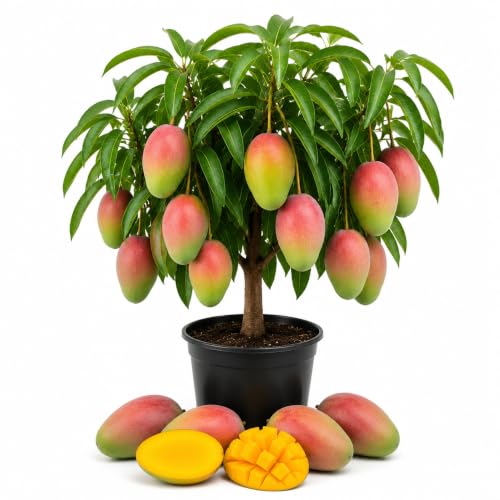
Grafted Mango Tree: Includes 1 live mango tree, grafted and fully rooted in a 3-gallon nursery pot
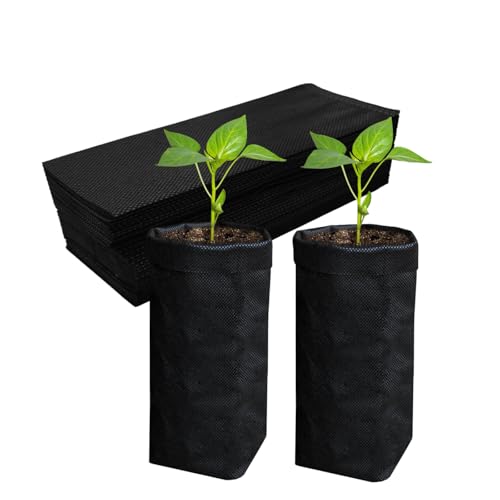
【Planting Bags Material】Made of thick non-woven fabric, sturdy and lightweight, it can be directly planted on the ground and in gardens.
Optimal Pot Dimensions for Mango Trees
When cultivating mango trees in pots, especially in urban settings like Indianapolis, choosing the right pot dimensions is crucial for healthy growth. The size and shape of the container can significantly impact root development and overall tree vitality. Understanding these optimal dimensions will help ensure your mango tree thrives in a limited space.
Choosing the right pot size and material impacts root development and overall health. A pot with a diameter of at least 18 inches is recommended for young trees.
Material Choices:
Terracotta: Provides excellent drainage but can dry out quickly.
Plastic: Lightweight and retains moisture well.
| Pot Material | Drainage | Weight | Moisture Retention |
|---|---|---|---|
| Terracotta | Excellent | Heavy | Low |
| Plastic | Good | Light | High |
Optimal Soil Mix for Potted Mango Trees
Creating the right soil mix is crucial for the health and productivity of potted mango trees, especially in urban environments like Indianapolis. The unique climate and conditions of the area require careful consideration of soil components to ensure proper drainage, aeration, and nutrient availability. This section outlines the optimal soil mix to support thriving mango trees in pots.
Mango trees thrive in well-draining soil rich in organic matter. A mix of potting soil, sand, and perlite can provide the right drainage and aeration.
Soil Mix Recipe:
50% potting soil
30% sand
20% perlite
Recommended Products

INDOOR GROWING: Growing indoors is easy under the right conditions; Miracle-Gro Houseplant Potting Mix is an indoor plant potting soil that combines key elements container plants need to thrive

STARTING A TROPICAL GARDEN- Comprised of real horticultural grade ingredients such as shredded coir husk, pine bark, perlite, sand, and garden lime; no pelletized fertilizer

🌳 Mango Majesty Unveiled: Elevate your Mango Tree care with Gardenera's meticulously crafted Mango Tree Potting Mix, designed to nurture the growth and bounty of your mangoes.
Container Watering Strategies for Mango Trees
Proper watering is crucial for the health of mango trees grown in containers, especially in urban environments like Indianapolis. This section outlines effective strategies tailored to ensure these tropical trees receive the right amount of moisture, taking into account local climate conditions and container limitations. Understanding these methods will help urban gardeners cultivate thriving mango trees in their pots.
Proper watering is essential for mango trees in pots. Overwatering can lead to root rot, while underwatering can stress the plant.
Watering Guidelines:
Check soil moisture regularly.
Water when the top inch of soil feels dry.
Ensure pots have drainage holes to prevent standing water.
Fertilization Timing for Potted Mango Trees
Understanding the optimal fertilization timing for potted mango trees is crucial for successful urban cultivation in Indianapolis. This section outlines the best practices for feeding these tropical plants, ensuring they receive the nutrients necessary for healthy growth and fruit production in a challenging climate. Proper fertilization can significantly enhance the vitality and yield of your potted mango trees.
Regular fertilization supports healthy growth and fruit production. Use a balanced fertilizer formulated for fruit trees.
Fertilization Tips:
Apply fertilizer every 6-8 weeks during the growing season.
Use a slow-release formula to provide nutrients over time.
Adjust feeding based on the tree’s growth stage.
Recommended Products

CONTINUOUS RELEASE NUTRITION: Osmocote Smart-Release Plant Food Plus Outdoor & Indoor1 granular fertilizer contains 11 essential nutrients and feeds live plants up to 6 full months

🍋 EXPLOSIVE HARVEST: GardenWise ignites a remarkable yield boost. Its scientific blend, featuring 6% nitrogen for growth, 4% phosphorus for flowering, and 6% potassium for fruit quality, culminates in an abundance of flavorful, aromatic fruits. This is more than growth; it's a nutrient-powered revolution in your citrus yield.

Package contains 30 fertilizer spikes for palm trees, plants, and ferns and is produced to avoid wasteful runoff, mess, hazards and smells
Mango Tree Pest Control Techniques
Maintaining the health of mango trees in pots requires vigilance, particularly when it comes to pest management. In an urban setting like Indianapolis, understanding effective pest control techniques is essential for ensuring robust growth and fruit production. This section explores practical strategies tailored for local conditions to help you protect your mango trees from common threats.
Pests and diseases can threaten mango trees, especially in urban settings. Regular monitoring and preventive measures are key.
Common Pests:
Aphids: Use insecticidal soap to control infestations.
Scale: Remove by hand or treat with horticultural oil.
| Pest | Symptoms | Control Method |
|---|---|---|
| Aphids | Curling leaves | Insecticidal soap |
| Scale | Sticky residue | Horticultural oil |
Mango Tree Seasonal Care in Indianapolis
Caring for mango trees in pots during the changing seasons in Indianapolis requires attention to specific needs that vary throughout the year. Understanding these seasonal adjustments is crucial for ensuring healthy growth and fruit production. This section outlines essential care practices tailored to the unique climate challenges faced by urban gardeners in the region.
Managing mango trees throughout the seasons ensures their health and productivity. In winter, protect them from frost by moving pots indoors or using frost cloths.
Winter Care:
Keep temperatures above 50°F.
Reduce watering frequency during dormancy.
Optimal Mango Harvesting Indicators
Understanding the optimal indicators for harvesting mangoes is crucial for urban gardeners in Indianapolis. This section explores the key signs that indicate when your potted mango trees are ready for harvest, ensuring you can enjoy the best flavor and quality from your homegrown fruit. By recognizing these indicators, you can maximize your yield and enhance your gardening success.
Harvesting mangoes at the right time ensures the best flavor. Look for color changes and a sweet aroma to determine ripeness.
Harvesting Steps:
Use pruning shears to cut fruit from the tree.
Handle fruit gently to avoid bruising.
Store in a cool, dry place to ripen further.
Urban Mango Care Strategies for Indianapolis
Growing mango trees in pots can be a rewarding endeavor for urban gardeners in Indianapolis. This section outlines effective care strategies tailored to the unique climate and conditions of the city, ensuring that your potted mango trees thrive despite the challenges of urban living. Discover practical tips to nurture these tropical plants in a temperate environment.
Growing mango trees in pots in Indianapolis requires commitment and careful management. Monitor environmental conditions and adjust care practices as needed.
- Critical Warning: Protect mango trees from extreme cold to ensure survival.
