

Ever wondered why your columnar fruit trees aren’t producing as much fruit as you’d hoped? You’re not alone. Many gardeners face the challenge of keeping these unique trees healthy and productive. With their compact shape, columnar trees can be a bit tricky to prune, but the right techniques can make all the difference.
Key Takeaways
- Understand Columnar Fruit Trees: These compact, upright trees are ideal for small spaces and produce fruit on spurs along the main stem, maximizing yield in limited areas.
- Timing is Crucial: Prune during late winter to early spring while the tree is dormant, or lightly prune in early summer for better growth and productivity.
- Recognize Pruning Signs: Look for overcrowded branches, weak growth, or reduced fruit production as indicators for when to prune your columnar fruit trees.
- Use the Right Tools: Essential tools include hand pruners, loppers, and a pruning saw, along with safety gear like gloves and goggles to ensure effective and safe pruning.
- Avoid Common Mistakes: Limit pruning to no more than 20% of the canopy to prevent stunted growth and maintain the tree’s natural shape for optimal sunlight exposure and airflow.
Understanding Columnar Fruit Trees
Columnar fruit trees are unique, space-saving trees that grow upright rather than spreading out. You can often find them in small gardens, patios, or urban settings due to their compact size and appealing form.
What Are Columnar Fruit Trees?
Columnar fruit trees are specially bred varieties with a narrow, upright growth habit. Examples include columnar apple and pear trees, which typically reach heights of 6 to 10 feet but only span 2 to 3 feet wide. These trees produce fruit on spurs along the main stem, opting for vertical growth instead of a traditional branching structure. This vertical design allows for efficient space usage while still delivering an abundant harvest.
Benefits of Columnar Varieties
Columnar trees offer several advantages.
- Space-Saving: Ideal for small gardens, they allow you to maximize fruit production without taking up much ground area.
- Ease of Harvesting: The vertical growth makes reaching fruit easier, reducing strain on your back and arms.
- Aesthetic Appeal: Their unique shape adds visual interest to landscapes, making them attractive focal points.
- Versatile Planting: You can plant them close together or in containers, expanding your gardening options.
These benefits make columnar fruit trees an excellent choice for urban gardeners or those with limited space.
When to Prune Columnar Fruit Trees
Timing plays a crucial role in the successful pruning of columnar fruit trees. Pruning at the right time encourages growth and enhances fruit production while minimizing stress to the tree.
Recommended Products

· ULTRA-SHARP SK5 STAINLESS STEEL - Engineered with premium SK5 stainless steel, these heavy duty pruning shears deliver razor-sharp precision and maximum hardness. The rust-resistant blades are designed to stay sharp longer, effortlessly resisting corrosion and sap buildup for smooth, friction-free garden shears performance year after year.

SUPER LIGHTWEIGHT CUT AND HOLD PRUNERS SET: Our Long Reach Pruner weighs 0.79lbs, appropriate length 32 inch is suitable for relaxed cutting. When you deal with twiggy young tree branches, leaves, fruit spur or fence, one hand is enough. There has a minor hand pruner in this set can solve your lower pruning, a bonus garden glove can protect your hand.

DUAL CUTTING POWER: VERSATILE PRUNING COMBO --- With both Pruning Shears and Pruning Snip, this combo delivers unmatched versatility. Whether you're delicately trimming flowers and shrubs, tackling thicker tree branches, or tending to your vegetable and fruit garden, our combo pack excels in all areas. They're also perfect for landscaping projects and maintaining the health and appearance of indoor plants. With this pack, you have a versatile tool that simplifies your gardening tasks.
Ideal Seasons for Pruning
Pruning works best during specific times of the year:
- Late Winter to Early Spring: Prune during dormancy, typically between February and April. This timing supports vigorous growth as the tree breaks dormancy and begins developing new leaves.
- Summer: Consider light pruning in early summer to manage growth and improve air circulation. This method can help redirect energy toward fruit production.
Signs That It’s Time to Prune
Recognizing the right signs can indicate when it’s time to prune your columnar fruit trees:
- Overcrowded Branches: If branches overlap or crowd each other, it’s time to thin out. This promotes better air flow and sunlight exposure.
- Weak or Diseased Growth: Remove dead or diseased branches promptly. This prevents issues from spreading and ensures the tree’s health.
- Reduced Fruit Production: Notice a decline in fruit yield? Pruning can stimulate healthier growth and improve production quality.
Regularly assess your trees for these signs to maintain their health and productivity.
Tools Needed for Pruning
Pruning columnar fruit trees requires specific tools to ensure effective and safe maintenance. Here’s a look at the essential tools and safety equipment you’ll need.
Recommended Products

1:EXTENDABLE REACH FOR LADDER-FREE SAFETY – Acting as both a reliable tree pruner and a fruit picker pole, this tool effortlessly extends from 3.28 to 5.25 FT to reach high branches up to 10 FT from the ground. The innovative rotating and locking head allows for precise angles without unstable ladders or risky stretching, ensuring maximum safety.

Professional Grafting Tool: This gardening grafting tool kit includes 2 in 1 grafting pruning tool and 3 replaceable blades. The 3 replaceable graft cutting blades (Ω-Cut & U-Cut & V-Cut) for cutting fruit branches with diameters from 5 mm to 12 mm. Precise and perfect cutting improves survival rate.

UPGRAFE PROFESSIONAL GARDENING GRAFTING TOOLS: Professional grafting set, including 2 in 1 grafting pruning tools, 3 replaceable blades, a grafting knife, a pruning shears, a screwdriver, a wrench, 3 grafting films, and 45 colorful tag cards
Essential Pruning Tools
- Hand Pruners: Perfect for small branches, hand pruners offer precision in cutting. Look for bypass pruners, as they create clean cuts that promote healing.
- Loppers: For thicker branches up to 2 inches in diameter, loppers provide extra leverage. Choose loppers with long handles for added reach.
- Pruning Saw: A pruning saw is ideal for larger branches that hand pruners or loppers can’t handle. This tool helps you make quick, clean cuts.
- Pole Pruner: A pole pruner extends your reach, making it easy to prune high branches without a ladder. Select models that offer both pruning saws and cutting blades.
- Garden Shears: Use garden shears for trimming leaves and shaping smaller branches. They help maintain the overall aesthetics of your trees.
- Gloves: Durable gardening gloves protect your hands from sharp tools and thorny branches. Ensure they’re breathable to keep your hands comfortable.
- Safety Goggles: Safety goggles prevent debris from entering your eyes during pruning. This is especially important when using saws or cutting larger branches.
- Hat or Helmet: If pruning tall trees, consider wearing a hat or helmet to protect against falling branches. This extra layer of safety can prevent injuries.
- Sturdy Boots: Wear sturdy, closed-toe boots with good traction. They help you maintain stability while working and protect your feet from tools and debris.
Using the right tools and safety equipment enhances your pruning experience, ensuring both effectiveness and safety during the process.
Step-by-Step Pruning Techniques
Pruning columnar fruit trees involves specific techniques to promote healthy growth and fruit production. Follow these steps to achieve optimal results.
Recommended Products

The product can make you cut the fruit tree easily

Multipurpose Bark Removal: This tree bark removal tool is built for bark cutting, fruit tree girdling, branch trimming, and grafting tasks, giving gardeners one ring stripping knife for several routine orchard jobs while helping keep work organized and efficient
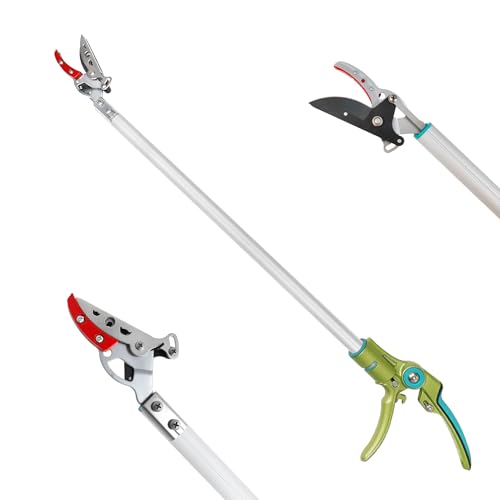
[REACH HIGH & STAY SAFE](No Ladder Required) Say goodbye to wobbly ladders! This 32inch long reach pole pruner offers an extra 30 inches of safe reach, allowing you to prune high branches or tall fruit trees while standing firmly on the ground. It’s the perfect extension tool for maintaining your backyard without the risk of falling.
Initial Cuts and Shaping
- Assess the Tree’s Structure: Look for crowded or crossing branches. Identify areas needing improvement.
- Make the First Cuts: Start with dead or damaged branches. Use clean cuts to avoid disease.
- Shape the Tree: Trim back excessively long branches. Aim for a narrow, upright shape that allows sunlight to reach all parts of the tree.
- Focus on Spacing: Ensure spurs are evenly spaced. Maintain airflow by keeping interior branches to a minimum.
- Evaluate Tree Health Regularly: Look for signs of diseases, such as discolored leaves or unusual growth patterns.
- Trim in Suitable Seasons: Stick to late winter for dormancy pruning and light summer pruning. This timing minimizes stress and encourages fruit development.
- Proper Technique Matters: Use sharp tools for clean cuts. Avoid tearing the bark, which can expose the tree to pests and diseases.
- Monitor Growth After Pruning: Observe how the tree reacts to your cuts. Adjust future pruning based on growth patterns encountered.
These techniques ensure your columnar fruit trees remain healthy and productive, allowing you to maximize your harvest in limited space.
Common Mistakes to Avoid
Pruning columnar fruit trees can boost their health and productivity, but some common mistakes can hinder your efforts. Avoiding these pitfalls ensures better growth and yields.
Over-Pruning Risks
Over-pruning leads to stunted growth and reduced fruit production. When you cut too much foliage, trees lose their ability to photosynthesize efficiently. This weakens the tree and may delay fruiting for several years. Limit yourself to removing no more than 20% of the canopy in one season. Focus on dead, damaged, or overcrowded branches instead of excessive clipping.
Neglecting Tree Shape
Neglecting the natural shape of the tree leads to poor sunlight exposure and airflow. Columnar trees thrive on a central leader and a narrow growth habit. Strive to maintain this shape through selective pruning. Remove any branches growing too wide or crossing over one another. Ensure the tree retains a vertical growth pattern to enhance fruiting surfaces and improve air circulation.
Conclusion
Pruning your columnar fruit trees can make a world of difference in their health and productivity. By following the right techniques and timing you’ll encourage abundant fruit production while keeping your trees looking great. Remember to assess your trees regularly and use sharp tools for clean cuts.
Don’t forget to prioritize safety with the right gear to make your pruning experience enjoyable. With a little care and attention your columnar fruit trees will thrive and reward you with delicious fruit for years to come. Happy pruning!
Frequently Asked Questions
What are columnar fruit trees?
Columnar fruit trees are unique, upright varieties that save space, ideal for small gardens or urban areas. They typically grow between 6 to 10 feet tall and only 2 to 3 feet wide, producing fruit on spurs along the main stem. Common examples include columnar apple and pear trees, known for their efficient fruit production in limited spaces.
Why aren’t my columnar fruit trees producing enough fruit?
Poor fruit production in columnar fruit trees can result from inadequate pruning, improper care, or environmental stress. To enhance yield, ensure you’re practicing correct pruning techniques, assessing tree health, and providing adequate sunlight and nutrients.
When is the best time to prune columnar fruit trees?
The ideal times for pruning columnar fruit trees are late winter to early spring while the tree is dormant and light summer pruning to manage growth. Timing is crucial as it helps promote growth and reduces stress on the trees.
What tools do I need for pruning columnar fruit trees?
Essential tools for pruning columnar fruit trees include hand pruners, loppers, pruning saws, pole pruners, and garden shears. Having suitable tools for different branch sizes ensures effective and healthy pruning.
What safety gear should I wear while pruning?
When pruning columnar fruit trees, safety gear is important for protection. Wear durable gloves, safety goggles, sturdy boots, and consider a hat or helmet to prevent injuries while using cutting tools.
How can I maximize fruit production through pruning?
To maximize fruit production, assess the tree’s structure carefully and remove dead or damaged branches first. Shape the tree for optimal sunlight exposure, maintain proper spacing for spurs, and ensure good airflow by reducing overcrowded branches.
What common mistakes should I avoid when pruning?
Avoid over-pruning, which can harm growth and fruit production; limit canopy removal to 20% in one season. Also, maintain the natural shape of the tree to support adequate sunlight exposure and airflow, preserving the central leader for optimal fruiting.
