
Close Menu
    Fruit Tree Hub
    • Home
    • Apple Trees
    • Lemon Trees
    • Mango Trees
    • Orange Trees
    • More Trees
      • Best Fruit Trees
      • Apricot Trees
      • Cherry Trees
      • Fig Trees
      • Lime Trees
      • Mulberry Trees
      • Peach Trees
      • Pear Trees
      • Plum Trees
      • Pomegranate Trees
    • Tips and Advice
      • Tools
    • About Us
      • Contact
      • Privacy Policy
    Fruit Tree Hub
    Home»Climbing Fruit»Raspberry»How Often Should I Water Raspberries for Optimal Growth and Fruit Production
    Raspberry

    How Often Should I Water Raspberries for Optimal Growth and Fruit Production

    Lucy SmithBy Lucy SmithAugust 29, 20247 Mins Read
    Share Facebook Twitter Pinterest WhatsApp Email
    Share
    Facebook Twitter LinkedIn Pinterest Telegram Email

    Do you find yourself wondering, “How often should I water my raspberries?” Picture this: you’ve just planted your raspberry bushes with high hopes of a bountiful harvest, but now you’re unsure about the right watering routine. Don’t worry; many gardeners face the same dilemma when it comes to caring for their raspberry plants.

    Contents show
    1 Key Takeaways
    2 Understanding Raspberry Water Requirements
    2.1 Factors Influencing Water Needs
    2.2 Signs of Over-Watering and Under-Watering
    3 Optimal Watering Practices for Raspberries
    3.1 Best Time of Day to Water
    3.2 Seasonal Watering Adjustments
    4 Tools and Techniques for Efficient Watering
    4.1 Using Drip Irrigation Systems
    4.2 Benefits of Mulching
    5 Common Mistakes in Watering Raspberries
    6 Conclusion
    7 Frequently Asked Questions
    7.1 What factors influence the watering frequency of raspberry bushes?
    7.2 How can I tell if my raspberry bushes are over-watered or under-watered?
    7.3 What are some optimal watering practices for raspberry bushes?
    7.4 What tools and techniques can help with efficient watering of raspberry bushes?
    7.5 What are common mistakes to avoid when watering raspberry bushes?

    In this article, we’ll guide you through the essential tips on watering raspberries to ensure they thrive and produce juicy fruits. By understanding the proper watering frequency and techniques, you can nurture your raspberry bushes effectively and enjoy a successful growing season. Let’s explore how simple adjustments in your watering schedule can make a significant difference in the health and productivity of your raspberry plants.

    Key Takeaways

    • Understand the factors influencing raspberry water needs, such as weather conditions, soil type, plant growth stage, and planting method.
    • Recognize signs of over-watering (yellowing leaves, wilting) and under-watering (wilting leaves that do not recover) in raspberry bushes for proper adjustments.
    • Follow optimal watering practices like watering in the morning to prevent evaporation loss and adjusting watering frequency based on seasonal changes.
    • Use tools like drip irrigation systems to deliver water directly to roots efficiently and mulching to retain soil moisture and regulate temperature.
    • Avoid common mistakes like neglecting moisture levels, inconsistent watering schedule, watering at the wrong time, overlooking drainage issues, and using sprinklers instead of drip irrigation for healthy raspberry growth.

    Understanding Raspberry Water Requirements

    When it comes to understanding how often you should water raspberries, several factors influence the water needs of your raspberry bushes. Recognizing these factors can help you determine the optimal watering schedule for your plants and ensure their health and productivity.

    MUST READ
    How to Wash Fresh Raspberries for Maximum Freshness and Flavor

    Factors Influencing Water Needs

    To gauge how frequently you should water your raspberry bushes, consider the following key factors:

    • Weather Conditions: Hot and dry weather may require more frequent watering to keep the soil consistently moist for raspberry plants.
    • Soil Type: Well-draining soil allows water to penetrate effectively, while heavy clay soils may retain moisture longer, affecting the watering frequency needed.
    • Plant Growth Stage: Newly planted raspberries or those in fruiting stages may need more water compared to established plants during dormant periods.
    • Container vs. Ground Planting: Raspberries grown in containers may dry out faster than those planted directly in the ground due to limited soil volume.

    Signs of Over-Watering and Under-Watering

    It’s crucial to recognize signs of both over-watering and under-watering in your raspberry bushes to adjust your watering practices accordingly:

    Over-Watering:

    1. Yellowing leaves that are dropping prematurely.
    2. Wilting despite adequate moisture levels.
    3. Fungal diseases like root rot due to excessive moisture.

    Under-Watering:

    1. Wilting leaves that do not recover with watering.
    2. Dry, brittle leaves or leaf edges turning brown.
    3. Stunted growth and reduced fruit production.

    By monitoring these indicators and considering the influencing factors, you can tailor your watering routine to meet the specific needs of your raspberry bushes for optimal growth and harvest yield.

    Optimal Watering Practices for Raspberries

    When it comes to watering your raspberry bushes, following optimal practices is crucial for their health and productivity. Let’s dive into the best strategies to ensure your raspberries thrive.

    Recommended Products

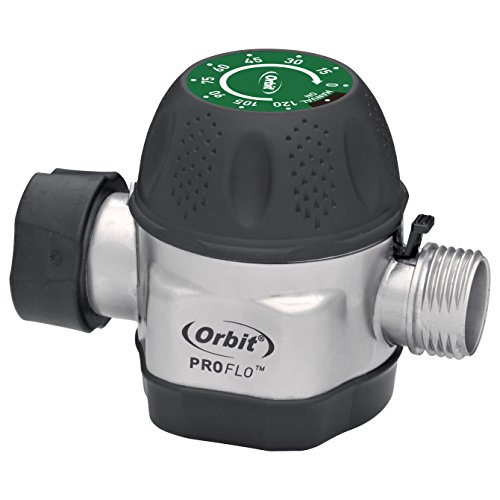
    Orbit Mechanical Water Timer - Adjustable Irrigation Shutoff for Lawn & Garden Watering - Battery-Free Clockwork Hose Faucet Timer with Easy Grip Dial & Manual Bypass - 62034
    Orbit Mechanical Water Timer - Adjustable Irrigation Shutoff for Lawn & Garden Watering - Battery-Free Clockwork Hose Faucet Timer with Easy Grip Dial & Manual Bypass - 62034

    Effortless Watering Automation: The Orbit Mechanical Water Timer helps manage lawn and garden irrigation with a reliable mechanical water timer design and hose faucet timer control
    VIEW LATEST PRICE

    As an affiliate, we earn on qualifying purchases.

    Orbit Programmable Digital Hose Watering Timer - 1 Outlet - Battery Powered - with LCD Screen - Built-in Rain Delay - Water-Resistant - 62061
    Orbit Programmable Digital Hose Watering Timer - 1 Outlet - Battery Powered - with LCD Screen - Built-in Rain Delay - Water-Resistant - 62061

    Smart Automatic Watering Control: The Orbit Programmable Digital Hose Watering Timer transforms a faucet into an automatic watering system using a reliable single outlet hose timer

    MUST READ
    How to Grow Raspberries: Tips for Cultivating Delicious Homegrown Berries
    VIEW LATEST PRICE

    As an affiliate, we earn on qualifying purchases.

    RAINPOINT Water Timer for Garden Hose - 2 Zone Sprinkler Timer with Rain Delay/Manual Watering/Automatic Irrigation for Yard Lawn
    RAINPOINT Water Timer for Garden Hose - 2 Zone Sprinkler Timer with Rain Delay/Manual Watering/Automatic Irrigation for Yard Lawn

    Experience the Revolution - The valves have been fully upgraded, reducing flow resistance by 40%. The screen structure has also been improved, achieving an IP65 waterproof rating. It has passed 20,000-cycle lab testing, making the product more durable.

    VIEW LATEST PRICE

    As an affiliate, we earn on qualifying purchases.

    Best Time of Day to Water

    Watering your raspberries in the morning is ideal as it allows the plants to absorb moisture before the heat of the day. Early watering helps prevent evaporation loss and gives the roots a chance to take up water efficiently. Avoid watering in the evening as wet foliage overnight can lead to fungal diseases.

    Seasonal Watering Adjustments

    Adjust your watering routine based on seasonal changes. During hot summer months, increase watering frequency to keep the soil consistently moist but not waterlogged. In cooler seasons, reduce watering but ensure that the roots don’t dry out completely. Monitor rainfall levels and supplement with irrigation as needed for balanced moisture levels throughout the year.

    By adhering to these optimal watering practices, you’ll support healthy growth and bountiful fruit production in your raspberry bushes. Remember, consistency and observation are key when it comes to providing just the right amount of water for your plants’ needs.

    Tools and Techniques for Efficient Watering

    To ensure efficient watering for your raspberry bushes, consider the following tools and techniques:

    Recommended Products

    MQJIAZHI 246FT Drip Irrigation System with LCD Timer, Automatic Watering System Kits,1/2 Inch Hose 1/4 Inch Distribution Tubing 3 Sprayer Types, for Garden, Greenhouse, Garden, Lawn
    MQJIAZHI 246FT Drip Irrigation System with LCD Timer, Automatic Watering System Kits,1/2 Inch Hose 1/4 Inch Distribution Tubing 3 Sprayer Types, for Garden, Greenhouse, Garden, Lawn

    【Smart Timer Controller】This drip irrigation system with timer delivers fully automatic watering. Customize schedules, duration and frequency to keep your garden healthy—no daily hand-watering needed.

    VIEW LATEST PRICE

    As an affiliate, we earn on qualifying purchases.

    Pin This Now to Remember It Later
    Pin This
    165FT Drip Irrigation System with Timer, Automatic DIY Garden Watering Kit with 1/2" & 1/4" Tubing, Solid Brass Connectors & Adjustable Sprayers for Plants, Garden, Lawn, Greenhouse, Raised Beds
    165FT Drip Irrigation System with Timer, Automatic DIY Garden Watering Kit with 1/2" & 1/4" Tubing, Solid Brass Connectors & Adjustable Sprayers for Plants, Garden, Lawn, Greenhouse, Raised Beds

    ⚠️ IMPORTANT WATER PRESSURE NOTE: > Minimum working pressure: 21.7 PSI (1.5 bar). For optimal performance, 35-45 PSI is recommended. If water only drips from the nozzles, it is due to insufficient water pressure, NOT a product defect. Please check your water source

    MUST READ
    How to Pick Raspberries at the Grocery Store: Expert Tips for Selecting, Handling & Storing
    VIEW LATEST PRICE

    As an affiliate, we earn on qualifying purchases.

    Drip Irrigation System with Water Timer 162ft Drip Irrigation Kit 5/16“ID and 1/4 Inch Pipe Auto Watering System for Garden Adjustable Spray, for Greenhouse, Garden, Lawn, Potted Plants Black
    Drip Irrigation System with Water Timer 162ft Drip Irrigation Kit 5/16“ID and 1/4 Inch Pipe Auto Watering System for Garden Adjustable Spray, for Greenhouse, Garden, Lawn, Potted Plants Black

    🌷With perfect gardening automatic watering system🌷: 1 set of automatic watering system, 32FT 5/16“ID thick hose +1/4" hose 130FT, adjustable water volume gushing sprinkler nozzle 20PCS, plant root drip irrigation sprinkler nozzle 12PCS, 1 set of 3/4" Y-connectors, 32 sets of other connectors.

    VIEW LATEST PRICE

    As an affiliate, we earn on qualifying purchases.

    Using Drip Irrigation Systems

    Opt for drip irrigation systems as they deliver water directly to the plant’s roots, reducing evaporation and water wastage. These systems provide a slow, steady supply of moisture, promoting deep root growth and preventing surface runoff. By installing a timer on your drip system, you can automate watering schedules based on the specific needs of your raspberries.

    Benefits of Mulching

    Mulching around raspberry plants helps retain soil moisture by reducing evaporation and suppressing weed growth. Organic mulches like straw or wood chips also enrich the soil as they decompose, enhancing its ability to hold water. Additionally, mulch acts as an insulator, regulating soil temperature and protecting roots from extreme heat or cold. Remember to replenish mulch regularly to maintain its effectiveness in conserving moisture.

    By incorporating drip irrigation systems and mulching into your watering routine, you can efficiently meet the water requirements of your raspberry bushes while promoting healthy growth and bountiful fruit production.

    Common Mistakes in Watering Raspberries

    When it comes to watering raspberries, there are some common mistakes that you should be aware of to ensure the health and vitality of your raspberry bushes. Avoiding these pitfalls will help you maintain optimal growth and fruit production. Here are some key mistakes to watch out for:

    • Neglecting Moisture Levels: Ignoring the moisture needs of your raspberry bushes can lead to either over-watering or under-watering. It’s essential to regularly check the soil moisture levels to determine when watering is necessary.
    • Inconsistent Watering Schedule: Failing to establish a consistent watering schedule can result in stress for the raspberry bushes. Fluctuating between periods of drought and excessive watering can impact plant health and fruit quality.
    • Watering at the Wrong Time: Watering raspberries during the hottest part of the day can lead to water loss through evaporation, reducing the effectiveness of irrigation. It’s best to water early in the morning to ensure optimal absorption by the roots.
    • Overlooking Drainage Issues: Poor drainage around raspberry plants can cause waterlogging, leading to root rot and other diseases. Ensure proper drainage in your garden beds or containers to prevent water accumulation.
    • Using Sprinklers Instead of Drip Irrigation: Sprinklers may not deliver water efficiently to the roots of raspberry bushes, leading to wastage through evaporation. Consider using drip irrigation systems for targeted and effective watering.
    MUST READ
    Why Are My Raspberries Dying? Tips to Revive and Protect Your Plants

    By avoiding these common mistakes and following proper watering practices, you can promote healthy growth and abundant fruit production in your raspberry bushes. Remember to adjust your watering routine based on weather conditions, soil type, and plant requirements for optimal results.

    Recommended Products

    GROWIT Plant Moisture Meter - Accurately Tells You When to Water Your Plants - 26cm, No Battery Needed
    GROWIT Plant Moisture Meter - Accurately Tells You When to Water Your Plants - 26cm, No Battery Needed

    STOP OVERWATERING - Our soil moisture meter prevents overwatering or under-watering. Your plants will thank you! Total length of this meter 26 cm (10.24 inch) and probe 7 inch (17.8 cm).

    VIEW LATEST PRICE

    As an affiliate, we earn on qualifying purchases.

    XLUX Long Probe Deep Use Soil Moisture Meter, Water Monitor Indicator Sensor, Hygrometer for Outdoor Indoor Large Pot Plants, Flower, Gardening, Farming
    XLUX Long Probe Deep Use Soil Moisture Meter, Water Monitor Indicator Sensor, Hygrometer for Outdoor Indoor Large Pot Plants, Flower, Gardening, Farming

    Accurate Soil Moisture Detection: The XLUX Soil Moisture Meter can tell you if the soil deep inside your pot or garden is dry, moist or wet; whereas your eyes and fingers can only determine the moisture level of the soil surface. The probe is 5.5 inches (14 cm) longer than regular styles, allowing it to measure the soil moisture at the bottom of larger and deeper flower pots.

    VIEW LATEST PRICE

    As an affiliate, we earn on qualifying purchases.

    Censinda Soil Moisture Meter, Soil Moisture Monitor for House Plants, Soil Hygrometer Moisture Sensor for Indoor & Outdoor, Garden, Farm, Lawn Plant Care, No Battery Needed(White)
    Censinda Soil Moisture Meter, Soil Moisture Monitor for House Plants, Soil Hygrometer Moisture Sensor for Indoor & Outdoor, Garden, Farm, Lawn Plant Care, No Battery Needed(White)

    【SAVE YOUR PLANTS】: Over watering can cause problems with your plants or even kill them. This soil moisture meter helps you know the soil is dry, moist or wet.No more over watering!

    MUST READ
    Discover Where Black Raspberries Grow Best in the United States
    VIEW LATEST PRICE

    As an affiliate, we earn on qualifying purchases.

    Conclusion

    Understanding the watering needs of your raspberry bushes is key to their health and productivity. By considering factors such as weather, soil type, growth stage, and planting method, you can establish a suitable watering schedule. Adjusting your watering practices based on signs of over-watering or under-watering is crucial for optimal growth. Remember to water in the morning, adapt for different seasons, and monitor moisture levels regularly. Utilizing tools like drip irrigation systems and mulching can help you efficiently water your raspberries. Avoid common mistakes like inconsistent schedules or using sprinklers instead of drip irrigation to ensure healthy bush development. With proper care and attention to watering requirements, you’ll be on track for vibrant raspberry bushes with bountiful fruit yields.

    Frequently Asked Questions

    What factors influence the watering frequency of raspberry bushes?

    Weather conditions, soil type, growth stage, and planting method impact the frequency of watering raspberry bushes.

    How can I tell if my raspberry bushes are over-watered or under-watered?

    Signs of over-watering include yellow leaves, wilting, and root rot. Signs of under-watering include dry soil, drooping leaves, and stunted growth.

    What are some optimal watering practices for raspberry bushes?

    Water in the morning to reduce evaporation. Adjust watering based on seasons. Monitor moisture levels regularly for consistency.

    What tools and techniques can help with efficient watering of raspberry bushes?

    Drip irrigation systems provide controlled water delivery. Mulching helps retain moisture in the soil and prevents evaporation.

    What are common mistakes to avoid when watering raspberry bushes?

    Neglecting moisture levels, inconsistent schedules, wrong timing, poor drainage, and using sprinklers instead of drip irrigation are common mistakes to avoid.

    Share. Facebook Twitter Pinterest LinkedIn Tumblr Email
    lucy smith
    Lucy Smith
    • Website

    Lucy Smith is a highly experienced horticulturist with a passion for fruit tree cultivation. She holds a degree in Horticulture from the University of California, Davis, and has worked in various roles in the industry. With over 10 years of experience, Lucy is dedicated to using eco-friendly methods for sustainable gardening practices.

    Related Posts

    Discovering Raspberry Growth Maps: Unveiling Ideal Cultivation Regions Worldwide

    September 7, 2024

    Companion Planting Blackberries and Raspberries: Tips for Successful Growth

    September 7, 2024

    When to Transplant Black Raspberries for Healthy Growth and Fruit Production

    September 7, 2024

    How to Grow Raspberries in Ohio: A Complete Guide for Successful Harvests

    September 7, 2024

    What Type of Soil Do Raspberries Need? Tips for Healthy Growth and Bountiful Harvests

    September 7, 2024

    Companion Planting Strawberries, Blueberries, and Raspberries: Tips for a Thriving Berry Garden

    September 7, 2024
    Leave A Reply Cancel Reply

    Affiliate Disclosure

    As an Amazon Associate I earn from qualifying purchases.

    Recommended Reading

    Raspberries vs. Blackberries: Differences, Growing Tips, and Plant Myth Busted

    How Long Before Banana Tree Bears Fruit: Factors That Influence Growth and Ripening Time

    Companion Planting: Growing Strawberries and Raspberries Together Guide

    How to Control Pests on Walnut Trees

    When Can I Prune My Fruit Trees for Optimal Growth and Healthy Harvests

    Are Coffee Grounds Good for Fruit Trees? Discover the Benefits and Best Practices

    Can Nectarine Trees Grow in Pennsylvania? Keystone State Tips

    How to Cover Fruit Trees from Frost: Effective Strategies to Protect Your Harvest

    22 Chic Sweater Knitting Patterns For Cozy Styling

    Do Fig Trees Produce Fruit Year Round: Insights on Fig Tree Fruiting Cycles and Care Tips

    Fruit Tree Hub

    Fruit Tree Hub is a website dedicated to providing you everything you need to grow fruit trees successfully at in your own yard.

    Contact us at: [email protected]

    - AFFILIATE DISCLOSURE: As an Amazon Associate I earn from qualifying purchases.

    Latest Posts

    Mango Trees in a Pot in Dallas, TX: Surviving the Summer Heat

    Lime Trees in Wyoming? (High-Altitude Growth Secrets)

    Nectarine Trees in a Pot in Vermont (Cold-Hardy Success Tips)

    Nectarine Trees in a Pot in Phoenix, AZ: Desert Heat Protection

    Growing Mulberry Trees in Nevada: Desert Irrigation and Care

    Plum Trees in Oregon (Pacific Northwest Planting Success)

    How to Grow Fig Trees in North Carolina: Regional Secrets

    Star Fruit Trees in a Pot in Montana (Indoor Success Strategies)

    Categories
    • Almond Trees
    • Apple Trees
    • Apricot Trees
    • Best Fruit Trees
    • Blackberry
    • Cantaloupe
    • Cherry Trees
    • Cucamelon
    • Easy Knitting Projects
    • Fig Trees
    • Grapefruit Trees
    • Grapes
    • Guava Trees
    • Honeydew
    • Jujube Trees
    • Kiwi
    • Knitting For Beginners
    • Knitting Ideas
    • Knitting Inspiration
    • Lemon Trees
    • Lime Trees
    • Loquat Trees
    • Mango Trees
    • Mulberry Trees
    • Nectarine Trees
    • Olive Trees
    • Orange Trees
    • Papaya Trees
    • Peach Trees
    • Pear Trees
    • Persimmon Trees
    • Planting
    • Plum Trees
    • Pomegranate Trees
    • Quince Trees
    • Raspberry
    • Reviews
    • Star Fruit Trees
    • Tamarind Trees
    • Tangerine Trees
    • Tips and Advice
    • Tools
    • Uncategorized
    • Walnut Trees
    © 2026 Fruit Tree Hub
    • Home
    • About Us
    • Contact
    • Privacy Policy
    • Terms and Conditions
    • Disclaimer
    • Editorial Policy
    • Affiliate Disclosure

    Type above and press Enter to search. Press Esc to cancel.