

Selecting heat-tolerant cherry tree varieties for Arizona is crucial for successful cultivation in the state’s warm climate. The right choices can ensure healthy growth and fruit production despite high temperatures and low humidity.
Heat-Tolerant Cherry Tree Varieties for Arizona
Arizona’s climate presents unique challenges for growing cherry trees. The state experiences extreme heat, particularly in summer, which can stress many tree varieties. Additionally, low humidity levels can lead to water stress, impacting tree health and fruit yield. Understanding these factors is essential for selecting the right varieties that can thrive in such conditions.
Recommended Products
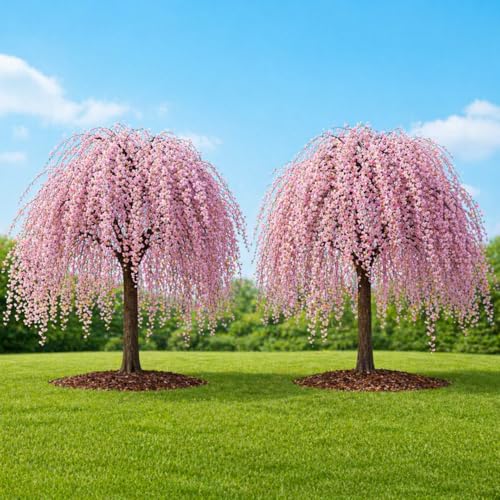
WHAT YOU WILL RECEIVE: 2 Cherry blossom tree live plant approximately 6 - 12 inches tall, prepared for transplanting into garden soil or outdoor containers

Due to Agricultural Laws, we Cannot Ship to California, Arizona, Alaska, or Hawaii

Attention: California and Arizona residents cannot order this item due to state restrictions.
Selecting Heat-Tolerant Cherry Varieties
When choosing cherry trees for Arizona’s warm climate, it’s essential to focus on heat-tolerant varieties that thrive in high temperatures. This section explores the best options available, highlighting their unique characteristics and suitability for the region, ensuring a fruitful harvest even in the challenging conditions of the desert.
When selecting cherry trees for Arizona, consider the following factors:
Heat Tolerance: Choose varieties that can withstand high temperatures.
Water Requirements: Look for trees that require less water.
Disease Resistance: Select varieties that are less susceptible to common diseases.
Fruit Quality: Ensure the chosen varieties produce high-quality fruit.
These factors will help in making informed decisions that align with Arizona’s growing conditions.
Heat-Tolerant Cherry Tree Options for Arizona
When selecting cherry trees for Arizona’s arid climate, it’s essential to focus on varieties that thrive in high temperatures. Heat-tolerant cherry trees not only withstand the intense sun but also produce delicious fruit, making them a practical choice for local gardeners. This section highlights the best options to consider for successful cultivation in the state.
Several cherry tree varieties are well-suited for Arizona’s climate. Each of these has unique characteristics that make them ideal for heat tolerance.
| Variety Name | Heat Tolerance Rating | Water Needs | Fruit Quality |
|---|---|---|---|
| Lapins | 4 | Moderate | High |
| Stella | 5 | Low | Excellent |
| Bing | 3 | Moderate | Very High |
| Royal Lee | 5 | Low | Good |
Lapins is a self-fertilizing variety that produces large, sweet cherries. Stella is known for its low water needs and excellent fruit quality.
Bing is a classic choice but requires moderate water. Royal Lee offers high heat tolerance and good fruit quality, making it a reliable option.
Soil Preparation Techniques for Cherry Trees
Preparing the right soil is crucial for the successful growth of cherry trees in Arizona’s unique climate. Understanding the specific soil requirements and employing effective preparation techniques can significantly enhance the health and productivity of these heat-tolerant varieties. This section explores essential methods to create an optimal growing environment for your cherry trees.
Proper soil preparation is critical for optimal cherry tree growth. Arizona’s soil can be sandy or rocky, which affects water retention. Follow these steps for effective soil preparation:
Test Soil pH: Aim for a pH between 6.0 and 7.0.
Amend Soil: Add organic matter like compost to improve nutrient content.
Ensure Drainage: Create raised beds if necessary to prevent waterlogging.
Mulch: Apply mulch to retain moisture and regulate soil temperature.
These steps will create a favorable environment for cherry trees to thrive.
Cherry Tree Planting Strategies for Arizona
Planting cherry trees in Arizona requires careful consideration of the state’s unique climate and soil conditions. Selecting heat-tolerant varieties is essential for successful growth and fruit production. This section explores effective strategies for planting cherry trees that thrive in Arizona’s warm environment, ensuring gardeners can enjoy a bountiful harvest.
Successful planting of cherry trees involves strategic planning. Consider the following logistics:
Timing: Plant in early spring or late fall for the best results.
Spacing: Allow adequate space between trees to promote air circulation.
Irrigation: Set up a drip irrigation system to manage water efficiently.
Fertilization: Use a balanced fertilizer during the growing season.
These logistics will ensure your cherry trees establish well and produce fruit.
Recommended Products

Complete 240FT Drip Irrigation Kit - The garden irrigation system includes 40FT of 1/2" main tubing, 200FT of 1/4" distribution tubing, and 143 essential components. You can customize the setup to fit your garden layout, covering up to 250 sq. ft. or split into two areas of 120 sq. ft. each

Convenient and portable storage kit contains 102 professional grade universal Drip irrigation parts

NO MORE HARD INSTALLATION - SET UP IN MINUTES. Tired of struggling with stiff barbed fittings? This drip irrigation system features quick-connect fittings that let you push, lock, and secure tubing effortlessly. No tools, no leaks, just a smooth setup experience. Enjoy a frustration-free installation and get your garden watering system running in minutes.
Pests and Diseases Affecting Cherry Trees
Cherry trees in Arizona face unique challenges due to the region’s climate and pest pressures. Understanding the specific pests and diseases that affect these heat-tolerant varieties is crucial for maintaining healthy trees and ensuring fruitful harvests. This section delves into the common threats and effective management strategies for Arizona’s cherry growers.
Understanding potential threats to your cherry trees is essential for maintaining health. Common pests and diseases include:
Cherry Fruit Fly: Can damage fruit; use traps to monitor.
Powdery Mildew: A fungal disease; apply fungicides as needed.
Aphids: Can weaken trees; use insecticidal soap for control.
Regular monitoring and timely intervention can protect your cherry trees from these issues.
Cherry Tree Care for Arizona’s Climate
Caring for cherry trees in Arizona’s unique climate requires a tailored approach to ensure their health and productivity. Given the region’s intense heat and variable conditions, understanding specific care techniques is essential for successful growth. This section will explore effective strategies for maintaining cherry trees, focusing on watering, soil management, and pest control suited to Arizona’s environment.
Maintaining your cherry trees is crucial for long-term success. Follow these maintenance tips:
Prune Regularly: Remove dead or diseased branches to promote airflow.
Water Wisely: Water deeply but infrequently to encourage deep root growth.
Fertilize Annually: Apply a balanced fertilizer in early spring.
Monitor for Pests: Check regularly for signs of infestation.
Consistent care will lead to healthy, productive cherry trees.
Heat-Tolerant Cherry Tree Care Strategies
Caring for cherry trees in Arizona requires specific strategies to ensure their health and productivity in a hot climate. Understanding the unique needs of heat-tolerant varieties is essential for successful cultivation. This section will explore effective care techniques tailored to the challenges posed by Arizona’s high temperatures.
Choosing heat-tolerant cherry tree varieties and implementing effective care strategies can significantly enhance your chances of success in Arizona’s climate. Prioritize proper selection, soil preparation, and ongoing maintenance to achieve a fruitful harvest.
