

Have you ever looked out your window to see your fruit trees buried under a heavy blanket of snow? It’s a common sight in winter, but that snow can be more than just a pretty landscape; it can actually harm your trees. Protecting them from the cold can mean the difference between a bountiful harvest and a disappointing season.
Key Takeaways
- Understand Snow’s Impact: Recognize that snow can cause branch breakage, trap moisture leading to diseases, and affect temperature fluctuations that might confuse blooming cycles.
- Preparation is Key: Select hardy fruit tree varieties and ensure proper placement in sheltered areas with good drainage to minimize snow accumulation and protect roots.
- Use Protective Techniques: Employ mulch to insulate and prevent soil erosion, install physical barriers around trees, and consider using heat sources to maintain warmth during severe cold spells.
- Manage Snow Accumulation: Regularly remove excess snow from branches and inspect for structural stress to prevent damage caused by heavy loads.
- Post-Snow Assessments: After snow melts, check for signs of damage, mold, or pest activity to address any issues early and ensure the health of your trees for future seasons.
- Document Observations: Keep a record of any problems noted during inspections to inform care practices for improved management in the upcoming winters.
Understanding The Impact Of Snow On Fruit Trees
Snow affects fruit trees in various ways, influencing their overall health and productivity. Understanding these impacts helps you take necessary precautions.
Weight of Snow
Accumulated snow can weigh down branches, leading to breakage. In some cases, heavy snow can cause limbs to snap entirely. Ensure you clear snow off branches after significant snowfall to prevent these issues.
Insulation Factor
Snow acts as an insulator. While this can protect roots from extreme cold, it can also trap moisture and create a breeding ground for diseases. Monitor moisture levels in the soil to avoid rot.
Temperature Fluctuations
Snow cover can trap heat during the day and release it at night. This fluctuation can confuse trees, prompting them to bloom early. If chilly temperatures return, this can harm new blossoms. Be cautious of late frosts and choose varieties that can withstand sudden temperature changes.
Soil Erosion
Melting snow can lead to soil erosion around the base of trees. This erosion can expose roots and disrupt nutrient access. Apply mulch around the base of your trees to reduce soil erosion and retain moisture.
Pest and Disease Risks
Snow can foster conditions for pests and diseases. During colder months, some pests might hibernate beneath snow layers. Inspect trees regularly for signs of pests once the snow melts.
By understanding snow’s impact, you can effectively protect your fruit trees and support their growth.
Preparation Before The Snowfall
Preparing your fruit trees for snowfall helps ensure their health and vitality. Taking proactive measures can minimize damage and support future harvests.
Recommended Products

ESTABLISHED QUART STARTER: You receive a Pawpaw tree settled in a 1 quart pot, standing 6-12 inches tall. This established size is easy for you to handle and can be placed directly into your garden soil or a larger transition container.
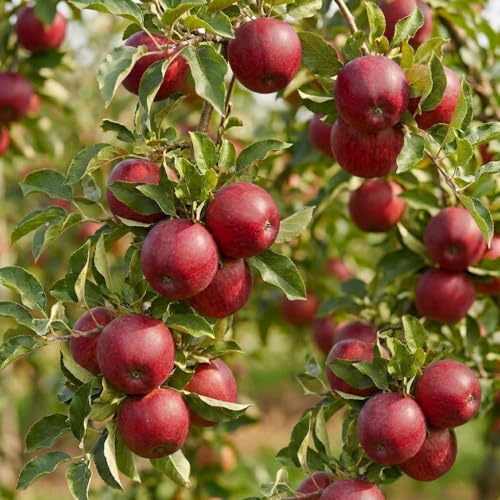
🍎 3 Live Apple Tree Saplings: Receive three healthy young apple tree saplings ready to plant and grow in your garden, backyard orchard, or container. Plants ship dormant (not leaves or fruit) in spring.

Sweet kiwi variety, cold-hardy, woody deciduous vines, great for home gardens and trellises
Selecting The Right Tree Varieties
Choose hardy tree varieties suited to your climate. Opt for species like apple, pear, or cherry that are known to endure cold conditions. Look for late-blooming varieties to avoid premature flowering during warm winter spells. Research local tree nurseries for recommended varieties that thrive in your area’s winter climate.
Proper Tree Placement
Position your fruit trees in sheltered spots to reduce snow accumulation. Plant them near windbreaks such as fences or larger trees. Ensure trees are not overcrowded, allowing for proper air circulation. Select areas with good drainage to prevent standing water that can freeze and cause root damage. Consider elevating your planting site slightly to further enhance drainage and protect roots from excessive moisture.
Techniques For Protecting Fruit Trees From Snow
Protecting your fruit trees from snow involves several effective techniques. These methods help ensure your trees remain healthy and productive despite harsh winter conditions.
Recommended Products

The Large plant cover is perfect for Plant size 55''-70"high and 84''-94" round, Heavy-weight FRCs (1.77oz./sq. yard): usually used to extend the growing season in spring and fall, allow 40%-60% light transmittance, and recommend 3°-8°F of freeze protection

THICKER MATERIAL: Our plant freeze protection cover is made of UV stabilized polypropylene. Upgraded thicker 0.9oz./sq.yard lightweight but durable. Soft plant covers are friendly and no harm to your plants. Breathable non-woven fabric allow light, air go through the frost cloths and reach the plants.

BETTER SOLUTION FOR DOING ORGANIC GARDENING:If you are doing organic gardening, or just want to reduce pesticide use, Remiawy shrub winter covers are the better choice for you. Reusable season after season,this quality winter shrub cover is made from tear-proof and breathable fabric. The material allows air and moisture to reach plants. Remiawy plant covers for animal protection will help protect branches buds and fruits from hungry deer,rabbits,worms and birds
Using Mulch and Ground Covers
Using mulch around the base of your fruit trees serves multiple purposes. Mulch insulates the soil, keeping it warmer during freezing temperatures. Use organic mulch like wood chips or straw to maintain moisture and prevent soil erosion caused by melting snow. A 3-4 inch layer of mulch evenly spread around the tree helps regulate soil temperature. Ground covers like clover or low-growing plants can also shield tree roots and prevent weed growth.
Installing Physical Barriers
Installing physical barriers offers robust protection against snow damage. Wrap tree trunks with burlap or protective foam to shield them from extreme cold and mechanical injury from heavy snow loads. Building snow fences around your garden can reduce snow build-up around trees. Position the fence at an angle to minimize snow drifts. Additionally, consider using stakes to support low branches temporarily, preventing breakage from accumulating snow.
Employing Heat Sources
Employing heat sources can help safeguard your fruit trees during especially cold spells. Consider using portable heaters or heat lamps to warm the area around your trees. Ensure they’re placed safely to avoid fire hazards. Alternatively, fabric frost blankets provide an insulation layer, trapping warmth around the tree’s foliage. Secure these blankets with stakes to prevent them from blowing away in the wind. These methods collectively enhance your trees’ chances of enduring harsh winter conditions.
Caring For Fruit Trees During Snow Accumulation
Caring for fruit trees during snow accumulation involves proactive measures to ensure their well-being. Understanding how to manage snow load and assess tree health can help prevent damage and promote healthy growth.
Recommended Products
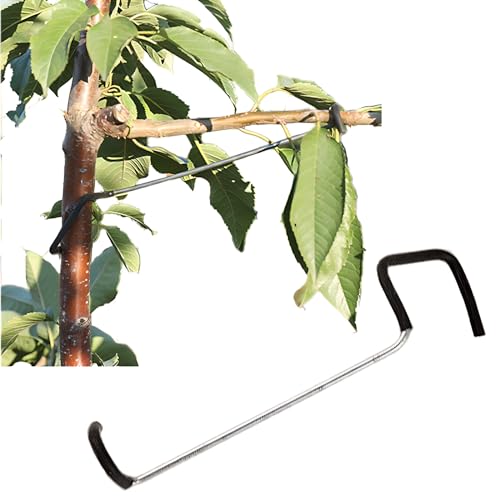
【Not Easy to Damage the Bark】The black part of the branch spreader consists of galvanized iron wire wrapped with the inside of a hose to ensure that the bark does not fray easily. The branch spreader can be reused after removal.

You Will Receive: 15 Pcs 3.94in fruit tree branch puller suitible for 0.4in branch, 5 tree limb spreaders about 10 inches long, and a protable carrying Bag.

Reusable Hose-Protected Branch Training: These limb spreaders feature galvanized iron wire wrapped in a protective hose for gentle shaping that does not harm tree bark. The design allows for multiple seasons of use, making these tree branch spreaders a practical fruit tree training tool.
Managing Snow Load On Branches
Remove excess snow from branches to prevent breakage. Use a broom or soft brush to gently sweep snow off lower branches. Start from the top and work your way down to avoid adding more weight. Keep an eye on branches, especially if heavy, wet snow accumulates. If branches sag significantly, carefully support them with stakes or ties.
Consider regularly inspecting for signs of stress. Look for cracks, splits, or bent branches. Take action before structural failures happen. In severe cases, you might prune damaged branches in early spring to encourage new growth. Remember, too much snow not only breaks branches but also shapes the tree’s structure.
Assessing Tree Health After Snow
Assess tree health after snow melts to identify damage. Check branches for cracks or bark loss. Look for signs of mold or fungus, which can indicate moisture-related issues. Examine the trunk for any soft spots, as these might reveal deeper problems.
Evaluate root systems by checking for exposed roots or soil erosion. Ensure that soil remains well-drained to prevent root rot. Additionally, inspect surrounding areas for pests that may have taken advantage of winter conditions. Use traps or natural repellents if needed to deter them.
Take precise notes on any issues you find. This information helps prioritize remedies or adjustments in care practices for the next winter season. Regular monitoring combined with quick corrective action promotes the long-term health of your fruit trees.
Conclusion
Protecting your fruit trees from snow is essential for their health and your future harvests. By taking the right steps before the snow arrives and monitoring your trees during the winter months, you can prevent damage and ensure they thrive come spring.
Remember to choose suitable varieties for your climate and provide proper care throughout the season. Regular checks for stress signs and managing snow loads will go a long way in maintaining your trees’ vitality.
As you prepare for the next winter, keep track of any issues you encounter. This way, you’ll be ready to make adjustments and give your fruit trees the best chance to flourish in the years to come. Happy gardening!
Frequently Asked Questions
How does winter snow affect fruit trees?
Winter snow can harm fruit trees by adding weight that may break branches, trapping moisture that promotes diseases, and causing temperature fluctuations that confuse trees into blooming early. Additionally, melting snow can lead to soil erosion, exposing roots and disrupting nutrient access.
What are the best fruit tree varieties for snowy climates?
Selecting hardy fruit tree varieties is essential for snowy regions. Apple, pear, and cherry trees are good options. It’s also beneficial to choose late-blooming varieties to avoid the risk of premature flowering.
How can I protect my fruit trees from snow damage?
To protect fruit trees from snow damage, ensure proper placement near windbreaks, use mulch to insulate the soil, and install physical barriers like burlap wraps. Regularly remove snow accumulation from branches and support any that sag.
What should I do after the snow melts?
After the snow melts, inspect your trees for any damage, like cracks or bark loss. Check root systems for erosion and exposure, and monitor for pests. Keeping detailed notes will help with adjustments for future winter care.
What proactive measures can I take for fruit trees during winter?
Proactive measures include selecting appropriate varieties for your climate, using mulch for insulation, and applying heat sources during cold spells. Regularly clearing snow from branches and checking for signs of stress can also help maintain tree health.
