

Are your fruit trees not growing as well as you’d hoped? You’re not alone. Many gardeners face the challenge of nurturing healthy trees that produce abundant fruit. It can be frustrating to put in the time and effort only to see limited results.
Key Takeaways
- Soil Quality Matters: Ensure well-drained, nutrient-rich soil with a pH of 6.0 to 7.0 to promote optimal growth in fruit trees.
- Watering Techniques: Implement deep and consistent watering practices while monitoring soil moisture to support healthy root systems and prevent stress.
- Proper Sunlight Exposure: Place fruit trees in areas that receive at least six hours of sunlight daily to enhance photosynthesis and fruit production.
- Fertilization Strategies: Use a mix of organic and slow-release fertilizers, applying them in spring and mid-season to meet the nutrient needs of your trees.
- Pruning and Maintenance: Regularly prune trees during dormant seasons to improve air circulation and light penetration, promoting overall tree health and productivity.
- Pest and Disease Management: Monitor for pests and diseases, and utilize organic solutions for treatment to maintain a healthy growing environment for your fruit trees.
Understanding Fruit Tree Growth
Understanding the growth of fruit trees involves recognizing the various factors that contribute to their health and productivity. Several elements play a crucial role in how well your trees grow.
Factors Influencing Growth
- Soil Quality: Use well-drained soil rich in organic matter. Test pH levels; most fruit trees prefer a range between 6.0 and 7.0.
- Water Availability: Ensure consistent moisture, especially during dry spells. Deep watering promotes robust root systems.
- Sunlight Exposure: Position trees in full sun for at least six hours daily. Adequate sunlight boosts photosynthesis and fruit production.
- Temperature Ranges: Choose varieties suited to your climate. Some trees thrive in warmer areas, while others need cooler conditions.
- Nutrient Levels: Use balanced fertilizers appropriate for specific tree needs. Regularly monitor nutrient deficiencies like nitrogen or potassium.
- Pests and Diseases: Regularly check for pests and apply appropriate treatments. Healthy trees resist diseases better than stressed ones.
- Poor Soil Drainage: Address heavy clay soil by improving drainage with organic amendments. Consider raised beds for better airflow.
- Water Stress: Watch for signs of drought, like wilting leaves. Irrigate during prolonged dry periods to maintain moisture levels.
- Insufficient Light: Prune surrounding vegetation to eliminate shade. This encourages greater light penetration for optimal growth.
- Inconsistent Pruning: Correctly prune to remove dead or overcrowded branches. This helps shape trees and promotes better air circulation.
- Pest Infestation: Identify common pests, such as aphids and beetles. Utilize companion planting or organic pesticides for control.
- Disease Outbreaks: Monitor for symptoms of common diseases like leaf spot or root rot. Implement crop rotation and proper sanitation to reduce risks.
Soil Preparation
Soil preparation plays a crucial role in promoting healthy fruit tree growth. Well-prepared soil supports root development, nutrient uptake, and overall tree vitality.
Recommended Products

Comprehensive Soil Analysis: Liquid soil test kits offer a comprehensive analysis of essential soil parameters, including pH, ammonia, nitrogen, phosphorus, and potassium. Having all these measurements in one kit provides a holistic understanding of the soil's fertility and health.

Quick, at home results for Soil pH, Nitrogen, Phosphorous and Potash Innovative and inexpensive soil test kit features an easy-to-use capsule system and patented color comparators

KNOW BEFORE YOU GROW | Grow the healthiest, sustainable lawn and garden with the most accurate and easy to use professional soil test kit on the market
Testing Soil Health
Test your soil regularly to understand its composition and pH level. Use a soil testing kit or send a sample to a local extension service for analysis. Ideal pH levels for most fruit trees range from 6.0 to 7.0. If your test shows imbalances, you’ll know how to adjust your soil for optimal growth. Testing also reveals nutrient deficiencies, helping you target specific amendments.
Amendments for Nutrient Density
Amend your soil with organic materials to boost nutrient density. Consider the following options:
- Compost: Incorporate well-aged compost to improve soil structure and provide essential nutrients. Aim for a 2-4 inch layer mixed into the top 6-12 inches of soil.
- Aged Manure: Apply aged manure to enrich the soil with nitrogen, phosphorus, and potassium. Use it sparingly to avoid overwhelming young trees.
- Bone Meal: Add bone meal to enhance phosphorous levels, which support root and flower development. Mix according to package instructions for best results.
- Wood Ash: Sprinkle wood ash to increase potassium and improve soil alkalinity if needed. Use in moderation, as excessive amounts can raise pH beyond optimal levels.
Regularly incorporate these amendments into your soil before planting or during the growing season for established trees to enhance growth and productivity.
Watering Techniques
Effective watering techniques significantly enhance the growth and productivity of your fruit trees. Proper irrigation ensures trees receive adequate moisture, supporting healthy development and vibrant fruit yields.
Recommended Products
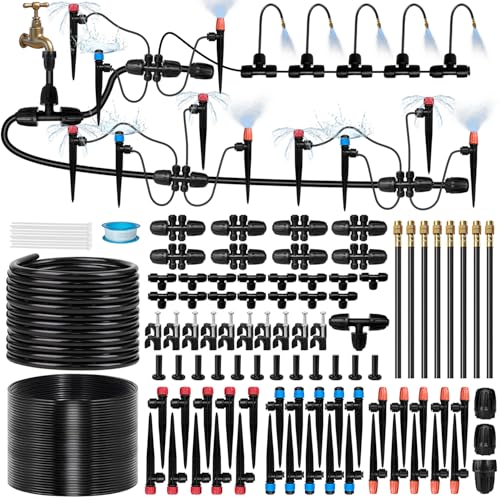
【Upgraded Tube Design & Water Saving】 Our garden watering system is upgraded to 1/2” diameter to support high water pressure. The 1/2” tee connector allows seamless splitting into 2 independent zones for customized watering schedules. By delivering moisture directly to root zones, this drip Irrigation system significantly reduces evaporation and runoff—saving more water compared to conventional sprinklers while eliminating the need for manual watering.
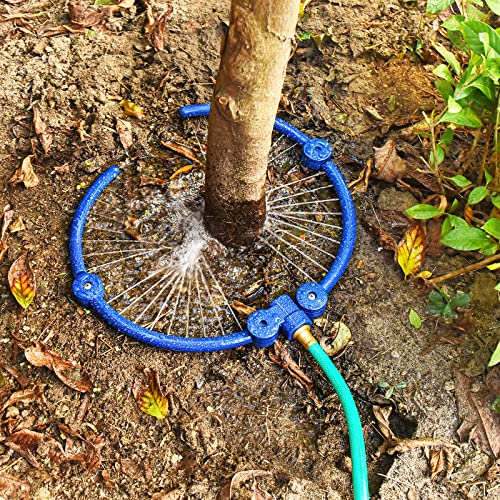
【Specially Designed for Trees and Shrubs】 The Watering Ring is a multi-purpose irrigation ring that attaches to a garden hose to efficiently water young trees shrubs vegetables or flower beds using drip or trickle irrigation.It directs water to the root perimeter of the plant to give them a good start during the first two growing seasons or through periods of drought.

SAVE TIME AND EFFORT: This plant watering kit has everything you need to get started with drip irrigation and precisely water up to ten individual plants. Use the kit to build, expand, or repair a drip irrigation system
Importance of Proper Irrigation
Proper irrigation plays a crucial role in fruit tree growth. Insufficient water leads to stress, negatively impacting tree health and fruit production. Trees often exhibit stunted growth and reduced fruit size when dehydrated. Conversely, overwatering can cause root rot, preventing nutrient absorption. Maintaining the right moisture balance helps trees flourish and produce quality fruit.
- Deep Watering: Water trees deeply and infrequently. Apply 1 to 2 inches of water every week. This encourages root systems to grow deep into the soil, enhancing stability and drought resistance.
- Soil Monitoring: Check soil moisture regularly. Insert a finger about 2 inches into the soil. If it feels dry, it’s time to water. Use a moisture meter for more precise readings.
- Mulching: Apply 2 to 4 inches of organic mulch around the base of trees. Mulch retains moisture, regulates soil temperature, and reduces weed competition. This is especially helpful during dry spells.
- Drip Irrigation: Consider using a drip irrigation system. This method delivers water directly to the root zone, minimizing water loss and ensuring efficient uptake.
- Water Timing: Water early in the morning or late in the evening. This reduces evaporation and allows trees to absorb moisture more effectively.
- Rainwater Harvesting: Collect rainwater in barrels for irrigation. This eco-friendly practice conserves resources while providing your trees with natural, chemical-free moisture.
Implementing these watering techniques will promote stronger, healthier fruit trees and improve your harvest outcomes.
Fertilization Methods
Fertilization plays a vital role in boosting the growth of your fruit trees. Selecting the right type of fertilizer and applying it at the right times can significantly enhance tree health and fruit yield.
Recommended Products
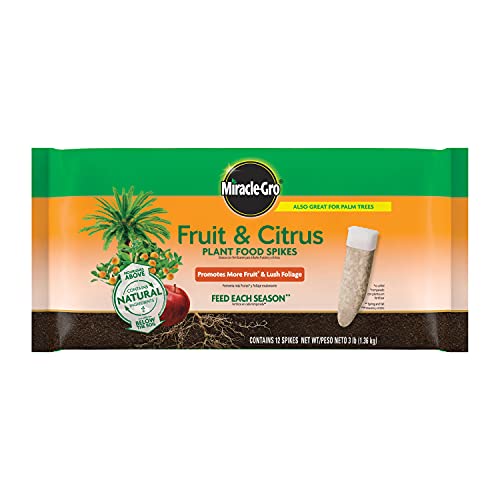
FORMULATED FOR CITRUS AND FRUIT TREES: Use these citrus fertilizer spikes on apple, orange, lemon, lime, and avocado trees; this formula is also great for feeding palm trees

Down to Earth Fruit Tree is a five pound box of all natural fertilizer with 6-2-4 formula and is listed by the Organic Materials Review Institute (OMRI) for use in organic production

Package contains 9 fruit and citrus fertilizer spikes and is produced to avoid wasteful runoff, mess, hazards and smells
Types of Fertilizers
- Organic Fertilizers: Organic options include compost, well-rotted manure, and worm castings. These improve soil structure and provide a slow release of nutrients. Organic fertilizers enrich the soil food web, promoting healthier trees.
- Synthetic Fertilizers: These contain concentrated nutrients, often in specific ratios like 10-10-10 (N-P-K). They deliver immediate nutrients but may require careful application to avoid over-fertilization. Follow package instructions for usage guidelines.
- Slow-Release Fertilizers: These granules release nutrients gradually over time. Using slow-release options promotes continuous nutrient availability, reducing the number of applications needed throughout the growing season.
- Liquid Fertilizers: Liquid forms offer quick absorption for immediate nutrient needs. They’re suitable for foliar feeding or soil drenching. Apply these during the growing season for a nutrient boost.
- Spring Fertilization: Apply fertilizers in early spring as trees begin to bud. This timing supports new growth and maximizes nutrient uptake.
- Mid-Season Boost: In summer, consider a mid-season application to provide additional nutrients. This is especially useful for heavy fruiting varieties that require more resources.
- Annual Soil Testing: Conduct soil tests annually to identify nutrient deficiencies or imbalances. Test results guide you in adjusting your fertilization strategy.
- Watering After Application: Water the trees thoroughly after fertilizing. This helps dissolve the fertilizer, allowing nutrients to reach the root zone effectively.
- Avoid Over-Fertilization: Over-fertilization can damage trees, leading to excessive growth and less fruit. Stick to recommended amounts based on the fertilizer type and the specific needs of your fruit trees.
Pruning and Maintenance
Pruning and maintenance play crucial roles in boosting fruit tree growth. Regularly addressing these aspects promotes better air circulation, sunlight exposure, and overall tree health.
Optimal Pruning Techniques
Pruning enhances fruit tree productivity. Your approach to pruning should focus on removing dead or diseased branches, thinning crowded areas, and shaping the tree for optimal growth.
- Timing: Prune during the dormant season, typically late winter or early spring, before new growth begins.
- Tools: Use sharp, clean pruning shears for smooth cuts. This reduces the risk of disease.
- Technique: Cut branches at a 45-degree angle, just above a bud or junction to encourage healthy regrowth. Focus on removing approximately 20-30% of the tree’s canopy.
- Form: Maintain an open-center shape or central leader configuration, allowing light to penetrate and air to circulate.
- Sanitation: Clean tools after pruning to prevent the spread of pathogens.
Pruning encourages fruit production and maintains the tree’s structure.
Pests and Disease Management
Effective management of pests and diseases directly affects the growth of fruit trees. Identifying and addressing these issues is essential for maintaining tree health.
- Monitoring: Regularly inspect leaves, branches, and fruits for signs of pests or disease. Early detection simplifies management.
- Cultural Practices: Maintain cleanliness around your trees by removing fallen leaves and fruit. This reduces overwintering sites for pests.
- Natural Predators: Encourage beneficial insects like ladybugs or lacewings that help control pest populations.
- Organic Solutions: Use neem oil or insecticidal soap for pest management. These options are gentle on the environment and effective on soft-bodied insects.
- Disease Resistance: Select disease-resistant fruit tree varieties when possible. These trees often require less intervention and thrive under your care.
By implementing solid pruning techniques and managing pests and diseases, you can foster a healthy environment for your fruit trees, leading to enhanced growth and abundant fruit production.
Conclusion
Boosting the growth of your fruit trees is a rewarding journey that requires attention and care. By focusing on soil quality proper watering and effective fertilization you can create a thriving environment for your trees. Don’t forget the importance of regular pruning and pest management to keep your trees healthy and productive.
With a little patience and dedication you’ll soon see the fruits of your labor. Remember that every tree is unique so take the time to observe and adapt your approach as needed. Enjoy the process and watch your garden flourish!
Frequently Asked Questions
What factors affect fruit tree growth and productivity?
Fruit tree growth and productivity are influenced by several key factors, including soil quality, water availability, sunlight exposure, temperature ranges, nutrient levels, and pest and disease management. Understanding and optimizing these elements can lead to healthier trees and improved yields.
How can I improve my soil quality for fruit trees?
To improve soil quality for fruit trees, regularly test the soil for pH and composition. Aim for a pH between 6.0 and 7.0. Use amendments like compost, aged manure, bone meal, and wood ash to boost nutrient density and promote tree vitality.
What watering techniques can enhance fruit tree growth?
Effective watering techniques include deep watering to encourage root growth, regular soil moisture checks, using organic mulch to retain moisture, and employing drip irrigation for efficient water delivery. Water during cooler times to reduce evaporation and consider harvesting rainwater for irrigation.
When is the best time to fertilize fruit trees?
The best time to fertilize fruit trees is early spring to support new growth and mid-season for heavy fruiting varieties. Regular soil testing can help identify nutrient deficiencies to inform fertilization plans and prevent over-fertilization.
How important is pruning for fruit tree health?
Pruning is crucial for fruit tree health as it promotes better air circulation, sunlight exposure, and overall growth. Implementing optimal pruning techniques, including the right timing and tools, can significantly enhance tree vigor and fruit production.
What are effective methods for managing pests and diseases in fruit trees?
Effective pest and disease management involves regular monitoring, implementing cultural practices, and using organic solutions. Timely intervention and maintaining tree health through proper care can reduce the likelihood of infestations and outbreaks, ensuring fruitful trees.
