

Have you ever woken up to find your beautiful fruit trees covered in frost? It’s a heartbreaking sight that can threaten your harvest and leave you feeling helpless. As temperatures drop, protecting your trees becomes essential to ensure a bountiful yield.
Key Takeaways
- Understanding Frost Impact: Frost negatively affects fruit trees by causing flower damage, hindering fruit development, and stressing tree health, which can lead to pests and diseases.
- Key Frost Influencers: Temperature drops, humidity levels, and wind conditions play significant roles in frost formation, necessitating vigilance during colder months.
- Frost Prevention Strategies: Selecting frost-resistant varieties, planting at appropriate times, and using frost protection covers are essential methods to safeguard trees.
- Economic and Ecological Importance: Preventing frost not only protects crops and increases market value but also supports local ecosystems by maintaining biodiversity and carbon capture.
- Monitoring Weather: Staying updated with frost prediction tools and local weather resources enables timely protective actions for your fruit trees.
Understanding Frost and Its Impact on Fruit Trees
Frost occurs when temperatures drop below 32°F (0°C), forming ice crystals on surfaces. This phenomenon can severely affect fruit trees, particularly during blooming and fruit development stages. Understanding its impact helps in taking preventative measures.
Effects of Frost on Fruit Trees
- Flower Damage: Most fruit tree flowers are sensitive to frost. Damage can occur at temperatures of 28°F (-2°C) and lower.
- Fruit Development: Fruits set after blooms can also suffer. Damaged fruit leads to poor yield and compromised quality.
- Tree Health: Repeated frost exposure stresses trees. Stress can weaken trees, making them more vulnerable to pests and diseases.
Key Factors Influencing Frost Formation
- Temperature Drops: Rapid temperature drops during the night can increase frost formation.
- Humidity Levels: High humidity promotes frost by trapping moisture that freezes.
- Wind Conditions: Still air allows colder air to settle around the trees, increasing frost risk.
Timing and Region
- Spring Frosts: Late spring frosts are particularly harmful. Trees may bloom early, leaving them exposed to frost damage.
- Geographic Areas: Some regions are more susceptible to frost. Familiarity with local climate patterns assists in planning.
- Appearance of Flowers: Discolored, wilted, or brown flowers indicate frost damage.
- Fruit Quality: Soft or shriveled fruits signal possible frost exposure during development.
Keep a close watch on weather forecasts as temperatures drop. Being proactive minimizes the risk of frost damage to your fruit trees, setting the stage for a fruitful harvest.
Importance of Preventing Frost Damage
Preventing frost damage to fruit trees is crucial for maintaining healthy crops and ensuring a productive harvest. Frost can severely affect your fruit trees, leading to economic loss and ecological imbalance.
Economic Benefits
Mitigating frost damage directly influences your economic outcome. Ensured fruit quality leads to higher market values. For example, trees that suffer frost damage often produce smaller or misshapen fruit, which can reduce their selling price. Investing in frost protection methods, like covers or mulches, can safeguard your investment and maintain productivity. Farmers can see returns on these protective measures by avoiding crop loss. This proactive approach also enhances long-term profitability by cultivating customer trust through consistent quality.
Ecological Considerations
Frost damage doesn’t just affect economics; it also impacts local ecosystems. Healthy fruit trees support biodiversity, providing habitats for pollinators and other wildlife. Frost-killed blossoms disrupt these ecological relationships, leading to declines in pollinator populations. Additionally, healthy trees contribute to carbon capture and soil stabilization. Protecting your fruit trees from frost ensures that they continue benefiting the environment. Implementing frost prevention strategies not only preserves your crops but also promotes a healthier ecosystem.
Effective Strategies for Preventing Frost on Fruit Trees
Frost can pose a serious threat to your fruit trees, but implementing effective strategies can significantly reduce the risk. Here are some key approaches to keep your trees protected.
Recommended Products

Winter Plant Cover: The winter frost cover bag allows plants to absorb sunlight and water, and are protected from extreme cold frost, heavy rain and snow, and protect plants from birds, insects, deer, rabbits and other pests.

THICKER MATERIAL: Our plant freeze protection cover is made of UV stabilized polypropylene. Upgraded thicker 0.9oz./sq.yard lightweight but durable. Soft plant covers are friendly and no harm to your plants. Breathable non-woven fabric allow light, air go through the frost cloths and reach the plants.
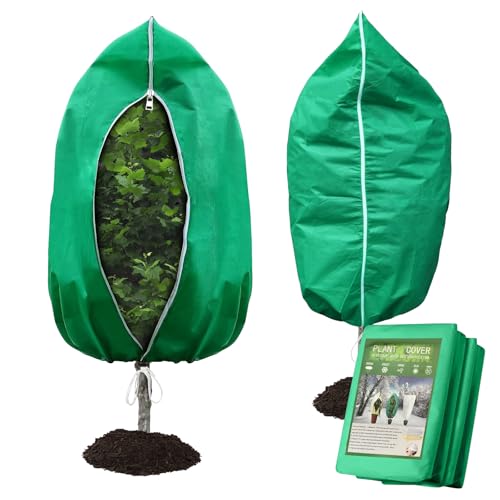
🌬️ Ultimate Cold Weather Protection:Crafted from thick 2.8oz/yd² non-woven fabric, our HEKIWAY plant freeze covers shield your trees and plants from frost, snow, wind, and ice. A reliable barrier for harsh winters, ensuring your greenery survives and thrives
Choosing the Right Fruit Tree Varieties
Selecting frost-resistant fruit tree varieties can save you time and effort. Consider these options:
- Apple Trees: Varieties like ‘Honeycrisp’ or ‘Fuji’ show good frost tolerance.
- Cherry Trees: ‘Stella’ and ‘Northstar’ exhibit resilience against frost damage.
- Peach Trees: Look for cold-hardy types such as ‘Reliance’ or ‘Contender’.
Research local conditions to determine the best choices for your area.
Timing of Planting and Pruning
Proper timing for planting and pruning can minimize frost damage:
- Planting: Choose to plant in late spring after the last frost date has passed. This ensures better establishment.
- Pruning: Prune in late winter or early spring before buds swell. This timing prevents tender growth that frost can harm.
Adjust your schedule according to regional climate patterns for maximum effectiveness.
Utilizing Frost Protection Covers
Frost protection covers shield your trees from cold. Consider these options:
- Frost Blankets: Lightweight fabric allows air and moisture through while retaining heat. Drape them over trees on cold nights.
- Row Covers: Use these for smaller trees. They provide warmth and protection from frost while allowing sunlight in.
- Water or Plastic Sheets: While unorthodox, sheets can help trap heat. Secure them around your trees if temperatures drop unexpectedly.
Apply these covers before temperatures dip below freezing.
Implementing Windbreaks and Barriers
Creating windbreaks can help reduce frost susceptibility. Here’s how:
- Planting Trees: Position taller trees like pines to block cold winds. This helps create a more stable microclimate.
- Using Fencing: Solid fences can deflect cold air, creating a warmer area around your fruit trees.
- Erecting Hedges: Shrub hedges provide natural barriers that protect against harsh winds.
Plan your windbreak layout based on prevailing wind patterns to maximize effectiveness.
Monitoring Weather Conditions
Monitoring weather conditions plays a crucial role in preventing frost on fruit trees. By staying informed, you can take timely actions to protect your crops.
Recommended Products

TEMPERATURE SELECTION: User selectable Fahrenheit and Celsius measurements for convenience and versatility
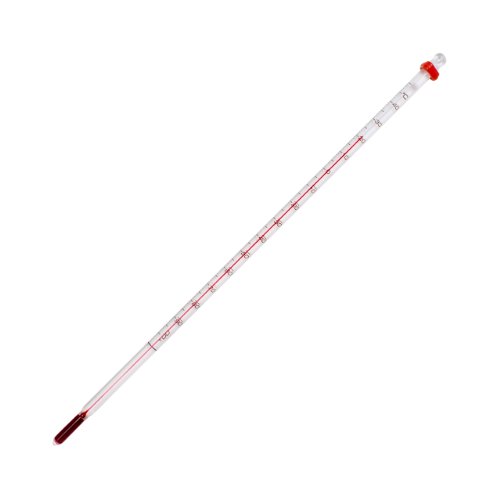
Wide Temperature Range - This lab grade thermometer has a wide temperature range of -20 to 150 degrees Celsius, making it versatile for various scientific, industrial, and chemistry applications.

STYLISH DESIGN MIN MAX THERMOMETER - Digital greenhouse temperature thermometer showing high, low and current temperatures. One of those garden and greenhouse accessories you shouldn't be without.
Tools for Frost Prediction
Use reliable frost prediction tools to stay ahead of frost events. Various apps and websites offer accurate forecasts, including:
- Weather Apps: Install apps like Weather Underground or AccuWeather for real-time alerts.
- Frost Alert Services: Subscribe to local services providing notifications when frost is likely.
- Thermometers: Place a minimum thermometer in your orchard. It helps track low temperatures.
By using these tools, you can prepare in advance and implement protective measures when needed.
Local Weather Resources
Take advantage of local weather resources for the best information. Your options include:
- Local News Stations: Tune into weather reports from trusted local news outlets for updates.
- Agricultural Extensions: Check with your county’s agricultural extension office for region-specific advice on frost.
- Online Forums and Groups: Join local gardening forums or social media groups where members share frost warnings and tips.
Leveraging these local resources keeps you well-informed about potential frost conditions specific to your area.
Conclusion
Taking proactive steps to prevent frost on your fruit trees can make all the difference in your harvest. By choosing the right tree varieties and implementing protective measures like frost covers and windbreaks, you’re setting yourself up for success.
Staying informed about weather conditions is key. Keep an eye on forecasts and use reliable tools to track temperature changes. With a little effort and preparation, you can protect your trees and enjoy a bountiful harvest season after season. Your dedication to safeguarding your fruit trees not only benefits your garden but also contributes to a healthier ecosystem. Happy gardening!
Frequently Asked Questions
What causes frost on fruit trees?
Frost occurs when temperatures drop below 32°F (0°C), especially during the night. Factors like humidity and wind conditions play a crucial role in frost formation. When the air cools rapidly, moisture condenses and freezes, forming frost that can damage fruit trees.
How does frost affect fruit trees?
Frost can severely harm fruit trees by damaging flowers, reducing fruit quality, and impacting overall tree health. This is particularly detrimental during the blooming and fruit development stages, potentially leading to decreased yields and poor harvests.
What are the signs of frost damage on fruit trees?
Signs of frost damage include blackened or wilted flowers, small or misshapen fruits, and overall poor tree vitality. Affected leaves may appear crispy or discolored. Observing these signs early can help mitigate further damage.
How can I protect my fruit trees from frost?
You can protect fruit trees from frost by selecting frost-resistant varieties, using frost covers, and creating windbreaks. Proper timing for planting and pruning also helps minimize risks. Ensure you monitor weather forecasts to act quickly during frost threats.
When is frost most likely to occur?
Frost is commonly expected in late spring when temperatures fluctuate. Geographic locations, particularly areas known for sudden cold spells, are especially vulnerable. Staying informed about local weather patterns aids in anticipating frost events.
Which protective measures are most effective for frost prevention?
Effective measures include using frost blankets, row covers, and planting taller trees as windbreaks. Additionally, proper placement of thermometers helps track temperature drops, enabling timely action to protect your fruit trees.
How can I monitor frost conditions?
Monitor frost conditions using reliable weather apps, local frost alert services, and by placing thermometers in orchards. Engaging with local agricultural resources can also provide specific insights into impending frost risks.
